Develop sequencing skills Worksheets for Ages 4-9
3 filtered results
-
From - To
Unlock your child's potential with our engaging sequencing skills worksheets designed for ages 4-9. These comprehensive resources help young learners develop critical cognitive skills by promoting logical thinking and narrative understanding. Each worksheet features fun and colorful activities, such as picture sequencing, story ordering, and pattern recognition, tailored to captivate young minds. Ideal for both home learning and classroom use, our worksheets encourage creativity, enhance vocabulary, and improve comprehension. Explore a variety of formats that cater to different learning styles, ensuring that every child can thrive. Visit our page to access these valuable tools and watch your child's skills flourish!
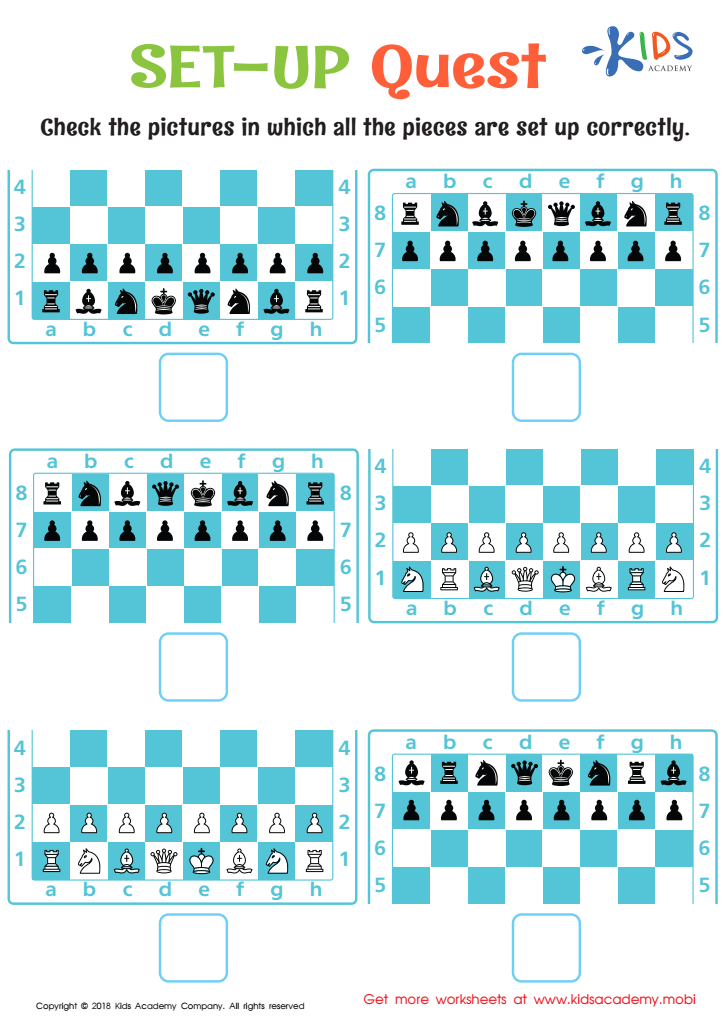
Set-up Quest Worksheet
 Assign to My Students
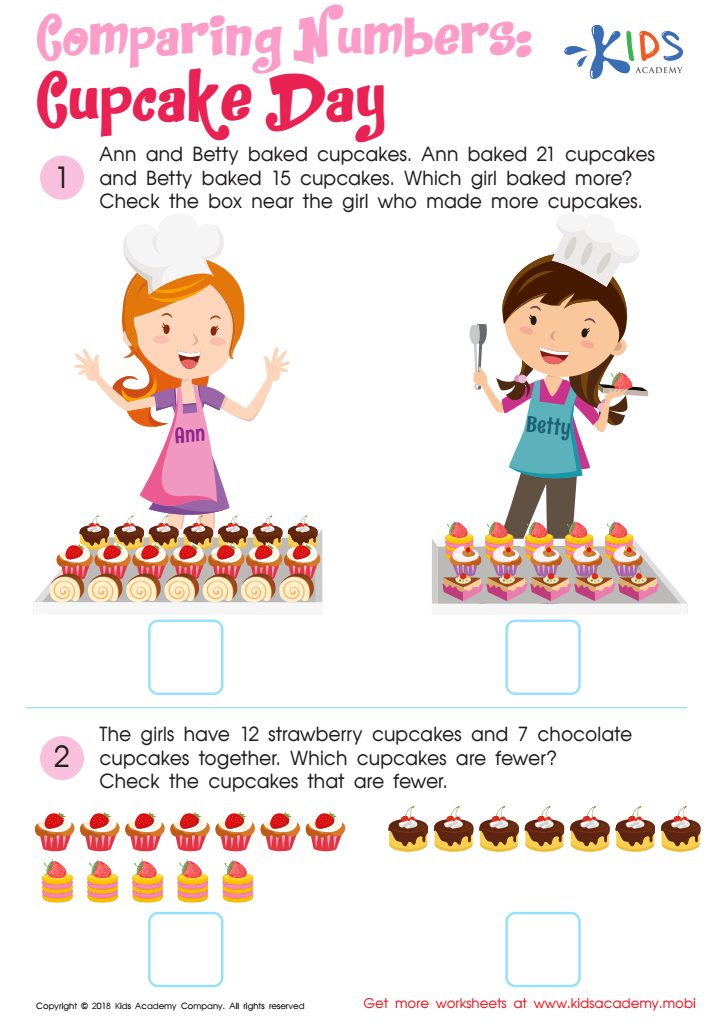
Cupcake Day Worksheet
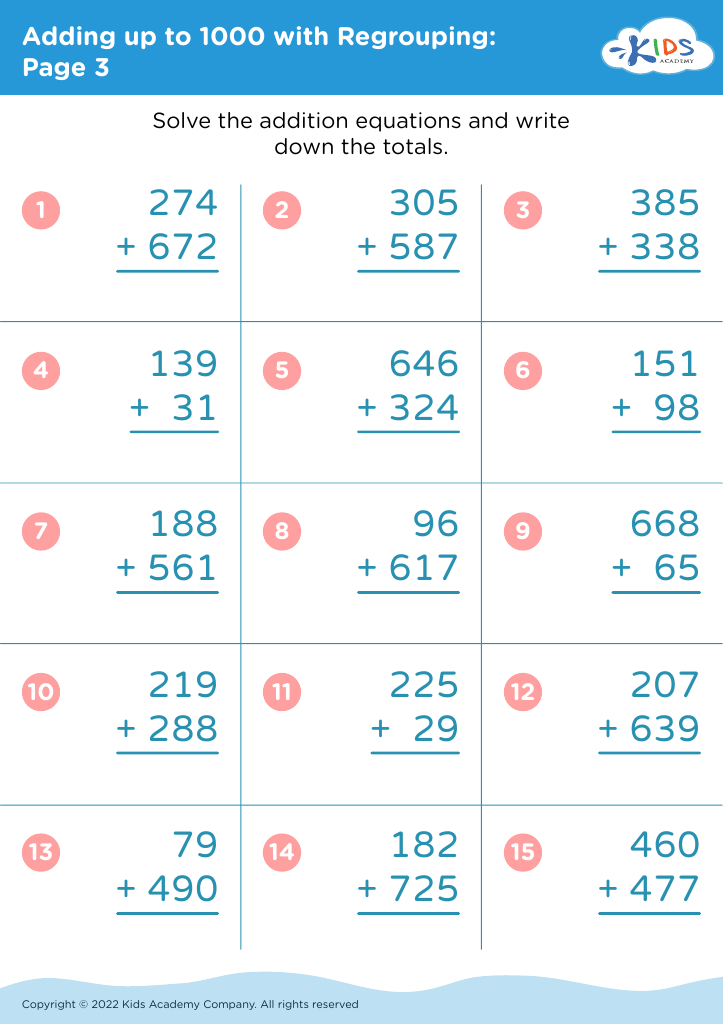






.jpg)

Developing sequencing skills in children aged 4-9 is essential for several reasons. First, sequencing helps children understand the order of events, which is foundational for literacy. When they can sequence stories—from beginning to middle to end—they improve their comprehension and retention of information. This skill also fosters effective communication, allowing children to share their experiences and ideas clearly.
Moreover, sequencing is crucial in mathematics. Understanding concepts such as patterns and basic arithmetic relies on the ability to arrange objects and numbers logically. These foundational math skills set the stage for more advanced problem-solving abilities as they grow.
Additionally, sequencing skills enhance a child’s cognitive development. By learning to anticipate what comes next, children develop critical thinking and logic skills, which are essential for daily decision-making. This ability nurtures independence, as they learn to follow instructions and complete tasks in an organized manner.
Finally, channelling sequencing skills through play and interactive activities creates engaging learning experiences, making education enjoyable. Teachers and parents should prioritize these skills to promote overall academic success, better communication, and cognitive growth, setting children on a path to lifelong learning.








