
Developing creativity Worksheets for Ages 4-9
3 filtered results
Difficulty Level
Grade
Age
-
From - To
Subject
Activity
Standards
Unlock your child's creativity with our engaging Developing Creativity Worksheets for ages 4 to 9. Designed to spark imagination and critical thinking, these worksheets offer fun activities that promote artistic expression and inventive problem-solving. Featuring a variety of exercises, including coloring, drawing, and open-ended questions, young learners will explore their creative potential in a supportive environment. With our worksheets, children can enhance their cognitive skills while enjoying the learning process. Perfect for parents and educators alike, these resources provide an interactive way to nurture creativity and confidence in your child's unique ideas. Start fostering your child's creative journey today!
Favorites
With answer key
Interactive
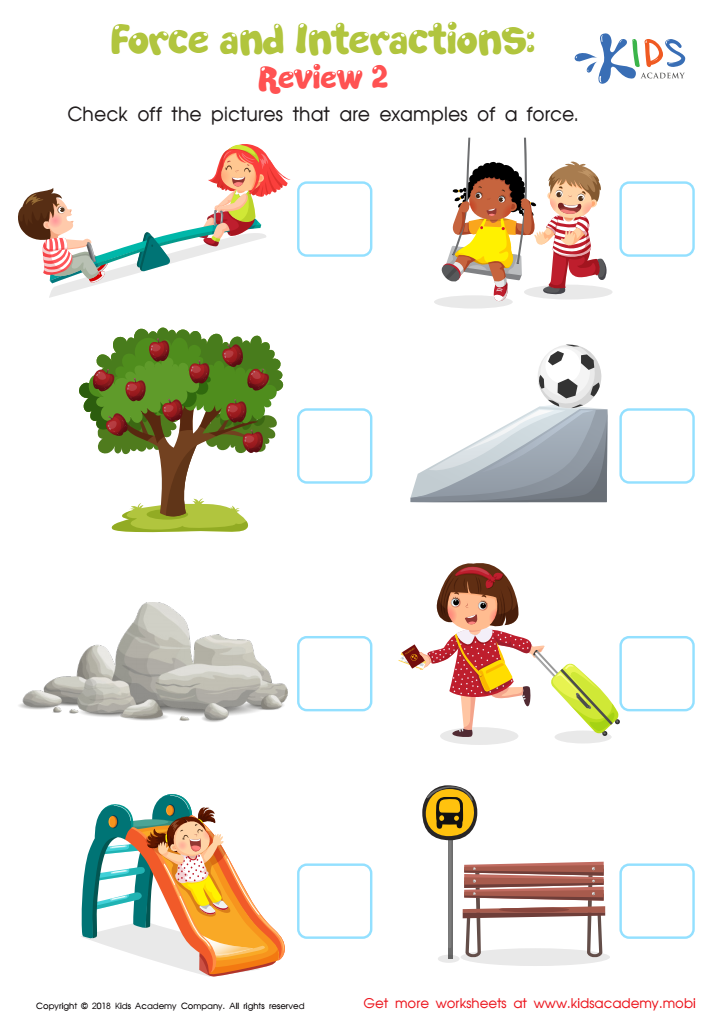
Force and Interactions: Review 2 Worksheet
Your child can identify force examples by checking the pictures. There are 8 images of kids engaging in activities and objects in motion. Get them to name the activities and objects, or if they know, explain force and interaction.
 Assign to My Students
Force and Interactions: Review 2 Worksheet
Worksheet
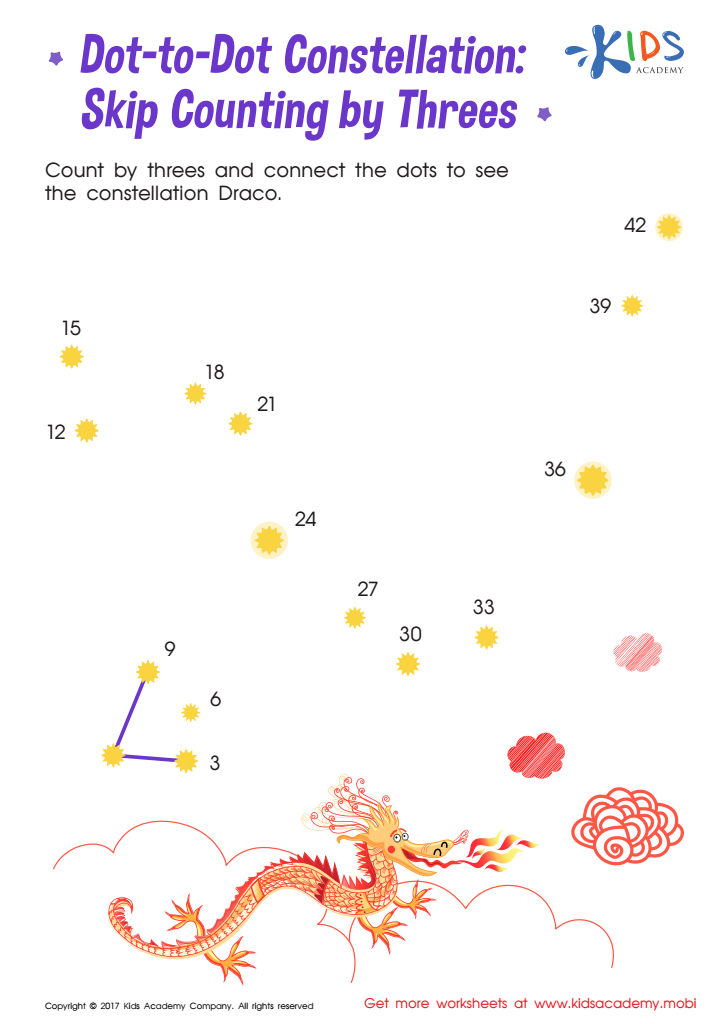
Skip Counting by 3s: Dot–to–Dot Constellation Printable
Worksheet
Join Kids Academy for Free
Who is primarily going to use this learning content?







Developing creativity in children aged 4-9 is crucial for their overall growth and well-being. At this formative stage, children are naturally curious and imaginative. Encouraging creativity nurtures their ability to think critically, solve problems, and express themselves. Engaging in creative activities—like drawing, storytelling, or playing music—allows children to explore different perspectives and develop their unique voices.
Parents and teachers should care about fostering this creativity because it contributes to cognitive development. Creative endeavors stimulate brain function, enhancing neural connections that support future learning. Furthermore, creativity is linked to emotional intelligence, helping children navigate their feelings and develop empathy towards others.
In today’s rapidly changing world, the ability to innovate and adapt is more important than ever. Creative individuals are often better equipped to tackle challenges and think outside the box, skills that are vital in every career field. Additionally, this early investment in creativity promotes a love for learning, making children more engaged and motivated to explore new concepts.
By prioritizing creativity, parents and teachers can create rich, supportive environments that empower children to become confident, resourceful, and resilient individuals, setting them on a path to lifelong success.








