Developing fine motor skills Worksheets for Ages 4-9
8 filtered results
-
From - To
Our "Developing Fine Motor Skills Worksheets for Ages 4-9" are thoughtfully designed to support your child's growth and dexterity. These engaging activities will help children enhance their hand-eye coordination, precision, and control, essential for everyday tasks like writing and buttoning. The worksheets use fun puzzles, coloring pages, cut-and-paste activities, and tracing exercises to build the fine motor competencies needed for school readiness and daily life. Created by educational experts, these resources ensure that learning feels more like play, making it an enjoyable experience for your little one while laying down the foundations for future success.

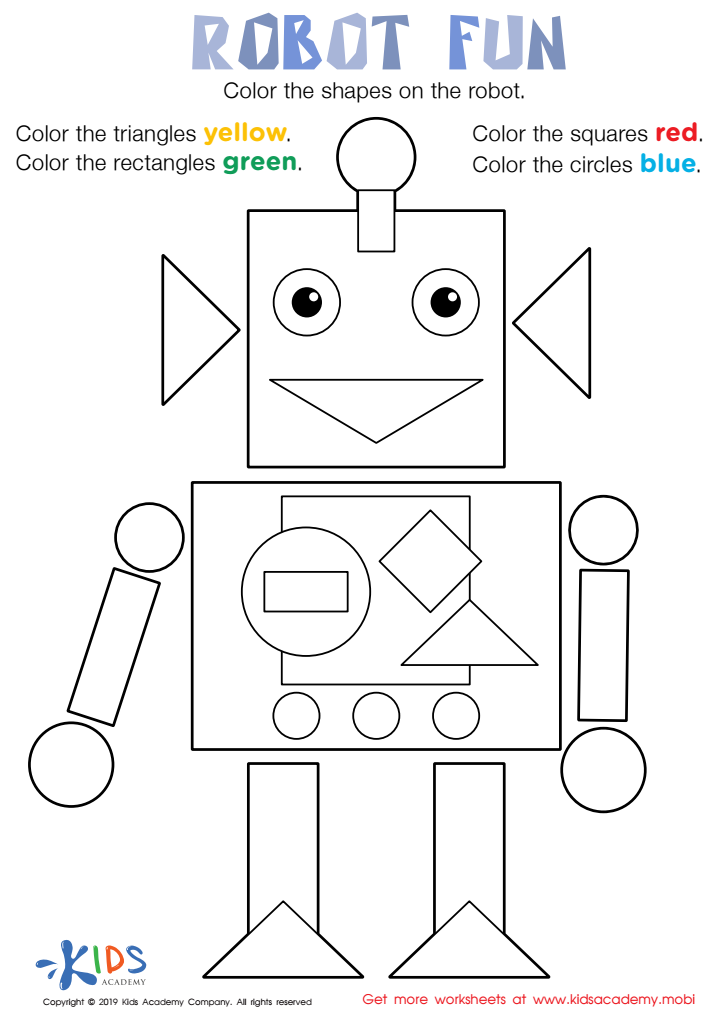
Robot Fun Worksheet
 Assign to My Students

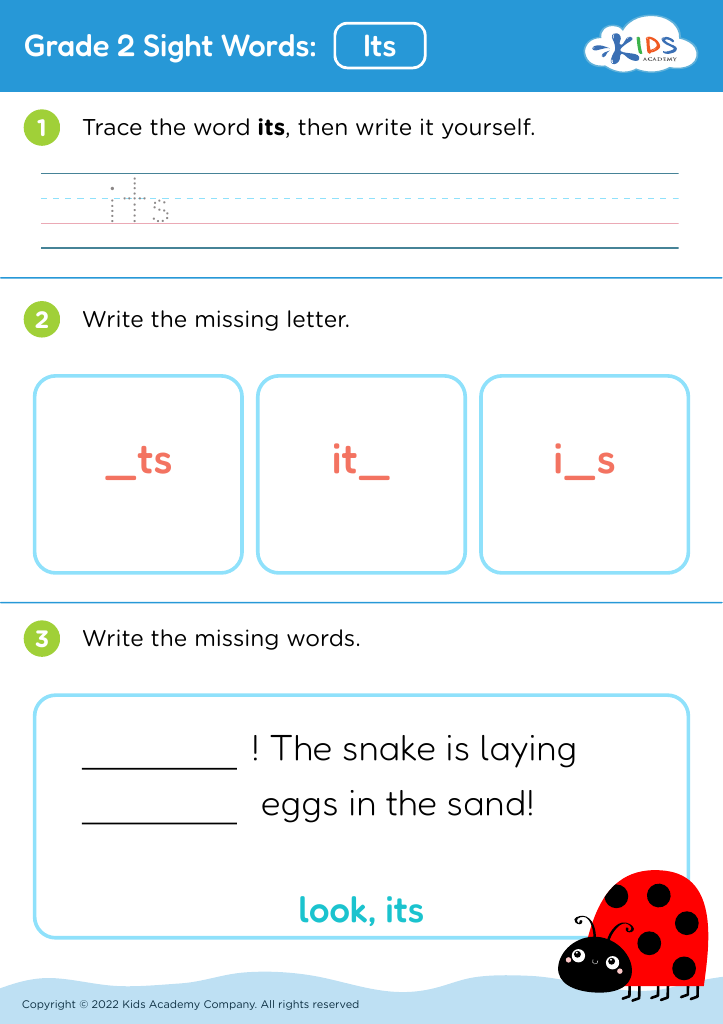
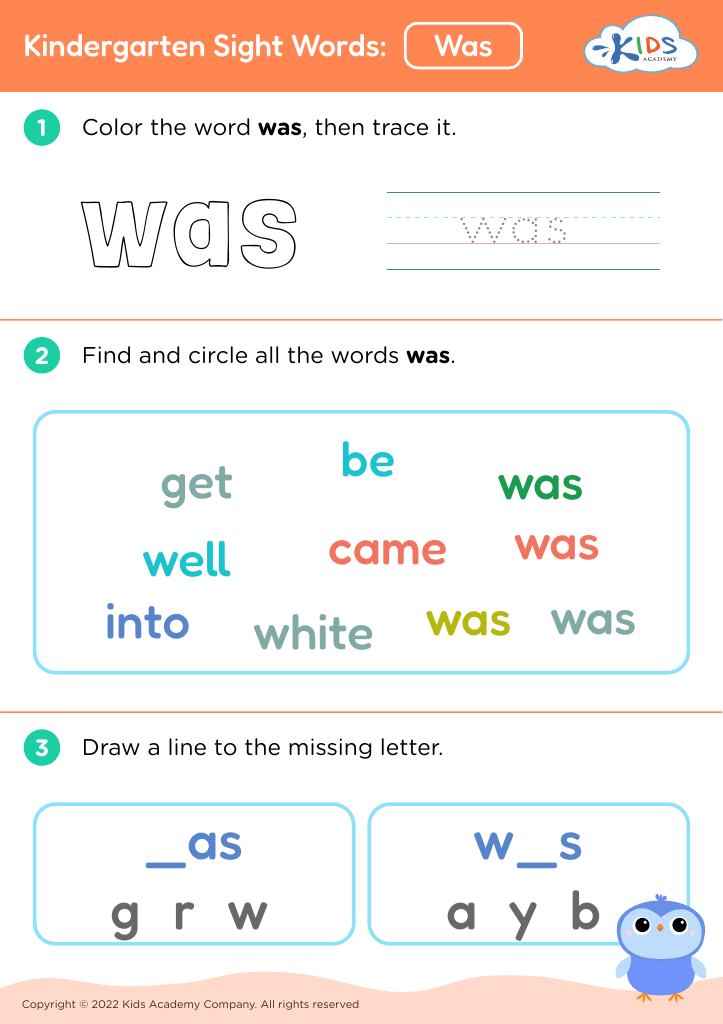







Developing fine motor skills in children aged 4-9 is critical since these skills are foundational for many daily activities and future academic success. Fine motor skills involve the coordination of small muscles in movements—typically those of the hands and fingers—usually in coordination with the eyes, essential for grasping objects, writing, buttoning clothes, and using utensils.
Firstly, children with well-developed fine motor skills are more adept in self-care. Tasks like dressing, feeding themselves, and personal hygiene require precision and dexterity, promoting independence and confidence.
Academically, fine motor skills directly impact a child's ability to engage with classroom activities. Writing legibly, cutting with scissors, and using a keyboard or touchscreen all hinge on fine motor proficiency. Early challenges in these areas can set a child back academically and socially, making it harder to catch up as tasks become more complex.
Additionally, enhancing fine motor skills promotes cognitive development. Children often learn through play, and activities like building with blocks or puzzles enhance their understanding of spatial concepts, problem-solving, and following instructions. Socially, games and group activities that require fine motor coordination can foster teamwork and cooperation, important life skills.
Parents and teachers should focus on fostering these skills to ensure children's comprehensive developmental growth, laying a robust foundation for future learning and daily tasks.








