Enhances counting skills Worksheets for Ages 4-9
10 filtered results
-
From - To
Discover engaging Enhances Counting Skills Worksheets designed for children aged 4-9. Our expertly crafted educational resources make learning to count fun and interactive, fostering strong numerical foundations from an early age. Perfect for teachers and parents, these worksheets include colorful visuals, exciting exercises, and age-appropriate challenges that keep young learners captivated. Tailored to support progressive skill development, each worksheet helps kids practice counting, recognize numbers, and improve their math confidence. Whether you're homeschooling or supplementing classroom learning, our worksheets offer the perfect blend of entertainment and education for growing minds. Download now and watch your child’s counting skills soar!
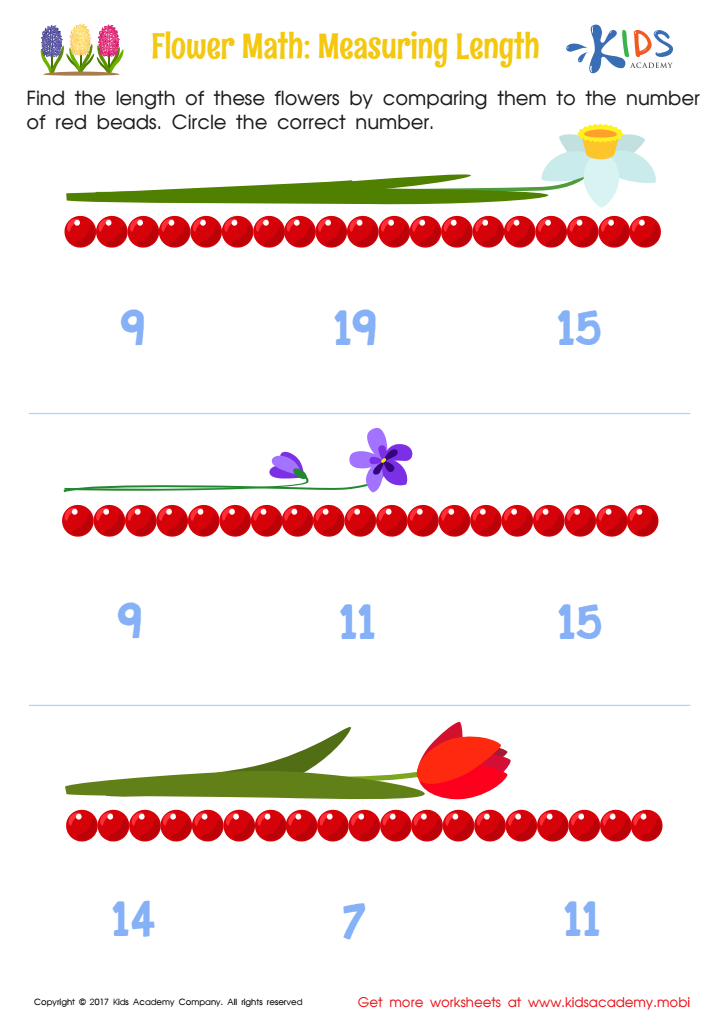
Flower Math: Measuring Height Worksheet
 Assign to My Students
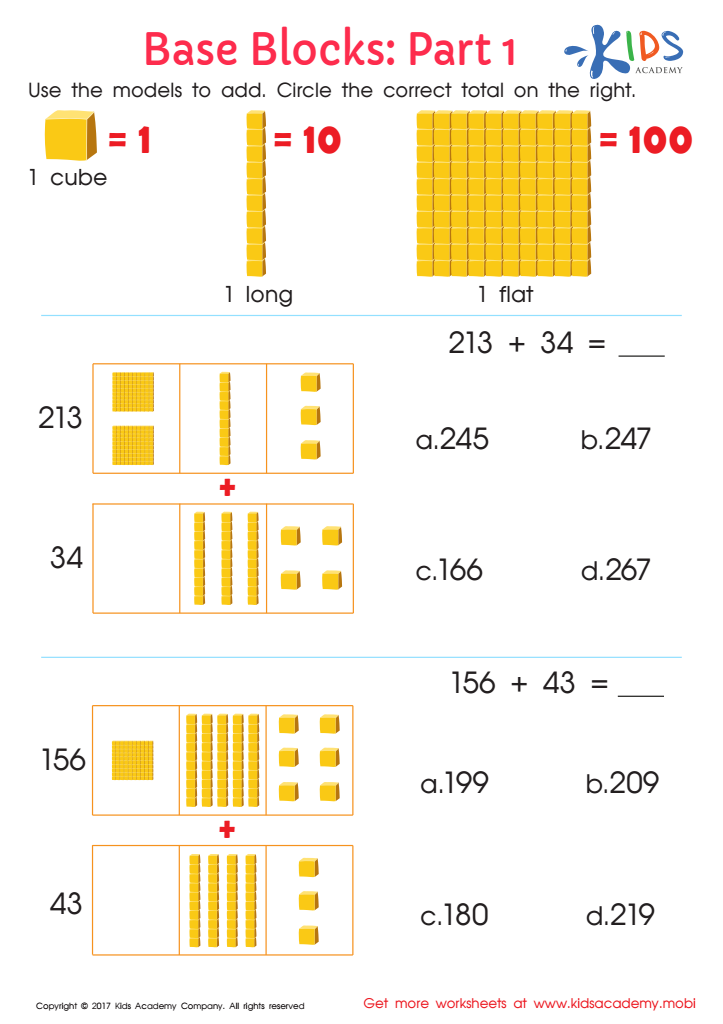
Base Ten Blocks Worksheet: Part 1
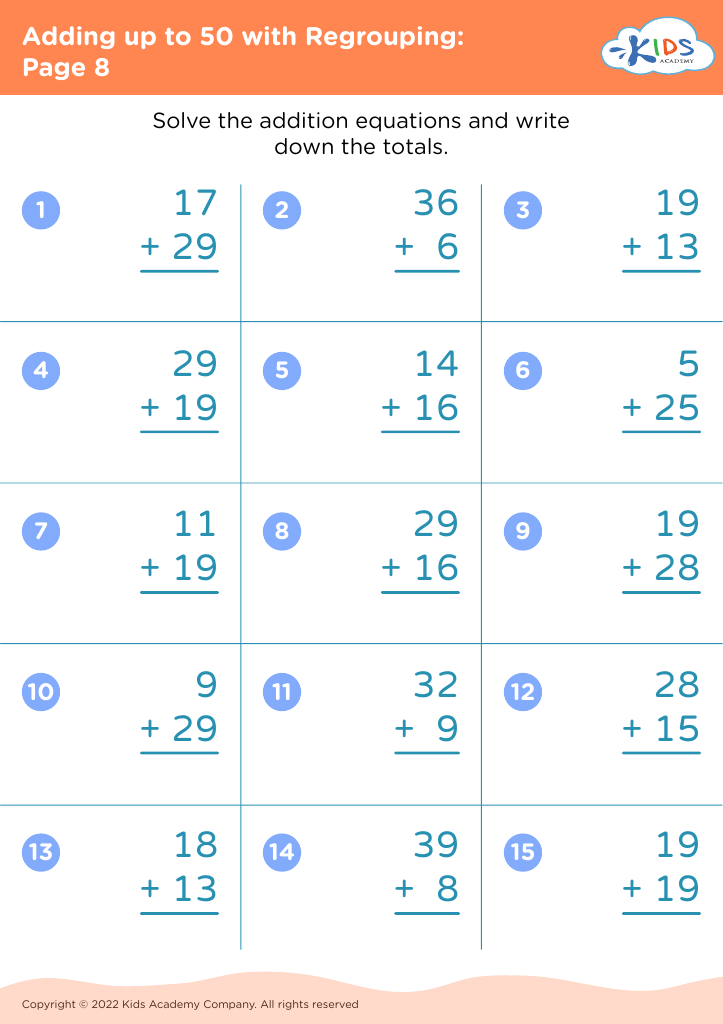
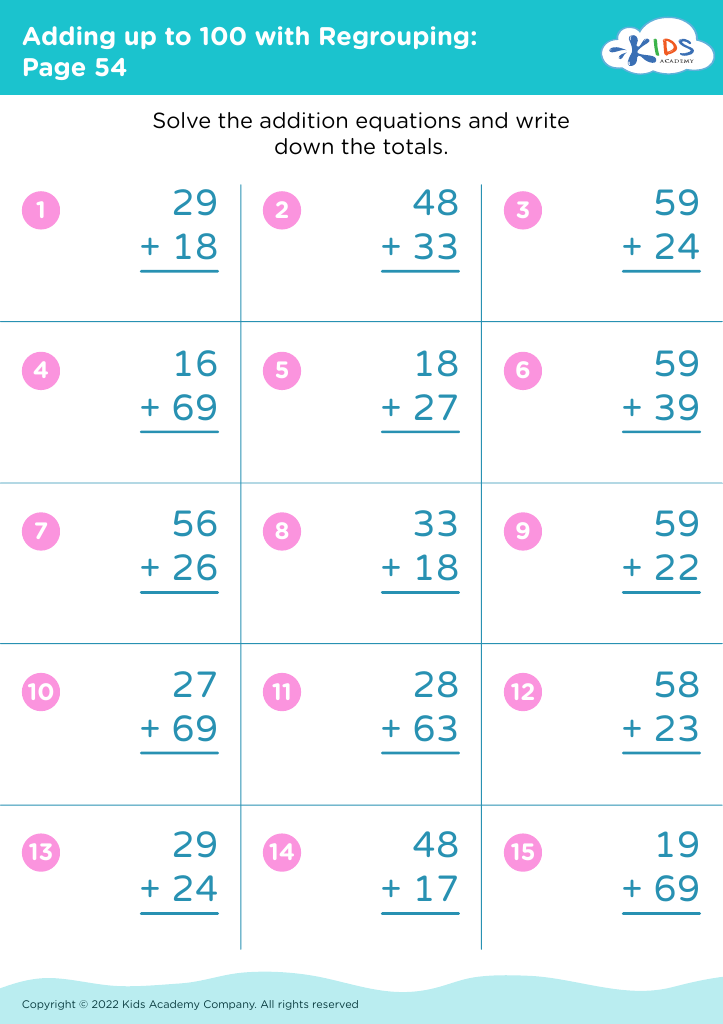
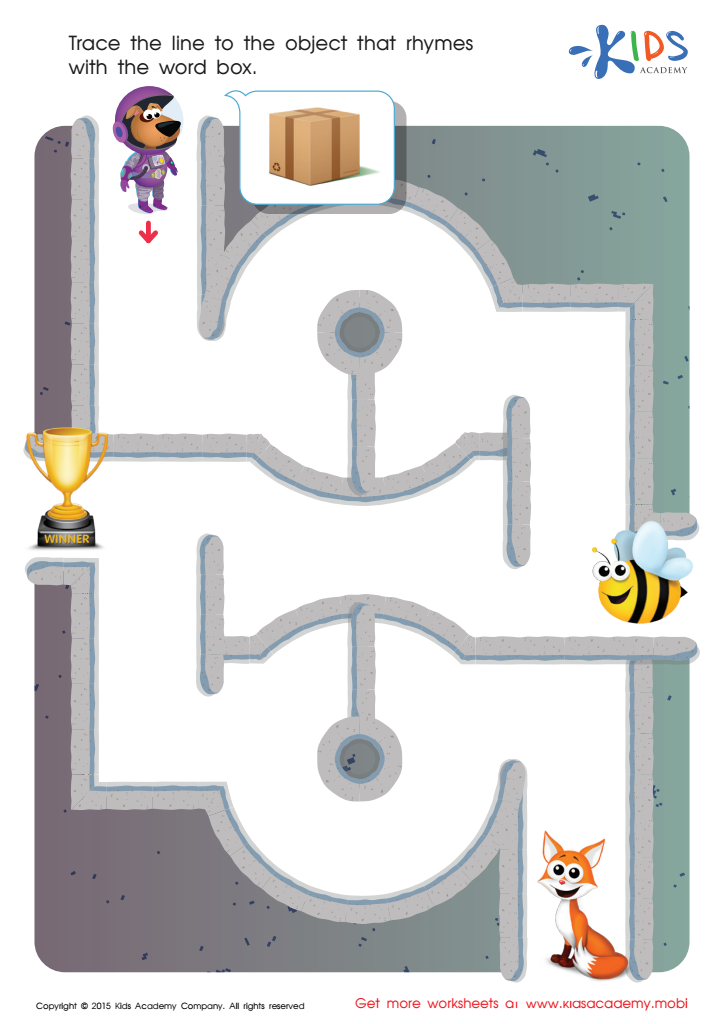
Box Rhyming Words Worksheet
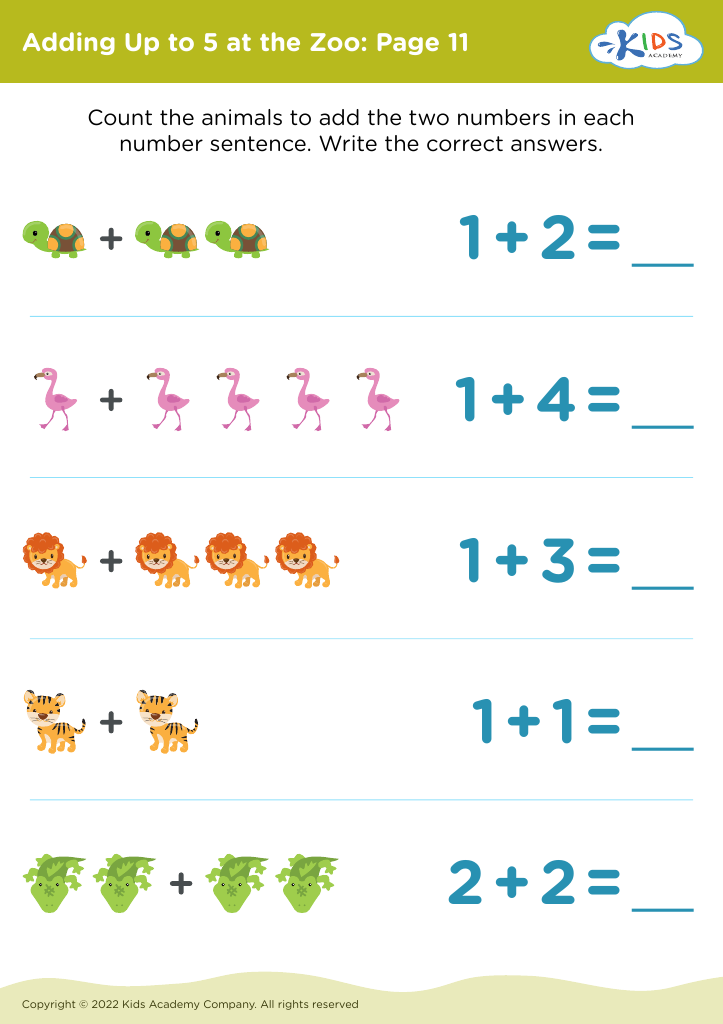
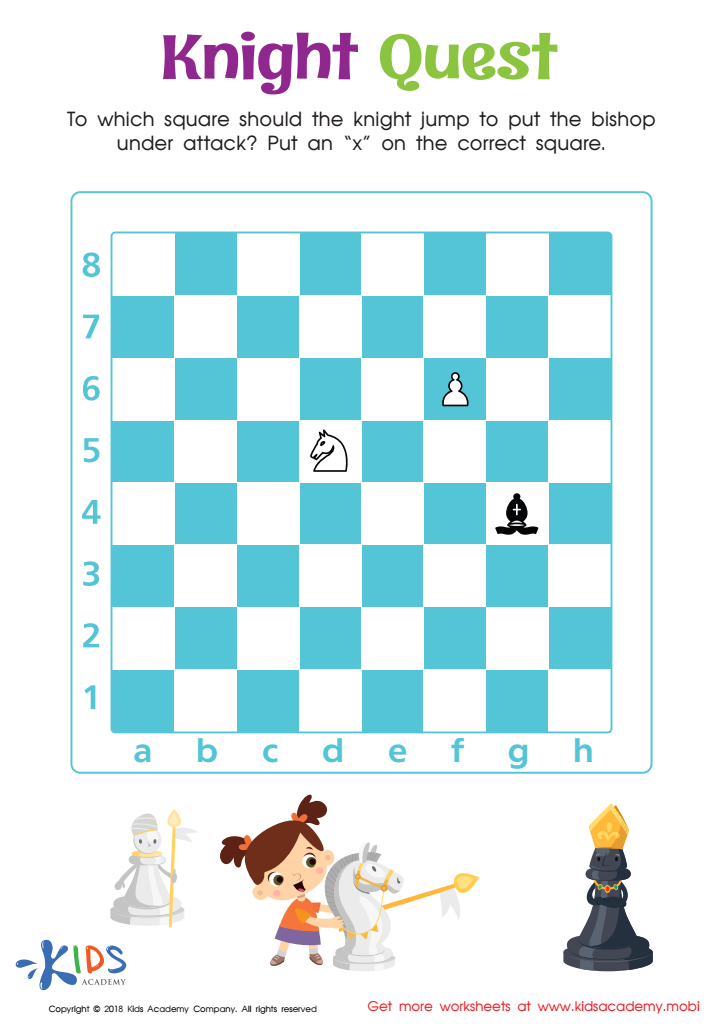
Knight Quest Worksheet
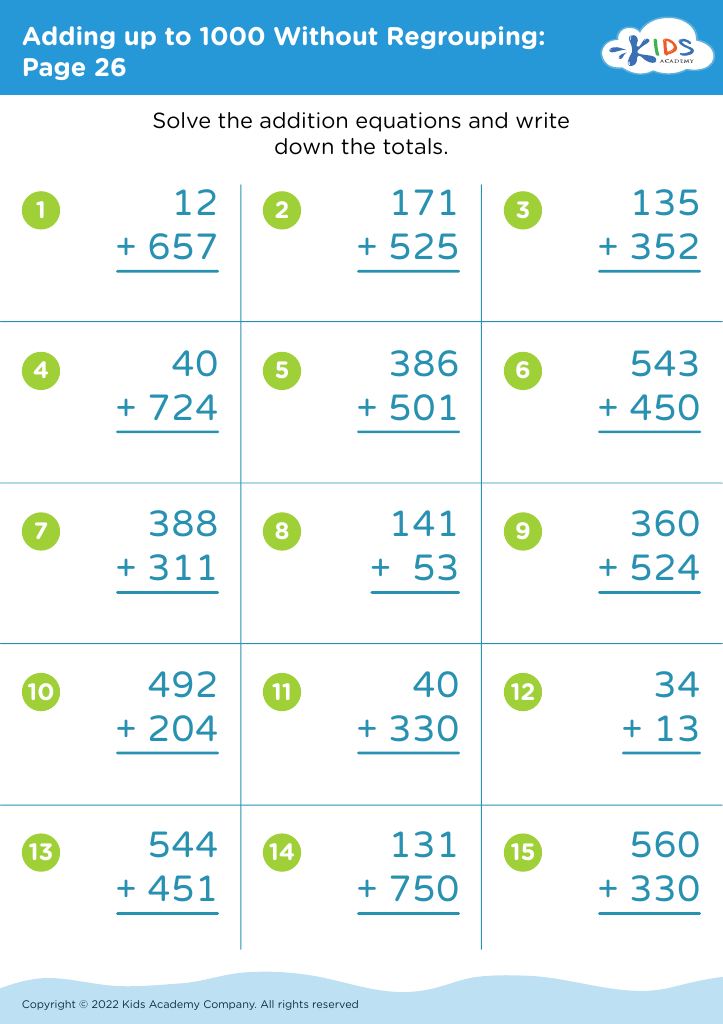
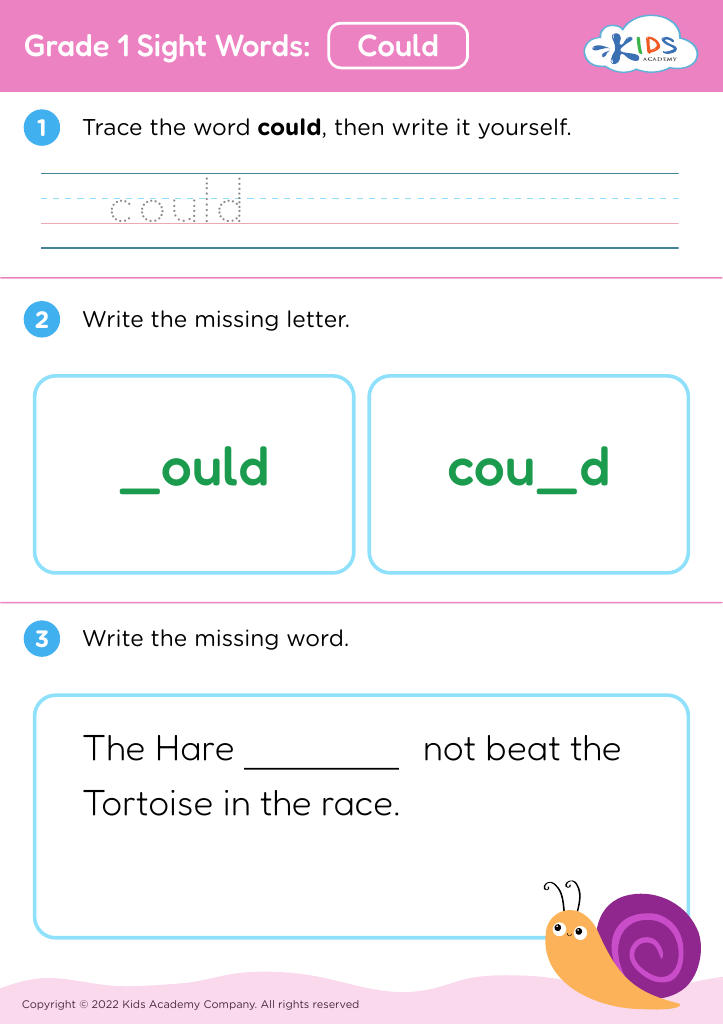








Enhancing counting skills in children aged 4-9 is critically important for several reasons. First, counting forms the fundamental basis for all mathematical understanding. When a child can count with confidence, they are more likely to grasp more complex mathematical concepts, such as addition, subtraction, multiplication, and division in later years. Moreover, counting skills enhance problem-solving abilities, as children frequently encounter situations where they need to quantify and compare objects or assess quantities.
In this age group, counting also promotes cognitive development by improving memory, attention, and logical thinking. Early mastery of counting can foster positive attitudes towards mathematics, reducing math anxiety and building confidence that will serve children throughout their academic journey. Socially, counting games and activities can involve group interaction, thus building team-working skills and communication.
Furthermore, practical counting is embedded in everyday tasks like preparing food, shopping, or understanding time, thereby becoming an essential life skill. When parents and teachers prioritize counting proficiency, they are supporting well-rounded intellectual growth and ensuring that children develop a solid foundation for future learning not only in mathematics but across all areas of education and daily life. This holistic approach lays the groundwork for both academic success and practical problem-solving in adulthood.








