
Enhancing fine motor skills Worksheets for Ages 4-9
4 filtered results
Difficulty Level
Grade
Age
-
From - To
Subject
Activity
Standards
Enhance your child's fine motor skills with our engaging worksheets designed specifically for ages 4-9. Our interactive activities promote hand-eye coordination, dexterity, and precision, laying a strong foundation for essential skills in writing, drawing, and daily tasks. Featuring a variety of fun exercises, such as tracing, cutting, and coloring, these worksheets make learning enjoyable and effective. Perfect for home or classroom use, our resources not only support skill development but also encourage creativity and focus. Download our printable worksheets today and watch your child thrive as they develop confidence in their fine motor abilities!
Favorites
With answer key
Interactive
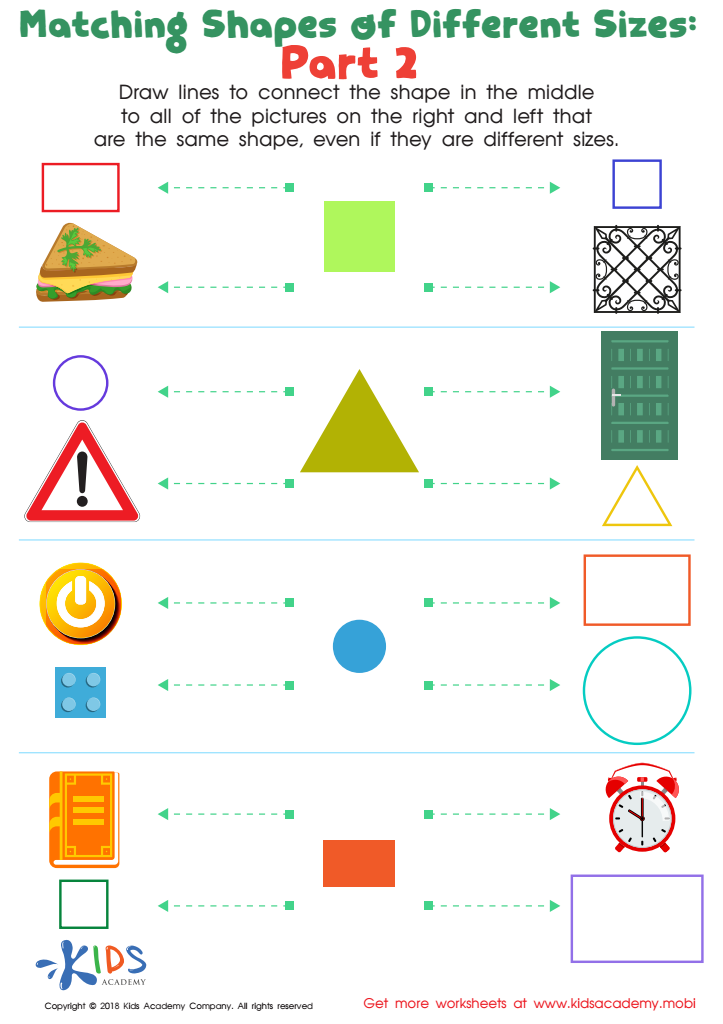
Geometry: Part 2 Worksheet
Third grade geometry gets a challenge with this free worksheet. Kids match shapes to everyday objects like sandwiches, alarm clocks and books for a better understanding of geometry in their lives. Printable pdf is included.
 Assign to My Students
Geometry: Part 2 Worksheet
Worksheet
Join Kids Academy for Free
Who is primarily going to use this learning content?








Enhancing fine motor skills in children aged 4-9 is crucial for their overall development and future success in various areas. These skills involve the coordination of small muscles in the hands and fingers, enabling tasks such as writing, drawing, and using tools. Engaging in activities that promote fine motor skills, such as cutting, coloring, playing with building blocks, or threading beads, helps improve hand-eye coordination, dexterity, and spatial awareness.
For parents and teachers, fostering these skills is essential because they directly influence academic performance, self-esteem, and independence. When children can perform tasks like writing their names or tying their shoes, they gain confidence in their abilities, which can motivate them to tackle more challenging tasks. Additionally, strong fine motor skills often correlate with improved cognitive functions and social interactions, as children learn to navigate collaborative play scenarios.
Investing time in activities that enhance fine motor skills also encourages patience and focus in children, instilling early life skills that are beneficial in both educational settings and everyday activities. Overall, supporting the development of fine motor skills is a proactive way to set children up for future success, both academically and personally.








