
Fine motor skills (drawing lines) Worksheets for Ages 4-9
7 filtered results
Difficulty Level
Grade
Age
-
From - To
Subject
Activity
Standards
Explore our engaging Fine Motor Skills (Drawing Lines) worksheets designed for children aged 4-9! These carefully crafted activities help young learners develop essential fine motor skills through fun and interactive exercises. By tracing various lines and shapes, children enhance their hand-eye coordination, precision, and control, laying the foundation for successful writing and drawing. Our printable worksheets cater to different skill levels, ensuring every child can progress at their own pace. Perfect for home or classroom use, these resources combine education with creativity, making learning enjoyable. Download now to inspire your child's artistic abilities and confidence in their motor skills!
Favorites
With answer key
Interactive
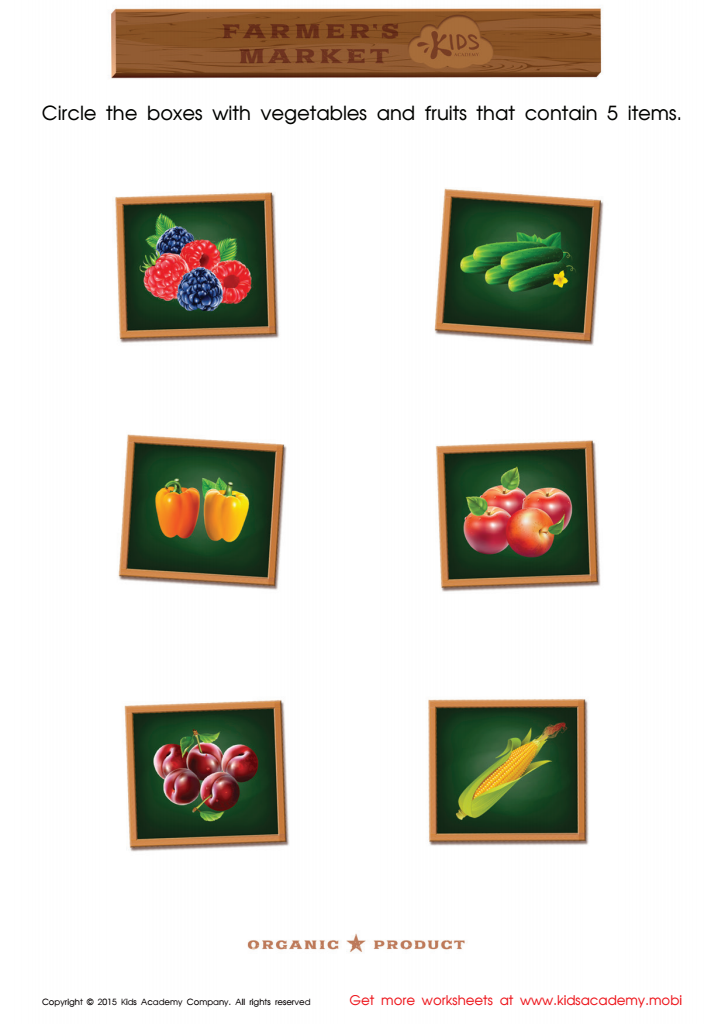
Count and Match Vegetables 1 – 7 Math Worksheet
Print this bright math worksheet from Kids Academy and give your child a fun way to enhance their counting skills. Based on Singapore Math, the colourful pictures make it easy for children to comprehend math. Get additional free worksheets here!
 Assign to My Students
Count and Match Vegetables 1 – 7 Math Worksheet
Worksheet
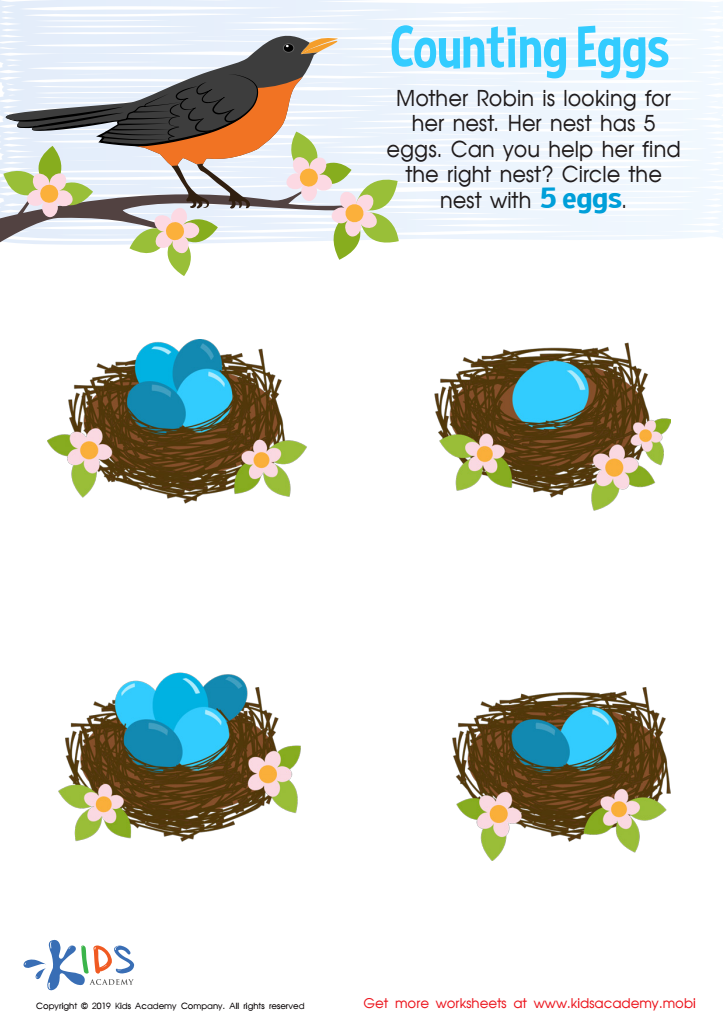
Counting Eggs Worksheet
Help the Mother bird find her nest! Show your kids this printout, have them point at the bird and the nests. Ask them to count the eggs in each nest carefully. Finally, help her by circling the one with 5 eggs.
Counting Eggs Worksheet
Worksheet
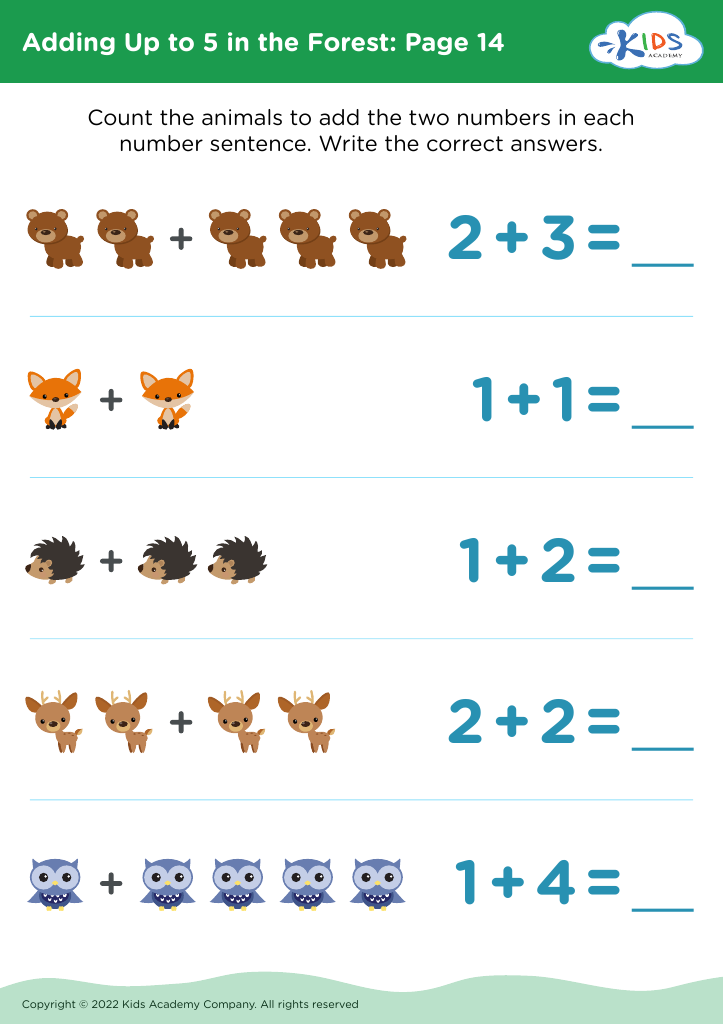
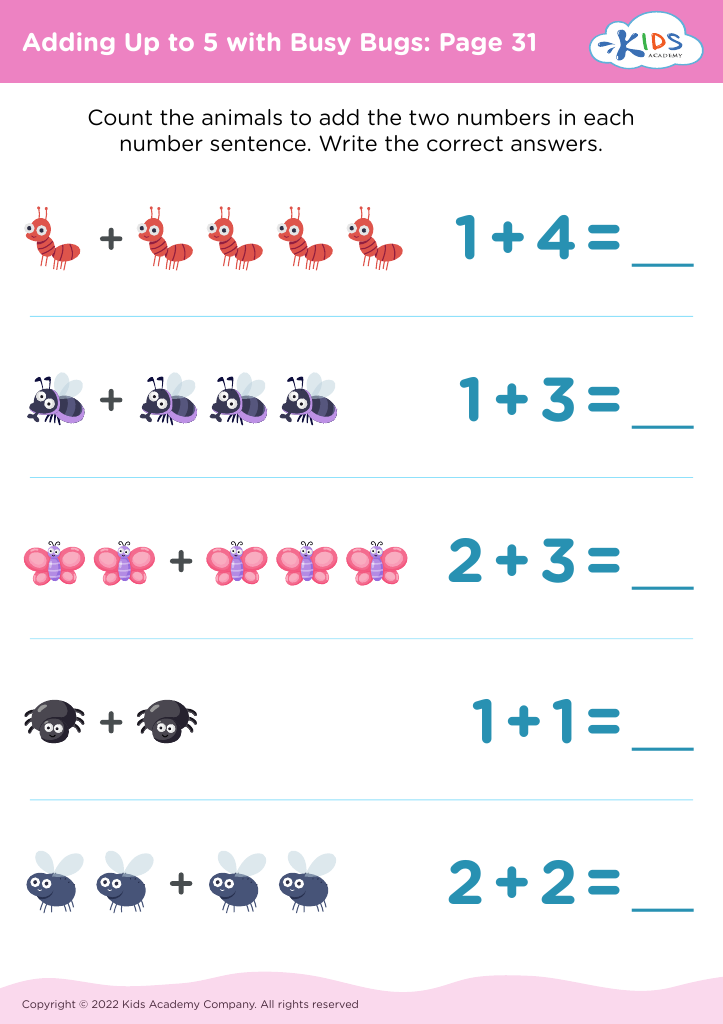
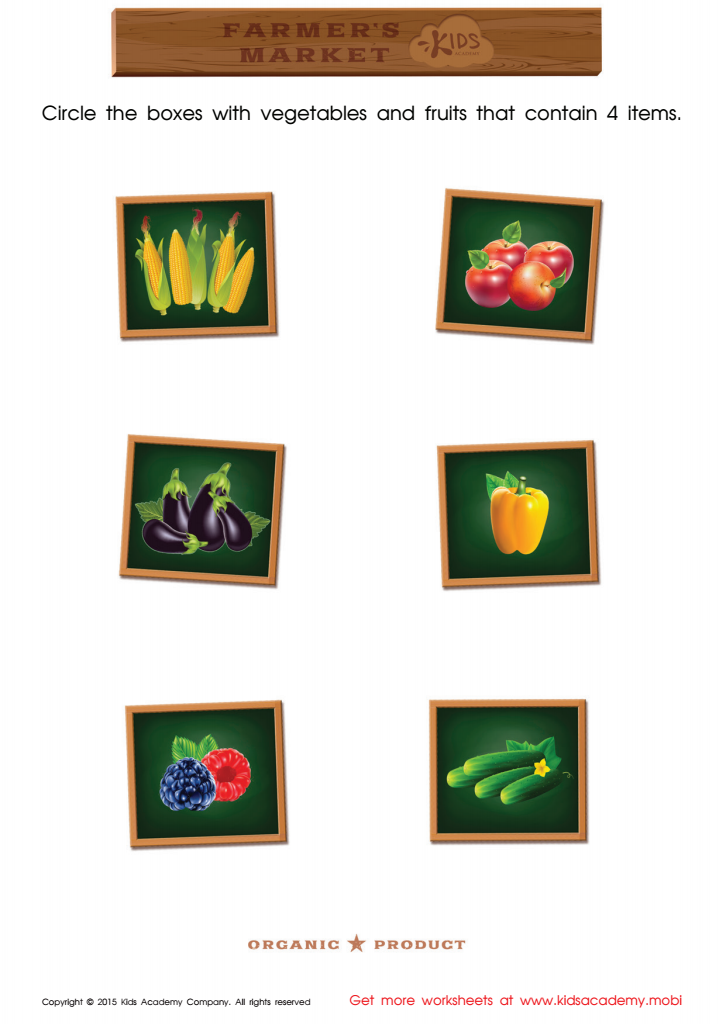
Count and Match Vegetables 2 – 8 Math Worksheet
Download this fun, colorful math worksheet from Kids Academy and help your kid improve their counting skills. Match the boxes to the same number of vegetables, using the pictures to visualize the problem. Get more free printables from Kids Academy by topic.
Count and Match Vegetables 2 – 8 Math Worksheet
Worksheet
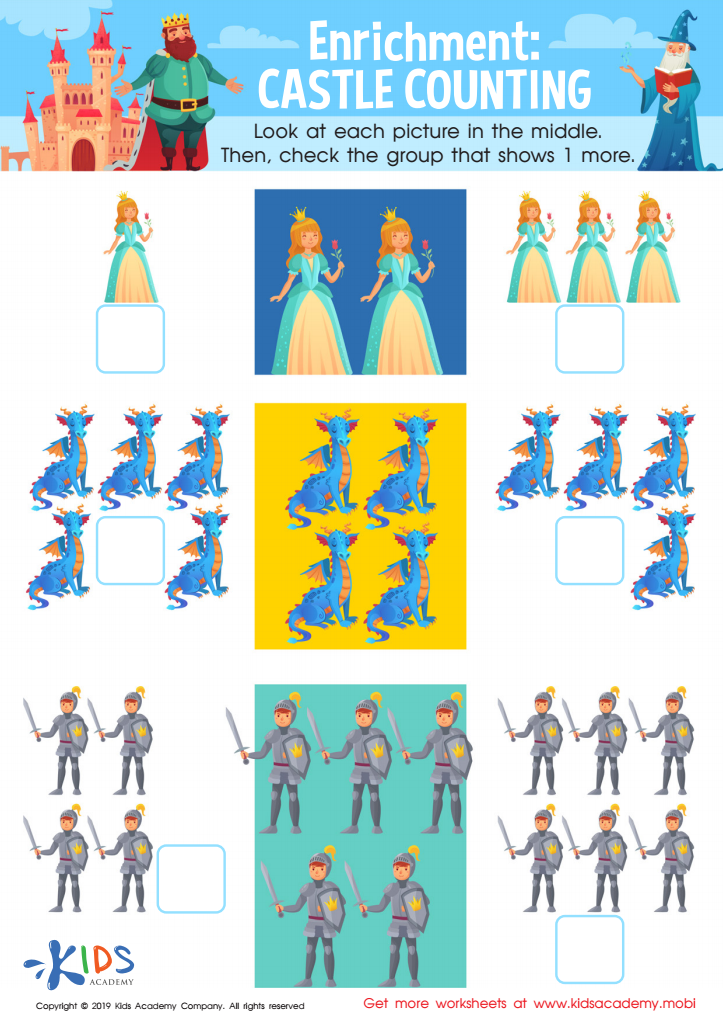
Enrichment: Castle Counting Worksheet
Help your kids learn to count. Start with easy counting of numbers as high as possible. Use the pictures in this printout. Point to the middle one, help them identify it and then count one more than it. Do this to help them get ready for more difficult math concepts like addition, subtraction and multiplication.
Enrichment: Castle Counting Worksheet
Worksheet
Join Kids Academy for Free
Who is primarily going to use this learning content?






Fine motor skills are crucial for children aged 4-9 as they significantly impact their cognitive, social, and physical development. Developing abilities such as drawing lines is foundational for various other skills, including handwriting, grasping objects, and self-care tasks like buttoning clothing. When children engage in activities that strengthen these skills, they enhance their hand-eye coordination, dexterity, and spatial awareness.
Moreover, fine motor skill development is closely tied to cognitive milestones. For example, drawing lines can boost a child’s ability to focus, process visual information, and develop their creativity. Mastering these skills also fosters a sense of accomplishment and boosts self-esteem, crucial at this formative age.
From a social perspective, participating in fine motor activities often involves group interactions where children can learn to share, wait for their turn, and appreciate the work of others. Additionally, parents and teachers can help make learning enjoyable by integrating games and hands-on projects into daily schedules for practice.
In summary, prioritizing the development of fine motor skills, like drawing lines, is vital for children's holistic growth and foundational literacy. Encouraging these skills lays the groundwork for future academic achievements and everyday functioning.








