Fine Motor Skills Worksheets for Ages 4-9 - Page 3
401 filtered results
-
From - To

Superman Maze Worksheet
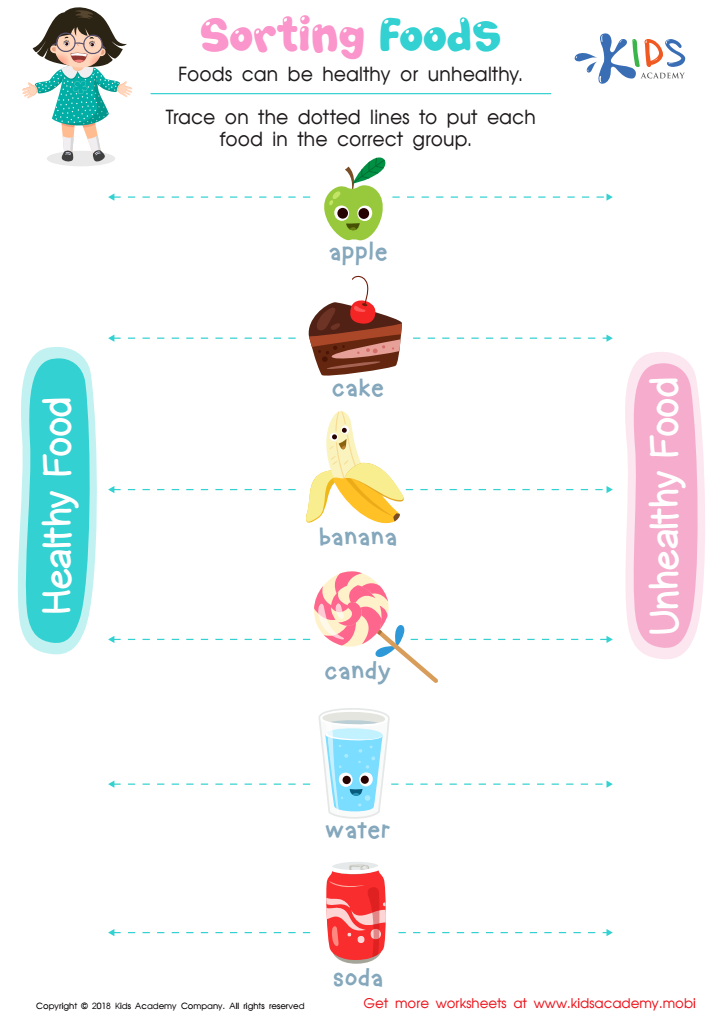
Sorting Food Worksheet
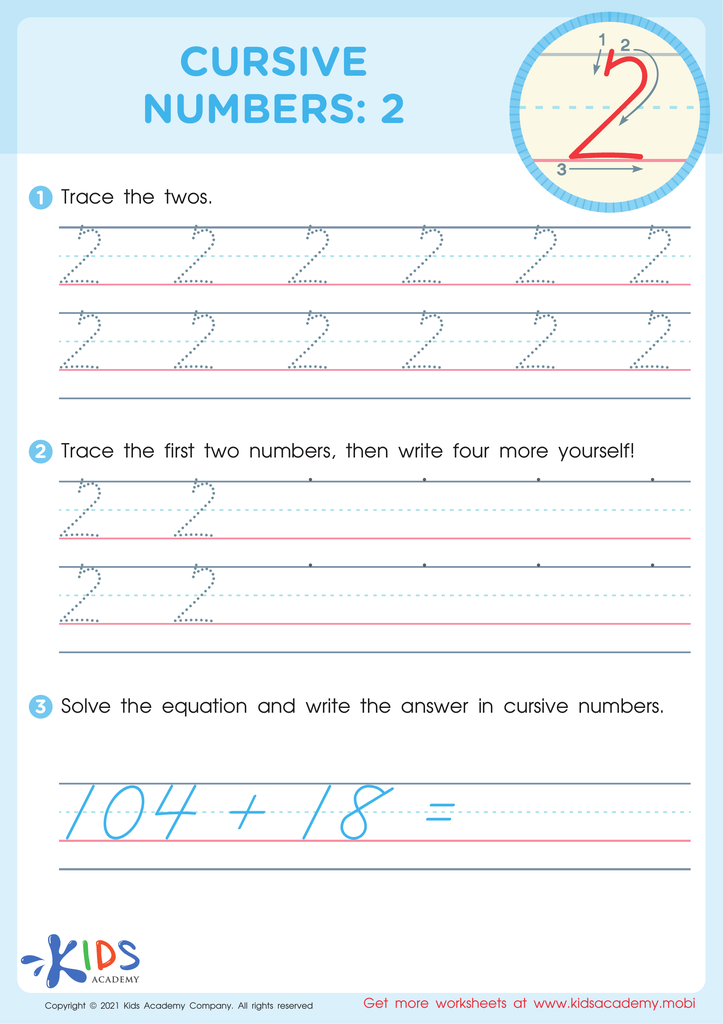
Cursive Numbers: 2 Worksheet
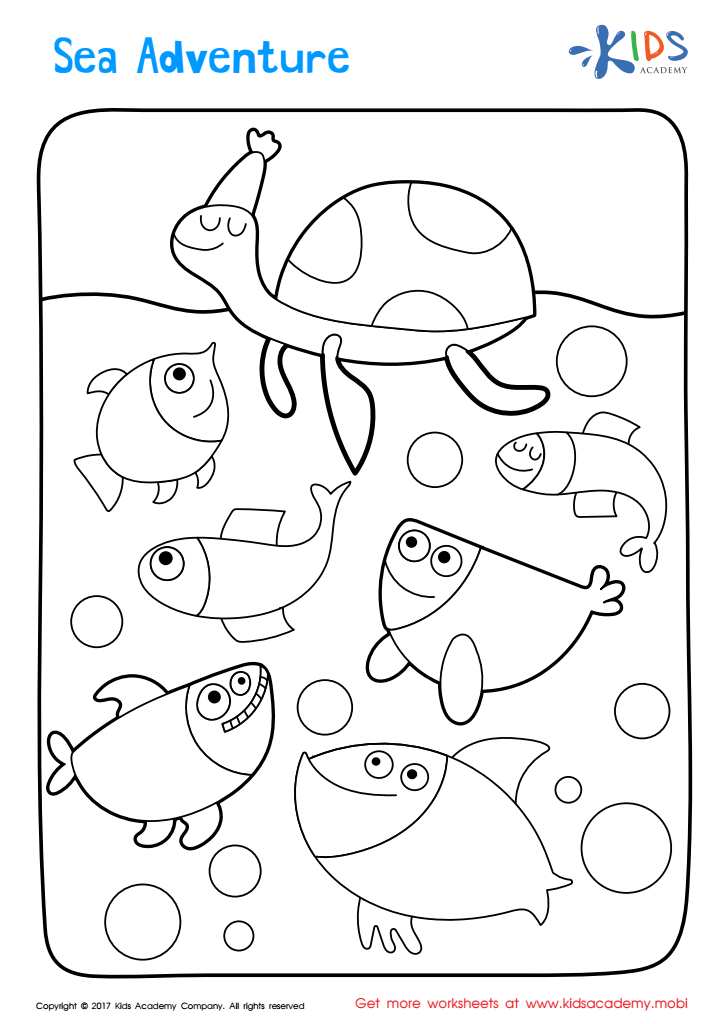
Sea Adventure Coloring Page
 Assign to My Students
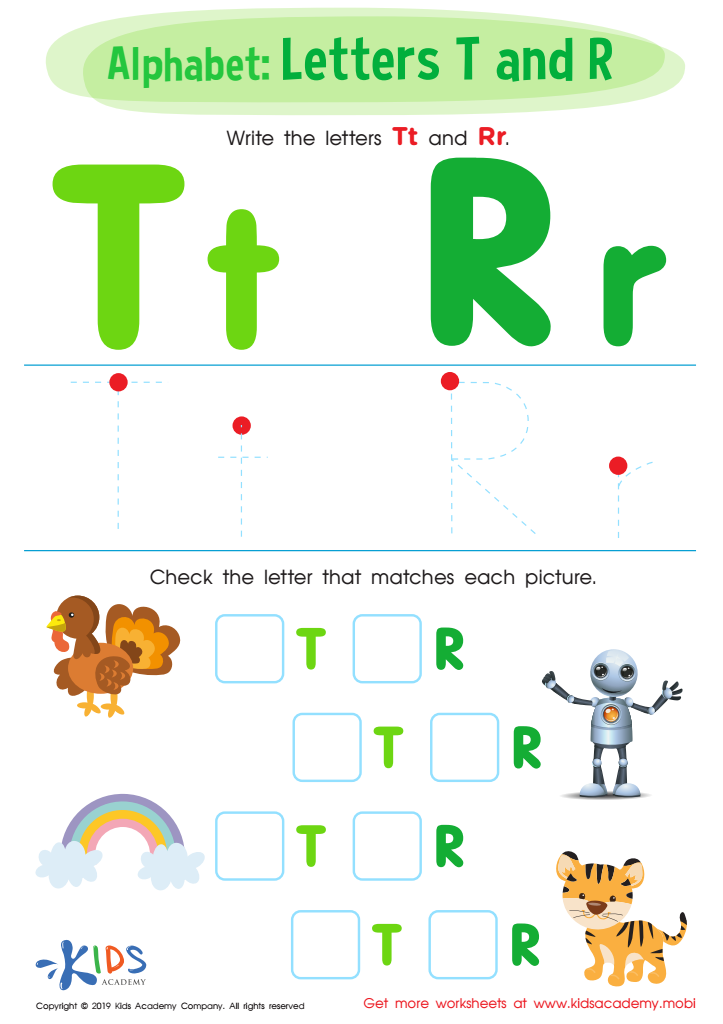
Letters T and R Worksheet
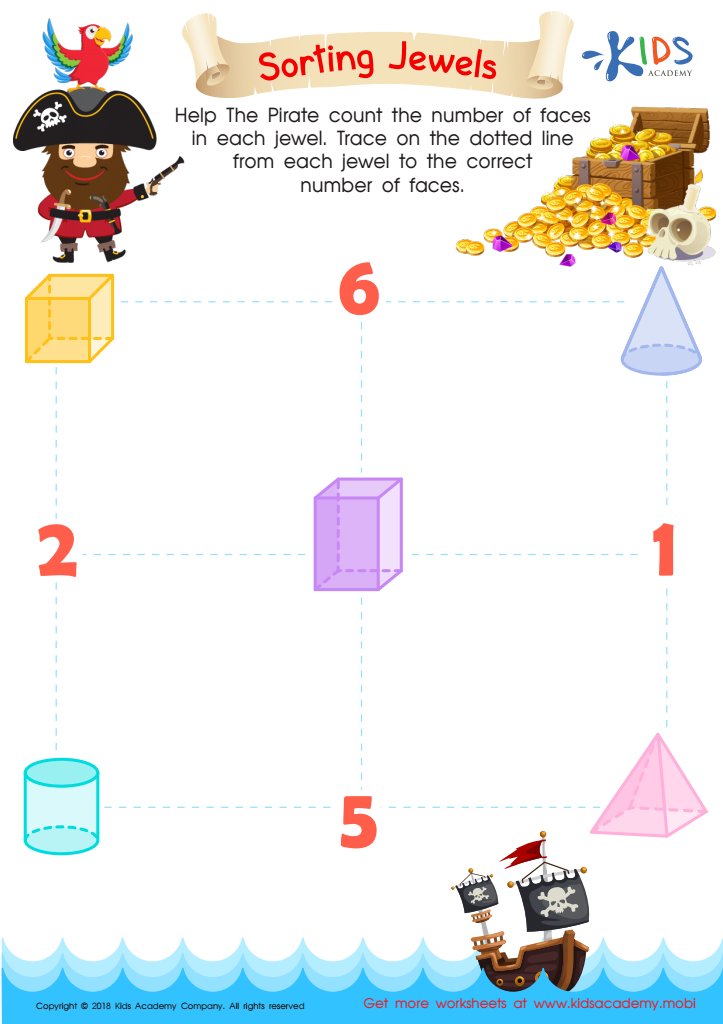
Sorting Jewels Worksheet
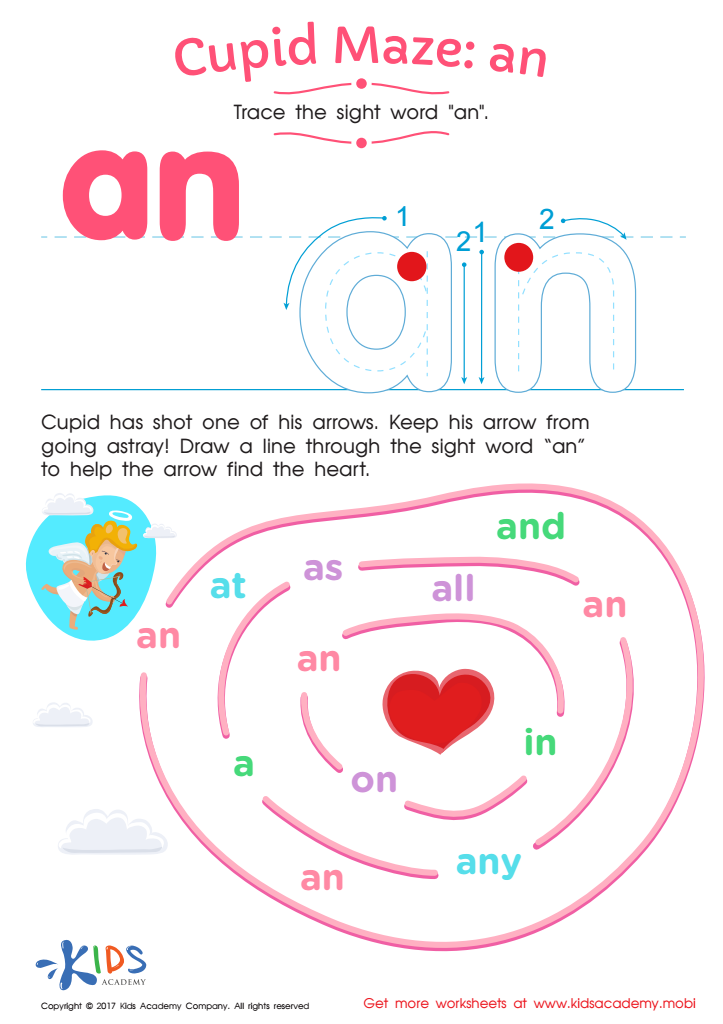
Cupid Maze: An Printable
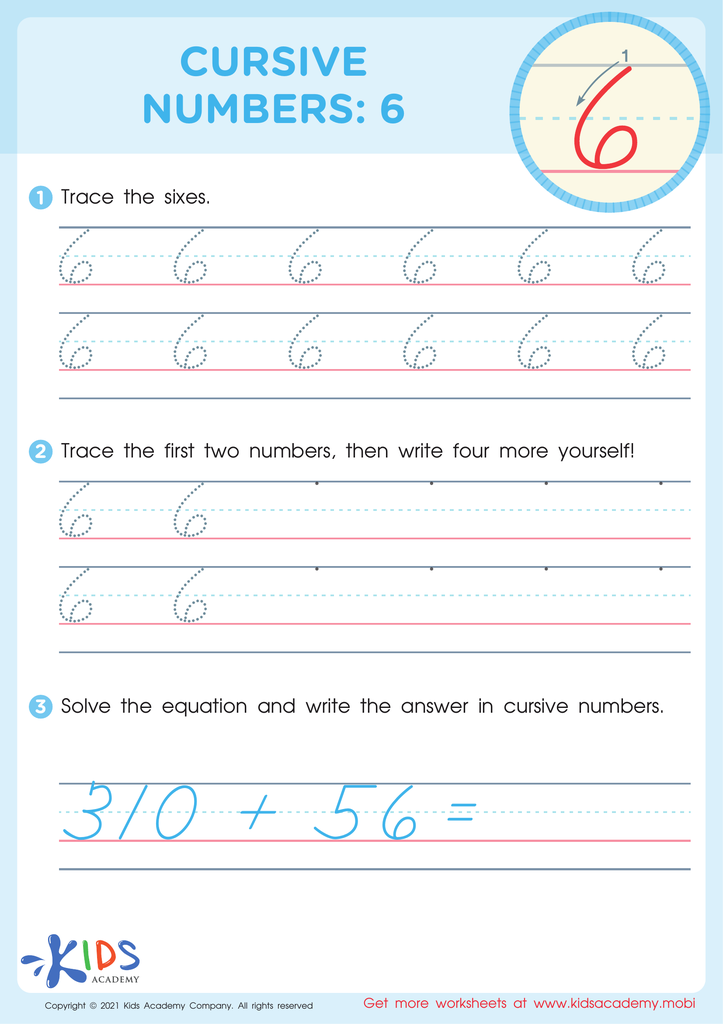
Cursive Numbers: 6 Worksheet
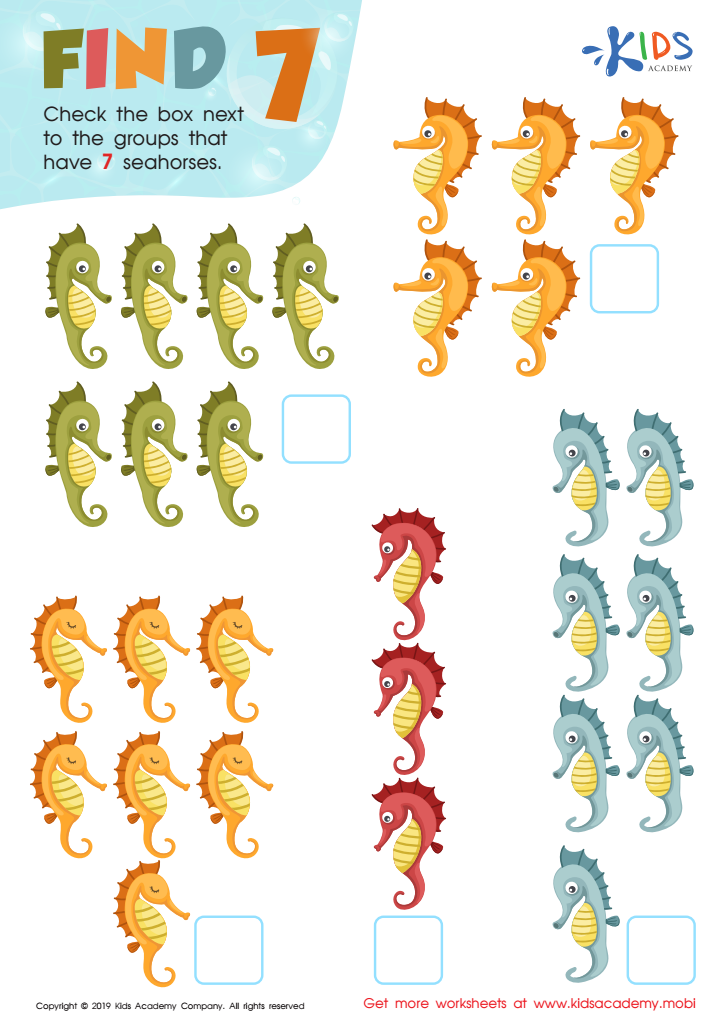
Find 7 Worksheet
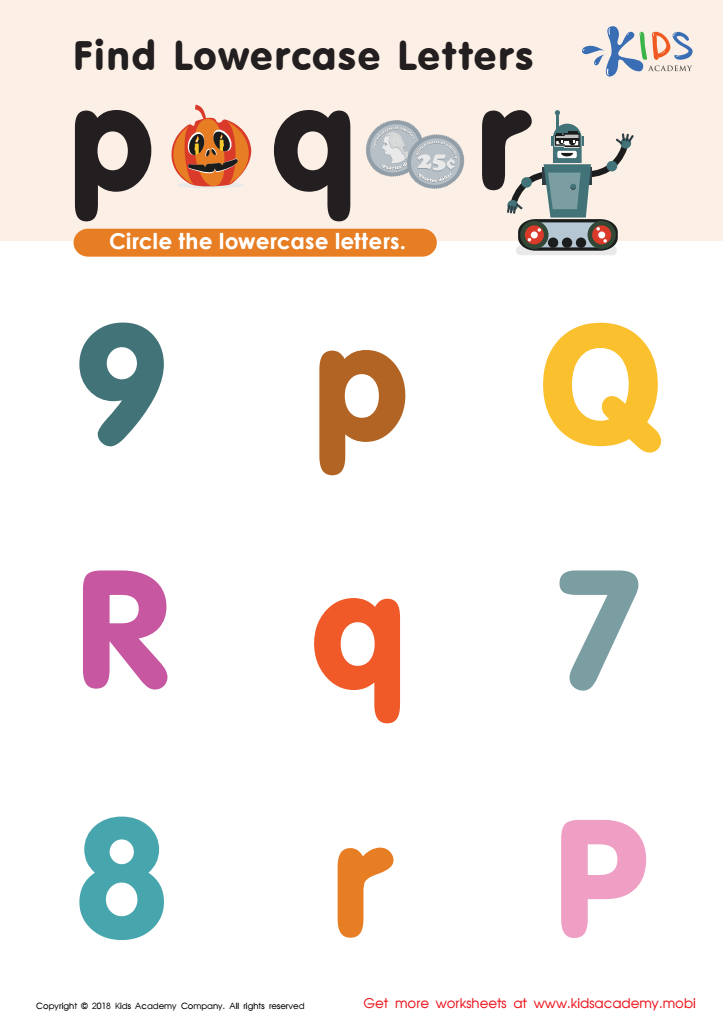
Find lowercase Letters p q r Worksheet
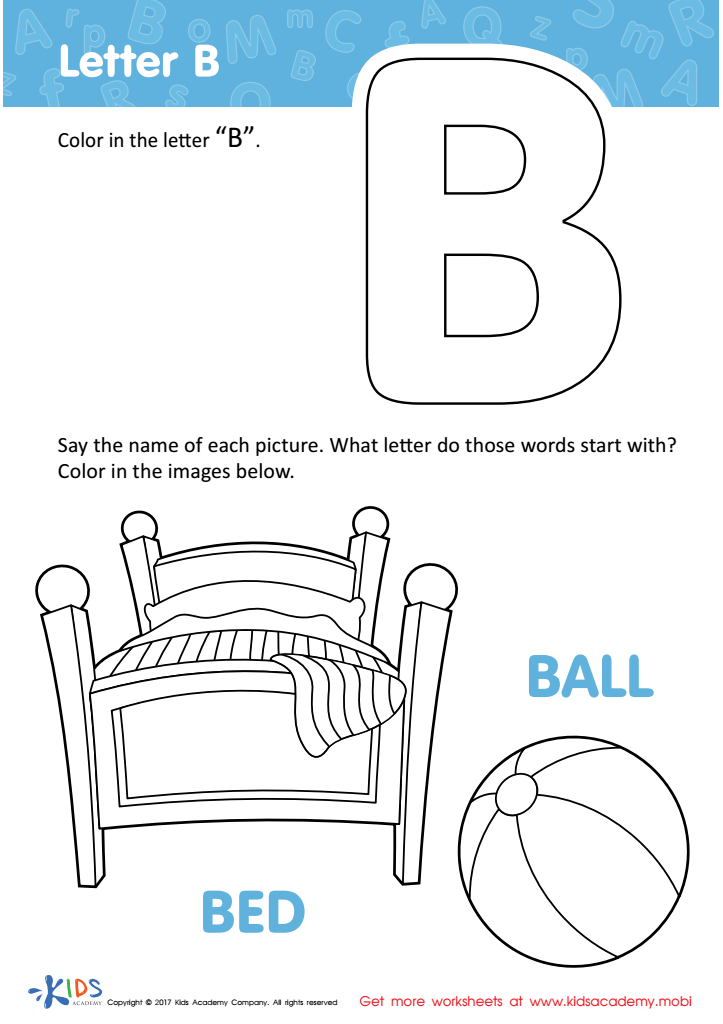
Letter B Coloring Sheet
Assign to My Students
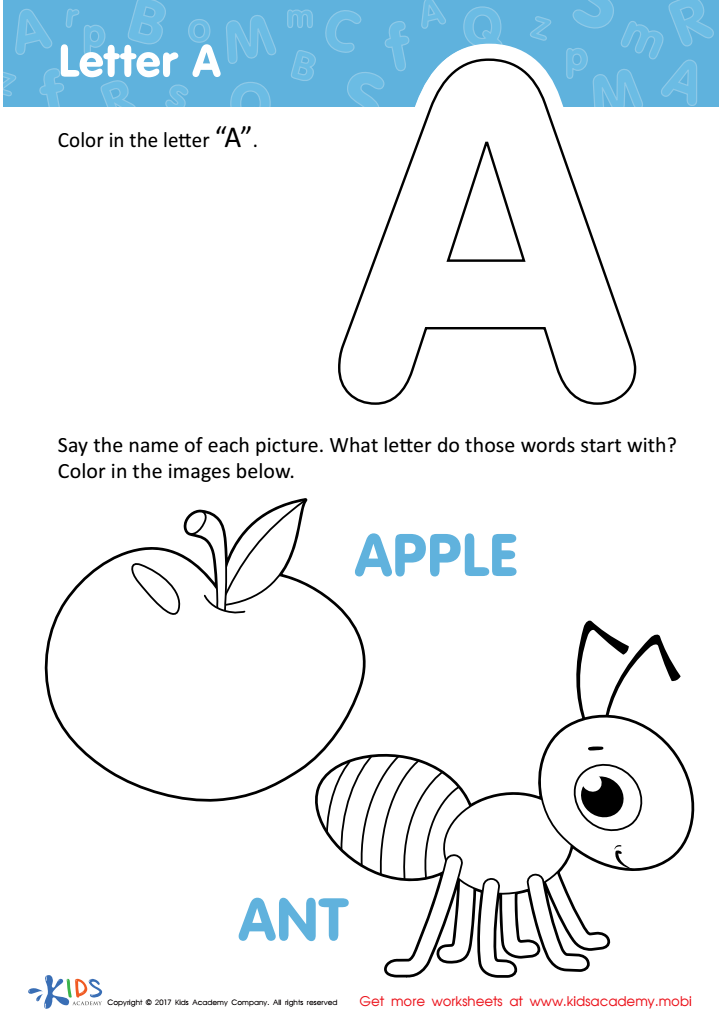
Letter A Coloring Sheet
Assign to My Students
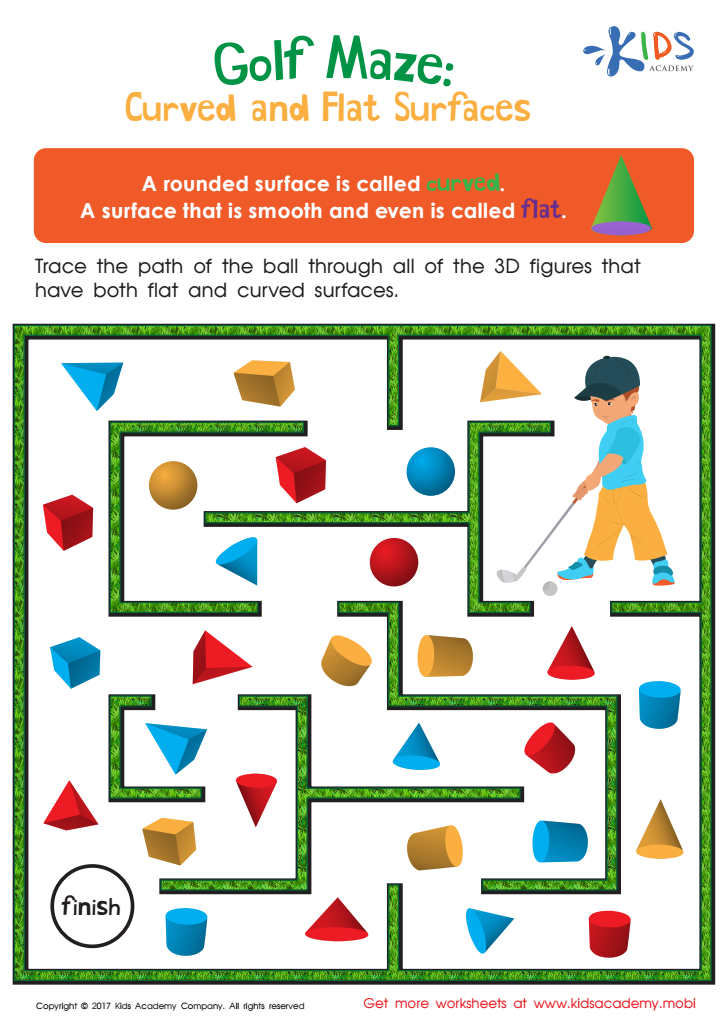
Golf Maze: Curved and Flat Surfaces Worksheet

Sort the Monster's Socks Worksheet
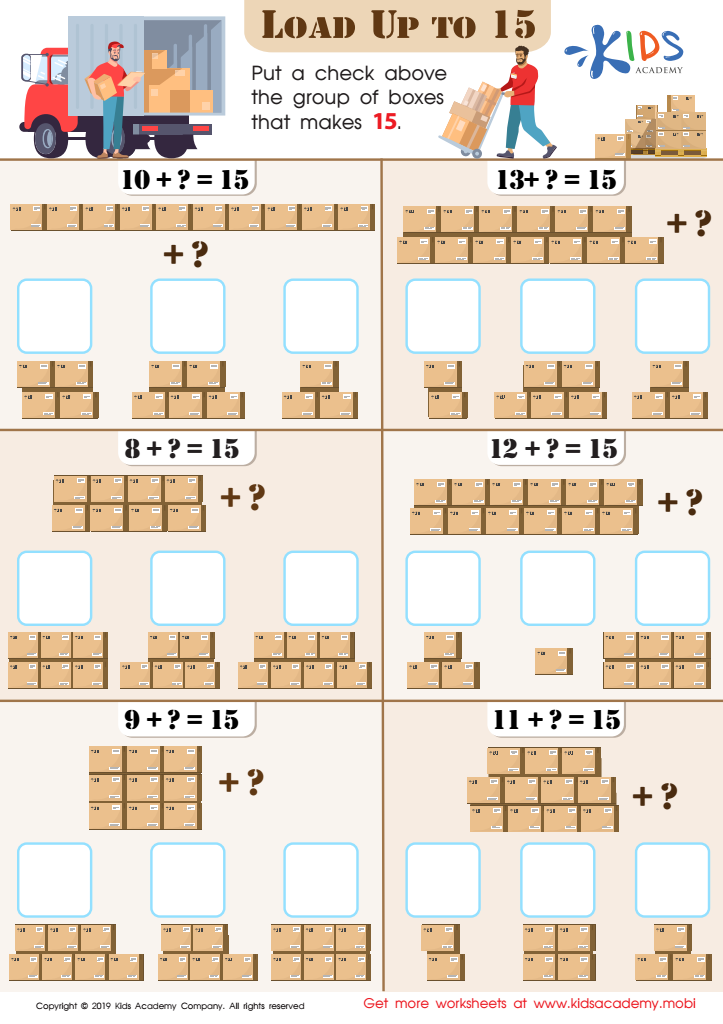
Load up to 15 Worksheet
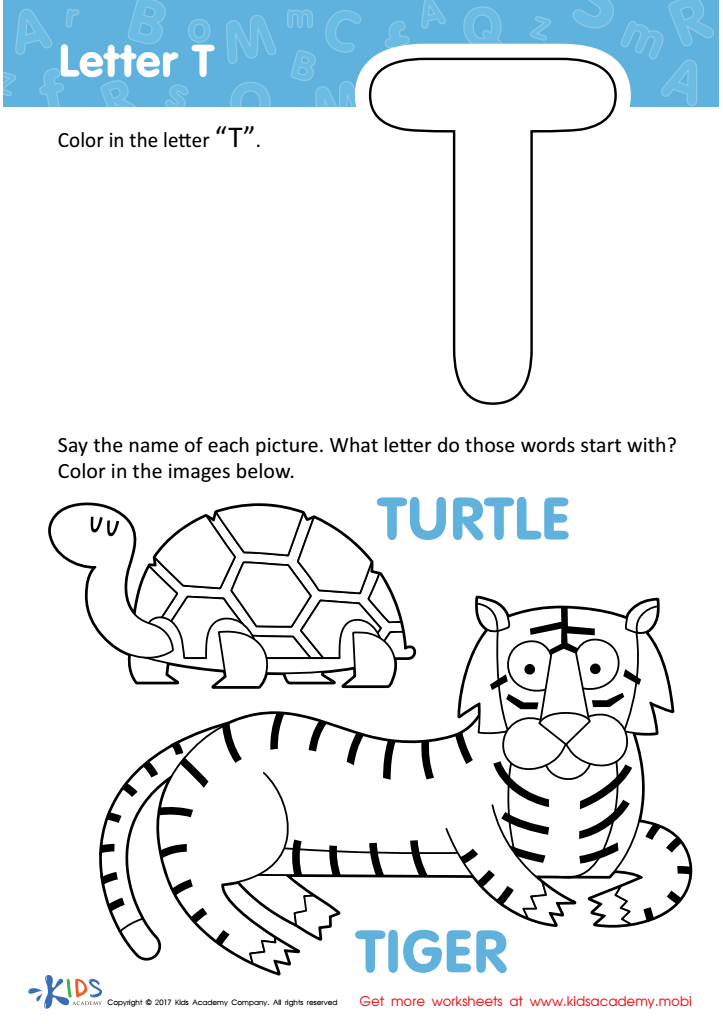
Letter T Coloring Sheet
Assign to My Students








Fine motor skills are crucial for children aged 4-9, as they form the foundation for various essential tasks throughout life. These skills involve the coordination of small muscles in the hands and fingers, enabling children to perform activities like writing, drawing, cutting, and buttoning clothing. Parents and teachers should care about fine motor skills for several reasons.
Firstly, the development of these skills greatly impacts a child's academic performance. Proficient fine motor skills facilitate writing neatly and effectively, which can boost a child’s confidence and willingness to participate in classroom activities.
Secondly, fine motor skills are linked to cognitive development. Engaging in activities that enhance these skills—such as puzzles, arts and crafts, or building blocks—encourages problem-solving and creativity.
Moreover, strong fine motor skills contribute to a child's independence and self-care abilities, fostering a sense of accomplishment.
By prioritizing fine motor skills through interactive play and relevant exercises, parents and teachers can aid in holistic development, setting the stage for future success. Therefore, vigilance in nurturing fine motor skills is vital for emotional, cognitive, and physical growth in children during these formative years.








