Historical Knowledge Worksheets for Ages 4-9 - Page 2
38 filtered results
-
From - To
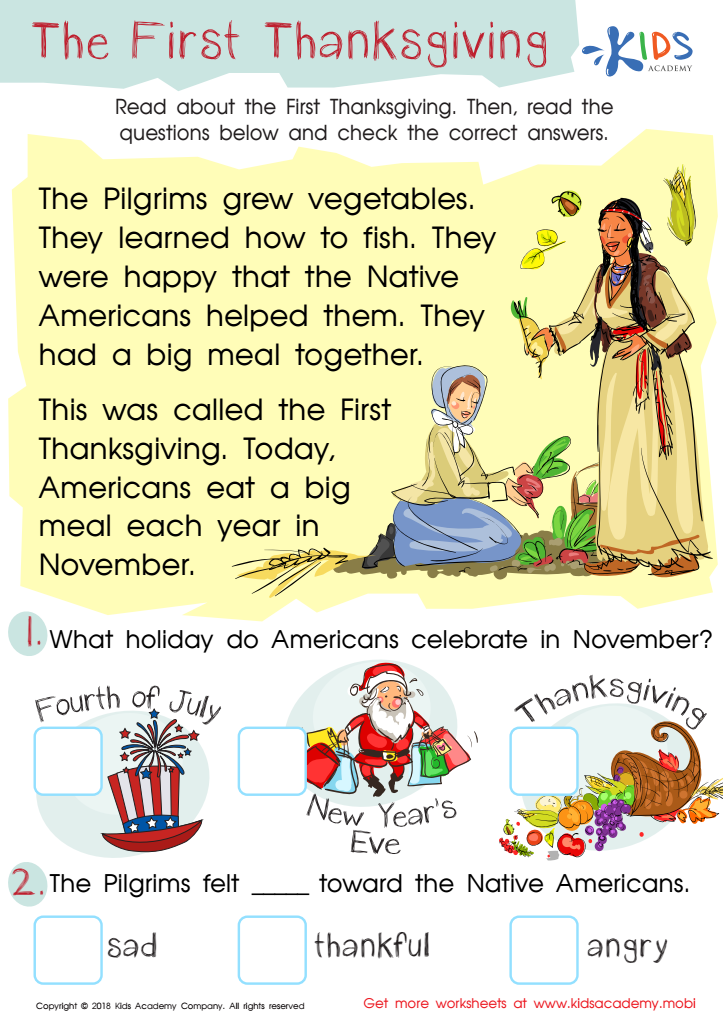
Assessment: First Thanksgiving Worksheet
 Assign to My Students
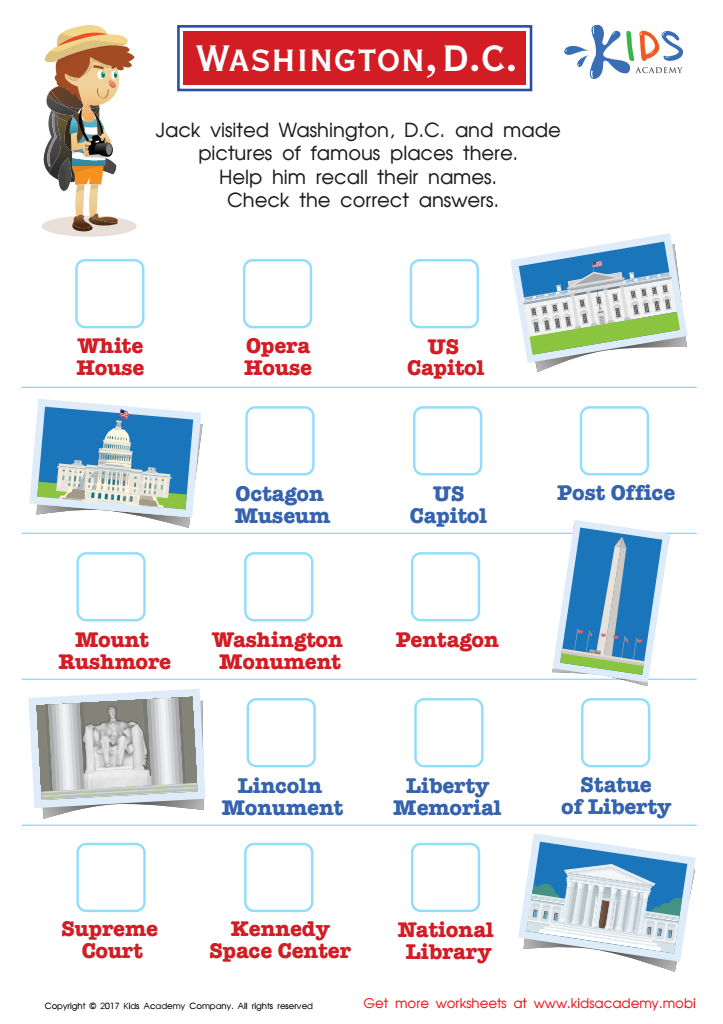
Washington D.C. Printable Worksheet
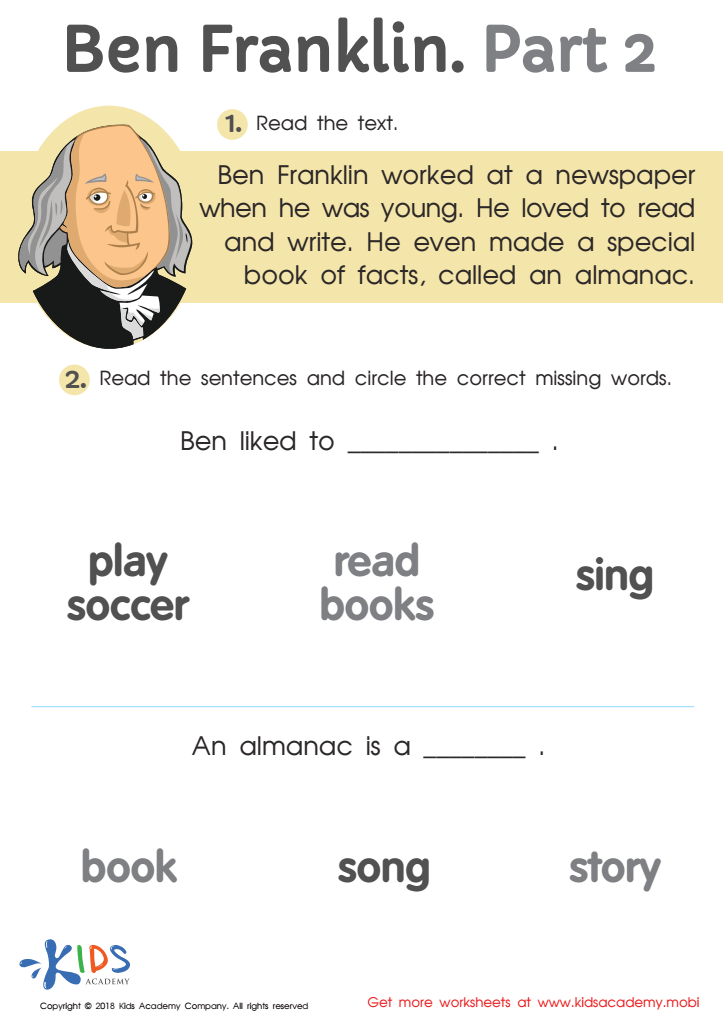
Ben Franklin Part 2 Worksheet
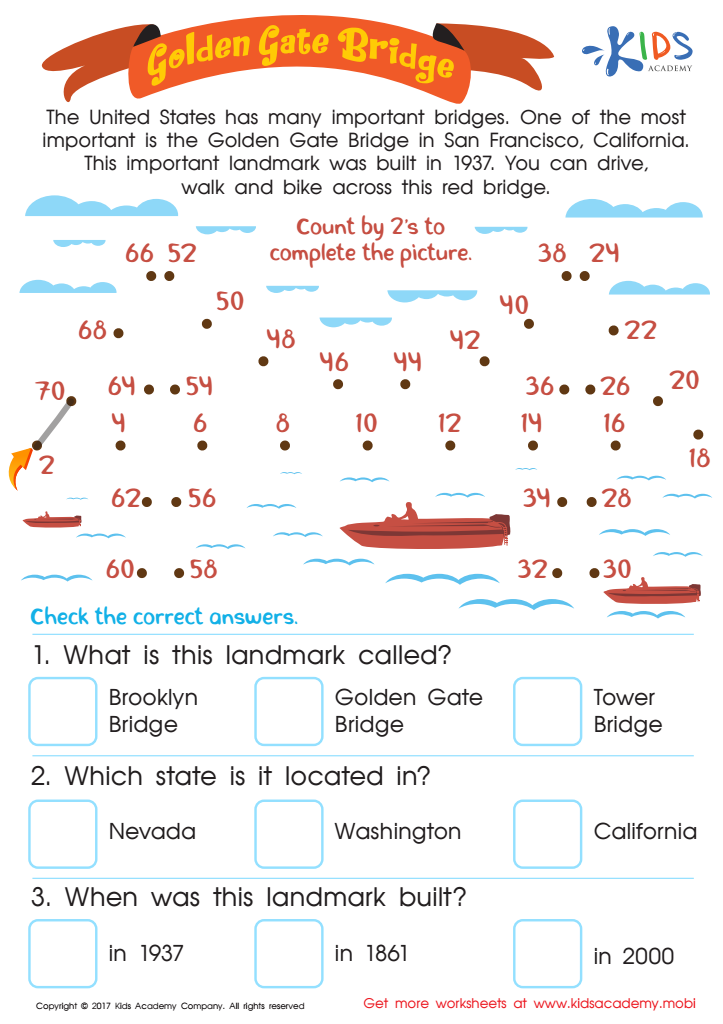
Golden Gate Bridge Worksheet
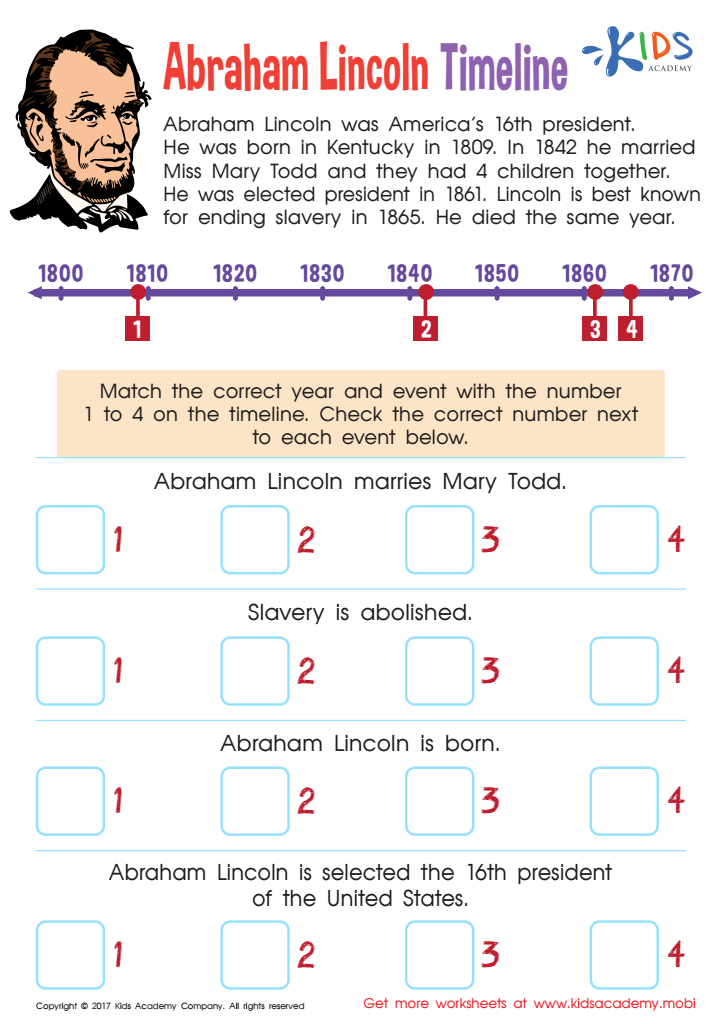
Abraham Lincoln Timeline Worksheet
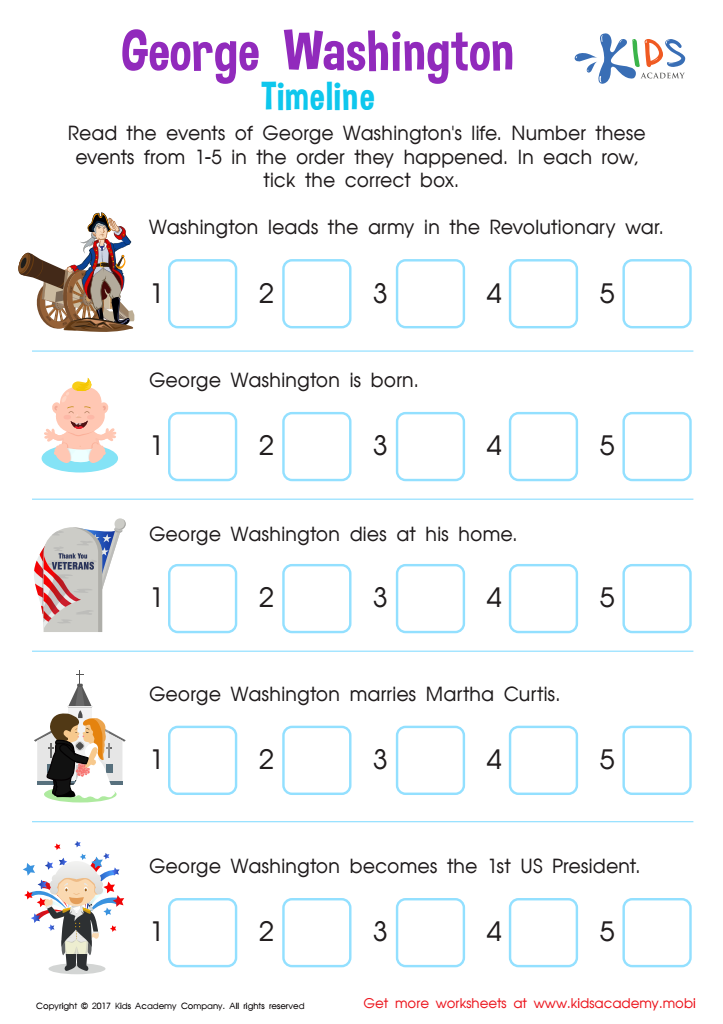
George Washington Timeline Worksheet
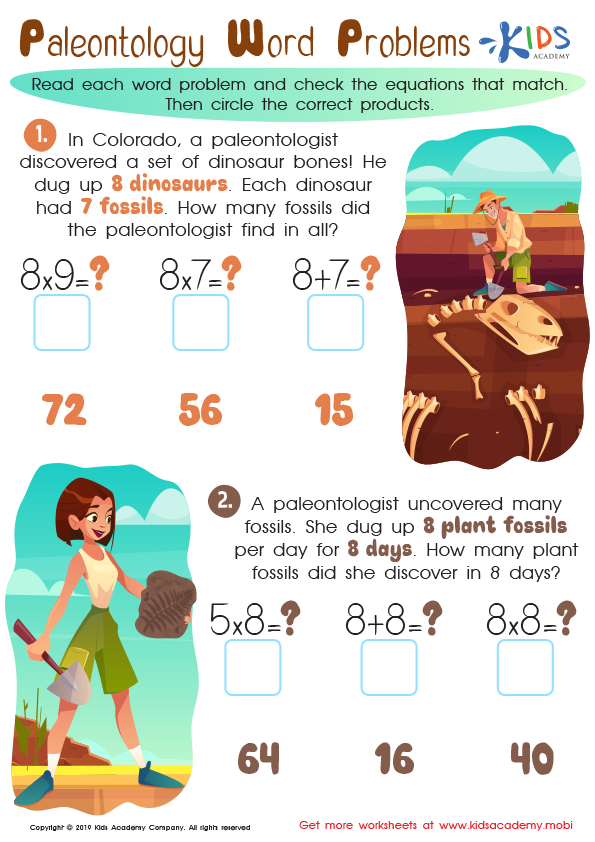
Archeology Word Problems Worksheet
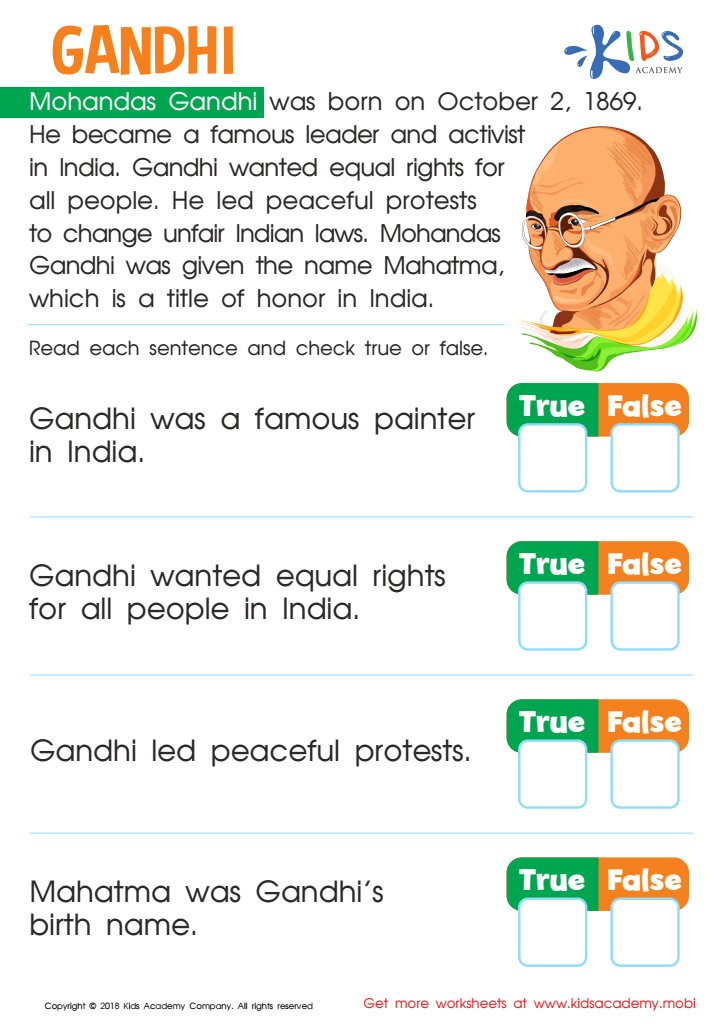
Gandhi Worksheet
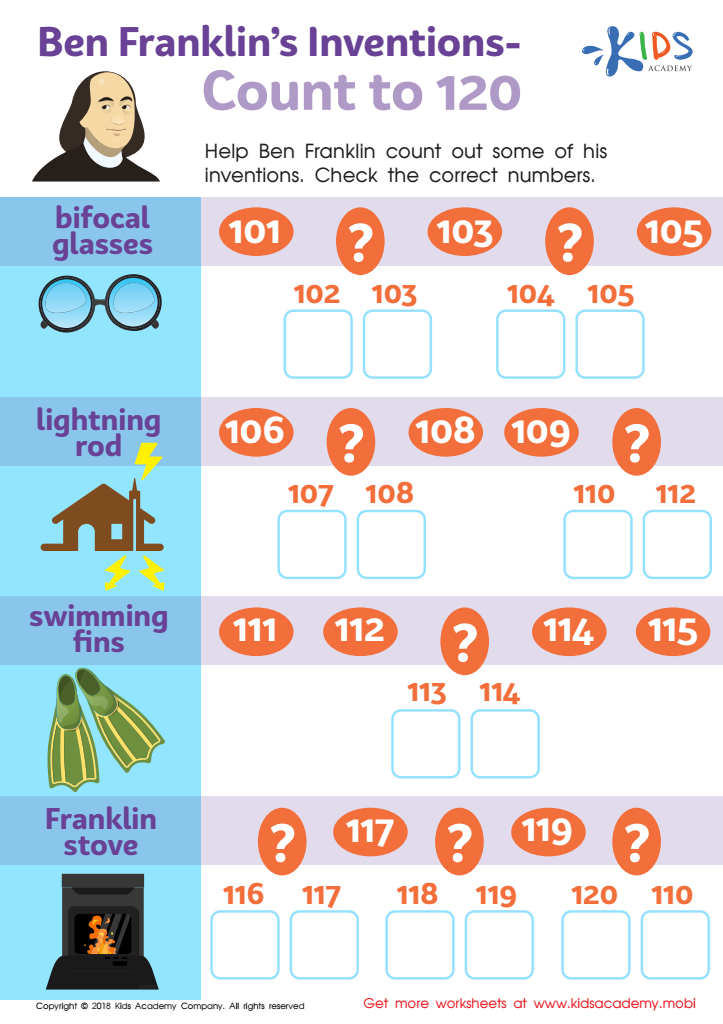
Ben Franklin’s Inventions – Count to 120 Worksheet
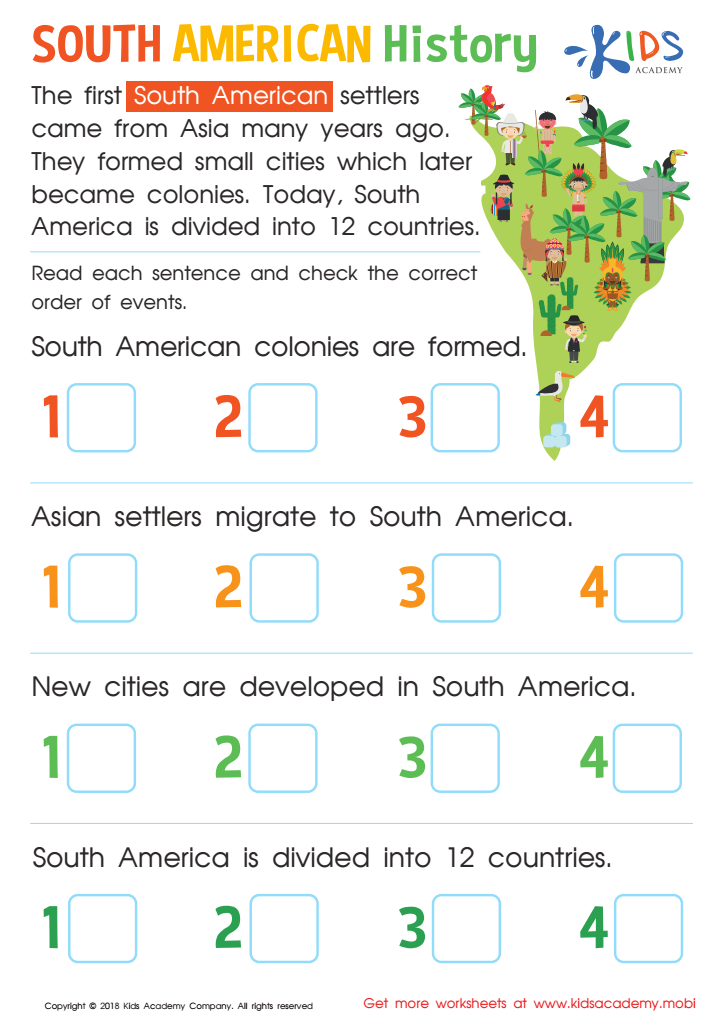
South American History Worksheet






Historical knowledge is essential for children aged 4-9 as it plays a profound role in shaping their understanding of the world and fostering essential skills. Firstly, learning history at this early age helps children grasp the concept of time, aiding in their cognitive development. By understanding past events, they can better comprehend the sequence of happenings, recognize cause-and-effect relationships, and develop critical thinking skills.
Additionally, history teaches valuable lessons about diversity, tolerance, and empathy. When children learn about different cultures, societies, and the experiences of various groups of people, they become more open-minded and appreciative of diversity. This early exposure can help dispel stereotypes and reduce biases as they grow.
Understanding historical events also provides children with a context for current events, helping them make informed connections between past and present. This empowers them to become more informed and active citizens.
Moreover, history is full of inspiring stories of bravery, innovation, and human accomplishment. Such stories can motivate young minds, build their moral framework, and inspire them to overcome challenges in their own lives.
In sum, integrating historical knowledge into the education of young children equips them with crucial life skills, fosters social understanding, and creates a foundation for lifelong learning and responsible citizenship.








