Identifying Animals Worksheets for Ages 4-9
10 filtered results
-
From - To
Help your child discover the amazing world of animals with our "Identifying Animals Worksheets for Ages 4-9"! Specifically designed to engage young learners, these fun and educational worksheets enhance observation skills, critical thinking, and knowledge about various animal species. From sorting animals by habitat to matching them with their names and sounds, each activity is age-appropriate and visually appealing. Perfect for both classroom and home use, our worksheets provide a fantastic resource for parents and teachers to make learning about animals exciting and interactive. Download now to start your child's wildlife adventure!

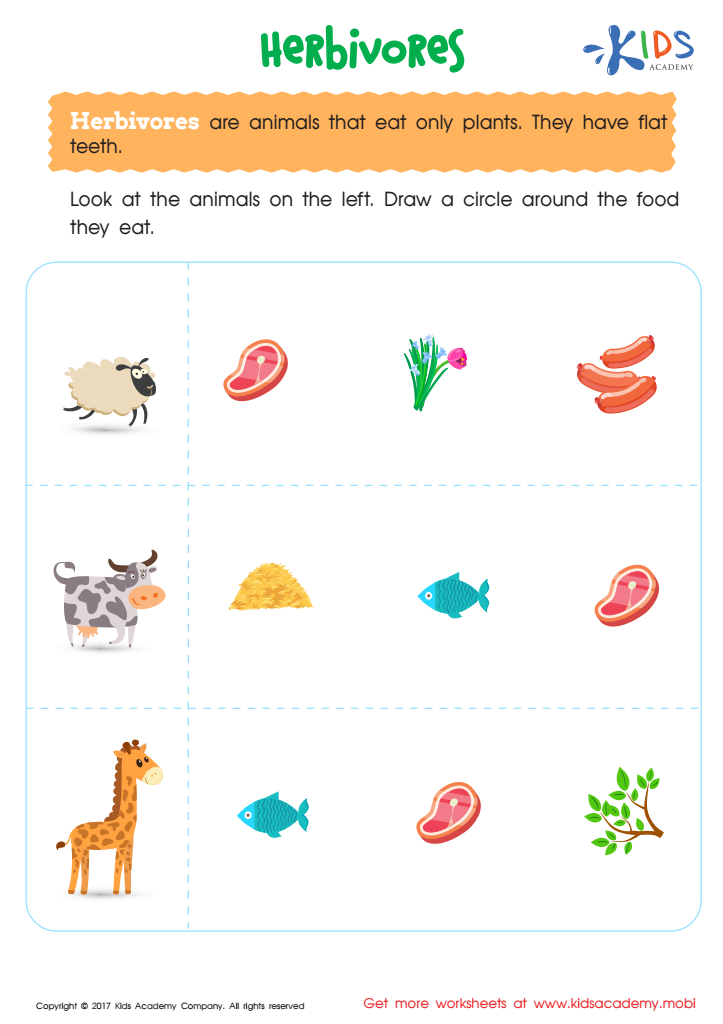
Herbivores Printable
 Assign to My Students

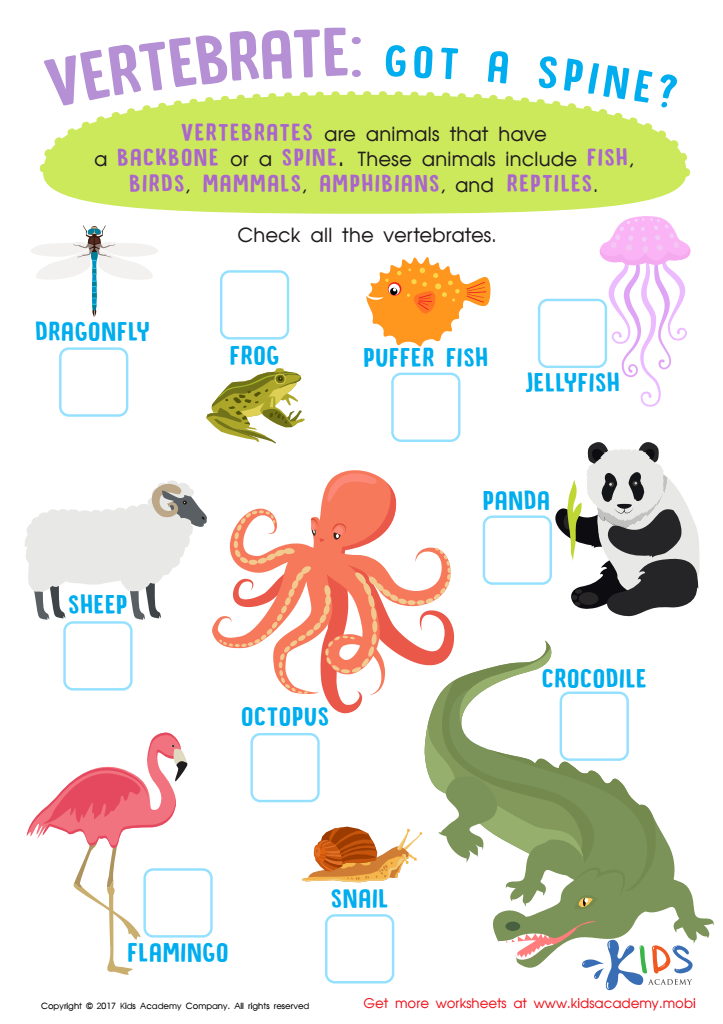
Vertebrates Animals Worksheet for 3rd Grade

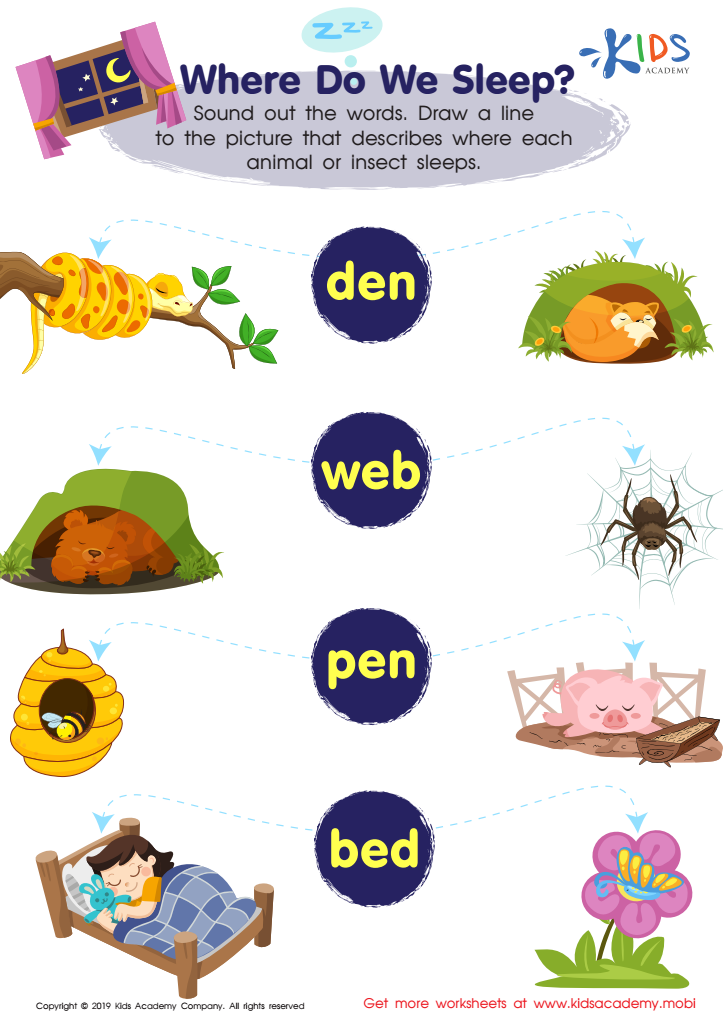
Where Do We Sleep Worksheet
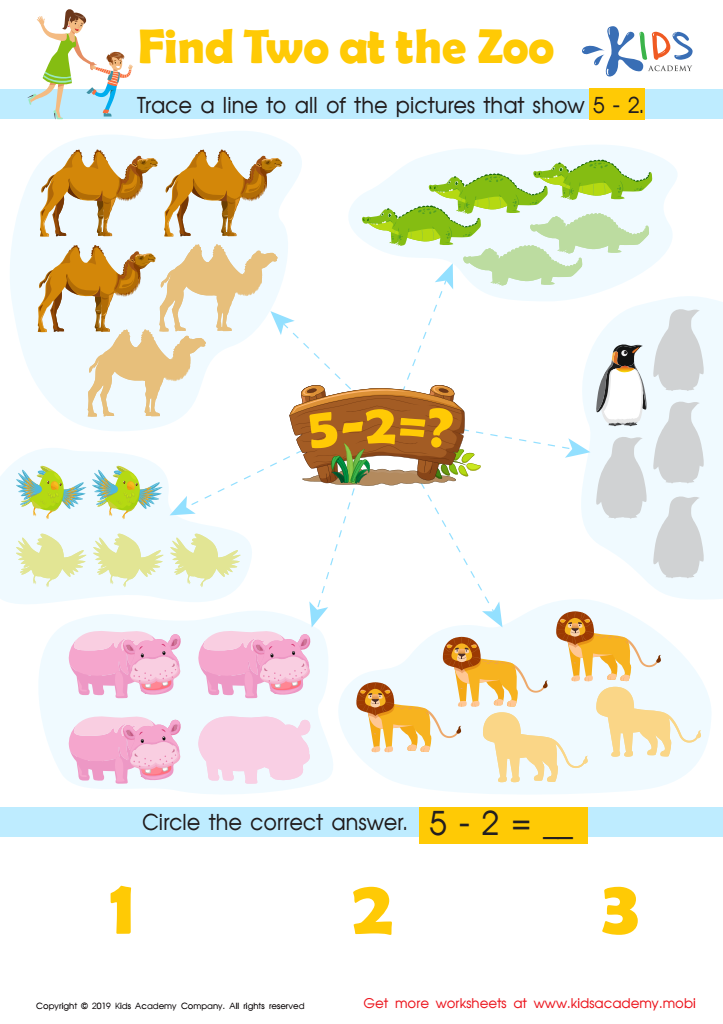
Find Two at the Zoo Worksheet
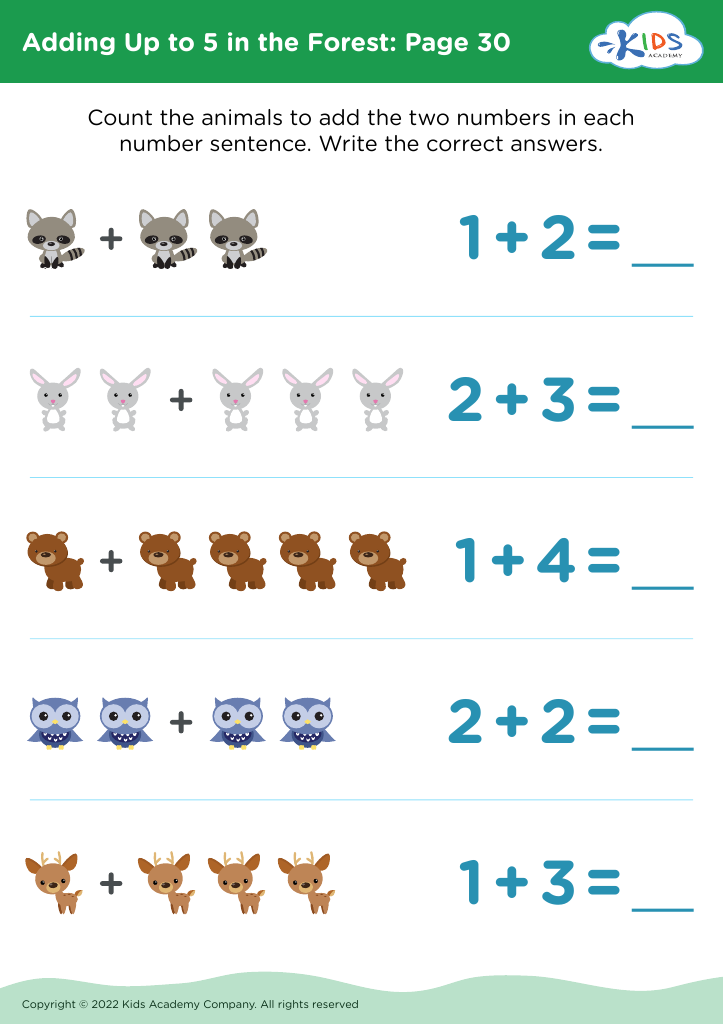
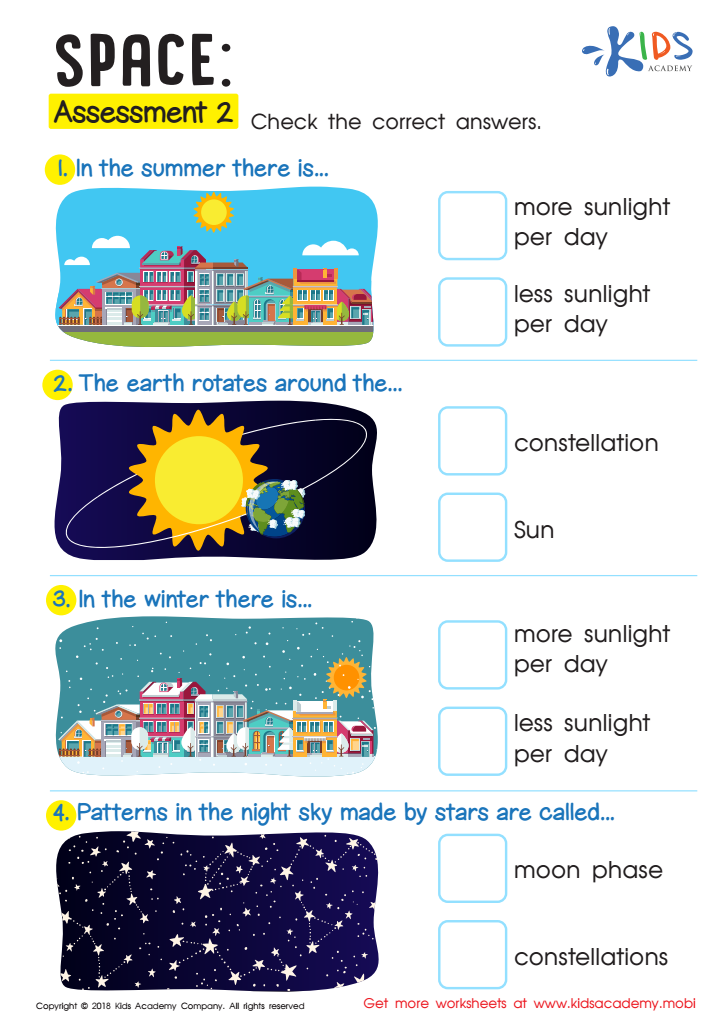
Space: Assessment 2 Worksheet
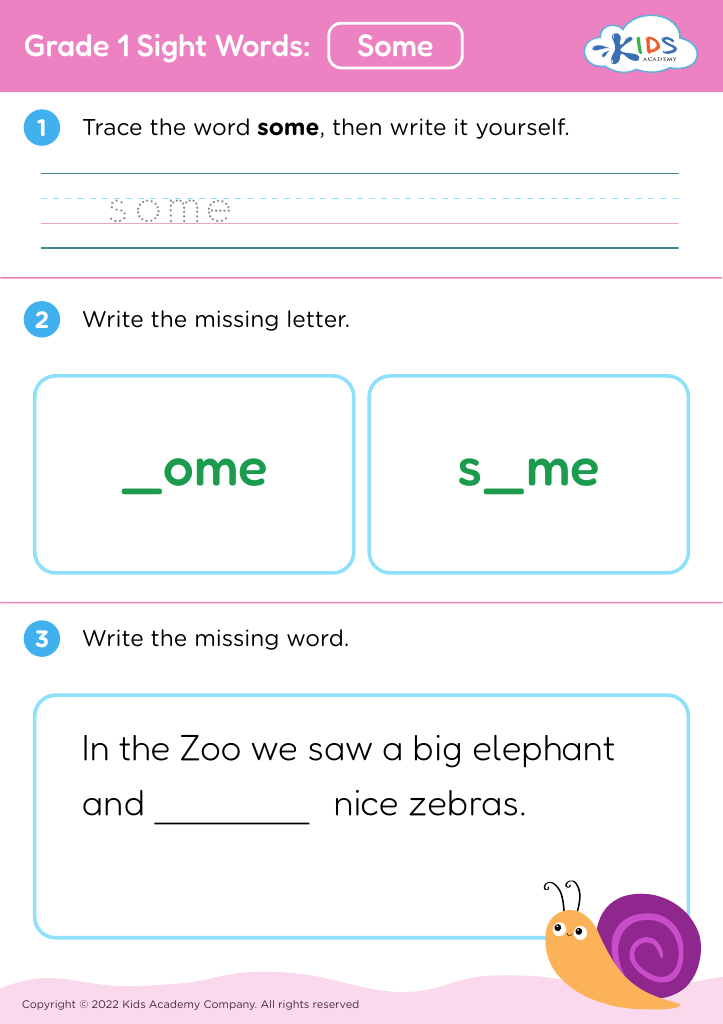








Identifying animals for ages 4-9 is an essential educational activity that parents and teachers should embrace for a multitude of compelling reasons. First, this activity significantly enhances children's observational skills and cultivates their curiosity about the natural world. When children actively engage in recognizing different animals, they develop keen attention to detail, which is beneficial for all areas of learning.
Moreover, identifying animals helps develop a child's vocabulary and language skills. Learning names, characteristics, and habitats of various animals introduces them to new words and concepts, thus expanding their linguistic abilities. This practice builds a strong foundation for reading and communication skills, which are crucial in early education.
Another reason is the development of cognitive skills. Children learn to categorize animals based on their characteristics, such as size, habitat, or diet, which enhances their ability to think critically and solve problems. This classification fosters logical thinking and memory retention, both important skills in academic success.
Additionally, it fosters empathy and environmental awareness. By understanding the diverse creatures they share the planet with, young children can develop a sense of responsibility and compassion towards animals, fostering environmentally conscious behavior from an early age.
Overall, engaging children in the identification of animals offers invaluable contributions to their intellectual, emotional, and social growth, paving the way for well-rounded development.








