
Identifying patterns Worksheets for Ages 4-9
7 filtered results
Difficulty Level
Grade
Age
-
From - To
Subject
Activity
Standards
Our Identifying Patterns Worksheets for ages 4-9 are designed to engage young learners in recognizing and predicting patterns, a key early learning skill. These colorful and fun printables help children identify sequences and enhance critical thinking, supporting foundational math skills. Perfect for preschoolers to 3rd graders, our worksheets cover a variety of patterns through shapes, colors, and numbers. They cater to different learning styles with interactive and progressively challenging exercises. Foster your child's pattern recognition abilities with our expert-designed worksheets, ensuring a confident and successful start in their academic journey. Explore and download today at Kids Academy!
Favorites
With answer key
Interactive
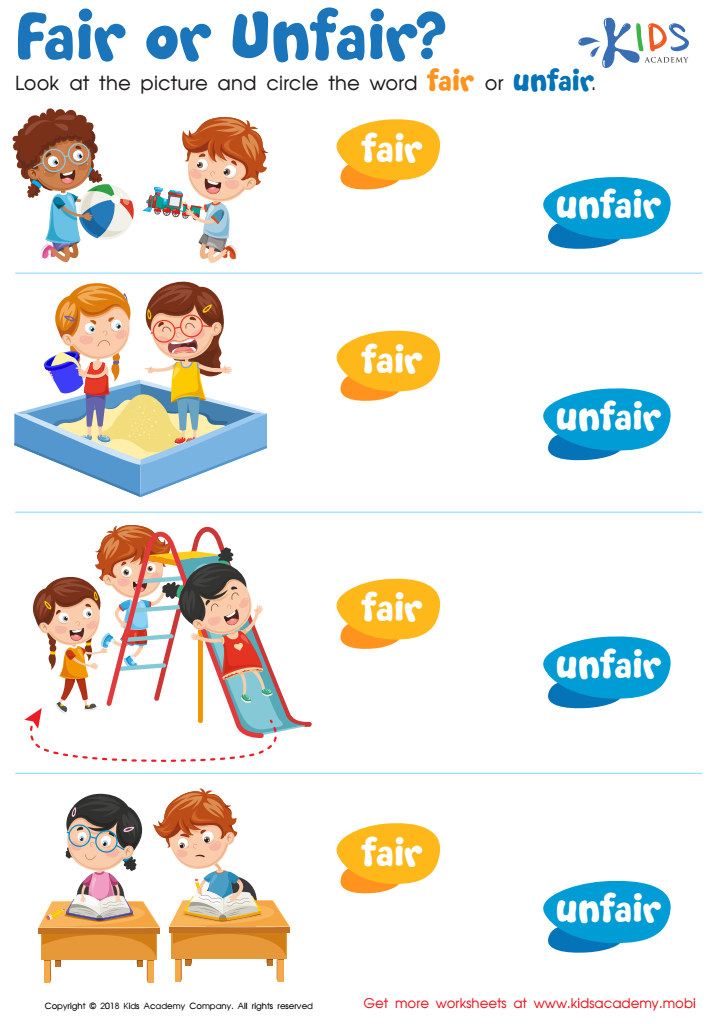
Fair or Unfair Worksheet
Look at the pictures in this worksheet with kids. Can they tell if the actions are fair or unfair? Help them decide and circle the appropriate option. When something causes harm to one person, it is unfair; when all parties benefit, it is fair.
 Assign to My Students
Fair or Unfair Worksheet
Worksheet
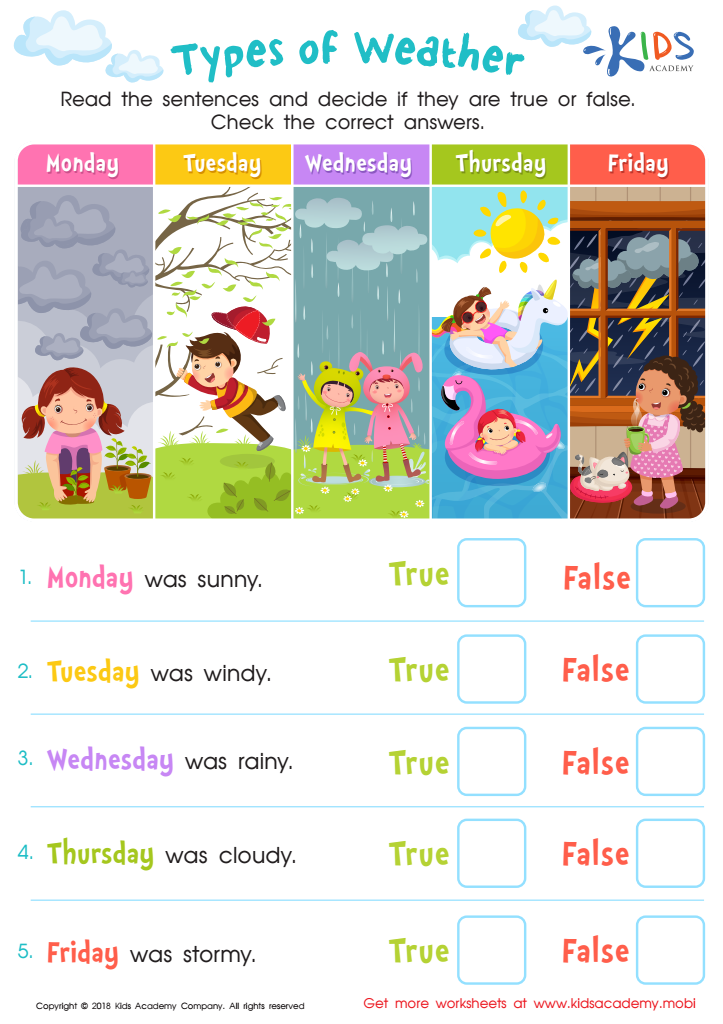
Types of Weather Worksheet
This worksheet will test your child's knowledge of the weather. Show them the pictures of five days of the week, each with a different weather and ask them to describe it. Then read the sentences and ask if they're true/false. Help them find the right answers.
Types of Weather Worksheet
Worksheet
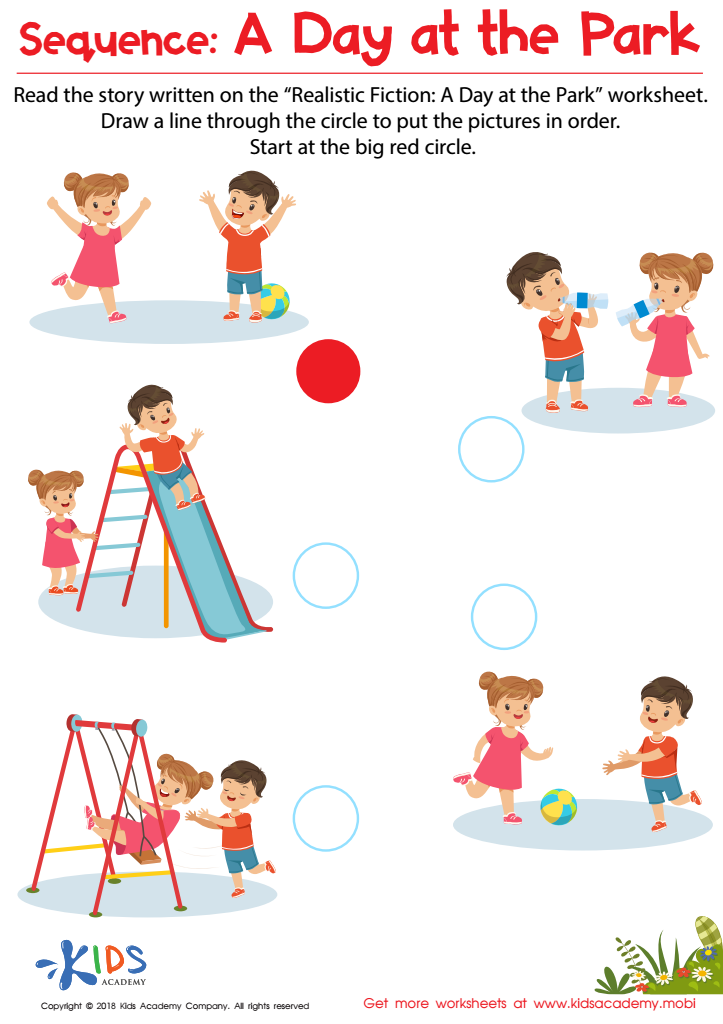
Sequence: A Day at the Park Worksheet
Help your child sequence the events of the story they just read with this activity! Start with the big red circle and draw lines to the other circles next to the images in the correct order. It's a great way to practice their reading skills! Try this downloadable worksheet today!
Sequence: A Day at the Park Worksheet
Worksheet
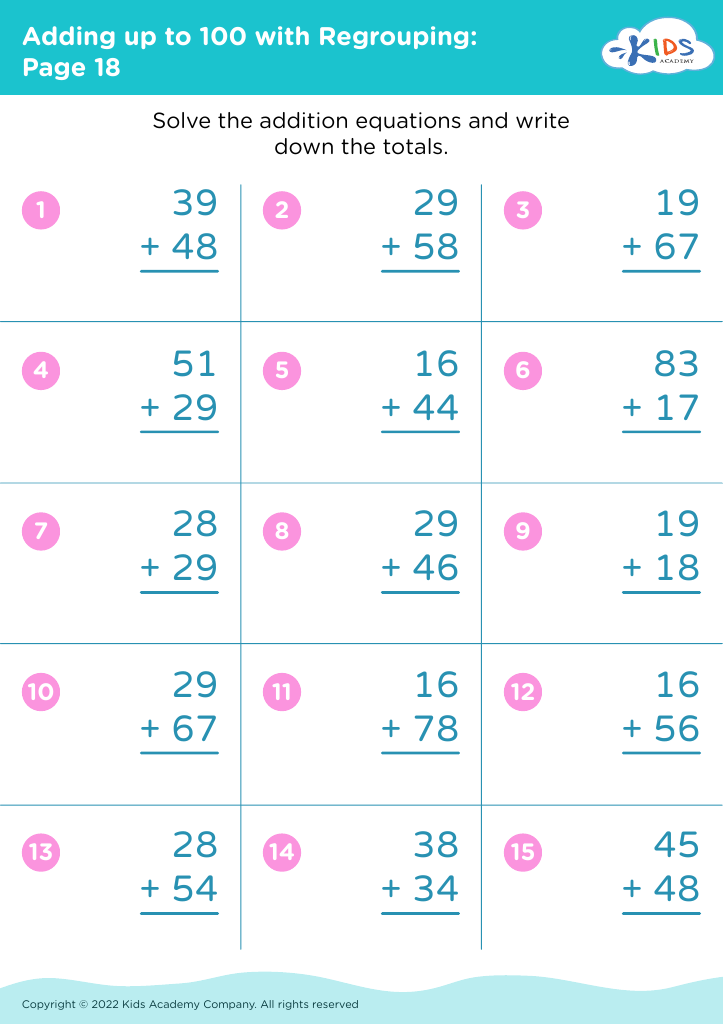
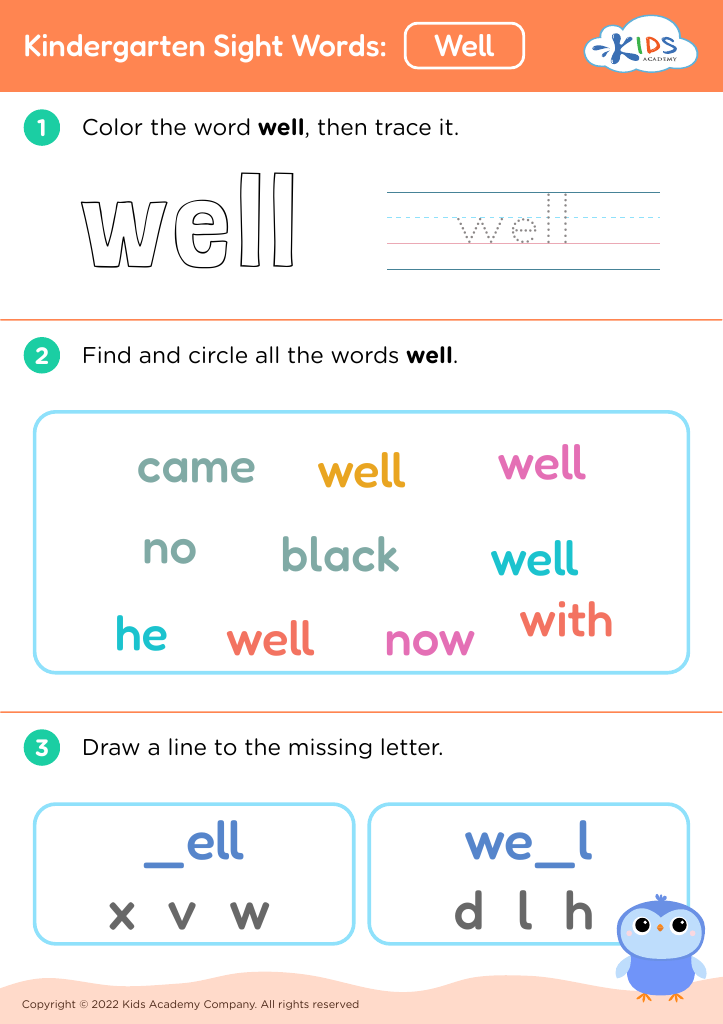
Join Kids Academy for Free
Who is primarily going to use this learning content?







Identifying patterns is fundamental for children aged 4-9, providing critical building blocks for cognitive development and lifelong learning. For young learners, patterns help enhance their ability to predict, classify, and interpret information, laying the groundwork for advanced mathematical concepts like addition, subtraction, and multiplication. Recognizing patterns builds foundational skills in reasoning and problem-solving, which are essential not only in math but also in science and everyday decision-making.
Engaging with patterns also sharpens a child's observational skills. Whether it’s through visual patterns using shapes and colors or auditory patterns in music and language, these activities stimulate a child's brain, fostering connections and boosting memory recall. Patterns in nature or daily routines teach children about consistency and order, providing a sense of stability and predictability in the world around them.
For educators and parents, fostering pattern recognition is pivotal. It equips children with a robust framework for critical thinking and analytical skills, which are intrinsically valuable across all disciplines of education and in navigating real-world scenarios. By embedding pattern activities in play and learning, caregivers and educators can significantly contribute to a child's cognitive growth, ensuring they are well-prepared for future academic challenges and intellectual pursuits.








