Improve calculation skills Worksheets for Ages 4-9
8 filtered results
-
From - To
Enhance your child's math abilities with our engaging calculation skills worksheets designed for ages 4-9. Packed with fun activities, these worksheets promote essential skills such as addition, subtraction, counting, and number recognition. Our carefully crafted exercises encourage a love for learning while fostering confidence in math proficiency. With various formats including puzzles, visual aids, and interactive games, children will enjoy mastering arithmetic concepts at their own pace. Parents and educators can easily print these resources for home or classroom use, making math practice both enjoyable and effective. Start your child's journey to math success today!
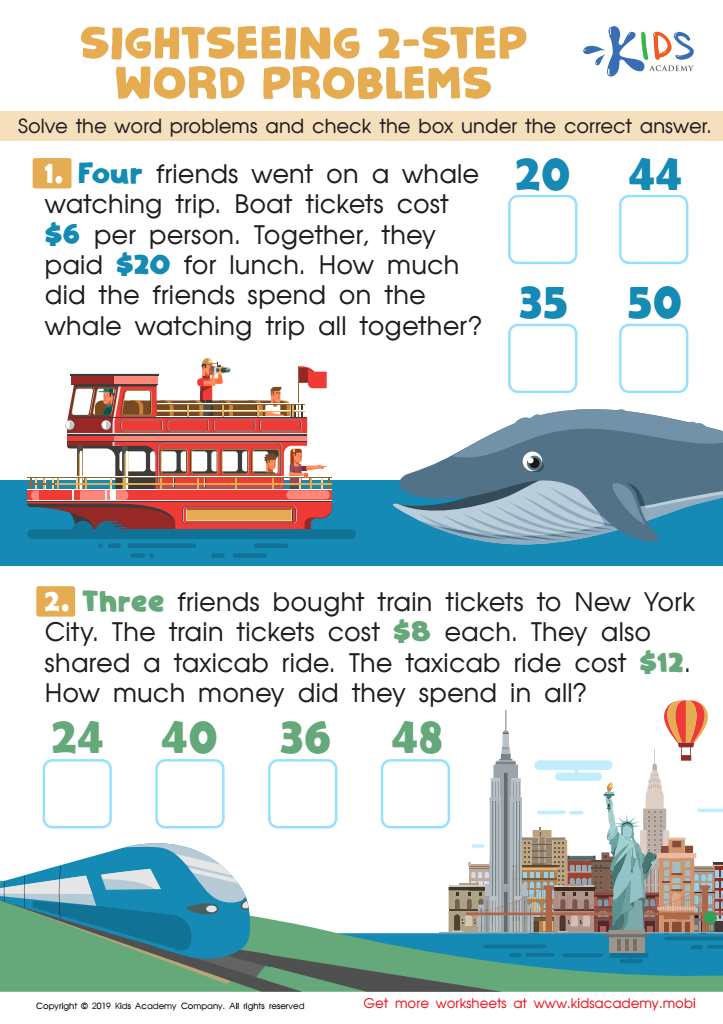
Sightseeing 2-Step Word Problems Worksheet
 Assign to My Students
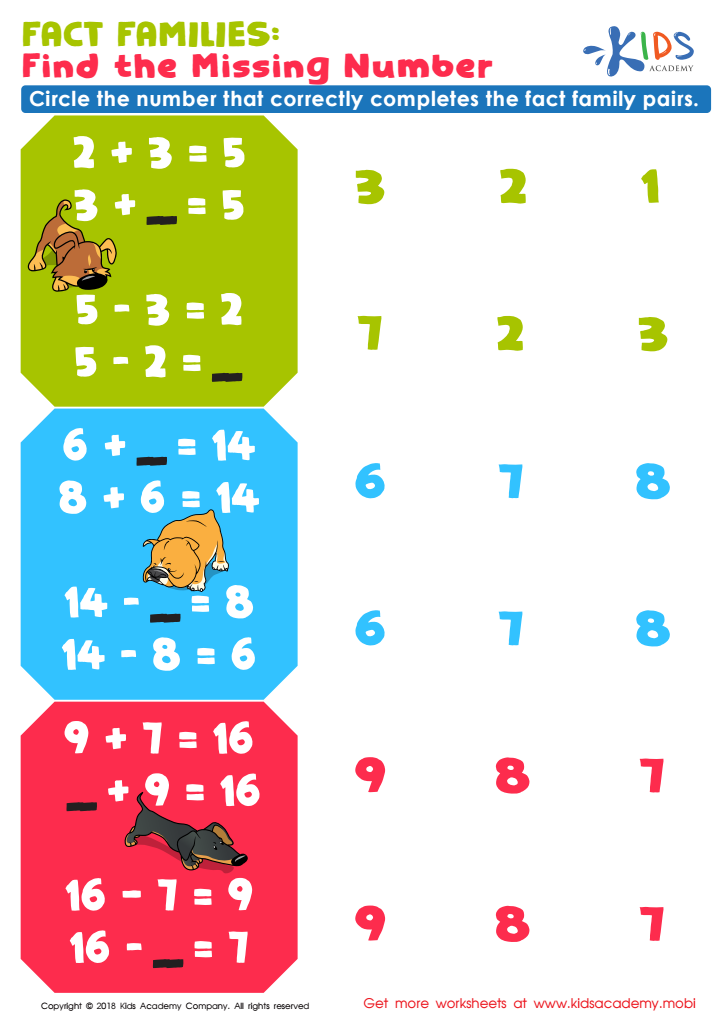
Fact Families: Find Missing Number Worksheet
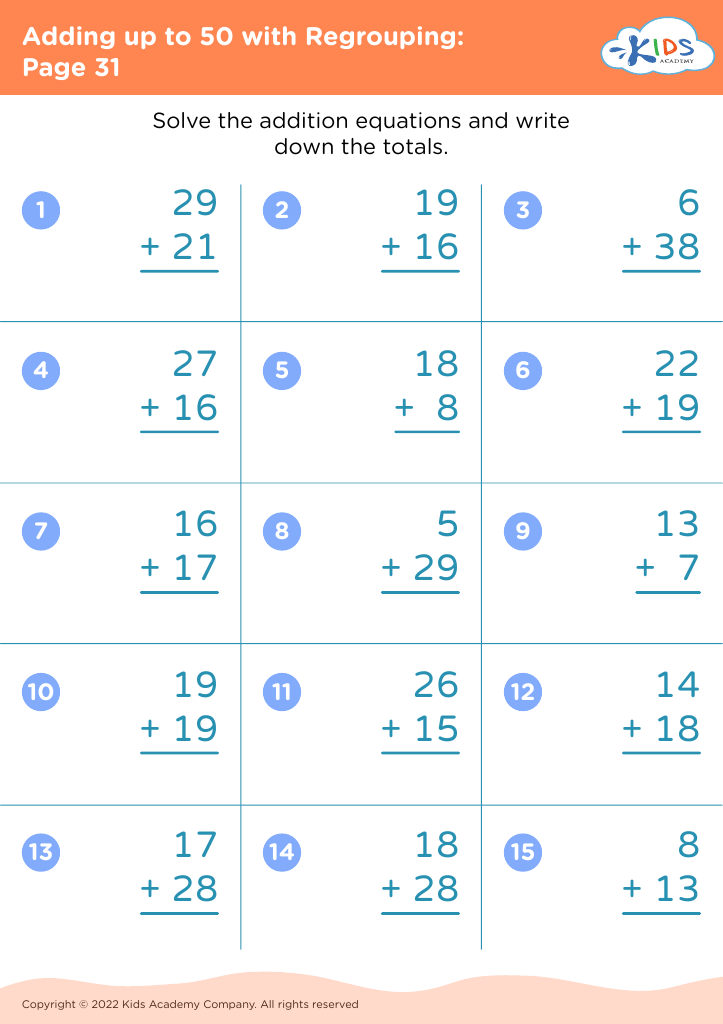
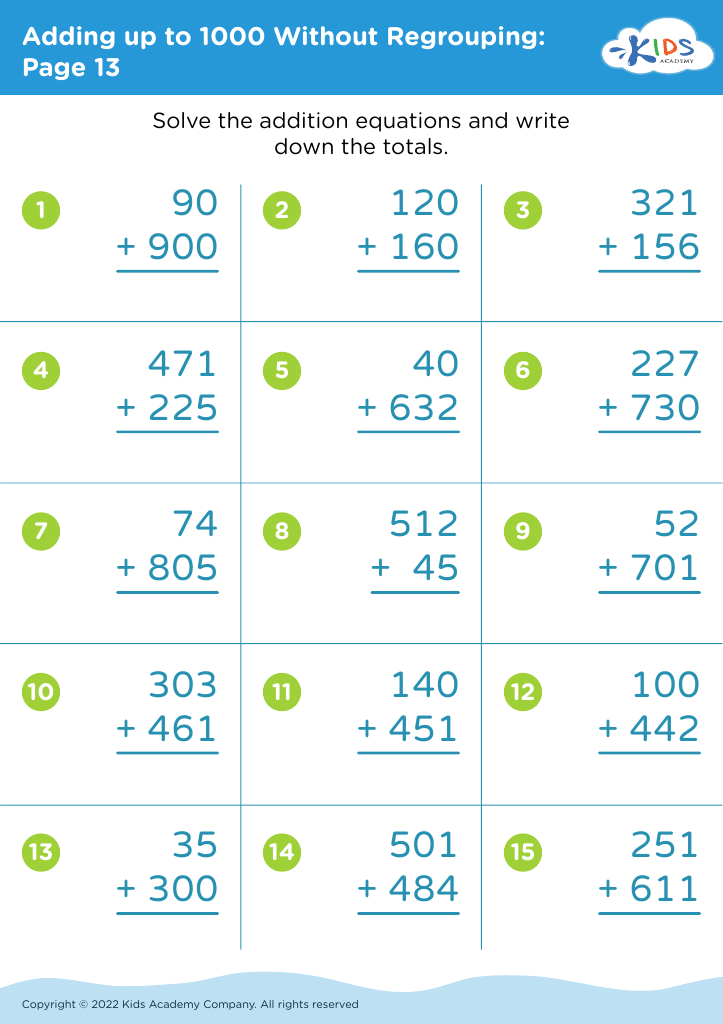
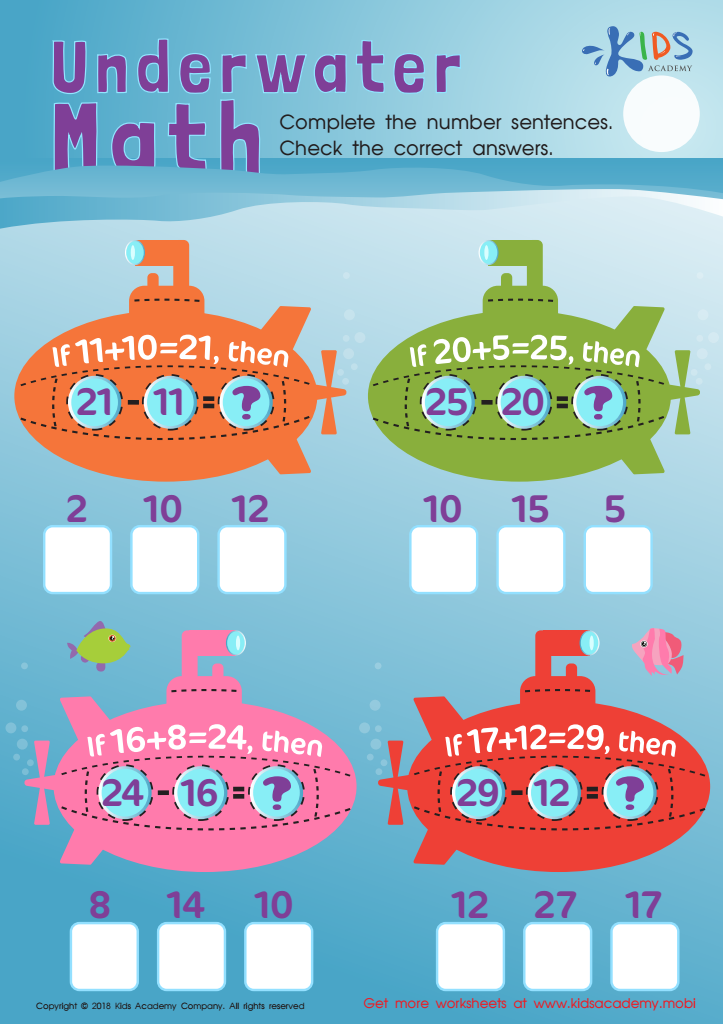
Addition and Subtraction: Underwater Math Worksheet
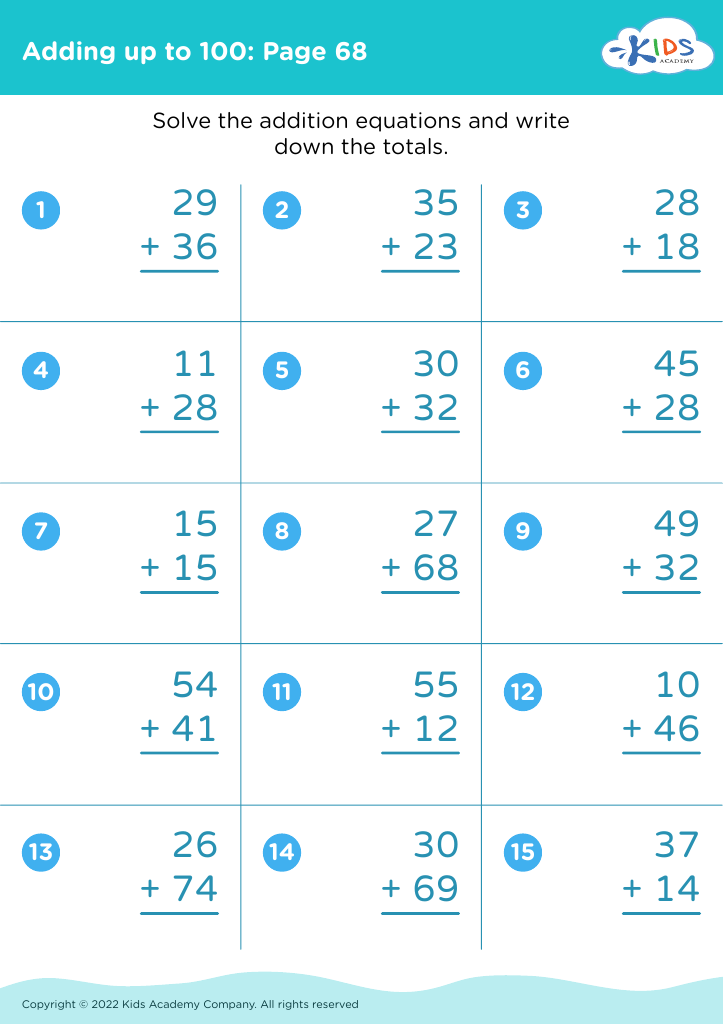
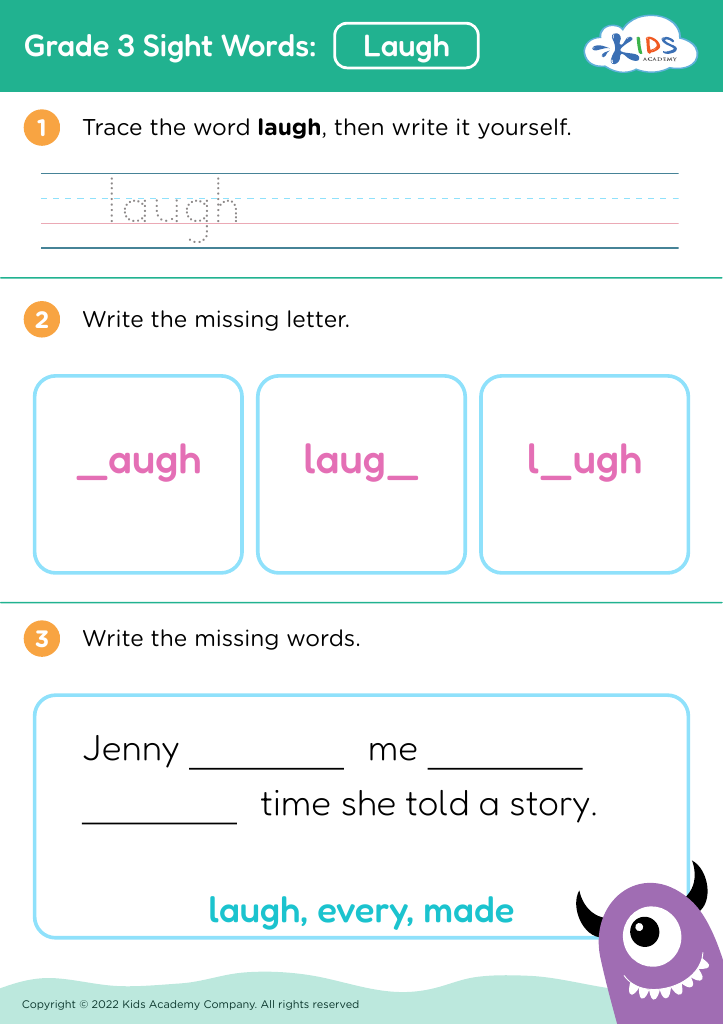
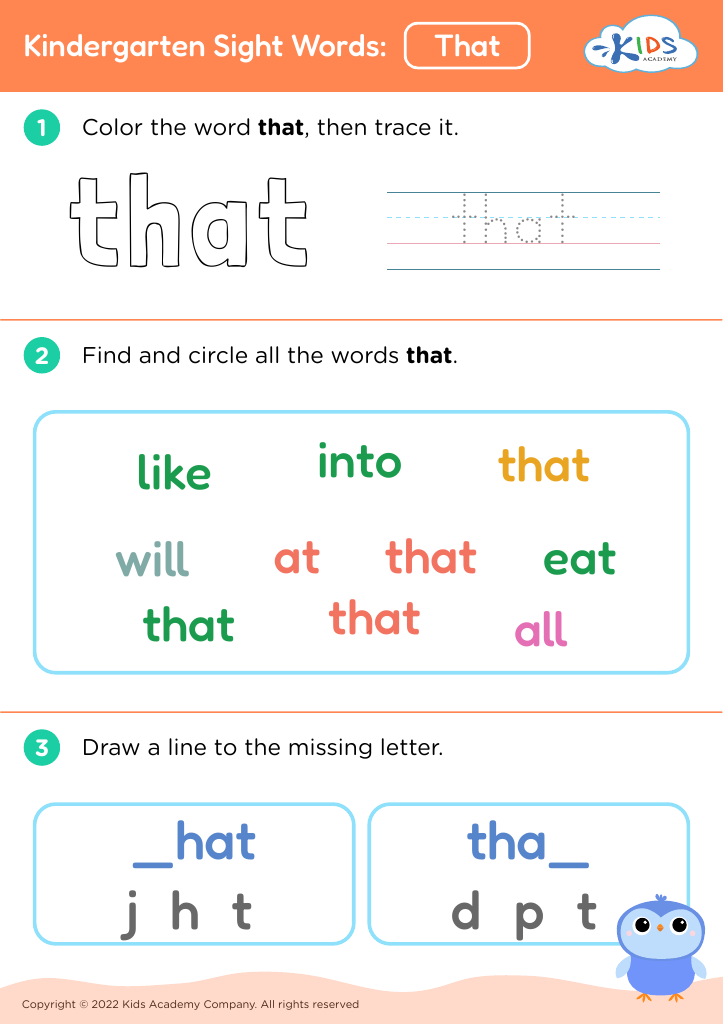








Developing calculation skills in children ages 4-9 is crucial for several reasons, and parents and teachers play a significant role in this process. First, basic calculation forms the foundation for more advanced math skills. Early proficiency in numbers can foster a positive attitude toward mathematics, reducing anxiety in later years.
Secondly, strong calculation skills are vital for everyday life. From sharing snacks to counting money, these skills help children navigate real-world situations effectively. Parents and teachers can facilitate experiential learning opportunities to make this practice enjoyable and relevant.
Moreover, studies show that early math skills are closely linked to later academic success. By prioritizing calculation skills, parents and teachers can boost literacy and cognitive development, influencing overall educational outcomes.
Additionally, enhancing these skills promotes problem-solving abilities and logical thinking, which are essential across various subjects and real-life challenges. Engaging strategies, such as games and hands-on activities, can make learning fun while building these vital skills.
In essence, nurturing calculation skills from a young age not only sets the stage for academic achievement but also equips children with essential life skills, making it a focal point for parents and educators alike.








