Discover our engaging "Improve Vocabulary Worksheets for Ages 4-9," designed to enhance language skills in young learners. Our printable worksheets feature fun activities like word hunts, matching exercises, and fill-in-the-blanks, making learning enjoyable and effective. Tailored for early readers, these resources help expand vocabulary by introducing new words in a playful context. With vibrant illustrations and age-appropriate challenges, children will develop confidence in their reading and communication skills. Perfect for at-home learning or classroom use, these worksheets support essential language development while fostering a love for words. Let’s embark on a vocabulary-building adventure that supports lifelong learning!

Check out this FREE "Improve vocabulary" Trial Lesson for age 4-9!

Decode Two Syllable Words

Favorites
With answer key
Interactive
  • 4-9
  • Improve vocabulary
Homographs free printable worksheet

Homographs Free Printable Worksheet

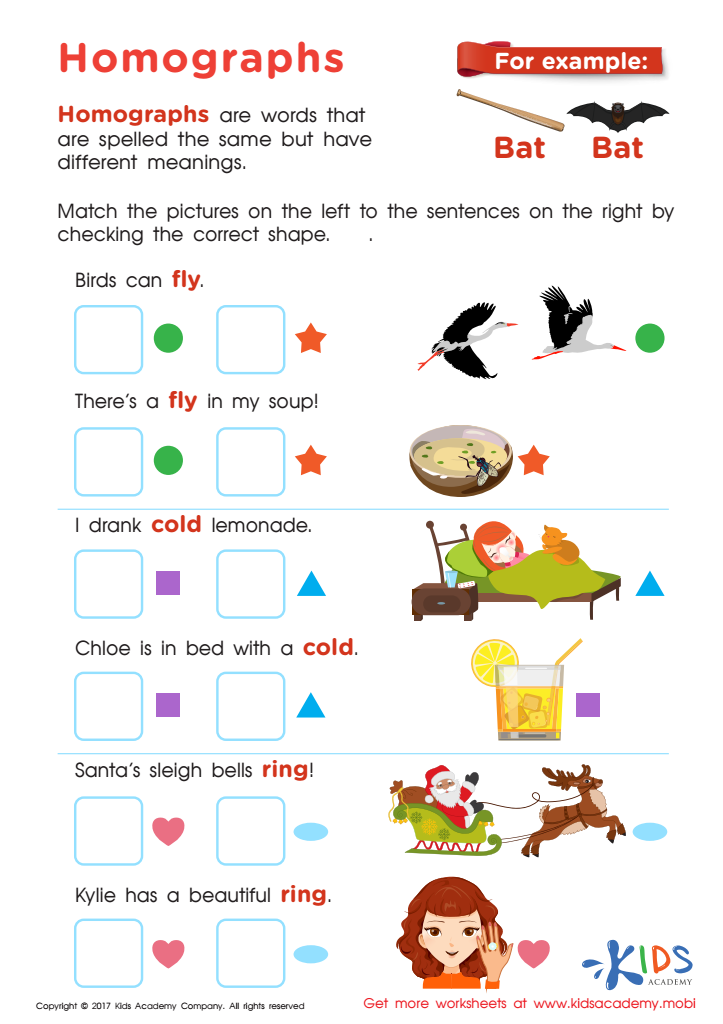
Homographs can be tricky for kids. Help them gain valuable practice with this free printable worksheet. It has a selection of funny words with double meanings, and can be a great learning experience!
Homographs Free Printable Worksheet
Worksheet
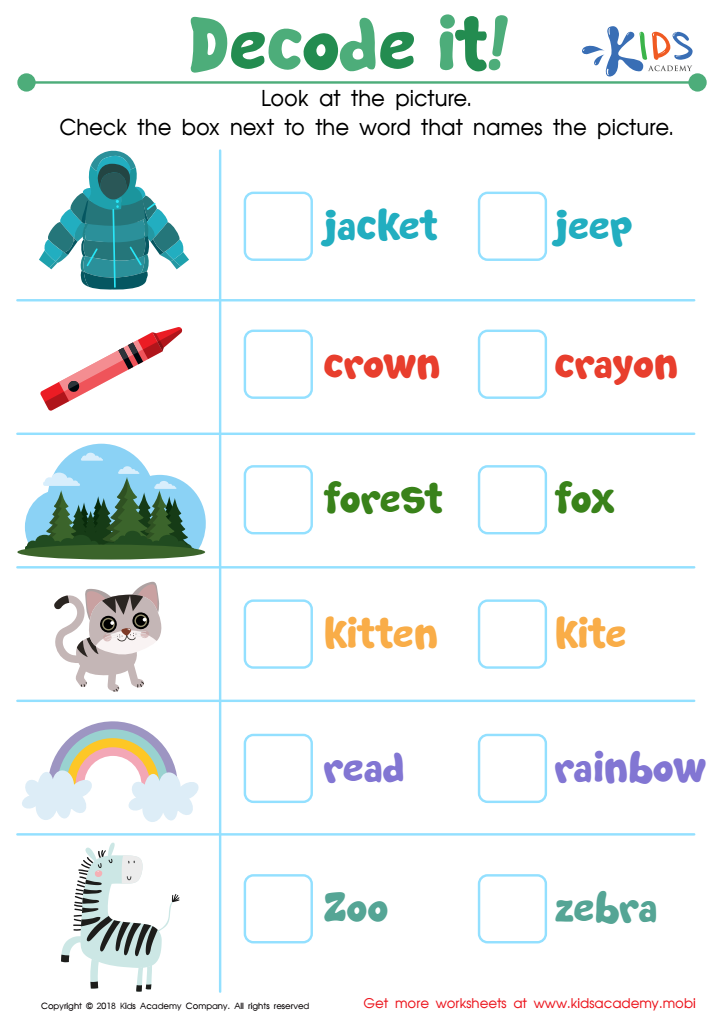
Reading: Decode It Worksheet

Reading: Decode It Worksheet

Look at the picture and circle the word that names it. This exercise helps kids practice picture cues and decoding words, with the same beginning sound. It builds their fluency and comprehension, giving them the skills to read unfamiliar words.
Reading: Decode It Worksheet
Worksheet
Parts of speech: odd one out

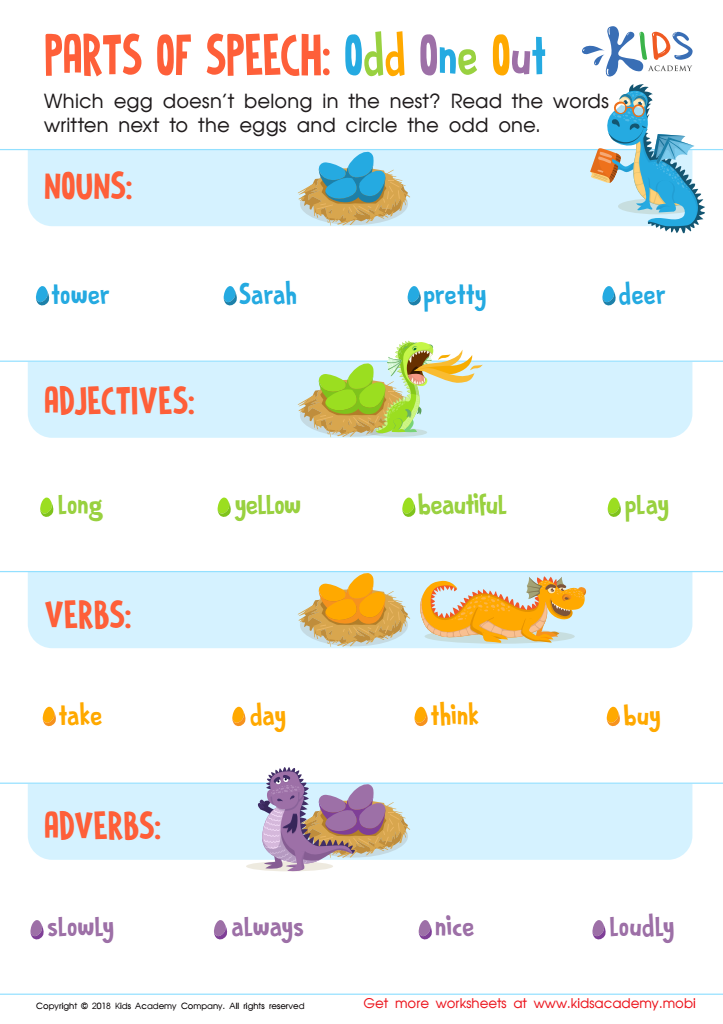
Parts of Speech: Odd One Out Worksheet
Test your child's grammar knowledge with Parts of Speech: Odd One Out! This dragon-themed worksheet will get their creative juices flowing as they read each word, identify its part of speech, and identify the odd one out!
Parts of Speech: Odd One Out Worksheet
Worksheet
Homes Worksheet
Homes Worksheet

Homes Worksheet

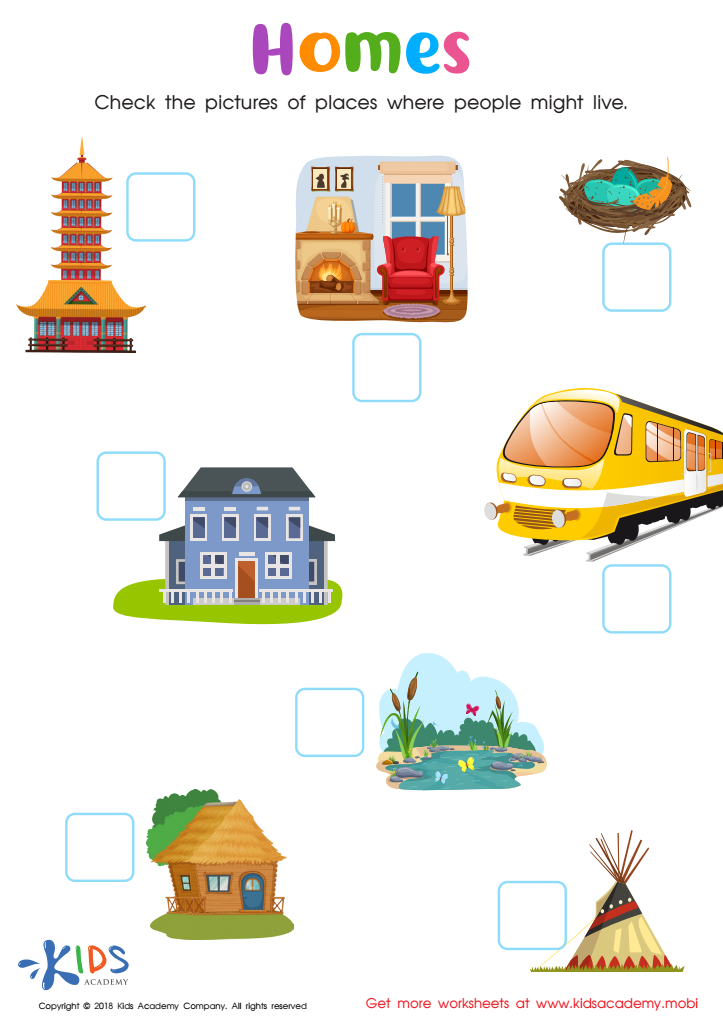
Explain to your child that a home is where people live. Ask if they have noticed homes of different shapes, sizes, and materials in the community. Then, look at the pictures in this worksheet and ask your child to check the ones that show places where people live.
Homes Worksheet
Worksheet
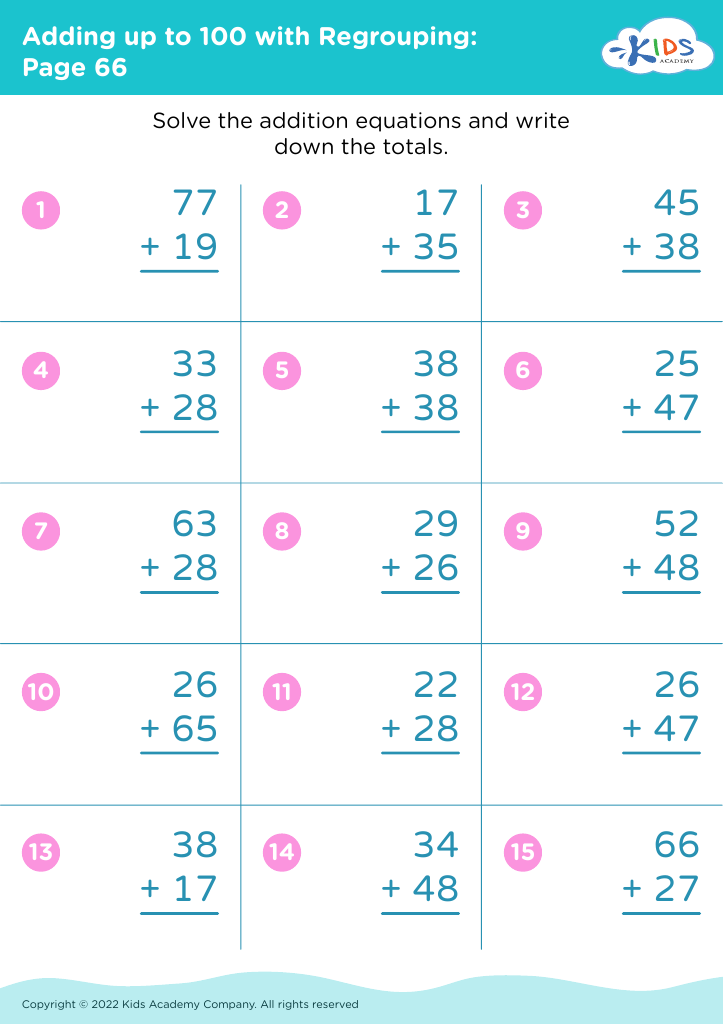
Adding up to 100 with Regrouping: Page 66
Worksheet
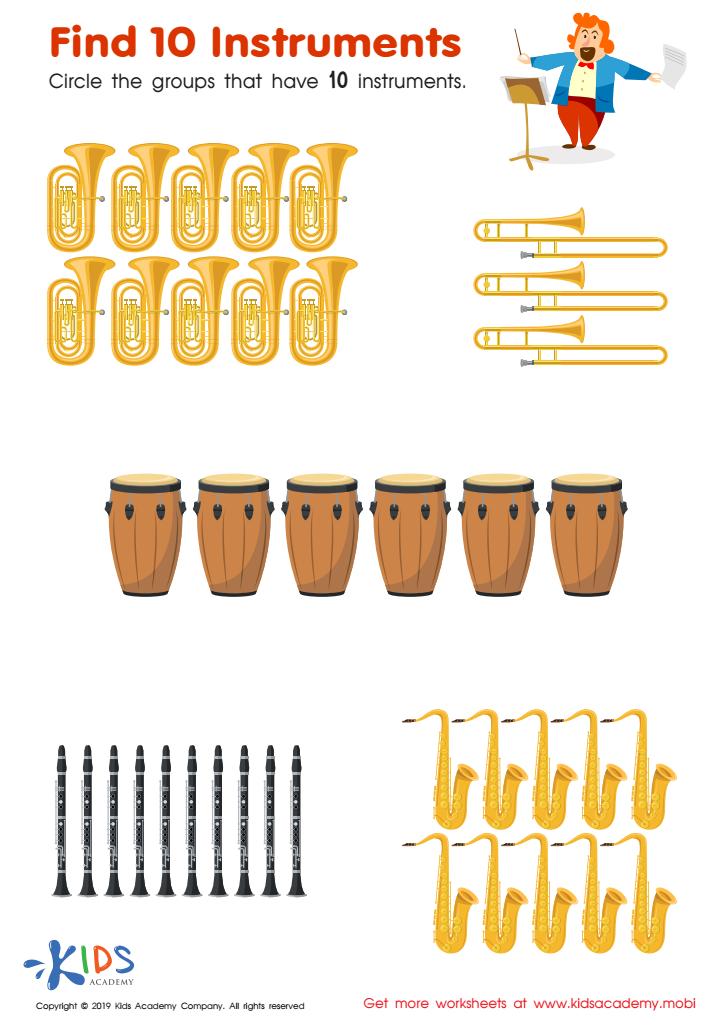
Find 10 Instruments Worksheet
Find 10 Instruments Worksheet
Teach your kids to count with educational DVDs, video games and this worksheet. Show them the picture and help them count the instruments, then circle the groups of 10. It's a great way to practice counting numbers, one of the first things they'll learn.
Find 10 Instruments Worksheet

Worksheet
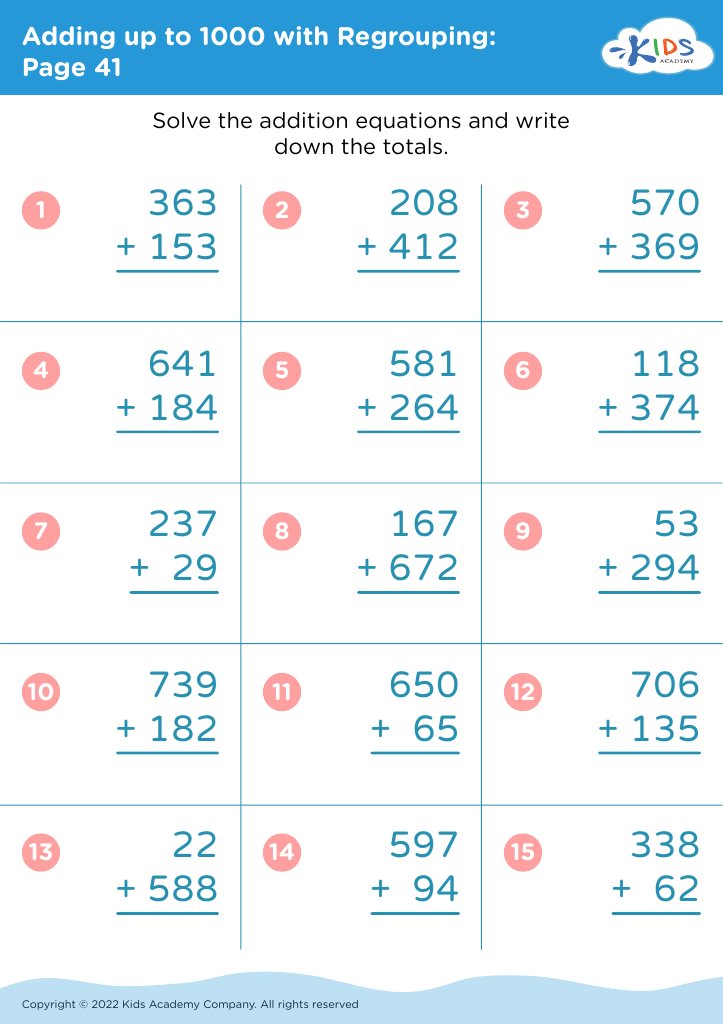
Adding up to 1000 with Regrouping: Page 41
Worksheet
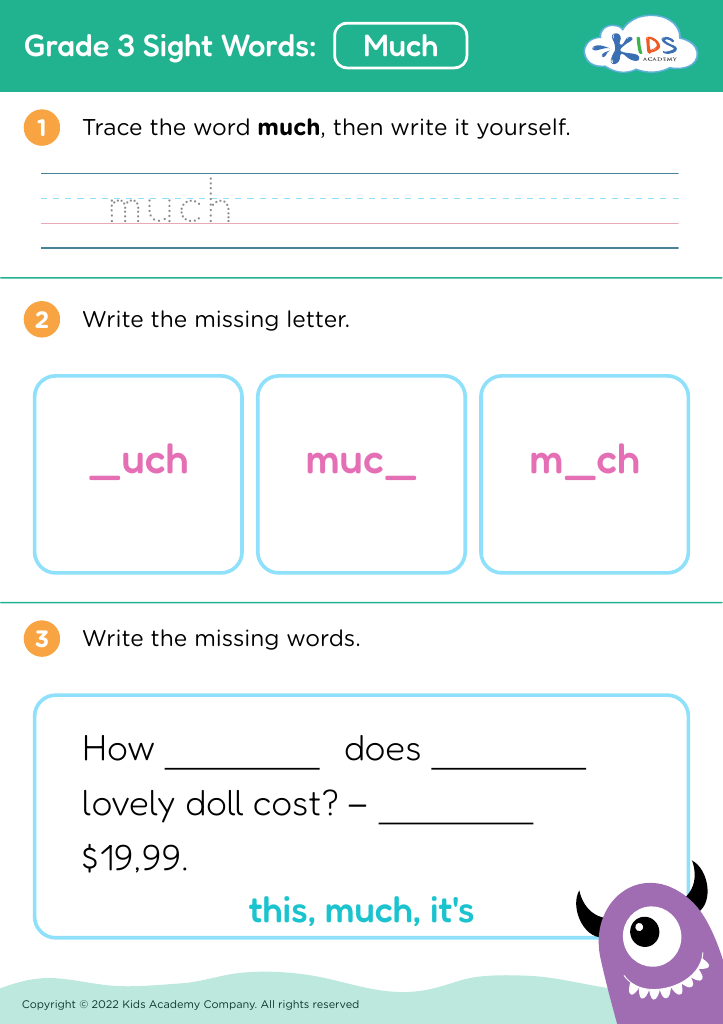
Grade 3 Sight Words: Much

Grade 3 Sight Words: Much

Grade 3 Sight Words: Much
Worksheet
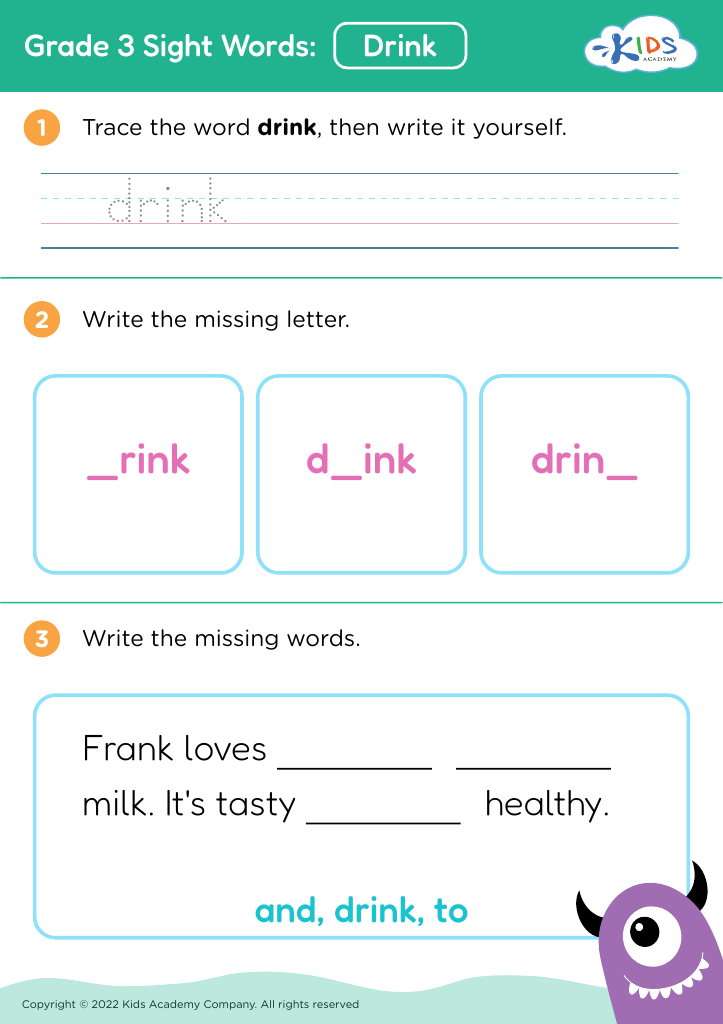
Grade 3 Sight Words: Drink

Grade 3 Sight Words: Drink

Grade 3 Sight Words: Drink
Worksheet
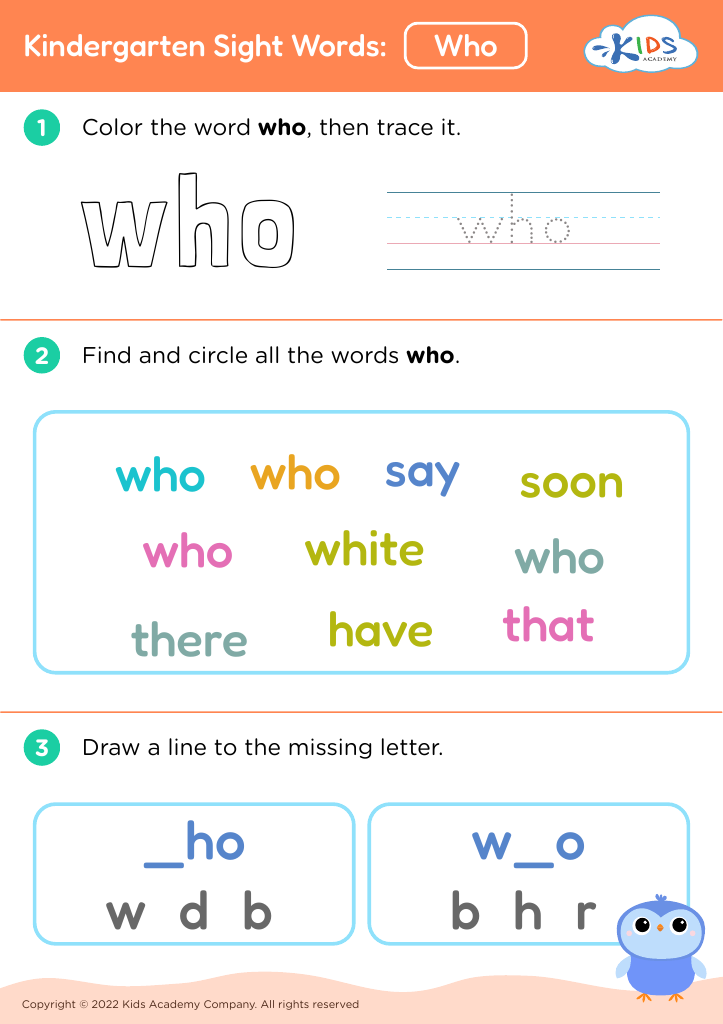
Kindergarten Sight Words: Who

Kindergarten Sight Words: Who

Kindergarten Sight Words: Who
Worksheet
Independence Day: Eagle
Independence Day: Eagle Coloring Page for Kids
Worksheet


Improving vocabulary in children aged 4 to 9 is crucial for their overall development and academic success. During these formative years, children rapidly acquire language skills, and a robust vocabulary serves as the foundation for effective communication, reading comprehension, and critical thinking. When parents or teachers prioritize vocabulary enhancement, they enable children to express their thoughts and emotions more clearly, fostering confidence in social interactions and academic environments.

Moreover, a rich vocabulary directly influences a child's ability to grasp complex concepts in subjects like mathematics and science. It also enhances their storytelling and writing skills, which are essential for future learning. Engaging with new words through conversations, storytelling, and interactive activities not only expands a child's lexicon but also nurtures their cognitive abilities, promoting creativity and problem-solving skills.

Additionally, early vocabulary development can bridge educational gaps, helping children succeed across varied contexts and cultures. Thus, investing time and effort into vocabulary-building activities—such as reading together, playing word games, and encouraging the exploration of synonyms or antonyms—can yield lifelong benefits, setting children on a path toward success in school and beyond.