Math application skills Worksheets for Ages 4-9
3 filtered results
-
From - To
Unlock your child's mathematical potential with our engaging Math Application Skills Worksheets, designed specifically for ages 4-9. Tailored to enhance core skills, these worksheets cover essential topics such as addition, subtraction, patterns, and fractions, all while promoting critical thinking. Each activity is thoughtfully crafted to ensure fun and interactive learning experiences, making math enjoyable! Whether at home or in the classroom, these printable resources are perfect for reinforcing concepts and building confidence. Explore our collection and watch your child develop a solid foundation in math, laying the groundwork for future academic success. Start their journey toward math mastery today!
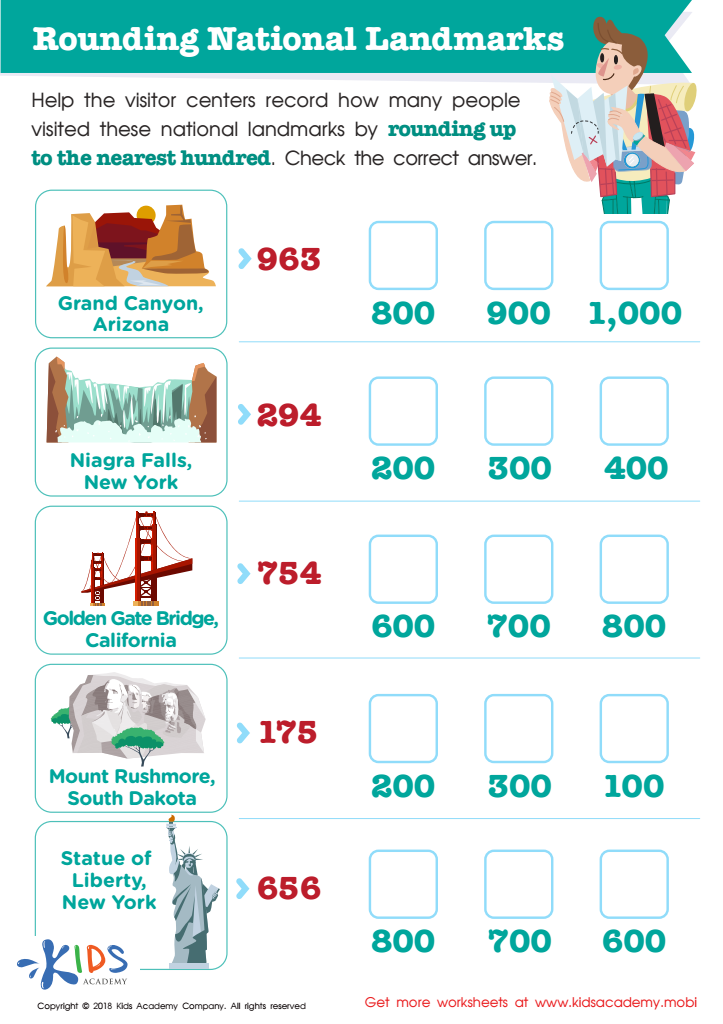
Rounding National Landmarks Worksheet
 Assign to My Students
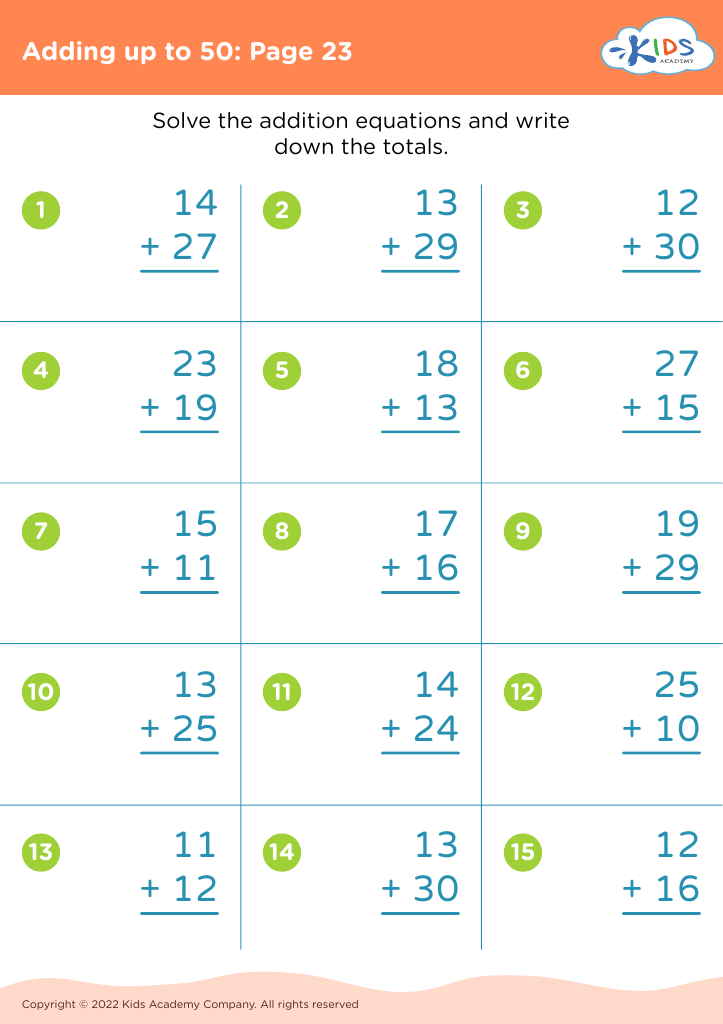
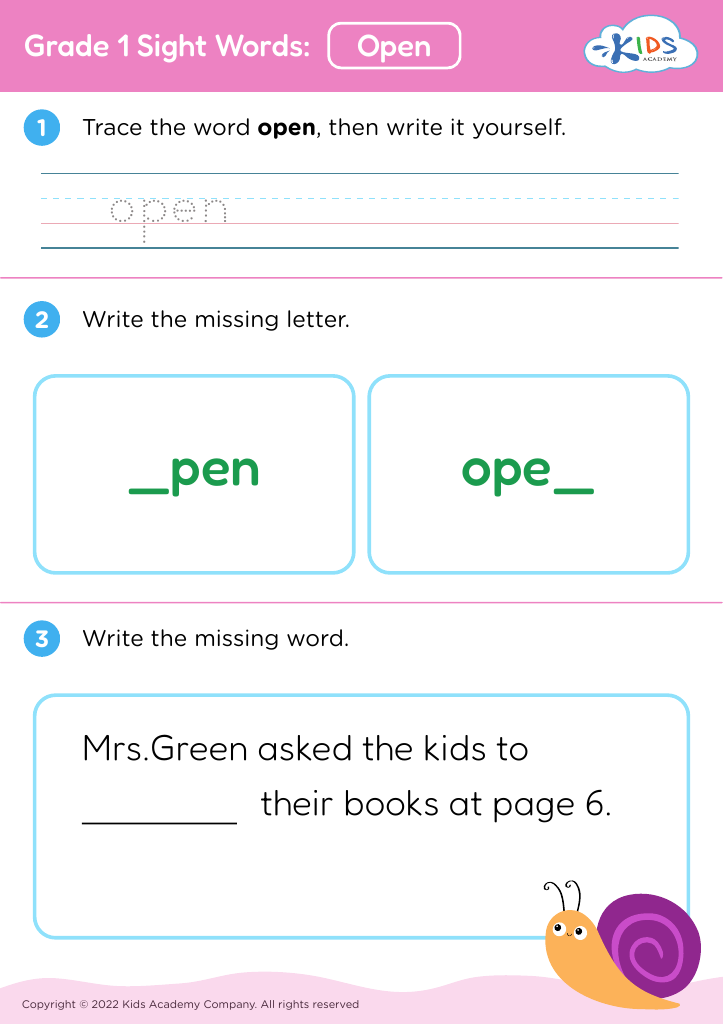





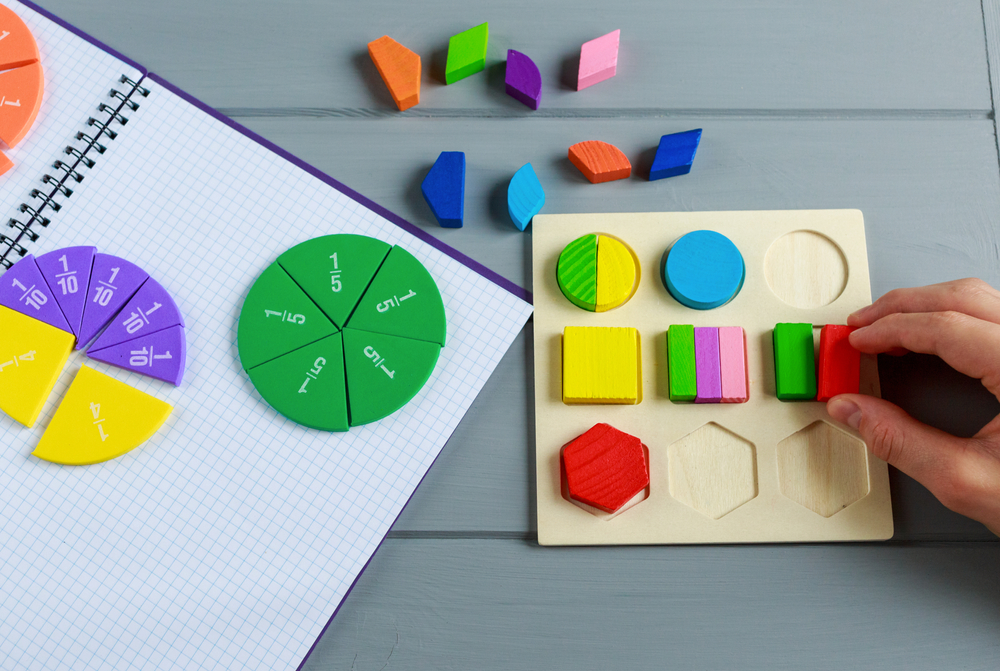


Parents and teachers should prioritize math application skills for children aged 4-9 because these formative years lay the foundation for cognitive development and lifelong learning. At this age, children are naturally inquisitive, making it the perfect time to introduce them to practical math concepts through everyday activities. Strong math application skills enhance problem-solving abilities and critical thinking, crucial for navigating future academic challenges.
Moreover, math is not just about numbers; it involves understanding patterns, relationships, and the ability to apply knowledge to real-world situations. Engaging children with math-related games, cooking, shopping, or measuring can make learning enjoyable and relevant. This not only nurtures a positive attitude towards math but also fosters emotional and social skills through collaborative activities.
Additionally, proficiency in math encourages confidence and independence, helping children believe in their ability to tackle challenges. As they progress in their education, a strong grasp of math application can significantly impact their future academic success, influencing subjects like science and technology. In essence, by cultivating math application skills early on, parents and educators are investing in a child’s holistic development, ensuring they grow into capable, empowered individuals ready to tackle the complexities of the world around them.








