Mental math development Worksheets for Ages 4-9
3 filtered results
-
From - To
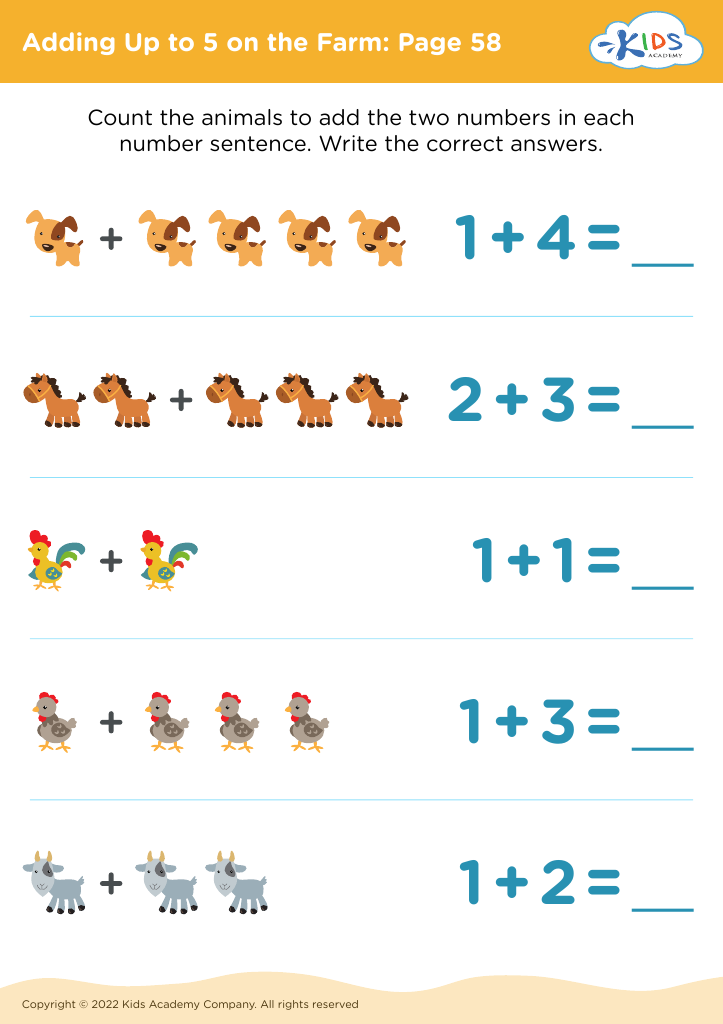
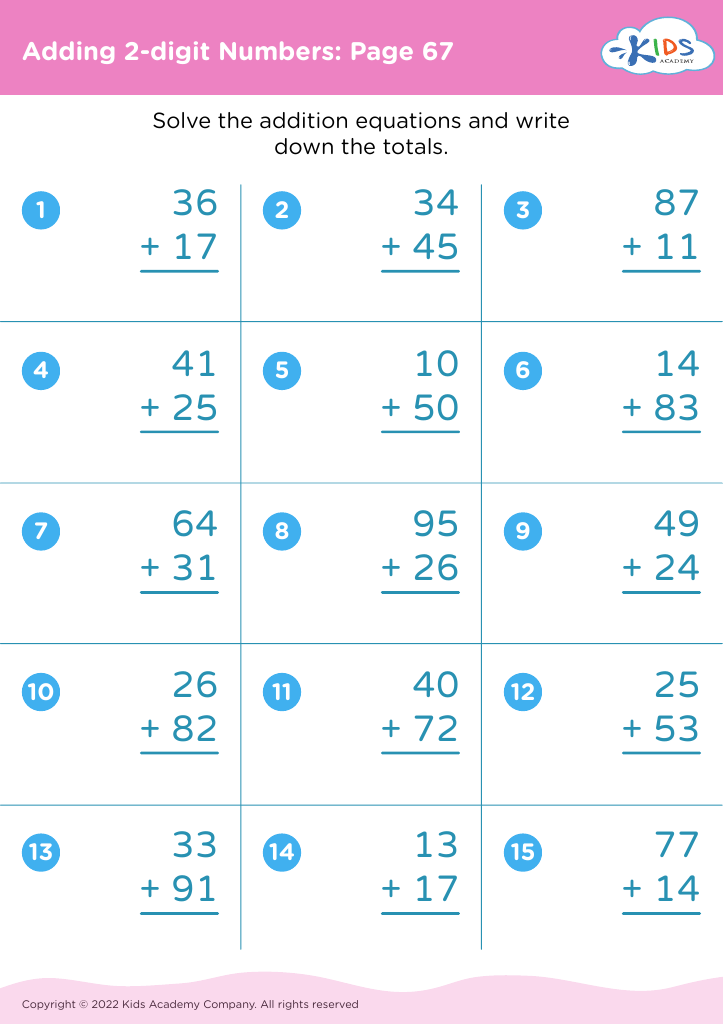
Discover our engaging Mental Math Development Worksheets designed specifically for children ages 4-9! These worksheets are crafted to enhance essential math skills through fun and interactive exercises. With a focus on critical thinking and problem-solving, your child will practice addition, subtraction, and more in a supportive environment. Each worksheet is age-appropriate and progressively challenging, making learning enjoyable while building confidence in their math abilities. Perfect for home or classroom use, our resources cater to various learning styles. Encourage a love for math in your child today with our thoughtful, skill-building worksheets that lay a strong foundation for future success!
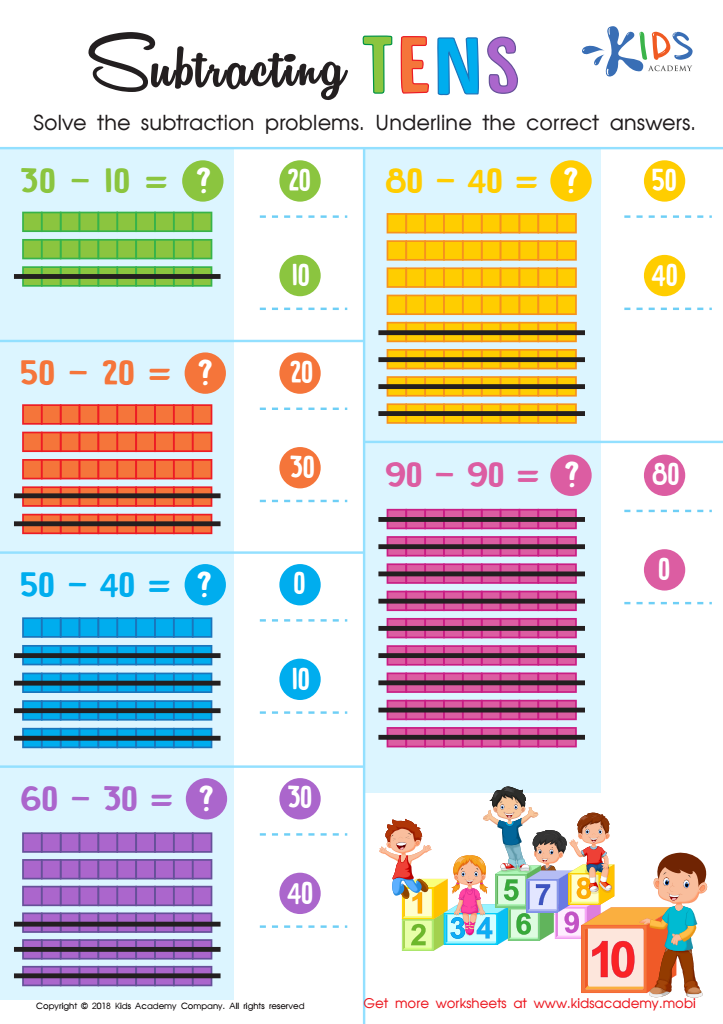
Subtracting Tens Worksheet
 Assign to My Students







.jpg)
Mental math development for children aged 4-9 is vital for several reasons. First, it lays the foundation for critical mathematical concepts and reasoning skills that children will use throughout their educational journey. Early competency in mental math helps children develop number sense, which is essential for understanding more complex mathematical operations later on.
Secondly, encouraging mental math boosts confidence in young learners. When children practice mental calculations, they become adept at manipulating numbers, which not only enhances their computational skills but also fosters a sense of achievement. This self-assurance can lead to a positive attitude towards learning mathematics, reducing math anxiety in later years.
Additionally, mental math skills help improve children's problem-solving abilities. By learning to calculate and think quickly and independently, they can tackle real-life situations that require numerical reasoning, enhancing daily decision-making and logical thinking.
Furthermore, engaging in mental math cultivates cognitive skills such as memory, attention, and the ability to break problems down into manageable parts. Overall, supporting mental math development is crucial for parents and teachers to ensure children grow into capable, confident learners, ready to face academic challenges with enthusiasm and resilience.








