Number formation Worksheets for Ages 4-9
3 filtered results
-
From - To
Discover our engaging number formation worksheets designed specifically for children aged 4-9! These innovative resources help young learners master number recognition and writing skills with fun, interactive activities. Our worksheets feature colorful designs and charming illustrations to capture your child's attention and make learning enjoyable. Designed by educational experts, these materials promote fine motor skills, enhance cognitive development, and encourage independent learning. Perfect for both classroom use and at-home practice, these worksheets cater to various skill levels, ensuring that every child can thrive. Start your child's journey towards mathematical confidence and fluency with our exciting number formation worksheets today!
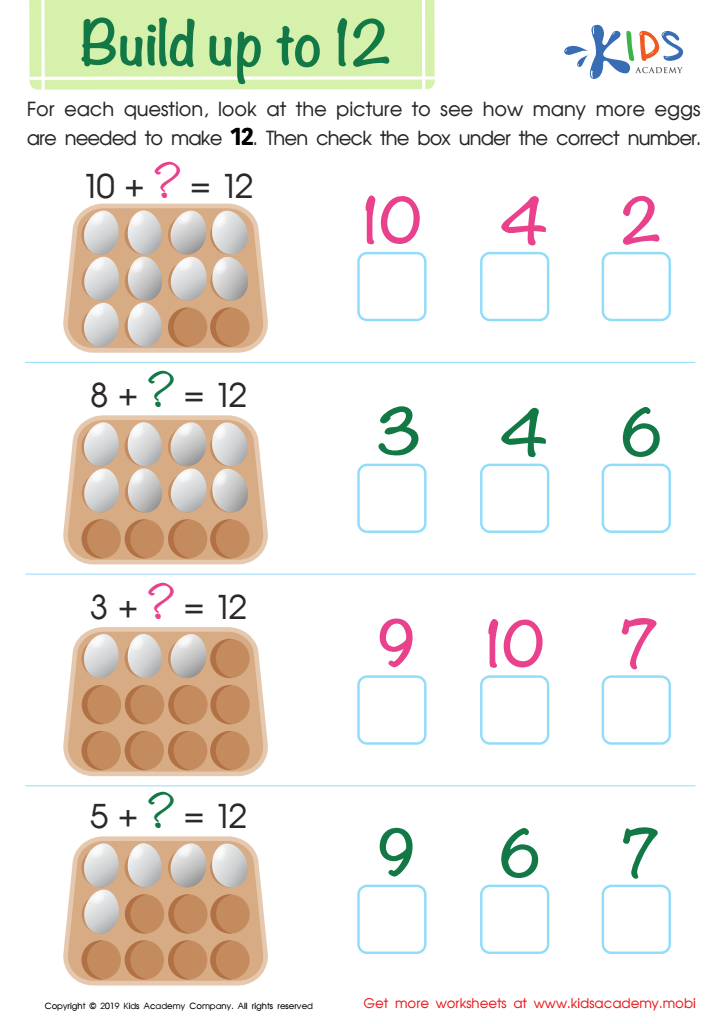
Build up to 12 Worksheet
 Assign to My Students
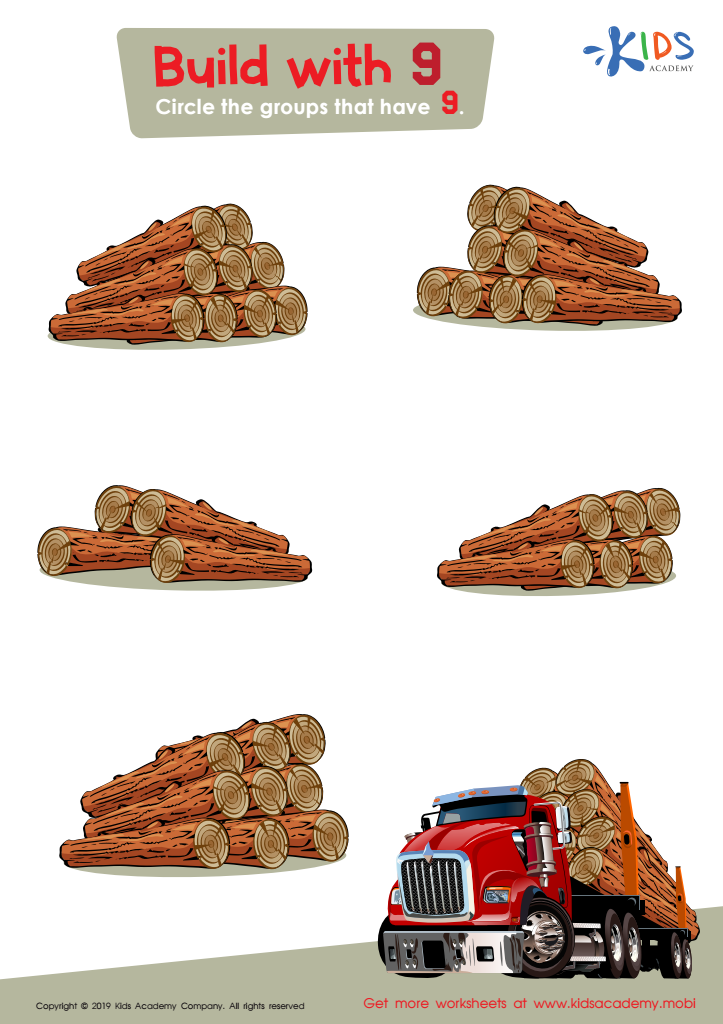
Build with 9 Worksheet
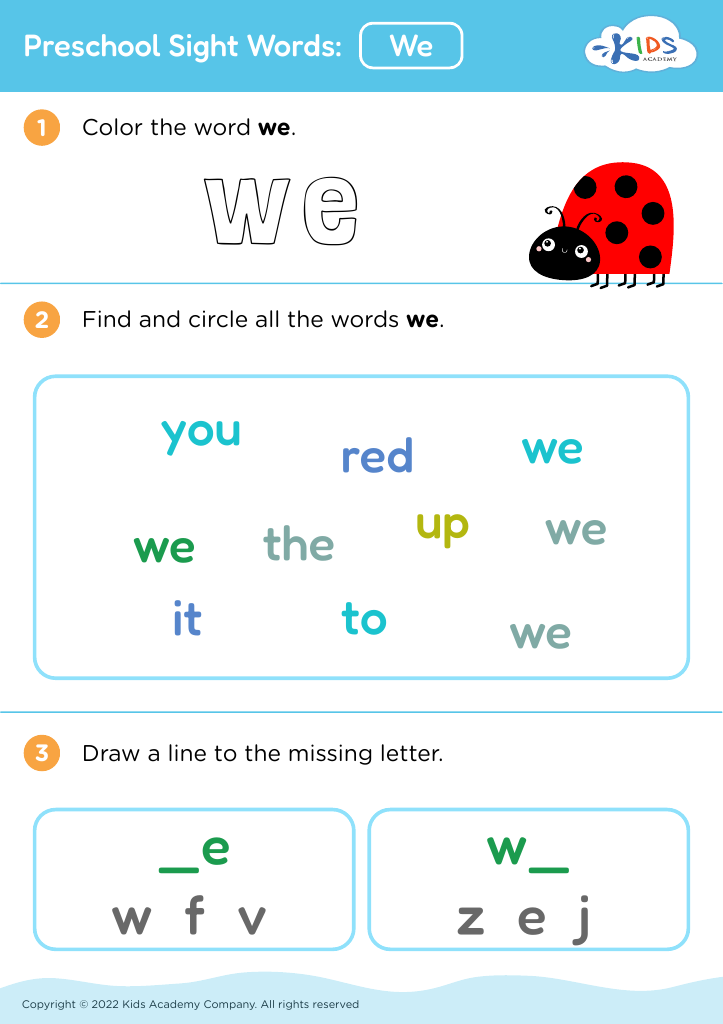





.jpg)


Number formation is a foundational skill that plays a crucial role in the mathematical development of children aged 4-9. Mastering how to properly form numbers not only sets the groundwork for future arithmetic skills but also enhances fine motor coordination, which is essential for writing and other educational tasks. When children learn to articulate and form numbers correctly, they become more confident in their mathematical abilities, which can lead to a positive attitude towards math in later years.
Additionally, proper number formation promotes clarity and reduces confusion during both learning and assessment. If a child develops poor habits or inconsistent number formation, it can hinder their ability to effectively communicate mathematical ideas both on paper and verbally. For parents and teachers, supporting children in mastering number formation means instilling attention to detail and fostering a sense of pride in their work. These skills also contribute towards better organization, which is essential in classroom settings and beyond.
Moreover, with early interventions, adults can help children address any difficulties early on, preventing further challenges as they progress to more complex mathematical concepts. Thus, understanding and prioritizing number formation is crucial for cultivating both foundational math skills and a broader appreciation for learning.








