Practice inference skills Worksheets for Ages 4-9
4 filtered results
-
From - To
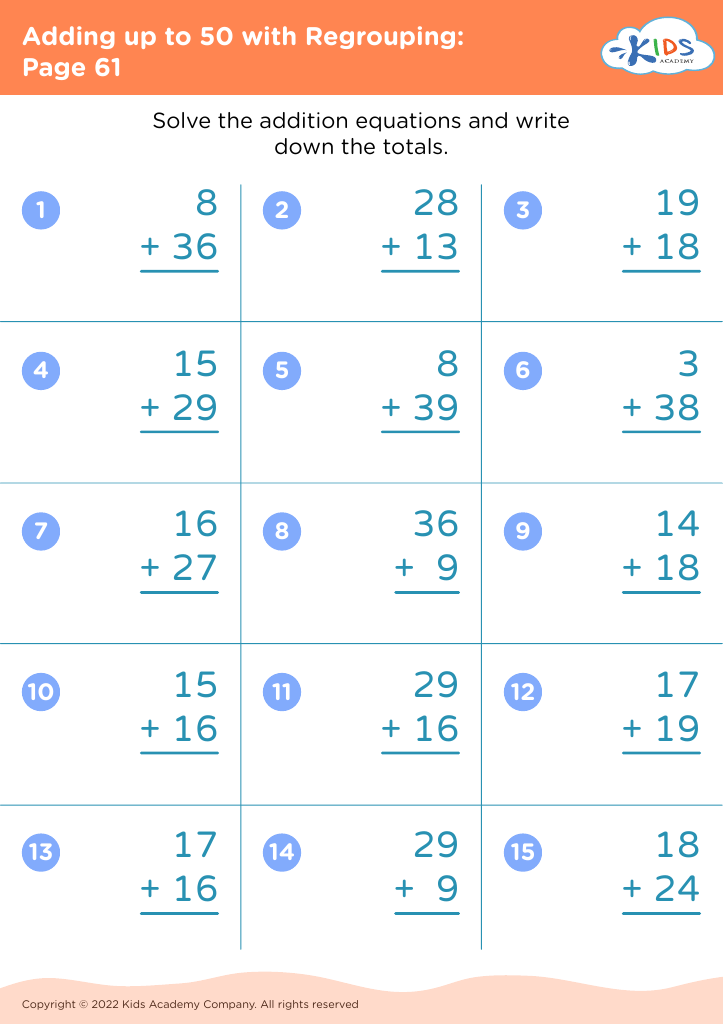
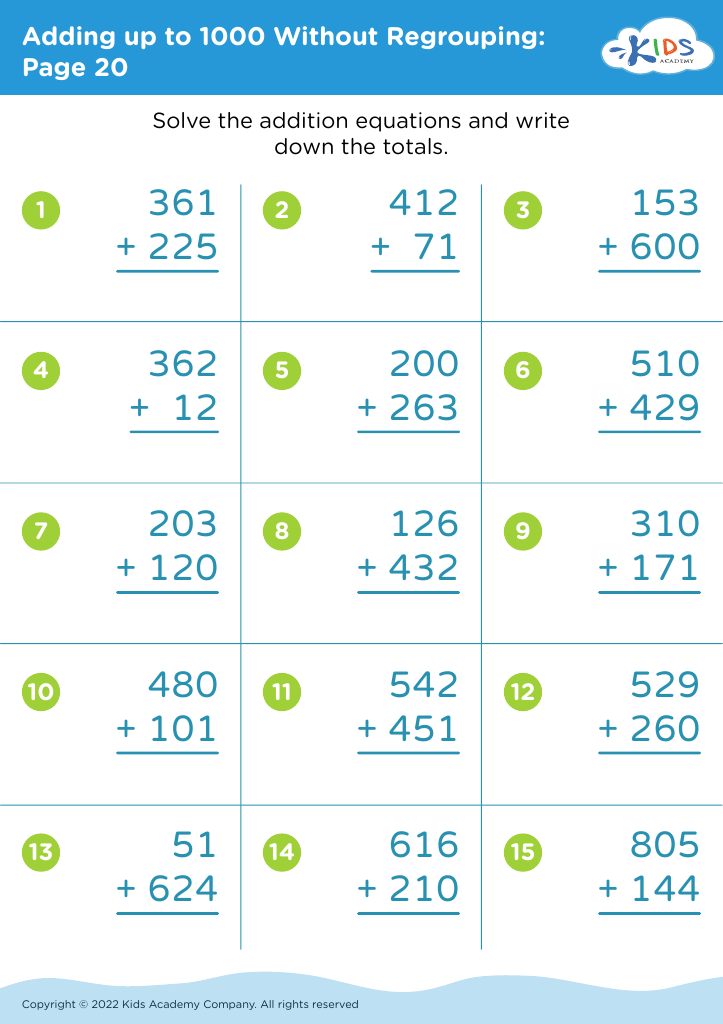
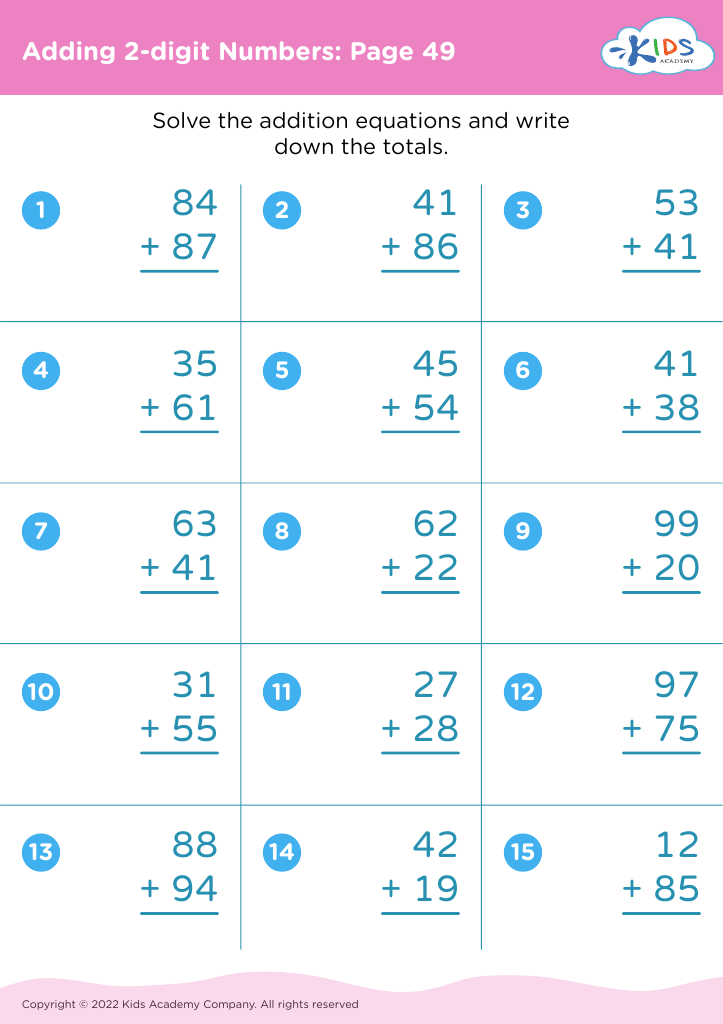
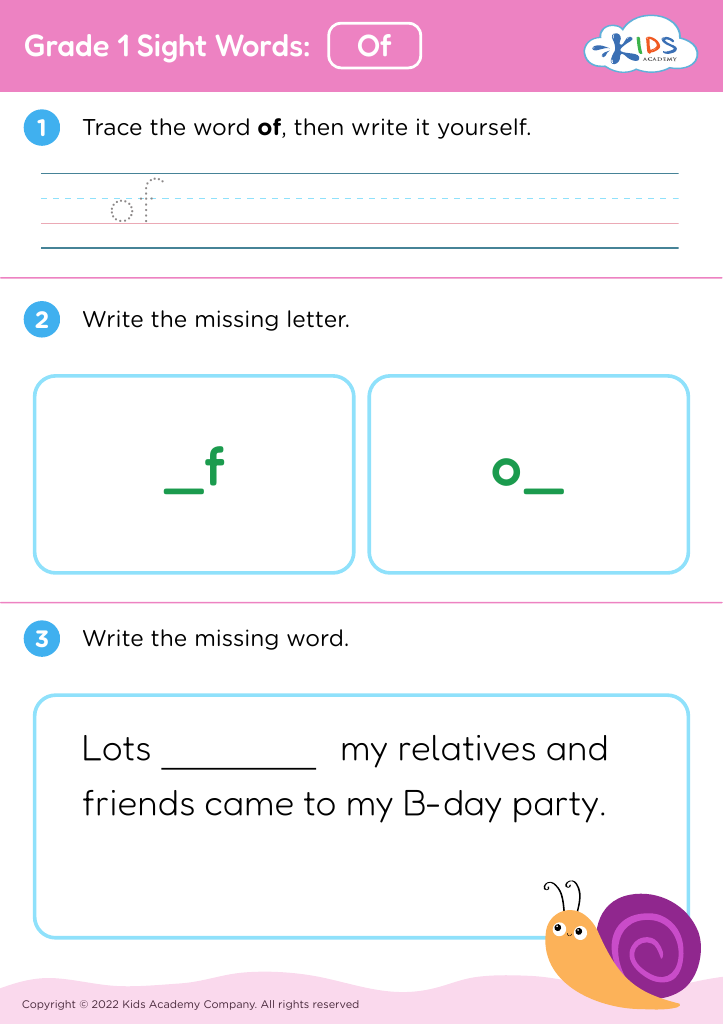
Enhance your child's critical thinking with our "Practice Inference Skills Worksheets for Ages 4-9" designed by Kids Academy! These engaging worksheets help young learners develop the ability to draw conclusions and make educated guesses based on clues and evidence within texts and images. With fun, age-appropriate activities, your child will build essential comprehension skills, improve analytical thinking, and foster a love for reading. Perfect for at-home learning or classroom use, these worksheets offer a blend of education and entertainment. Download today to give your child a head start in critical thinking and problem-solving abilities!





Practice inference skills in children aged 4-9 is crucial for several reasons. Inference—the ability to read between the lines and understand implicit meaning—enhances overall comprehension, a foundation for effective communication and reading success. When kids make inferences, they connect prior knowledge with new information, promoting deeper understanding.
Engaging in inference activities at a young age fosters critical thinking. Kids learn to predict outcomes, understand characters' emotions, and grasp storylines better. These skills lay the groundwork for academic success across subjects, as students navigate increasingly complex texts.
Moreover, inference encourages problem-solving. Navigating situations without explicit instructions mirrors real-life scenarios, helping children become adaptable thinkers. It's not just about academics; strong inferencing skills also aid social interactions. Understanding others' feelings and intentions cultivates empathy and improved relationships.
Teachers and parents can nurture these skills through engaging questions, interactive read-alouds, and daily conversations, enriching vocabulary and cognitive development. Supportive, inference-rich environments transform routine activities into learning opportunities, making the development of this skill both fun and natural. Investing in inference practice early equips children with a vital, lifelong tool, underpinning their educational journey and enhancing social competence.








