Tracing practice Worksheets for Ages 4-9
3 filtered results
-
From - To
Welcome to our Tracing Practice Worksheets for Ages 4-9! Designed to enhance fine motor skills, these engaging worksheets help young learners master essential writing techniques through fun activities. Featuring a variety of shapes, letters, and numbers, our tracing resources encourage creativity while building confidence in handwriting. Ideal for preschool and early elementary students, each worksheet supports cognitive development and aids in improving coordination. Whether at home or in the classroom, these printable worksheets provide effective practice tailored to various learning levels. Visit our website to download your free tracing worksheets and help your child embark on their writing journey today!
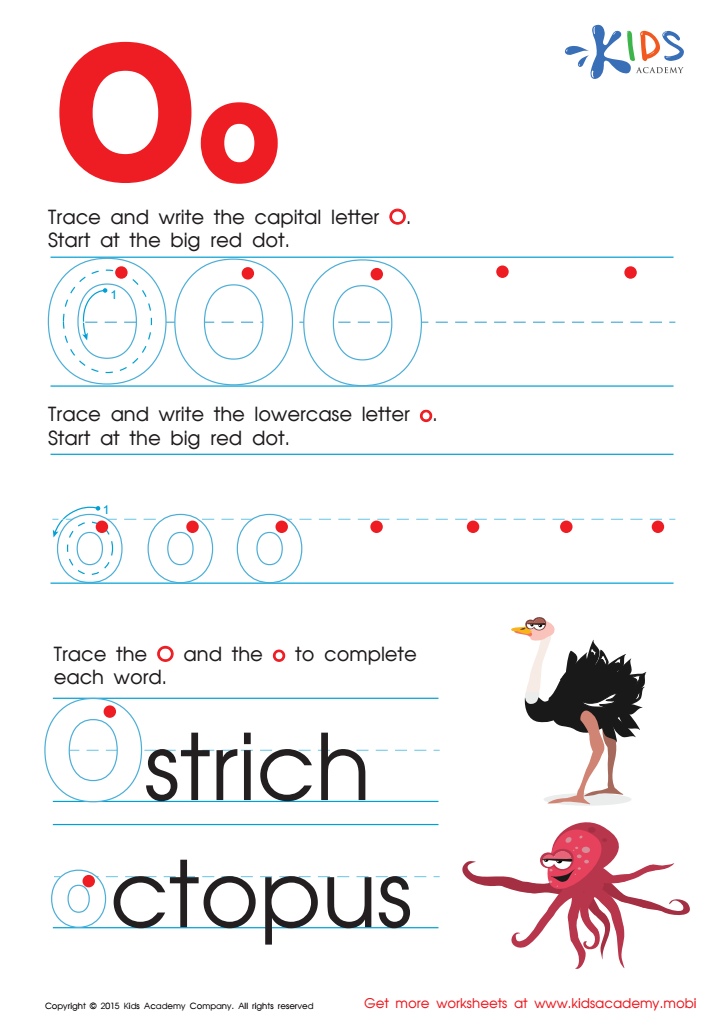
Letter O Tracing Page
 Assign to My Students
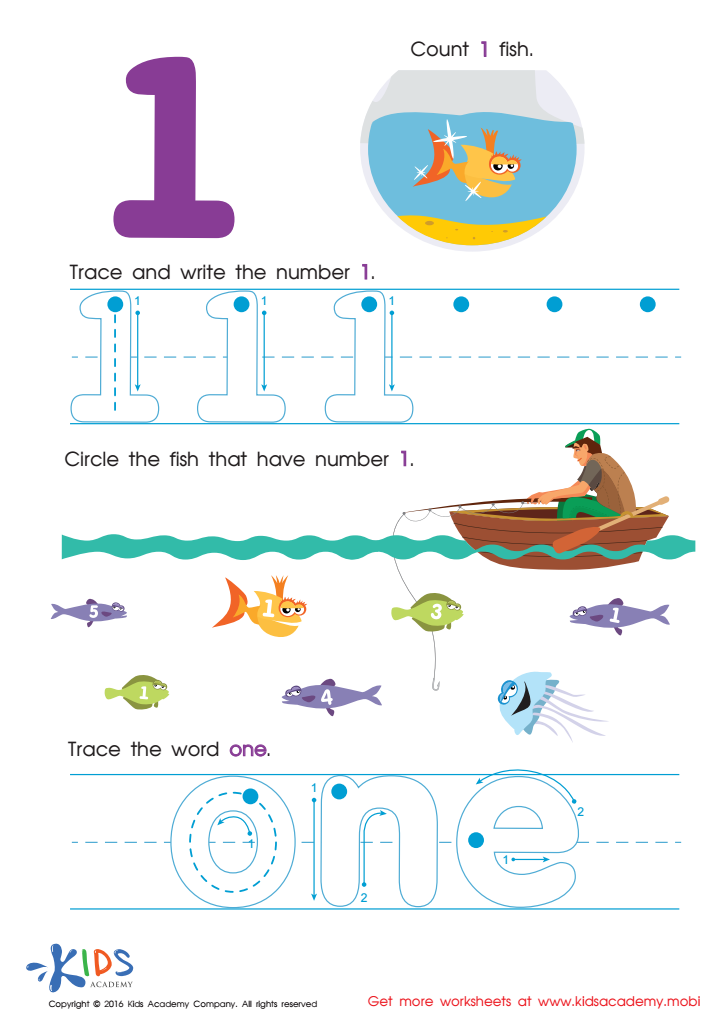
Learning to Write 1 Worksheet
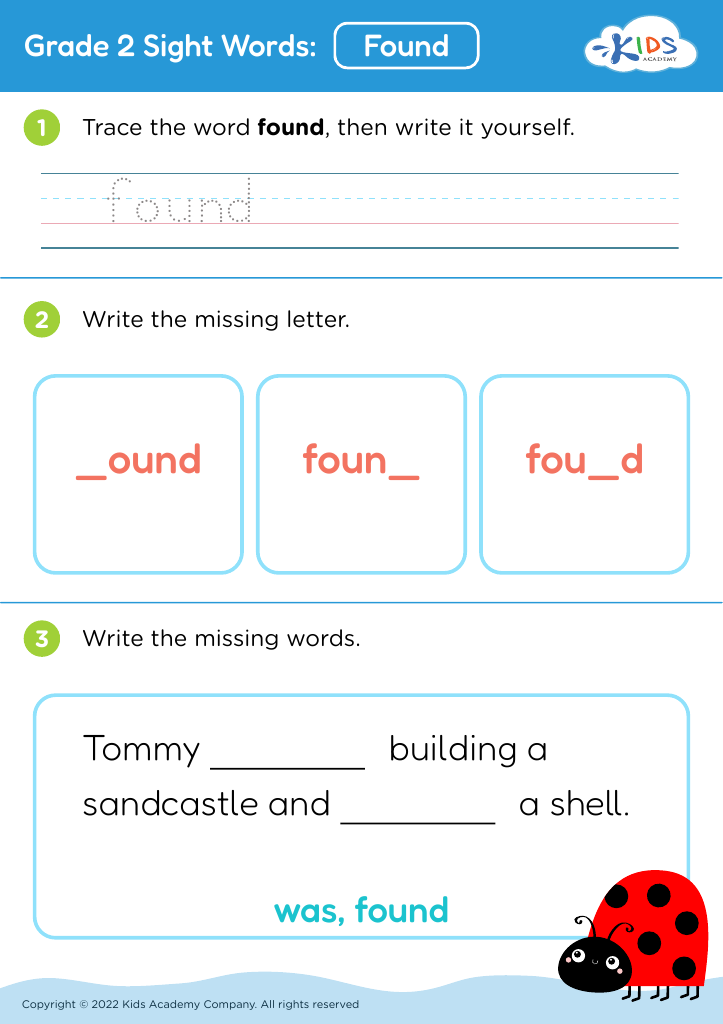








Tracing practice is vital for children aged 4-9 as it serves as a foundational skill that supports their overall development in literacy, motor skills, and cognitive growth. For parents and teachers, fostering tracing activities can help strengthen hand-eye coordination and fine motor skills, which are essential for writing and other common tasks.
Tracing also helps children learn letter shapes, numbers, and sequential patterns, paving the way for better handwriting and literacy skills. This early exposure to letters and numbers in a hands-on way encourages recognition and recall, aiding in vocabulary and reading readiness.
Moreover, tracing exercises foster concentration and focus, as children practice by following lines and shapes, promoting patience and perseverance. This repetition builds confidence, making children more comfortable when they begin to write independently.
Beyond physical and cognitive benefits, tracing facilitates creative expression. Children can enjoy colors and design while engaged in tracing activities, making learning exciting and interactive.
Ultimately, parents and teachers should invest time in tracing practice, as it lays a strong foundation for essential skills, setting children on a path for success in their academic journey and fostering a lifelong love for learning.








