Understand sequences Worksheets for Ages 4-9
5 filtered results
-
From - To
Discover our "Understand Sequences Worksheets" for ages 4-9, thoughtfully designed to nurture young learners' logical thinking and pattern recognition. These engaging and interactive worksheets help children grasp the concept of sequences by arranging numbers, pictures, and events in order, thereby honing their problem-solving and critical-thinking skills. Our age-appropriate material is crafted to cater to various learning styles with playful exercises and colorful illustrations. Perfect for both classroom and home learning, these worksheets ensure a fun and educational experience, laying a solid foundation for math and literacy development. Enhance your child's cognitive abilities with our expertly designed sequence worksheets today!
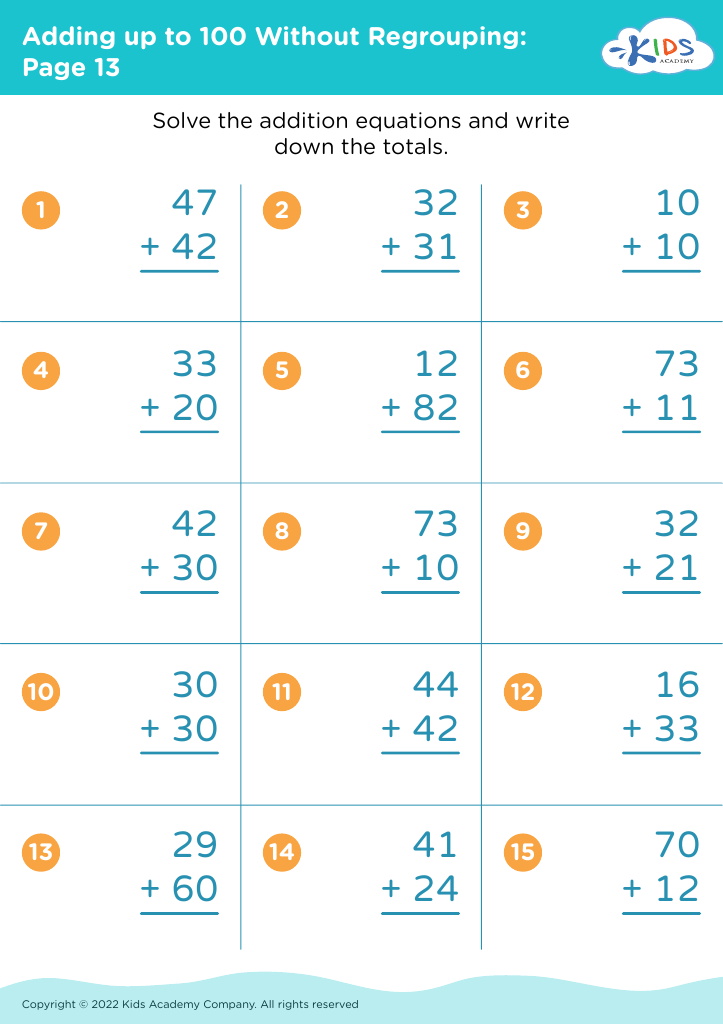
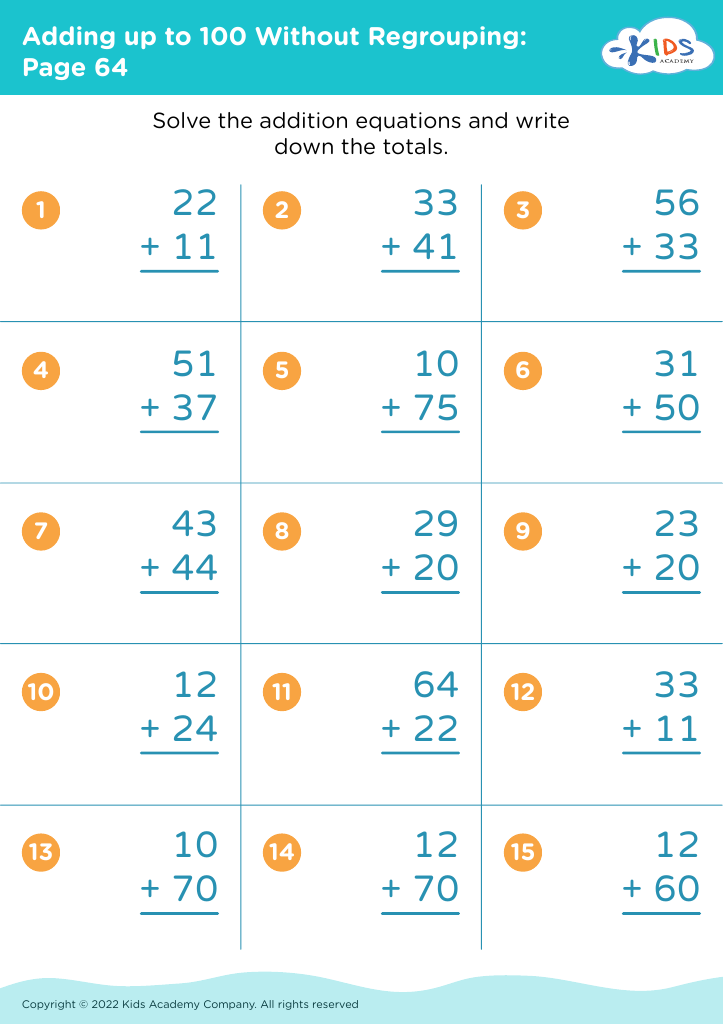
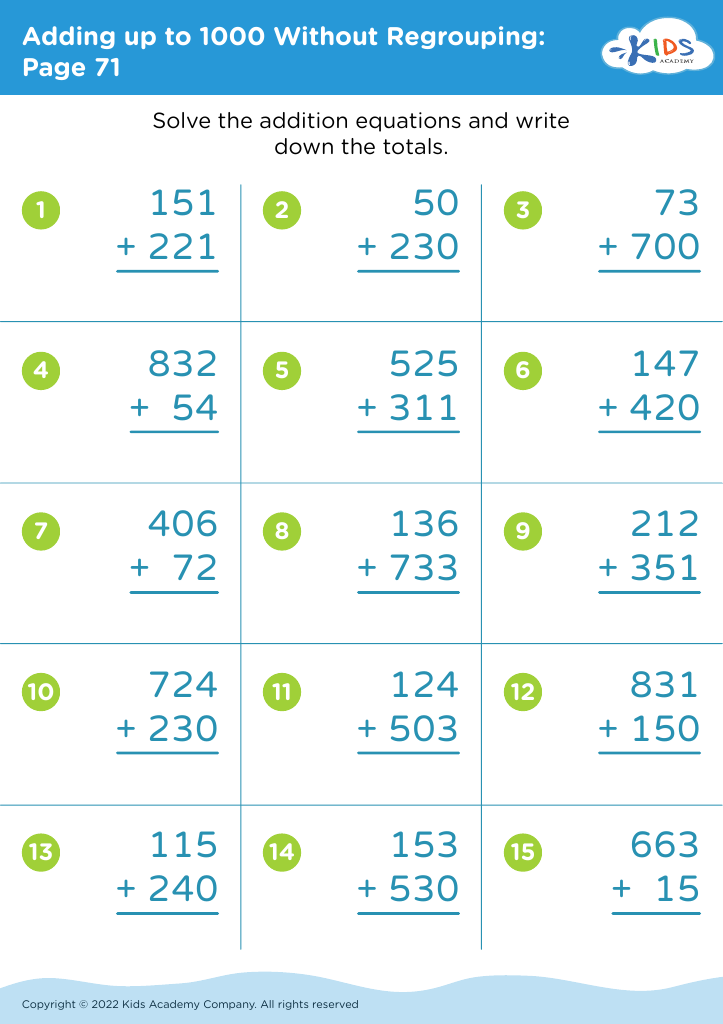
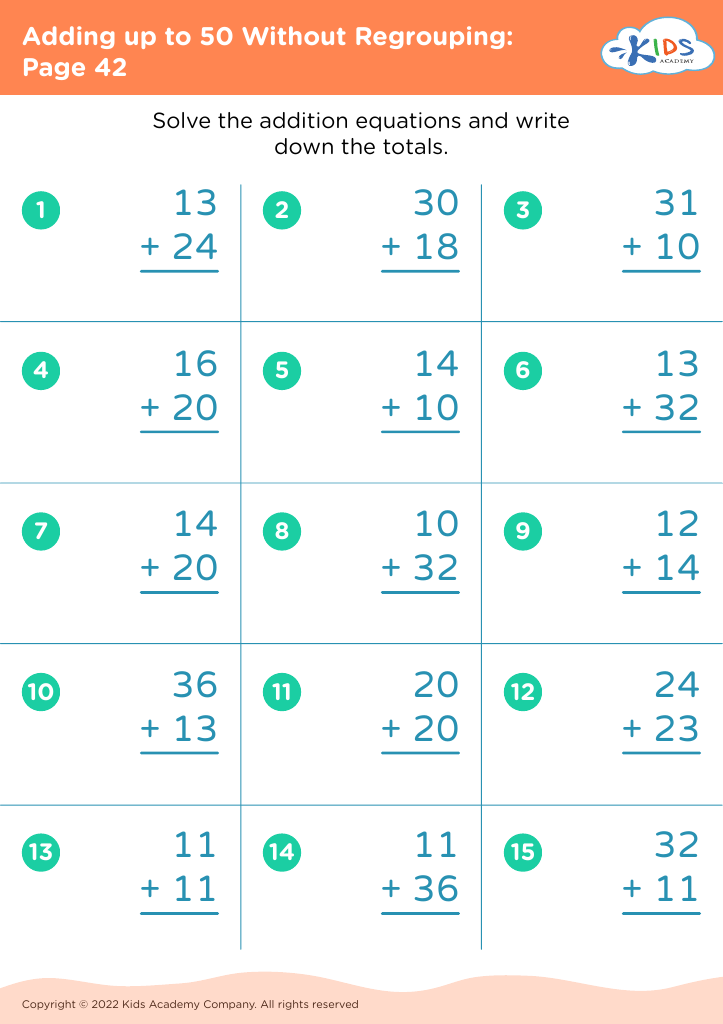
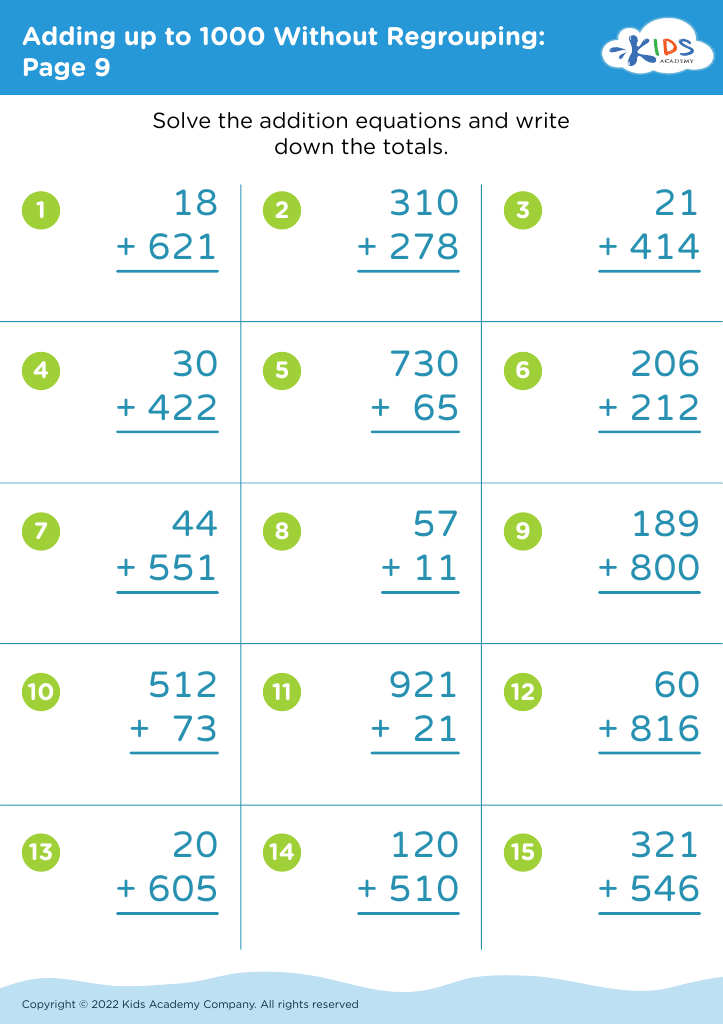








Understanding sequences is a foundational skill in early childhood development that parents and teachers should prioritize for young children aged 4-9. This cognitive ability helps children recognize order and predictability in their environment, important for both academic success and everyday life skills.
Sequences form the basis of comprehension in math, reading, and science. In math, patterns and sequences underpin basic concepts of addition, subtraction, and multiplication. Recognizing numeric, shape, and color patterns aids in problem-solving and logical thinking. In reading, understanding sequences allows children to grasp story plots, make predictions, and build coherent narratives.
Beyond academics, sequencing skills are crucial in daily activities and personal development. For instance, following a sequence of steps is essential in routines like brushing teeth, getting dressed, or understanding the order of events in games or social interactions. This helps in building independence and responsibility.
In addition, the ability to sequence events promotes better memory and attention to detail, reinforcing cognitive skills such as focus and organization. Fostering these skills creates a solid foundation for future learning and maturity, making it vital for parents and teachers to integrate sequencing activities, such as storytelling, pattern games, and step-by-step exercises, into children's daily routines.








