Understanding clocks Worksheets for Ages 4-9
6 filtered results
-
From - To
Welcome to our "Understanding Clocks Worksheets" for ages 4-9! This engaging collection of printable worksheets is designed to help young learners grasp essential time-telling skills in a fun and interactive way. With activities that focus on both analog and digital clocks, children will master the basics of reading time, including hours and half-hours. Our worksheets feature colorful illustrations and various exercise styles, allowing kids to practice while enhancing their critical thinking and problem-solving abilities. Great for classroom or home use, these resources nurture early math skills and confidence in understanding the concept of time, laying a strong foundation for future learning.
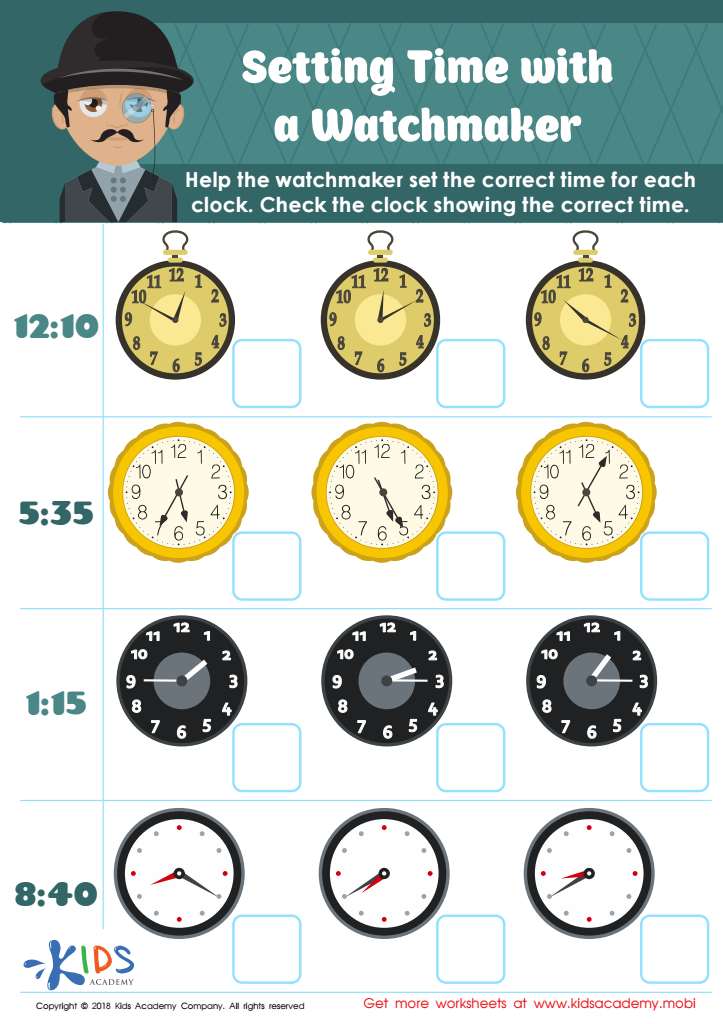
Setting Time with Watchmaker Worksheet
 Assign to My Students
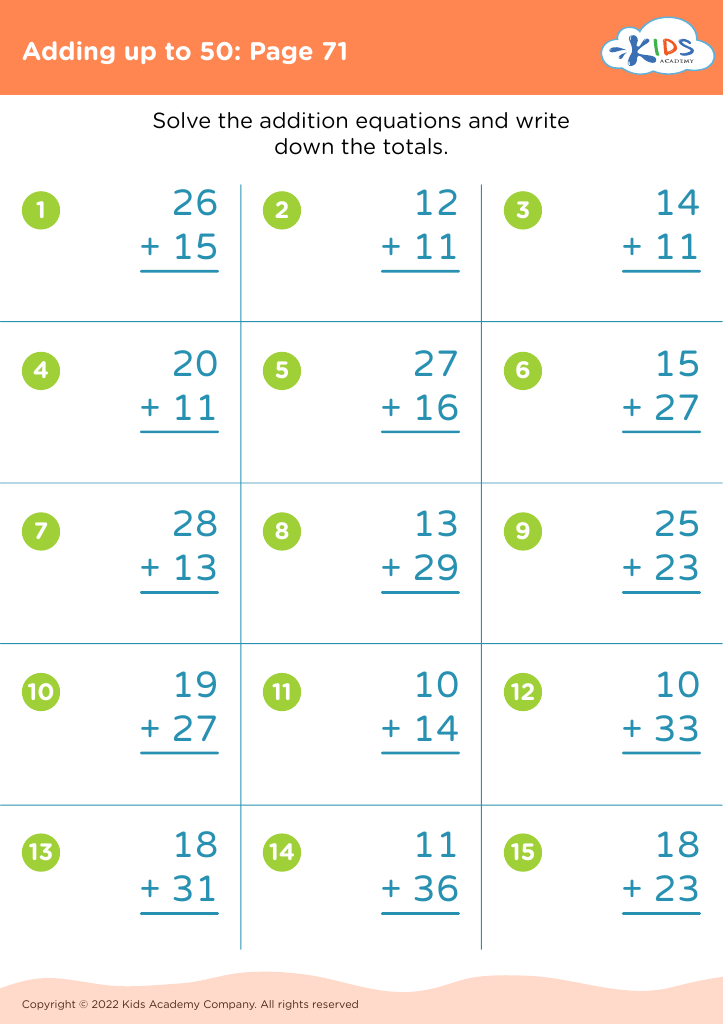
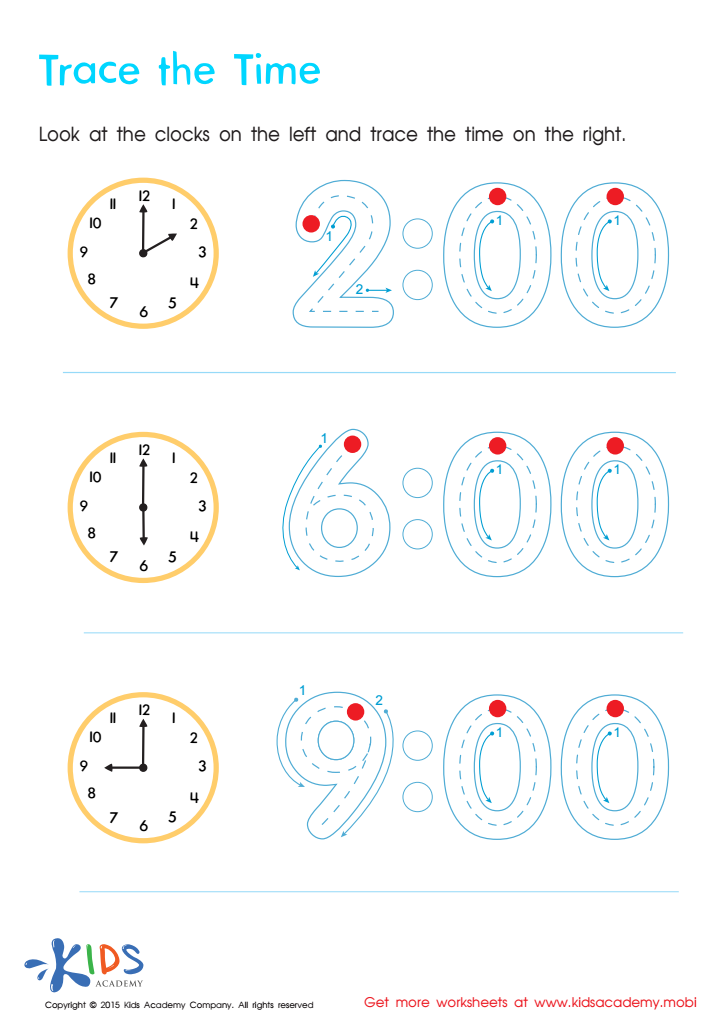
Telling The Time Worksheet: Part 2
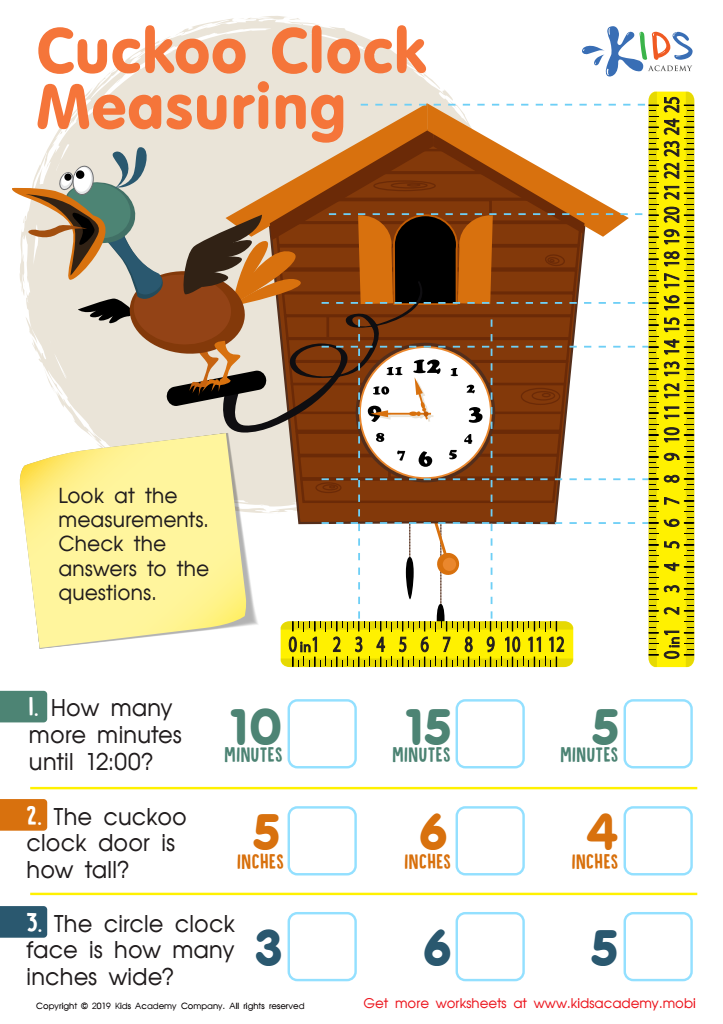
Cuckoo Clock Measuring Worksheet
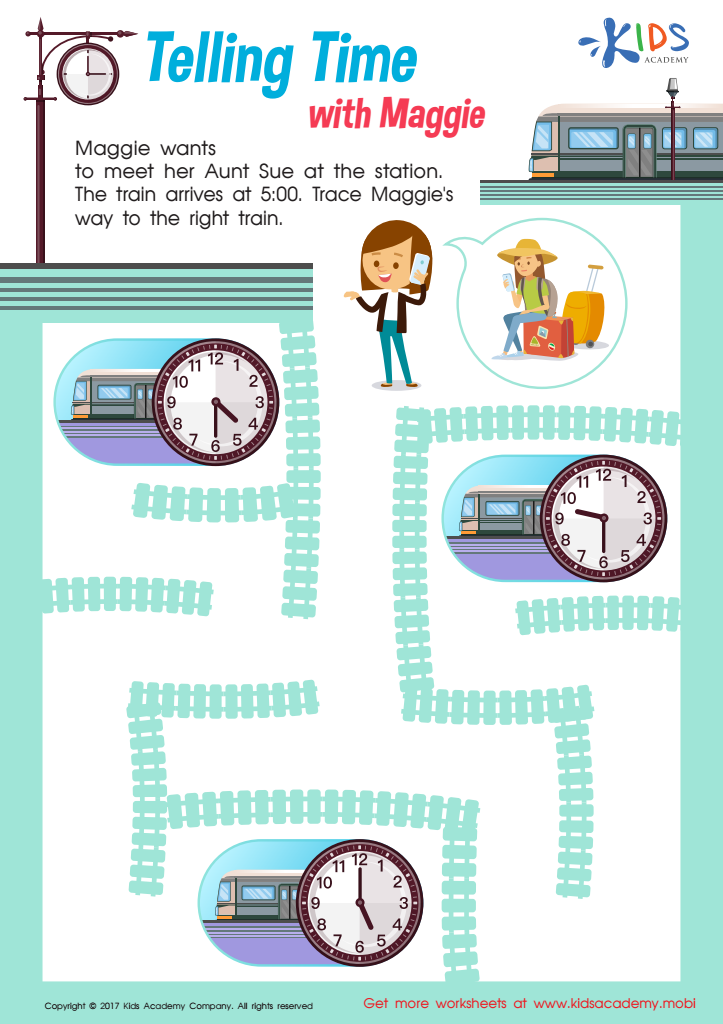
Telling Time With Maggie Time Worksheet







Understanding clocks is a fundamental skill that significantly shapes a child's cognitive and practical abilities, making it essential for parents and teachers to prioritize this learning for children ages 4-9. Mastering the concept of time helps kids develop crucial reasoning, problem-solving, and organizational skills. It not only aids in establishing routines, which can enhance their sense of security and independence, but also helps them manage their daily tasks more effectively.
Moreover, learning to read clocks fosters mathematical skills such as counting by fives and learning fractions, especially when distinguishing between hours and minutes. Engaging with clocks in various contexts, like scheduled activities or synchronizing with peers, promotes communication skills and social interaction.
Awareness of time also cultivates patience and time management skills, crucial for academic success as children progress. It empowers them to envision the future by setting goals that require timed actions, such as completing homework or participating in extracurriculars.
By emphasizing clock comprehension, parents and teachers lay a robust foundation for children that enriches their academic experiences and everyday life skills—an investment that reverberates throughout their education, promoting better habits and self-discipline in their formative years and beyond.








