Understanding more/less concept Worksheets for Ages 4-9
3 filtered results
-
From - To
Explore our engaging "Understanding More/Less Concept" worksheets designed for children ages 4-9. These interactive resources help young learners grasp vital mathematical skills while distinguishing between quantities. Fun activities include comparing groups, identifying greater or lesser amounts, and enhancing their number sense. Our worksheets support various learning styles, allowing children to solve problems through visual aids and hands-on exercises. Ideal for home or classroom use, these materials foster a solid numerical foundation, making math enjoyable for early learners. Discover how to cultivate confidence in mathematics and encourage critical thinking with our thoughtfully designed worksheets today!
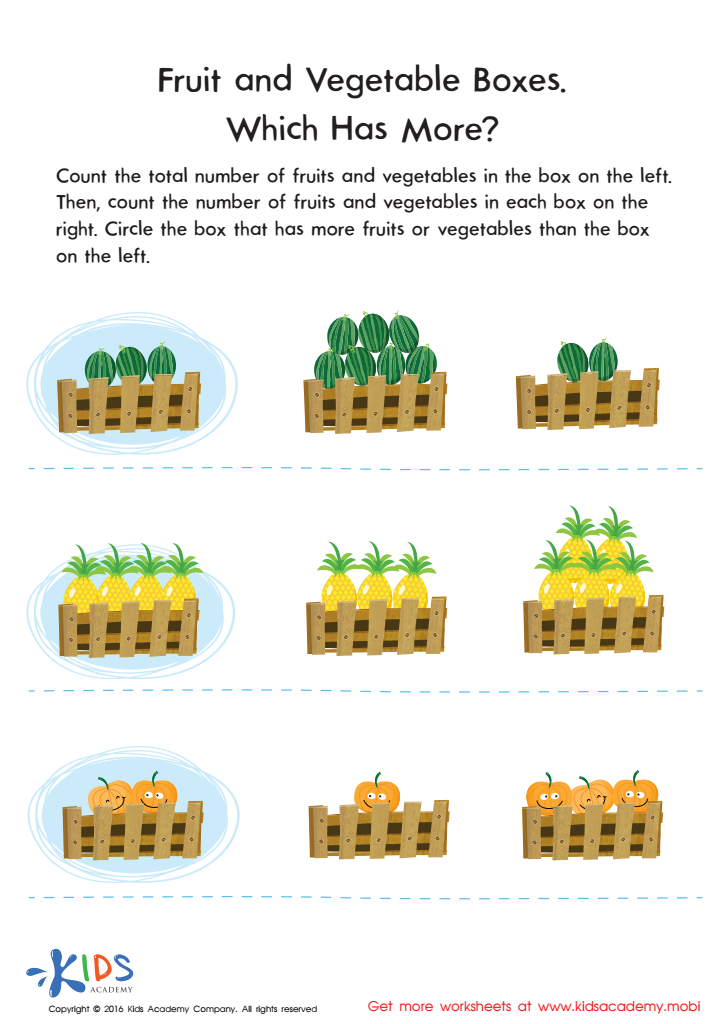
Which Has More? Size Worksheet
 Assign to My Students
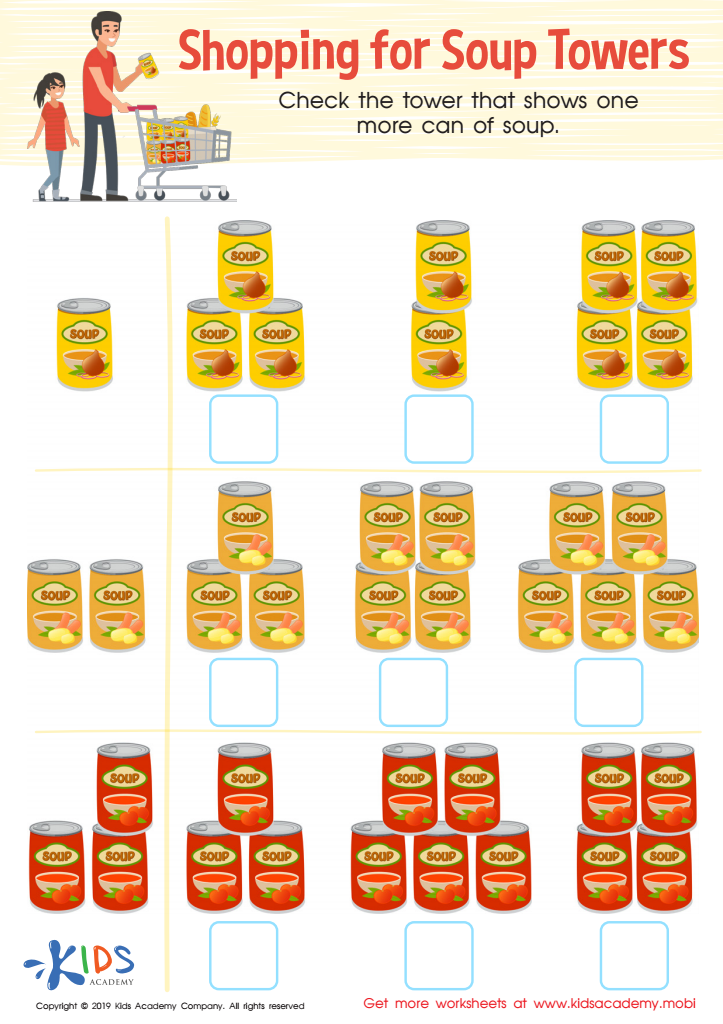
Soup Towers Worksheet
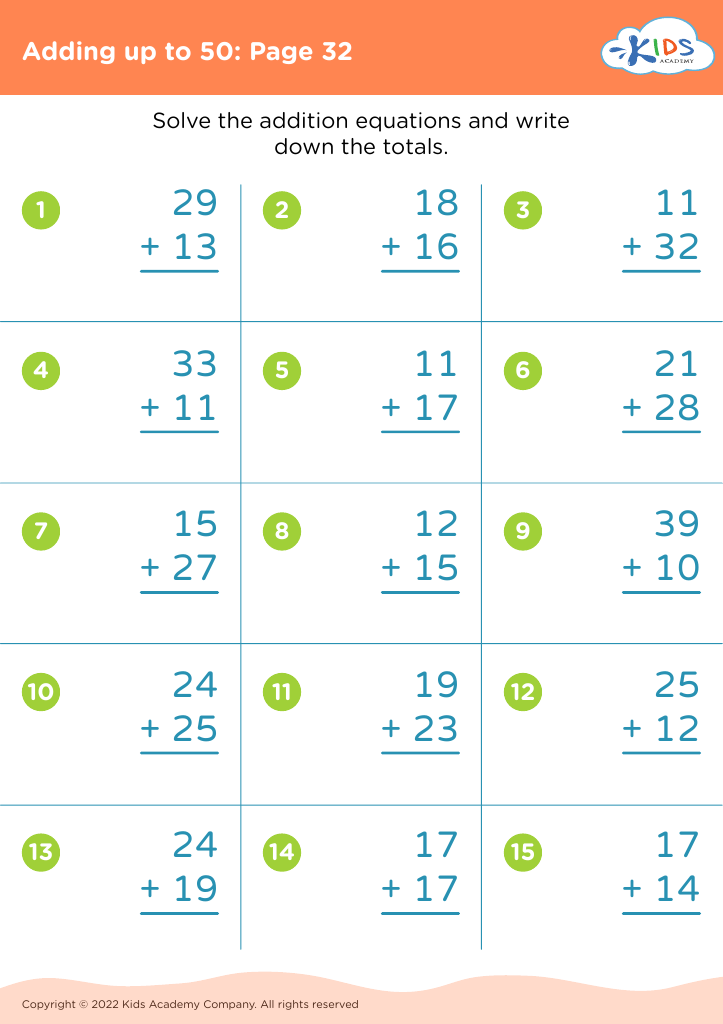







Understanding the concepts of "more" and "less" is crucial for young children aged 4-9, as it lays the groundwork for their mathematical development and cognitive skills. These concepts are among the first numerical ideas children encounter, serving as a bridge to addition, subtraction, and eventually more complex operations. When children grasp the meaning of "more" and "less," they begin to understand quantity, comparison, and relationships between numbers, fostering essential problem-solving and critical thinking abilities.
Parents and teachers play a vital role in this learning process. Engaging children with activities that involve sorting, counting, and comparing various objects can reinforce these concepts in a fun and interactive way. For example, using everyday scenarios like snack time, where children identify which group has more or less, connects learning to real-life contexts.
Promoting an understanding of "more" and "less" also encourages children to develop language skills, as they learn to articulate their observations and reasoning. Furthermore, it builds their confidence in mathematics and sets them on a path to enjoy math as they progress through school. Ultimately, nurturing this foundational knowledge prepares children for future academic challenges and supports their overall cognitive development.








