Understanding number values Worksheets for Ages 4-9
4 filtered results
-
From - To
Explore our "Understanding Number Values Worksheets" designed for children ages 4-9, perfect for building a strong foundation in math. These engaging and interactive worksheets help young learners grasp the concept of number values through fun exercises and colorful illustrations. By practicing number recognition, counting, and basic arithmetic, kids will enhance their math skills while enjoying the learning process. Each worksheet is tailored to varying skill levels, making it easy to implement in the classroom or at home. Foster a love for numbers and empower your child with the confidence to tackle math challenges! Printable fun awaits!
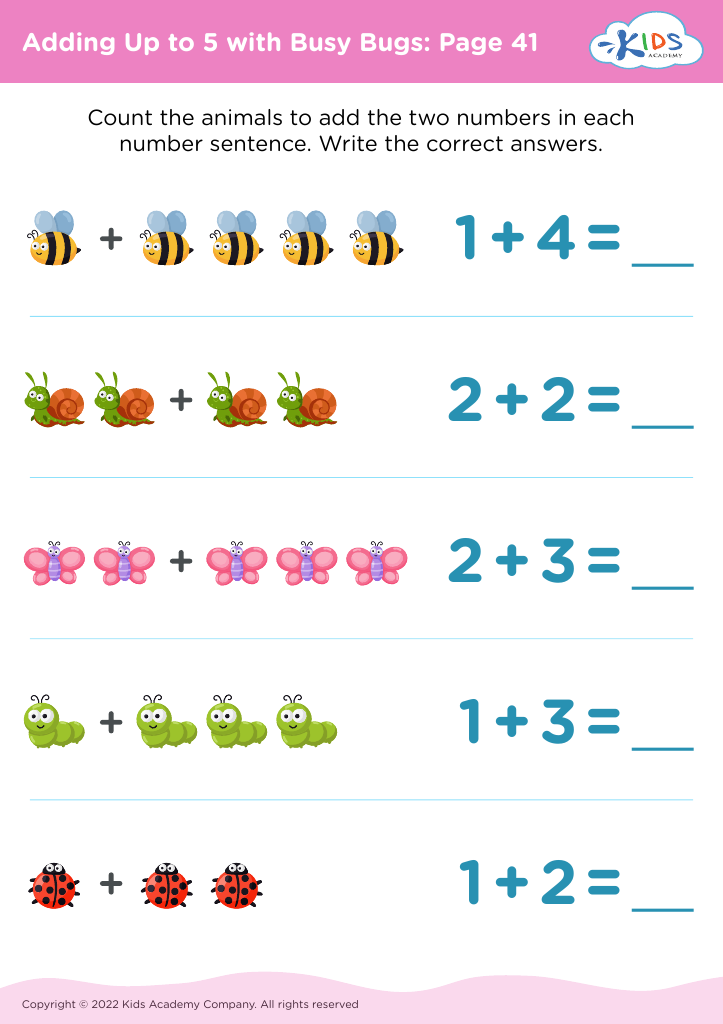
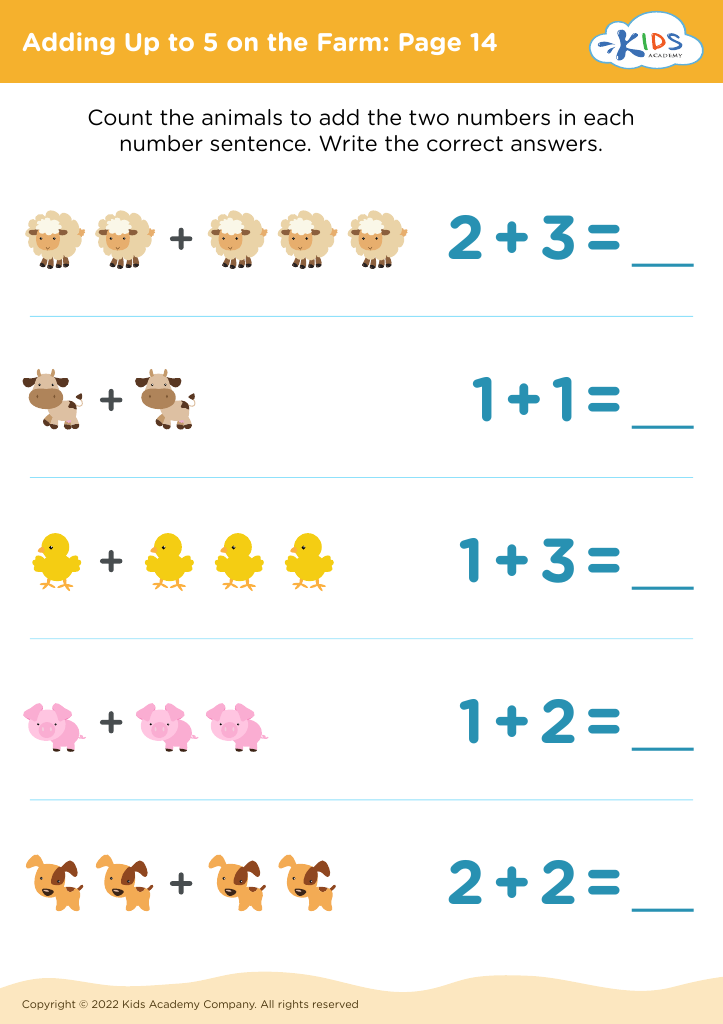
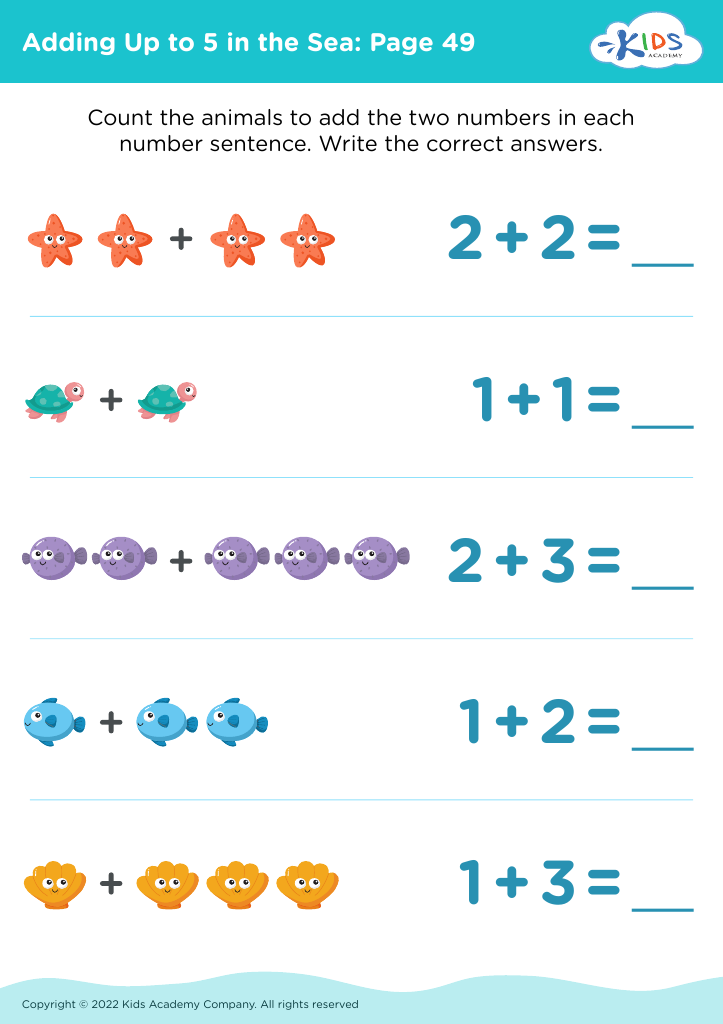
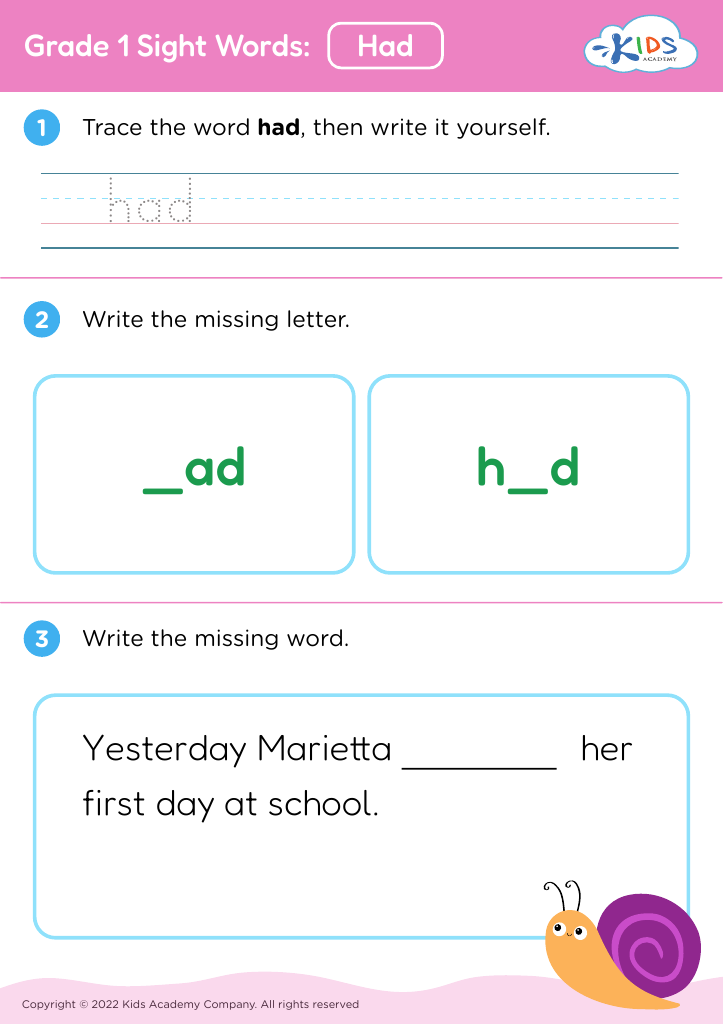







Understanding number values is foundational for children aged 4-9 as it lays the groundwork for their future mathematical skills and overall cognitive development. During these formative years, children are incredibly receptive to learning, and grasping the concept of number values helps them make sense of the world around them. When children understand number values, they can better engage in everyday activities such as counting objects, understanding money, measuring ingredients for cooking, and telling time.
Moreover, a solid comprehension of number values fosters critical thinking skills. Children learn to make connections between numbers and quantities, supporting problem-solving abilities they will utilize in academics and life. As they progress to more complex mathematics, such as addition, subtraction, and even multiplication, a historical grounding in number values will provide necessary confidence and competence.
Teachers and parents play a crucial role in facilitating this understanding through interactive games, real-life applications, and supportive interactions that encourage exploration and inquiry. Beyond academics, developing numerical literacy aids in boosting a child's self-esteem and independence. Investing in this essential skill early can help ensure children are prepared for later educational challenges, promoting lifelong enthusiasm for learning in mathematics and related fields.








