Understanding numerical values Worksheets for Ages 4-9
4 filtered results
-
From - To
Understanding numerical values is a foundational skill for young learners, and Kids Academy offers a comprehensive collection of worksheets for ages 4-9 to help children master this essential concept. Each worksheet is meticulously designed to engage and challenge kids while reinforcing their understanding of numbers, counting, and basic arithmetic. With colorful visuals and engaging activities, these worksheets make learning fun and effective. Whether helping your child with counting objects, recognizing numbers, or beginning simple addition and subtraction, these resources provide the perfect blend of education and enjoyment to support early numeracy development. Sign up for free today and inspire a love for numbers!
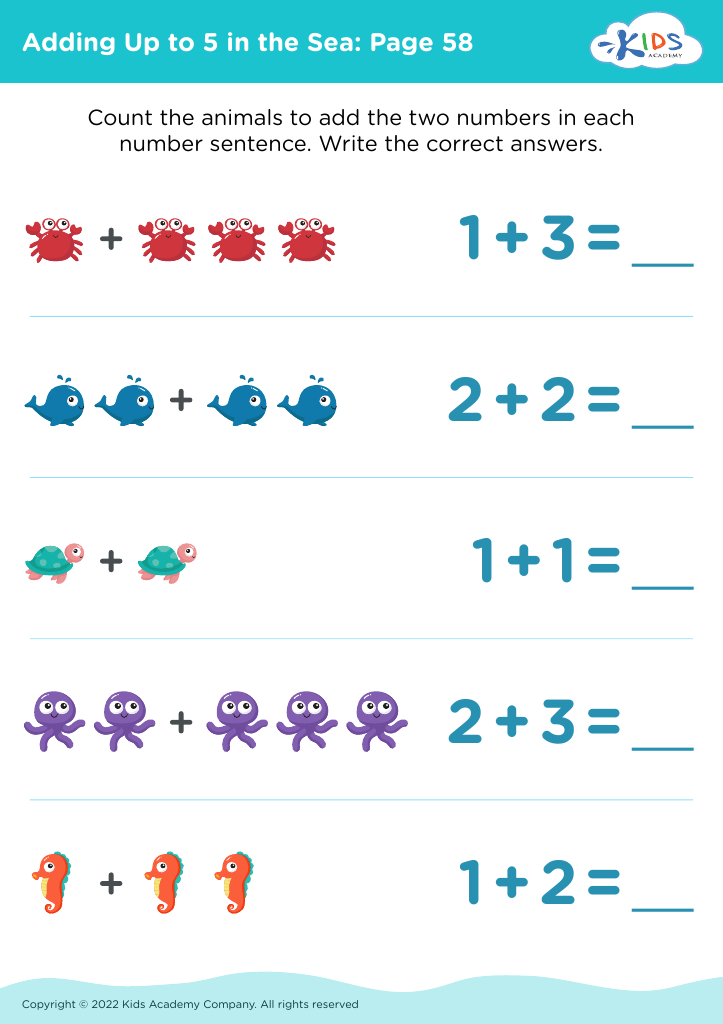
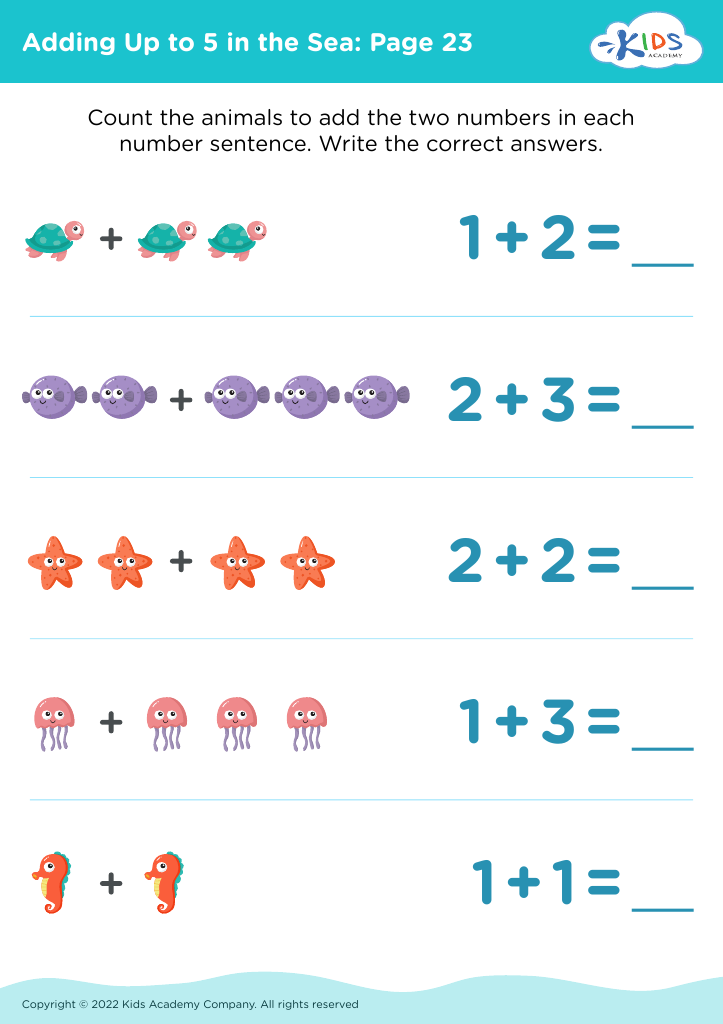
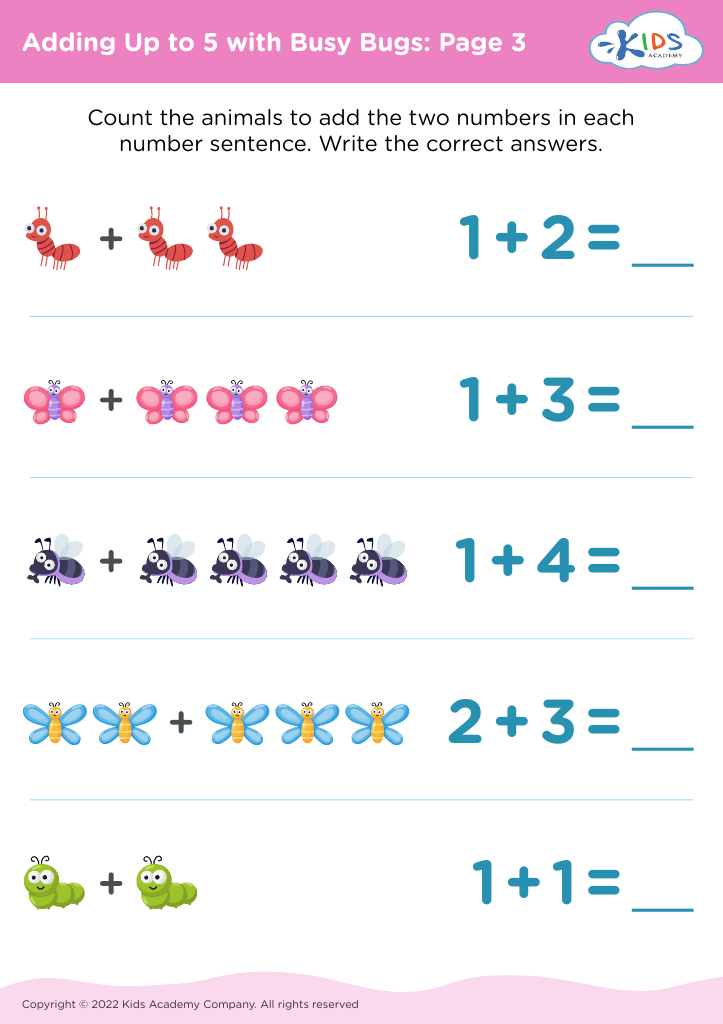
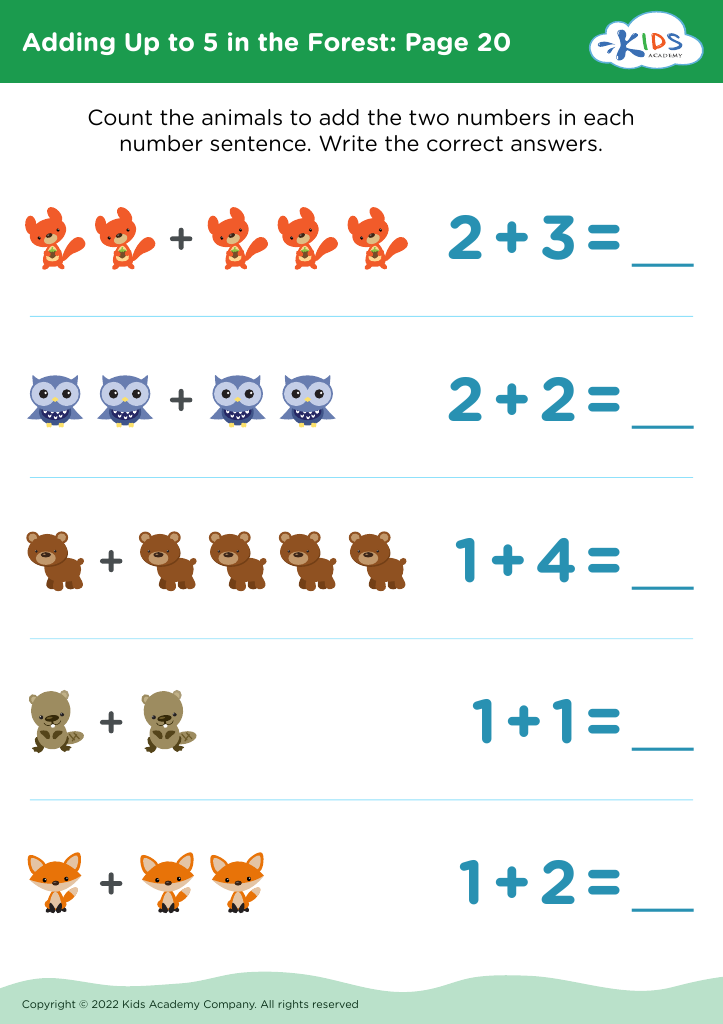







Understanding numerical values in early childhood sets the foundation for essential life skills and cognitive development. Ages 4-9 are pivotal years when children's brains are highly receptive to learning new concepts. Grasping numerical values at an early age helps kids develop strong mathematical thinking, which is crucial for future academic success.
Numerical understanding enhances problem-solving abilities and logical reasoning, offering kids a head start in subjects like arithmetic, geometry, and even advanced math in later years. Beyond academics, numerical skills influence daily activities such as telling time, measuring ingredients, or managing money. These experiences bolster self-confidence and independence.
For parents and teachers, nurturing numerical literacy fosters a growth mindset and an enthusiasm for learning. Encouraging positive experiences with numbers sparks curiosity and minimizes math anxiety. Simply put, kids who feel comfortable with numbers are more likely to enjoy and excel in math-related disciplines.
Moreover, numerical comprehension supports interpersonal skills, like taking turns and sharing, which often involve basic counting. By embedding numerical learning in playful and practical contexts, parents and teachers can make math both enjoyable and relevant, preparing kids with skills they’ll use throughout life. Understanding numerical values is thus a cornerstone for holistic development and lifelong success.








