Understanding quantity Worksheets for Ages 4-9 - Page 2
31 filtered results
-
From - To
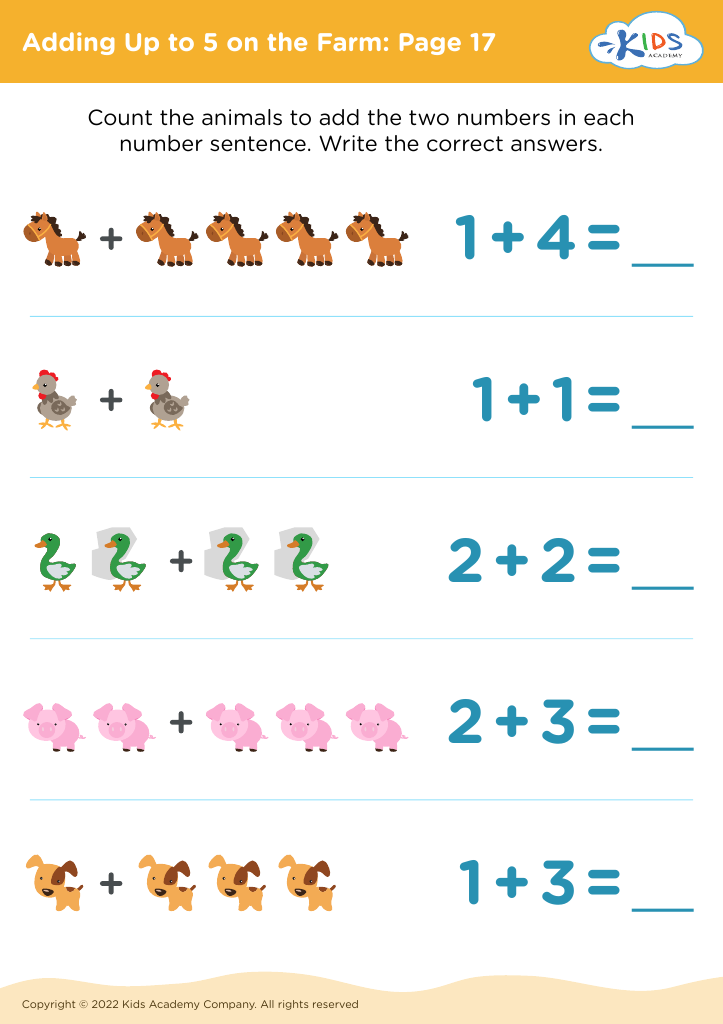
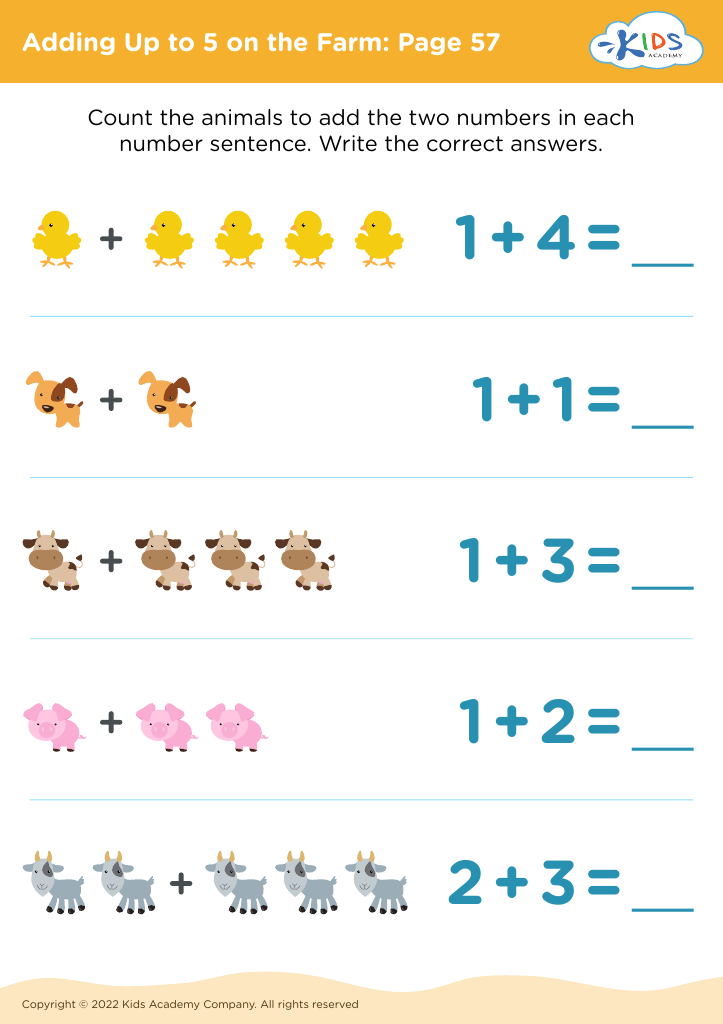
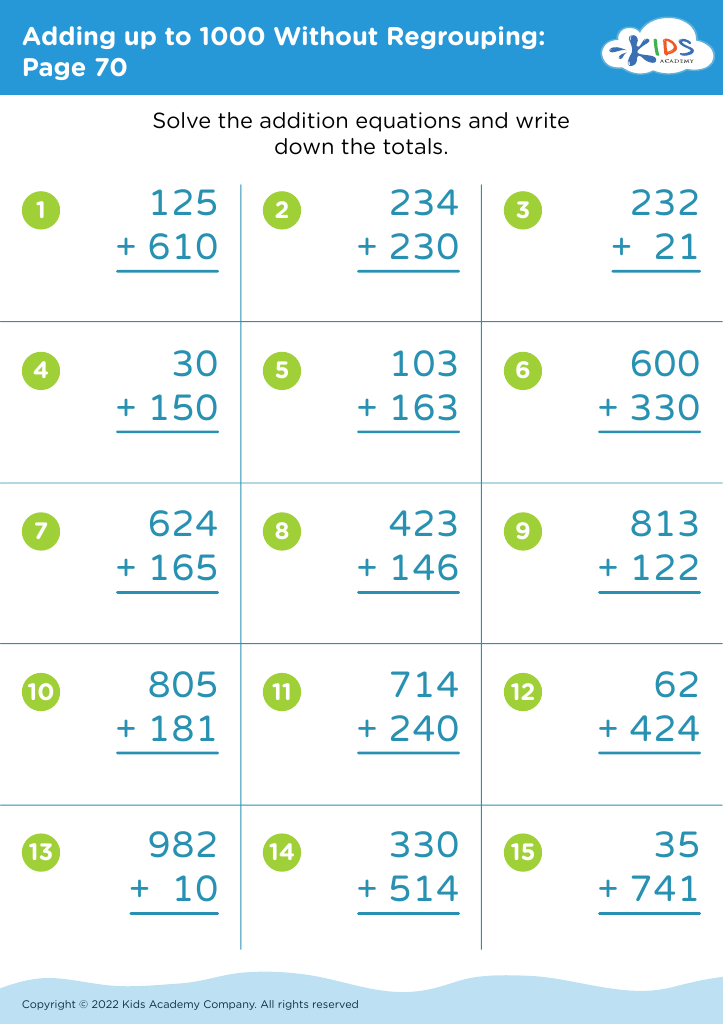
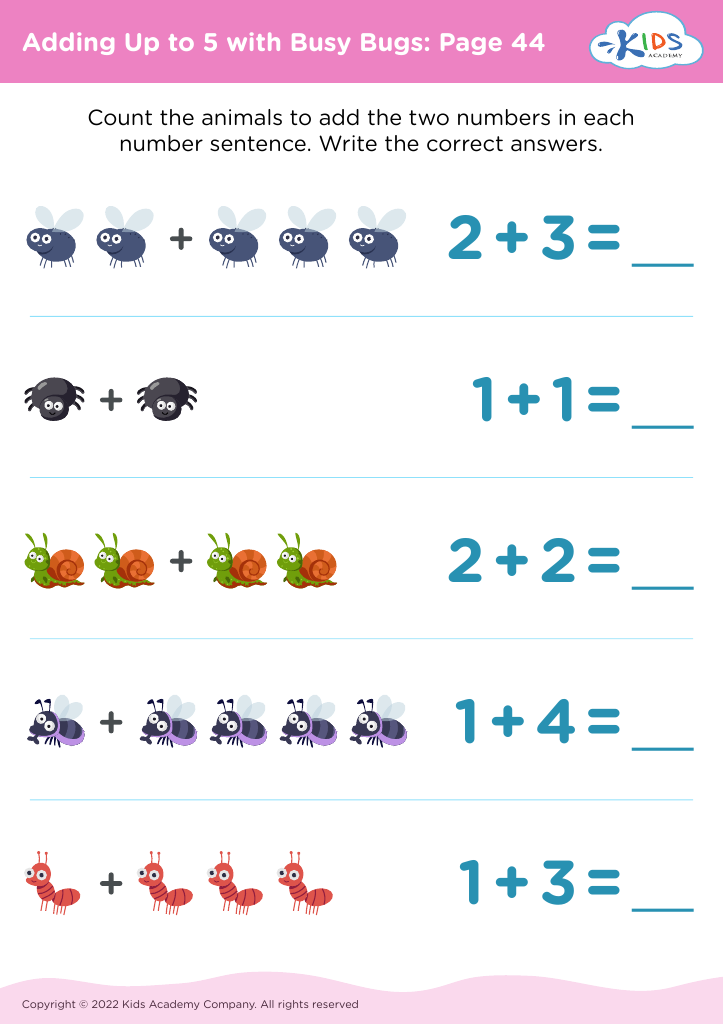
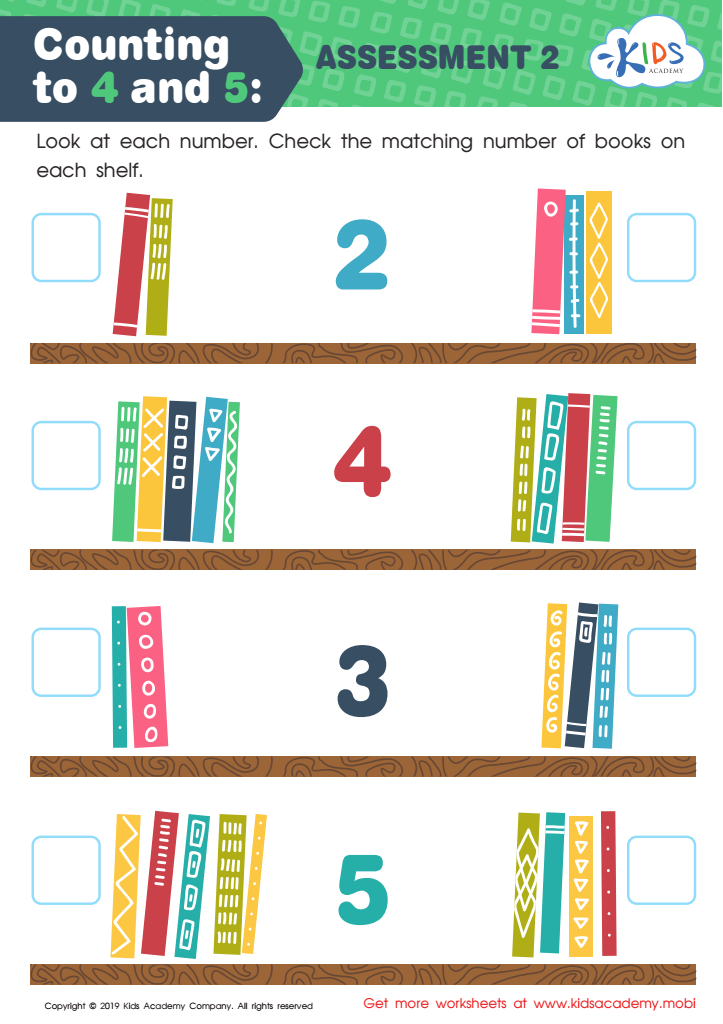
Counting to 4 and 5: Assessment 2 Worksheet
 Assign to My Students
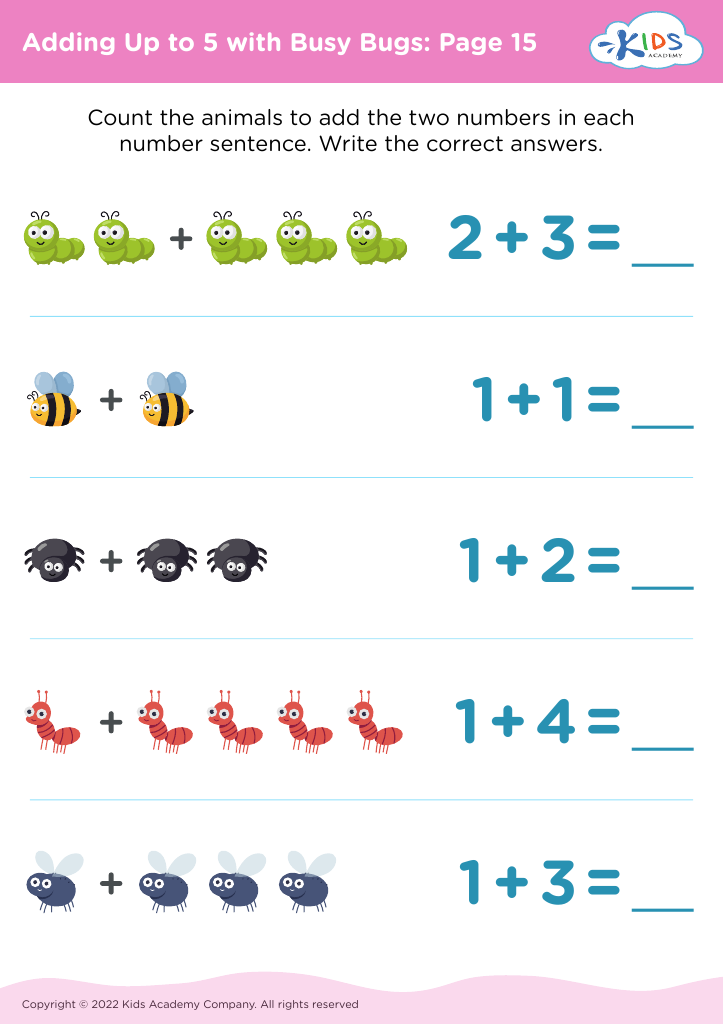








Understanding quantity is a foundational mathematical concept crucial for children aged 4-9. During these formative years, children begin to develop cognitive skills that will support their future academic success. Mastering quantity enables kids to compare numbers, understand measurements, and engage in basic arithmetic, setting the stage for higher-level mathematics.
For teachers and parents, fostering this understanding is essential in creating a solid math foundation. Early engagement with concepts such as counting, identifying larger and smaller quantities, and grasping the idea of "more" or "less" enriches children's cognitive development. It also cultivates critical thinking and problem-solving skills.
Moreover, understanding quantity goes beyond math; it integrates into various aspects of life, such as cooking, shopping, and time management. Parents and teachers can use everyday experiences to reinforce these concepts through playful activities and real-world applications. By nurturing this understanding, adults are equipping children with the skills needed for academic excellence and daily living.
Ultimately, cultivating an early appreciation for quantity is a stepping stone to children's overall development, fostering confidence in math and encouraging a lifelong love for learning. This promotes both individual growth and prepares them for collaborative learning environments in schools.








