Understanding times tables Worksheets for Ages 4-9
6 filtered results
-
From - To
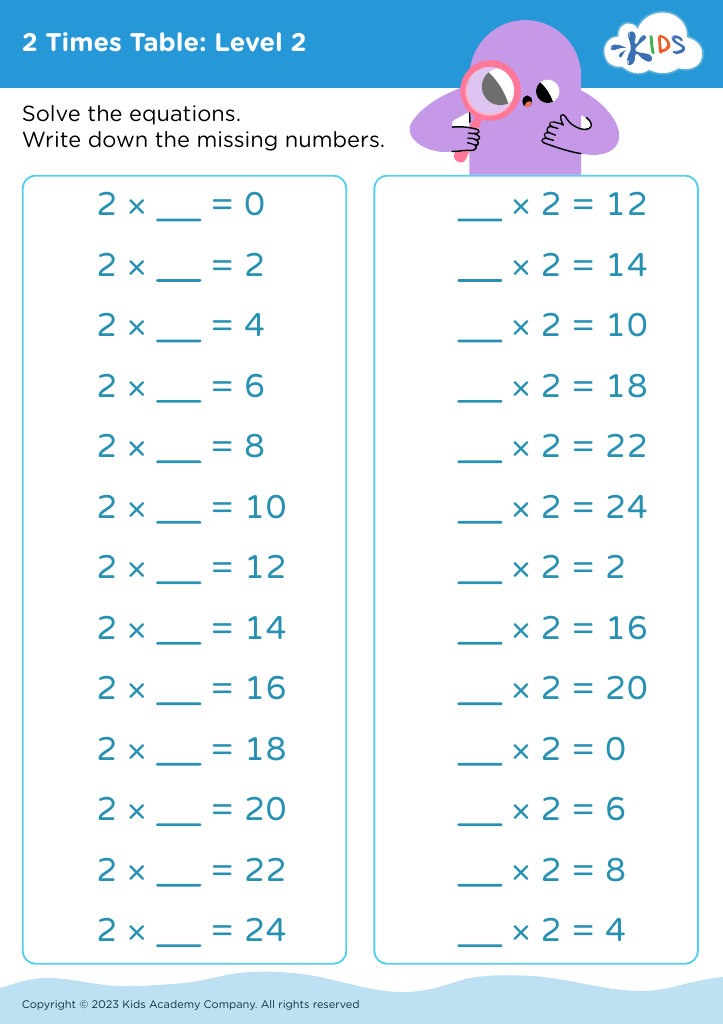
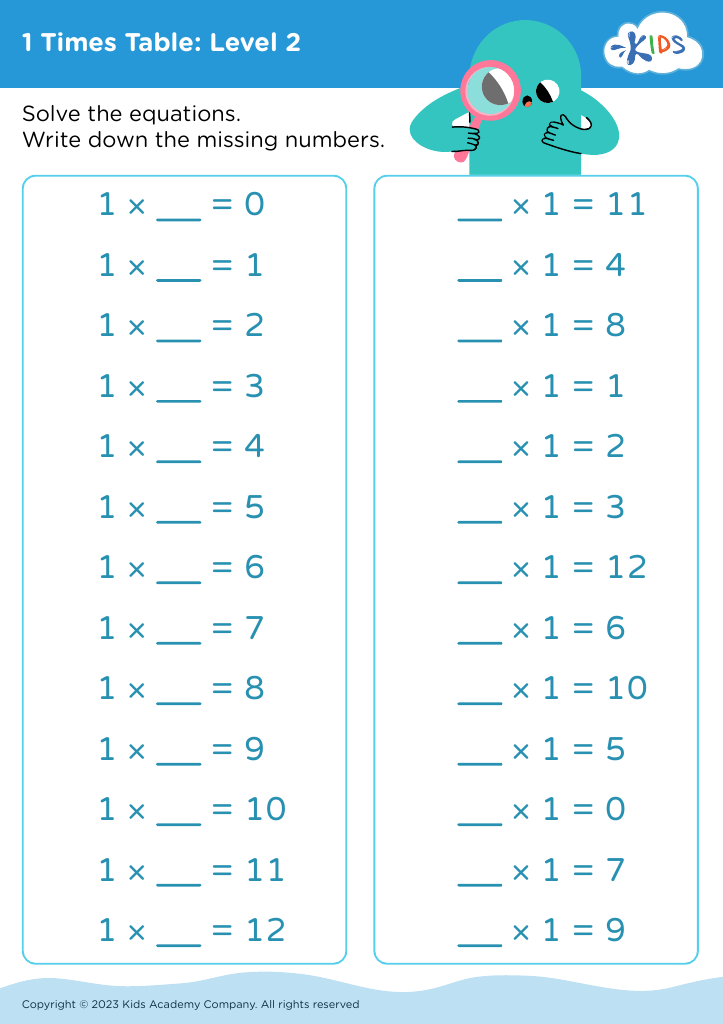
Discover a variety of engaging "Understanding Times Tables Worksheets" designed for children ages 4-9. These worksheets help young learners grasp the fundamental concepts of multiplication through fun, interactive activities that reinforce essential math skills. Tailored to various learning styles, our resources include visual aids, puzzles, and exercises to improve comprehension and retention. By introducing times tables in an enjoyable way, kids can build confidence in their math abilities while developing a strong foundation for future learning. Explore our extensive collection to support your child’s educational journey and make math an exciting adventure! Perfect for teachers and parents alike!
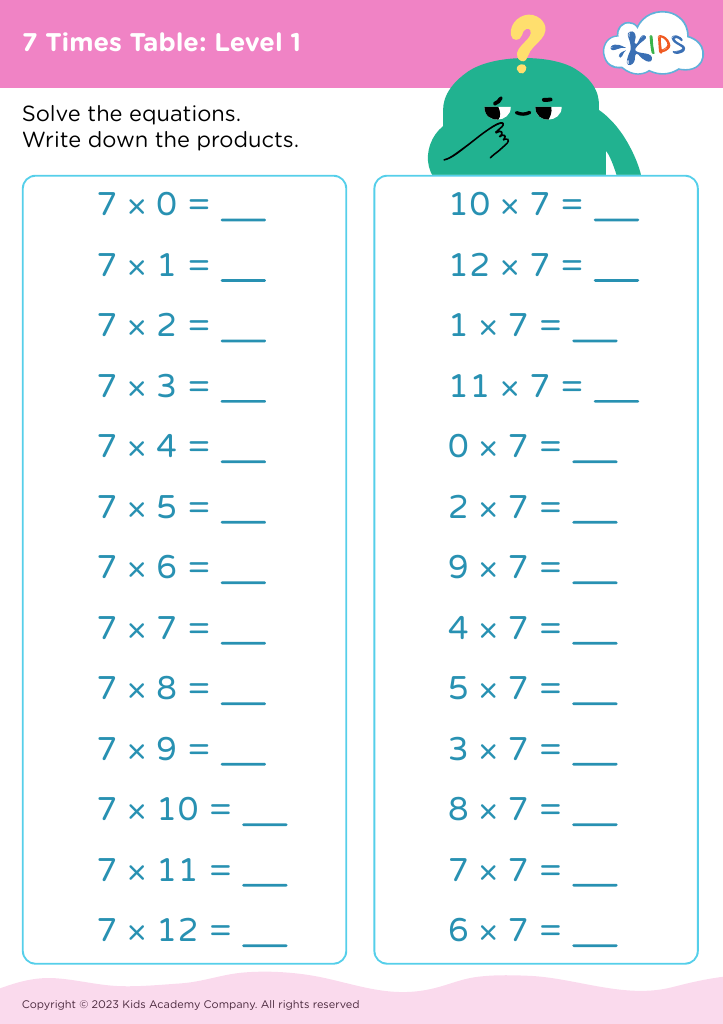
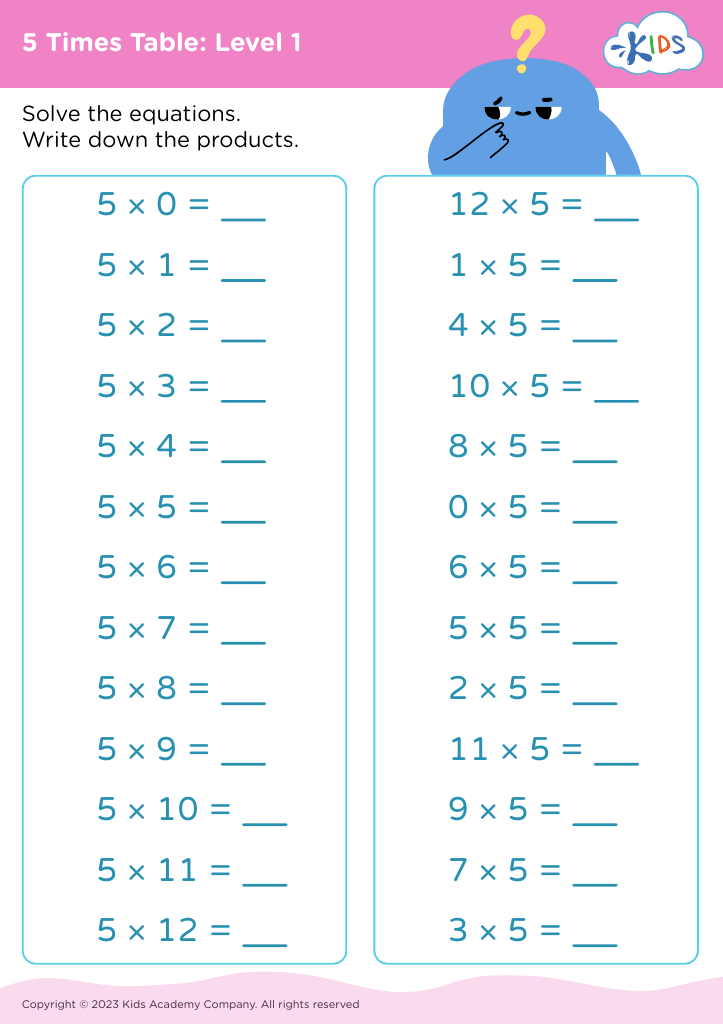
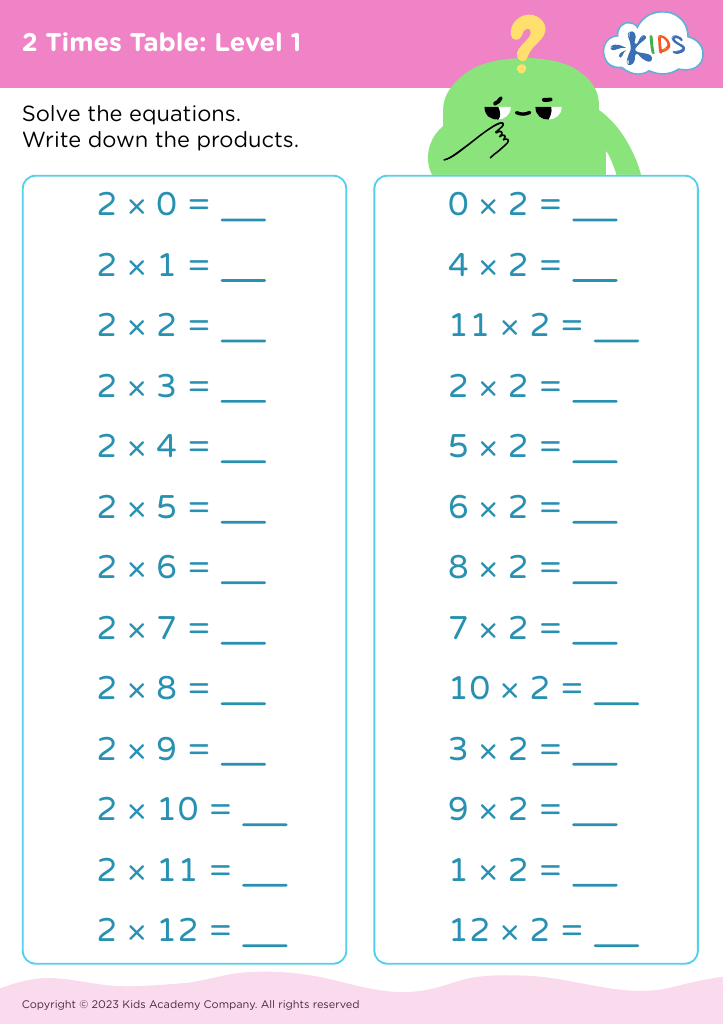
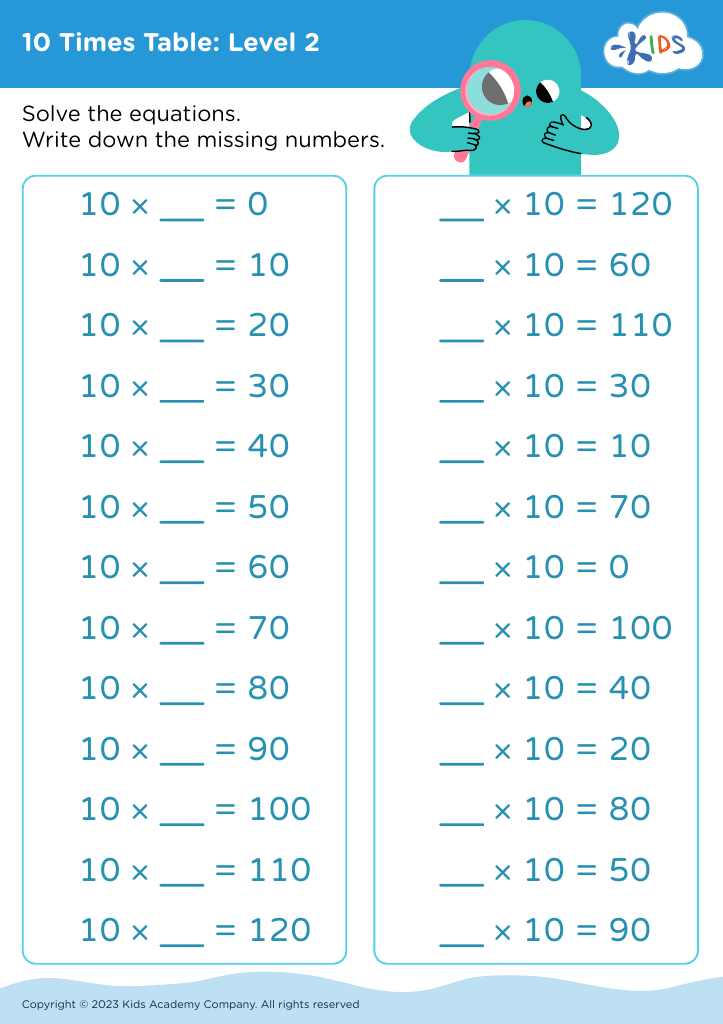




.jpg)
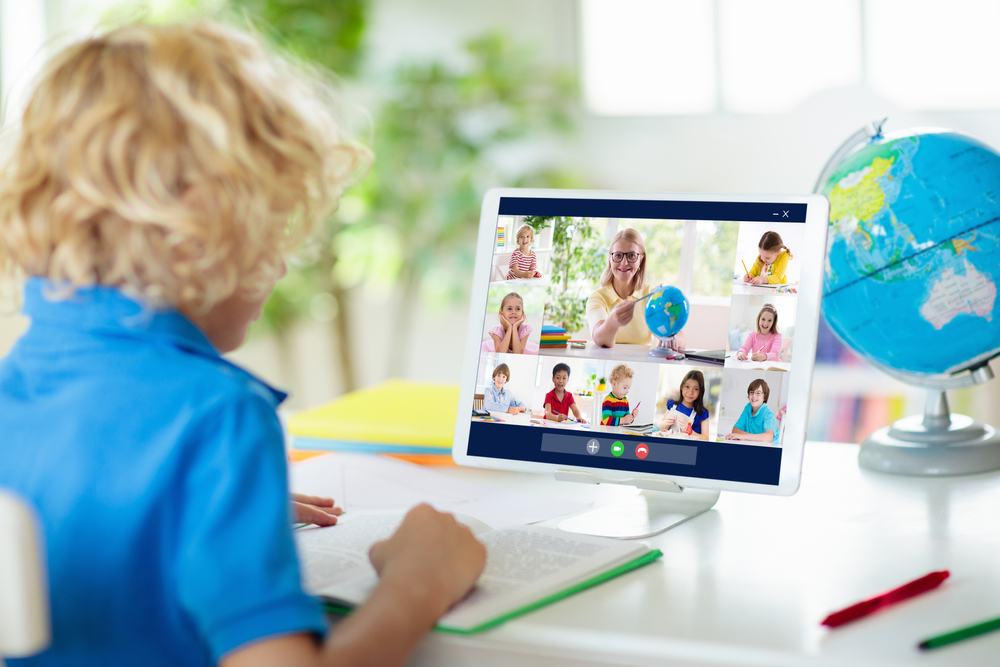


Understanding times tables is vital for children ages 4-9, as it lays a foundation for future math skills. Mastering multiplication helps foster numerical fluency, enabling students to perform calculations quickly and accurately. These foundational skills not only boost confidence but also enhance problem-solving abilities essential in daily life and academic pursuits.
In this age group, children are still developing their cognitive processes. Recognizing patterns through times tables teaches them how numbers relate to one another. This understanding paves the way for concepts like division, fractions, and more advanced arithmetic in later years. Moreover, mastering multiplication promotes mathematical literacy, making it easier to tackle more complex topics in the future.
Parents and teachers play a crucial role in this process. Engaging children with fun and interactive methods—such as games, songs, or visual aids—can make learning enjoyable and reinforce these essential skills. By prioritizing times tables, caregivers equip children with tools necessary for success in math and related subjects. Ultimately, a strong grasp of multiplication helps cultivate a positive attitude towards mathematics, encouraging lifelong learning and adaptability in an increasingly digitized world. Supporting children in this area ensures they are better prepared for academic challenges ahead.








