Check out this FREE "Visual Learning" Trial Lesson for age 4-9!

Multiplication Facts 2

Favorites
With answer key
Interactive
  • 4-9
  • Visual Learning
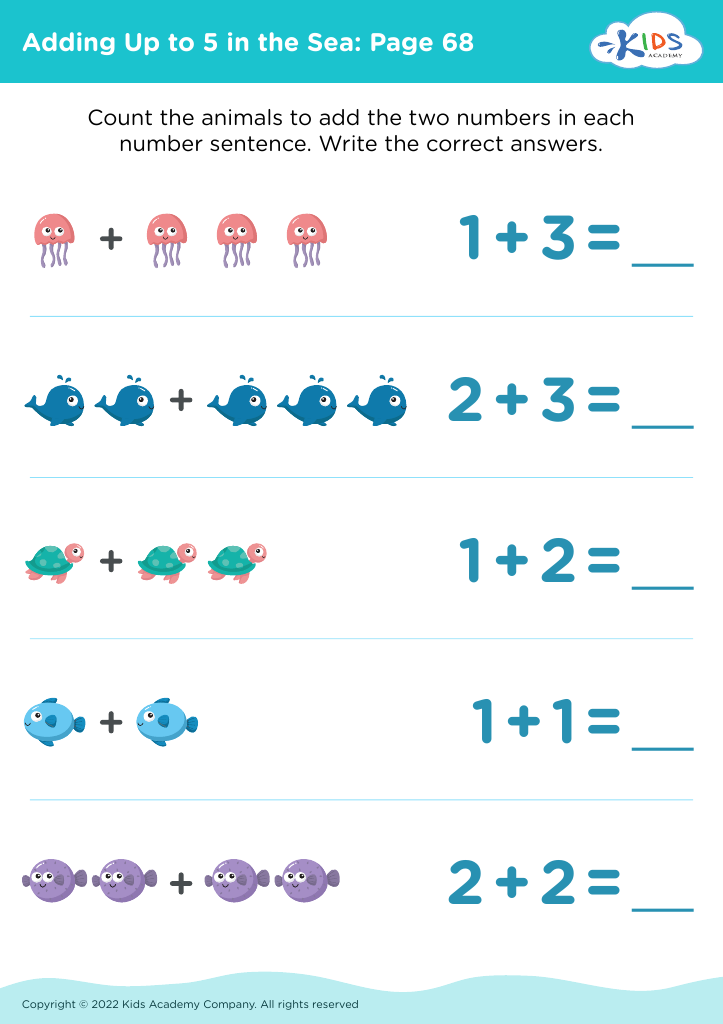
Adding Up to 5 in the Sea: Page 68
Worksheet
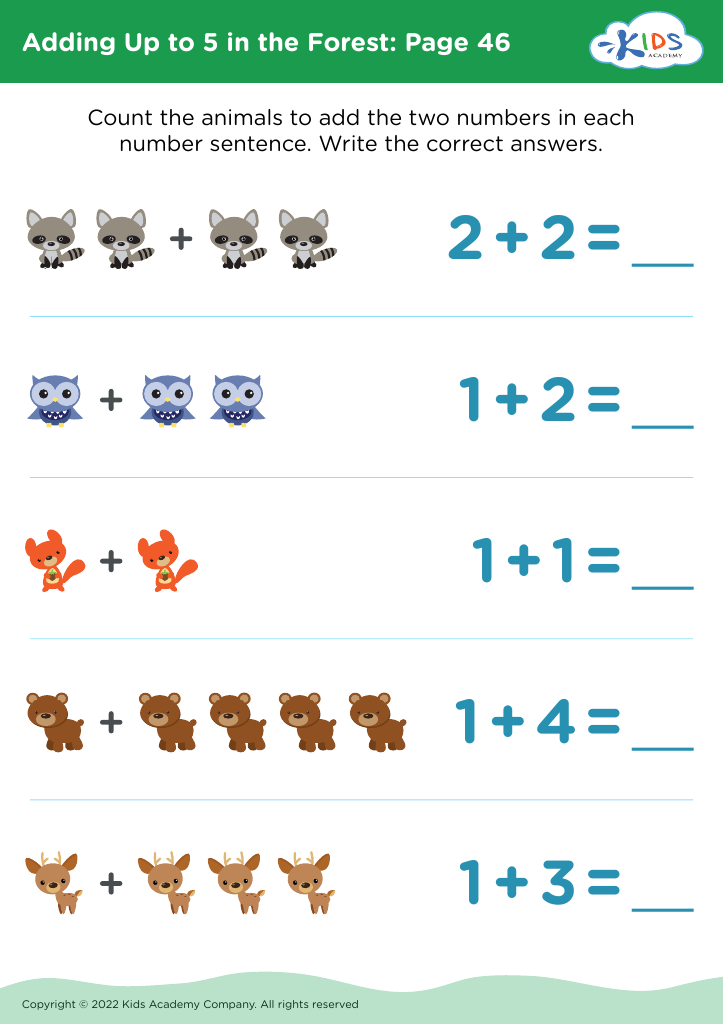
Adding Up to 5 in the Forest: Page 46
Worksheet
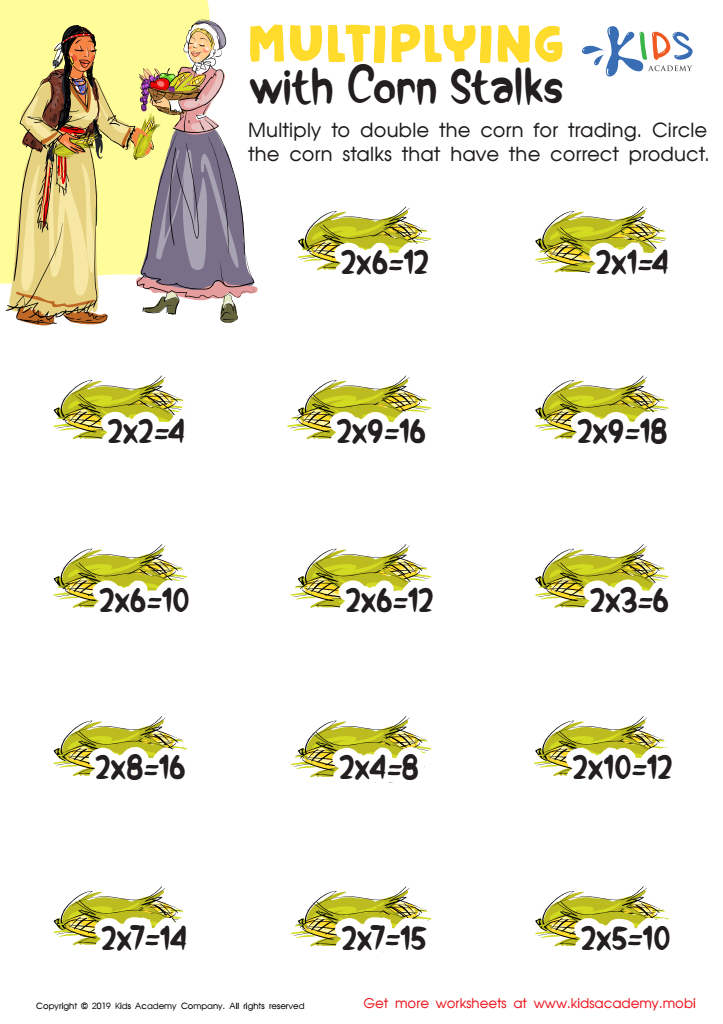
Multiplying With Corn Stalks Worksheet

Multiplying With Corn Stalks Worksheet

Farming is profitable; corn is a versatile crop used for many things. Ask your kids what products come from corn! This worksheet is a fun way to teach multiplying with corn stalks. Farmers must multiply the stalks to double their number for trading and increase their profits. Challenge your kids to circle the correct products.
Multiplying With Corn Stalks Worksheet
Worksheet
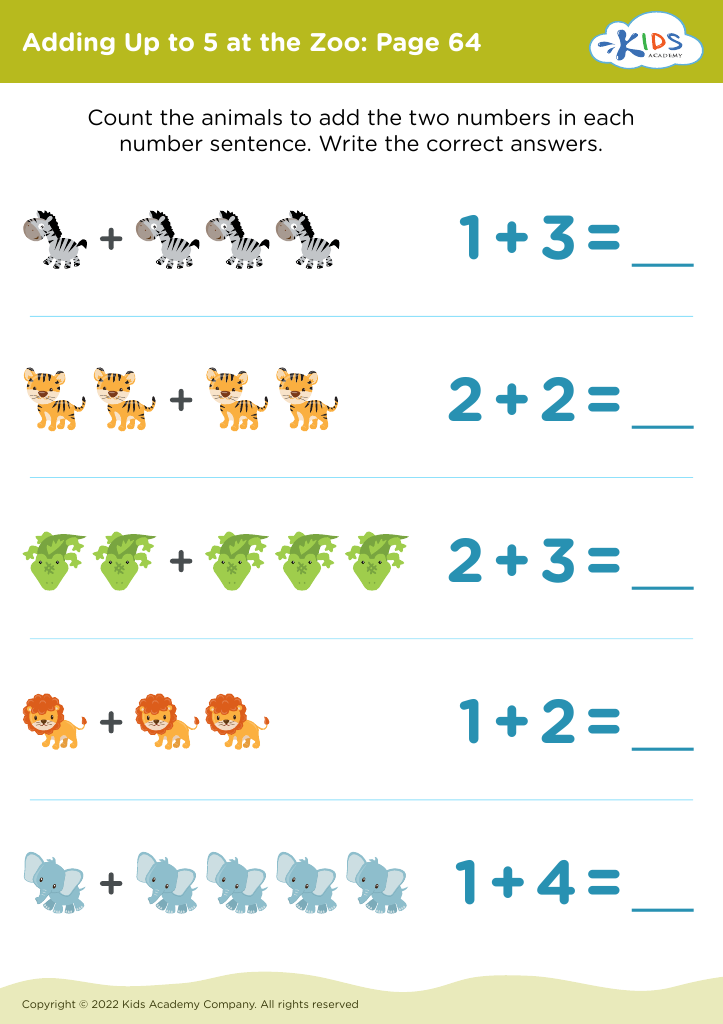
Adding Up to 5 at the Zoo: Page 64
Worksheet
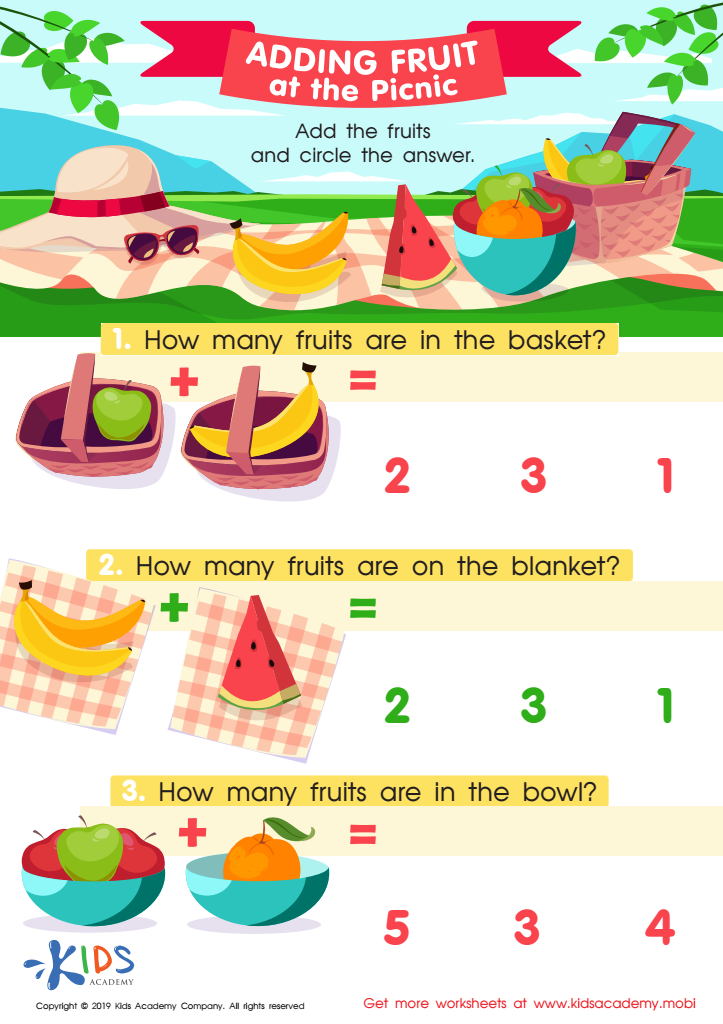
Adding Fruit at the Picnic Worksheet
Adding Fruit at the Picnic Worksheet
Picnics are a great way for the family to enjoy a fun day in the sun! Get your kids involved by having them help load the picnic basket and do this worksheet to practice their math skills while they get ready. Identify the fruits in the picture, add them up, and circle the correct answer.
Adding Fruit at the Picnic Worksheet
Worksheet
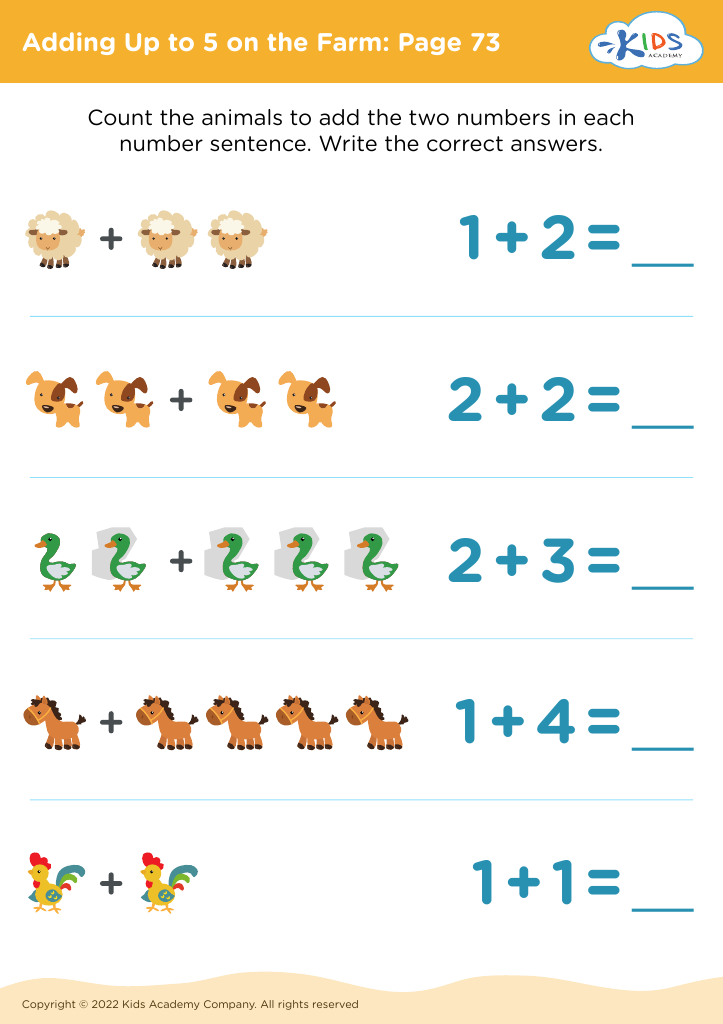
Adding Up to 5 on the Farm: Page 73
Worksheet
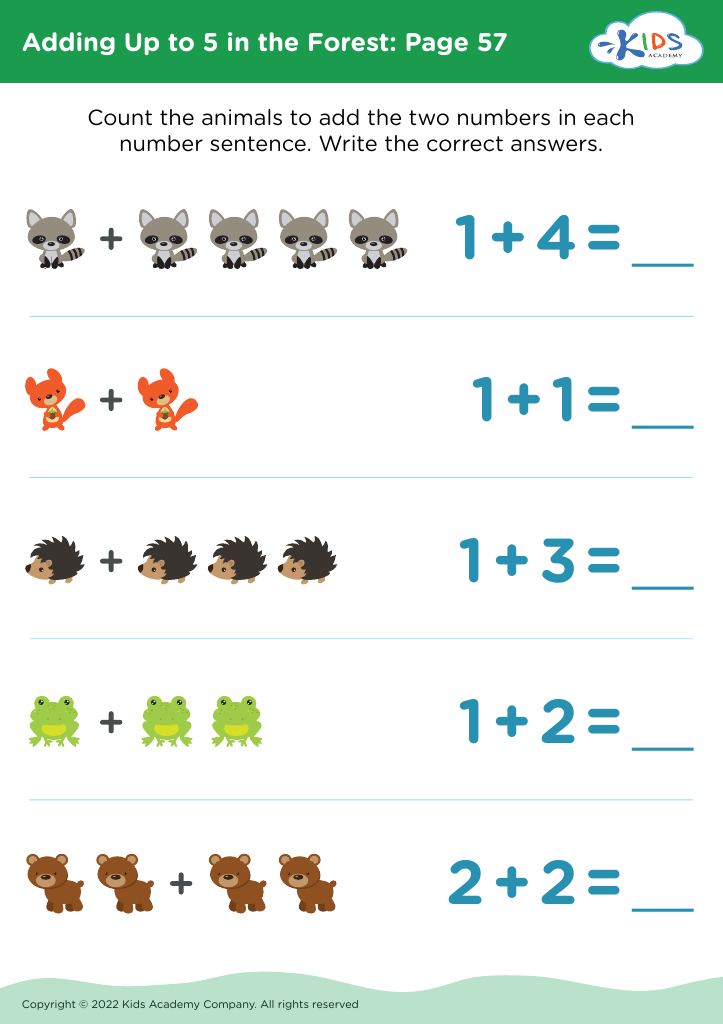
Adding Up to 5 in the Forest: Page 57
Worksheet
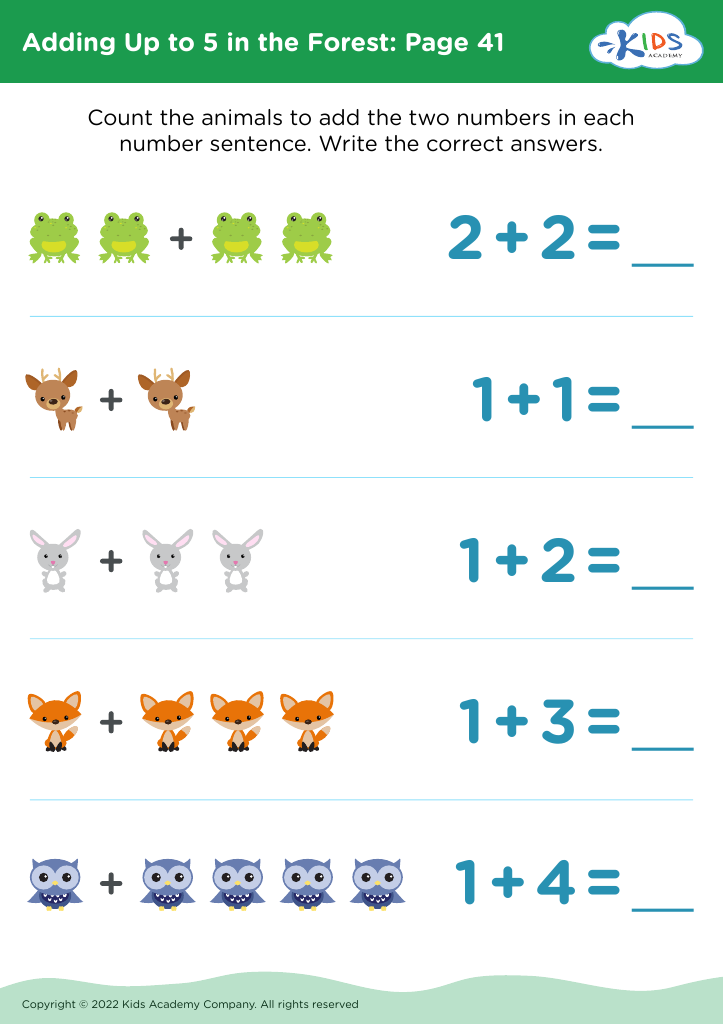
Adding Up to 5 in the Forest: Page 41
Worksheet
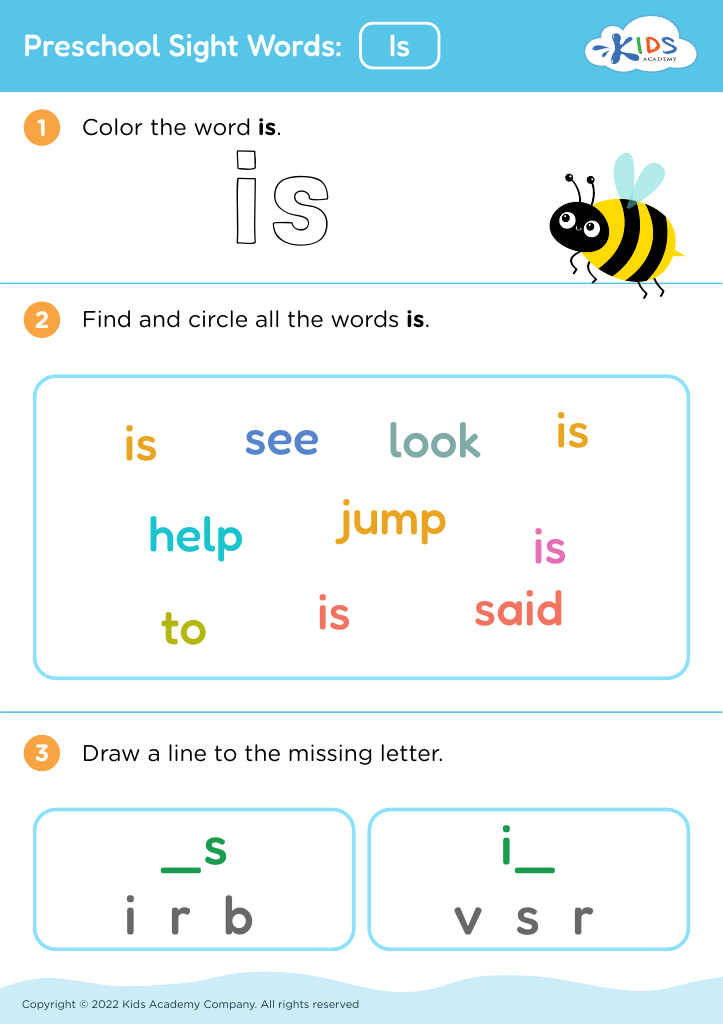
Preschool Sight Words: Is

Preschool Sight Words: Is

Preschool Sight Words: Is
Worksheet


... 4 5

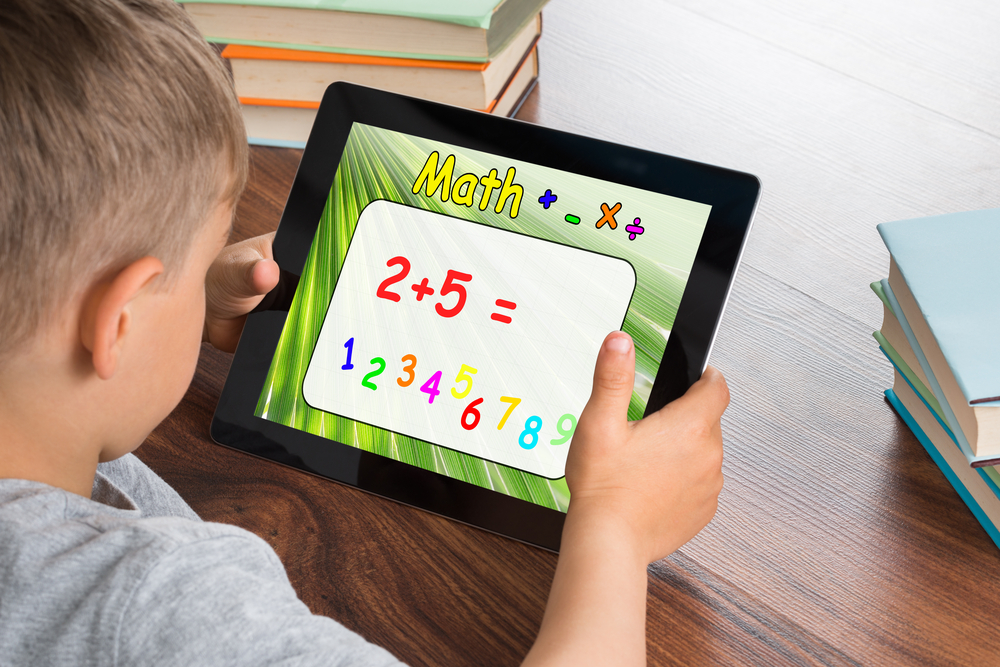
Visual learning is a powerful tool, especially for young children aged 4-9, playing a critical role in their overall development and academic success. At this stage, children are naturally inclined to respond to and process visual information more efficiently than text-based or auditory content. Visual learning supports early literacy by helping kids recognize letters and words through pictures, which is a foundational step in reading.

Engaging with visuals such as charts, diagrams, illustrations, and videos aids memory retention and comprehension. For example, visual aids can simplify complex concepts and make abstract ideas more concrete. When children see a picture of the life cycle of a butterfly, they understand the process far better than from verbal descriptions alone. This active engagement makes learning more enjoyable and meaningful.

Additionally, visuals can improve focus and attention, catering to different learning styles and helping students who might struggle with traditional text-based instructions. Incorporating visual elements into lessons can enhance problem-solving and critical-thinking skills, which are crucial for cognitive development.

Parents and teachers who embrace visual learning can foster an enriching and inclusive educational environment. By valuing and integrating visual learning techniques, adults can cater to the diverse needs of children, thereby laying a strong foundation for lifelong learning and academic achievement.