Visual recognition Worksheets for Ages 4-9
11 filtered results
-
From - To
Unlock your child's potential with our engaging Visual Recognition Worksheets for Ages 4-9, designed to boost cognitive and observational skills through fun, interactive activities. These expertly crafted worksheets help children identify shapes, colors, objects, and patterns, enhancing their critical thinking and visual perception. Perfect for preschool through early elementary grades, each worksheet supports foundational learning and school readiness. Our materials also promote focus, memory, and attention to detail, essential for academic success. Let learning be enjoyable and impactful with our age-appropriate visual recognition activities. Start exploring today for a brighter educational journey tomorrow!
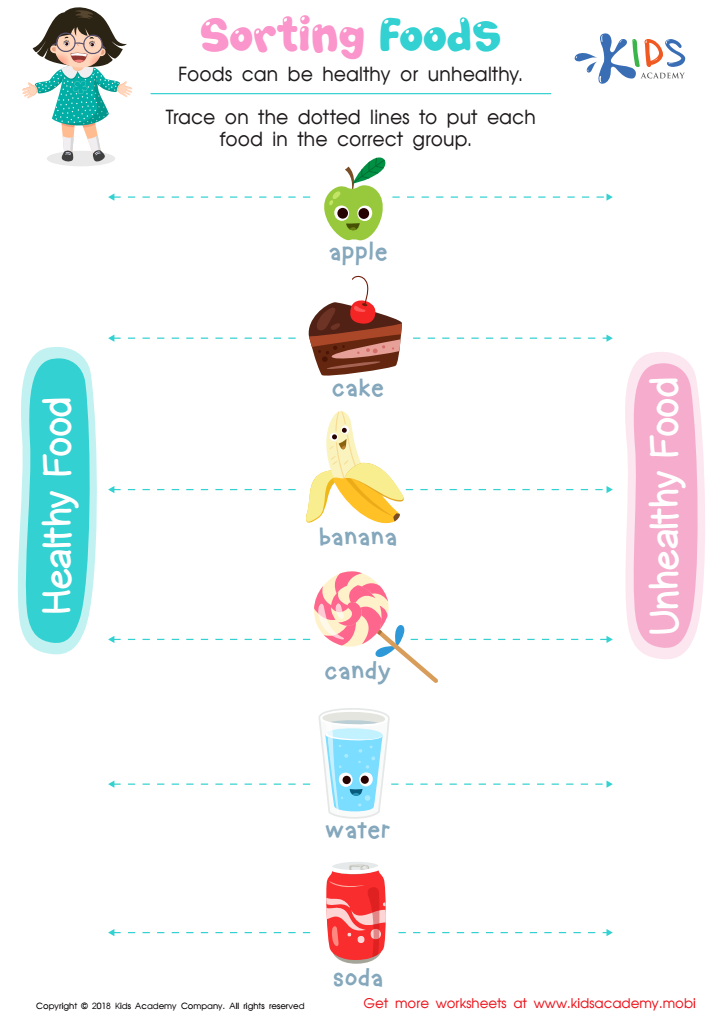
Sorting Food Worksheet
 Assign to My Students
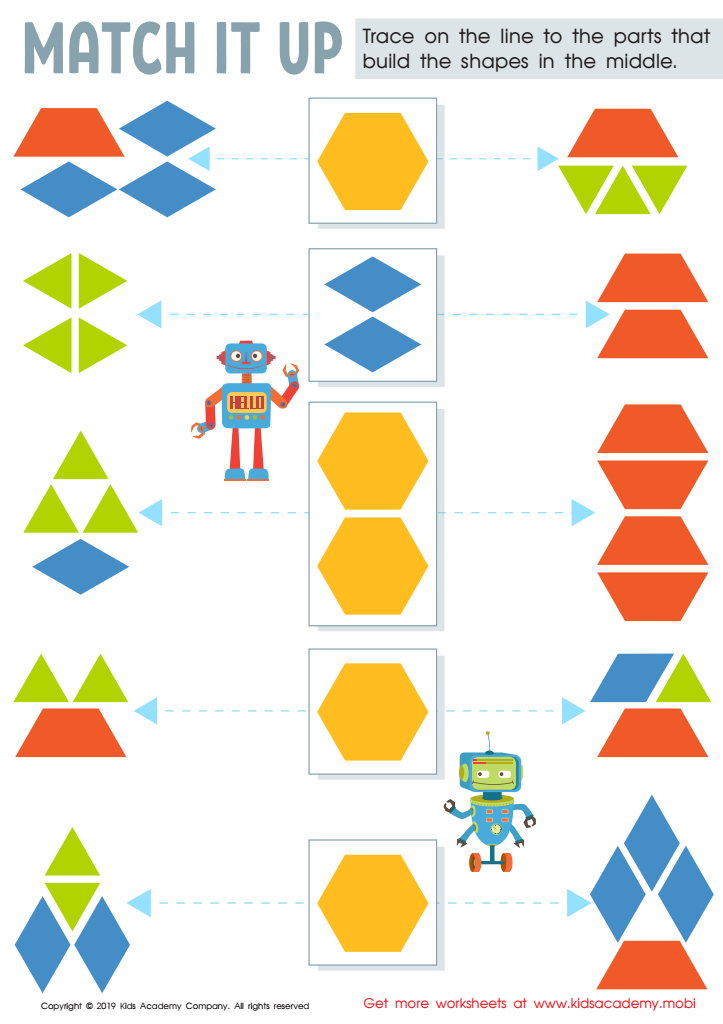
Match It up Worksheet
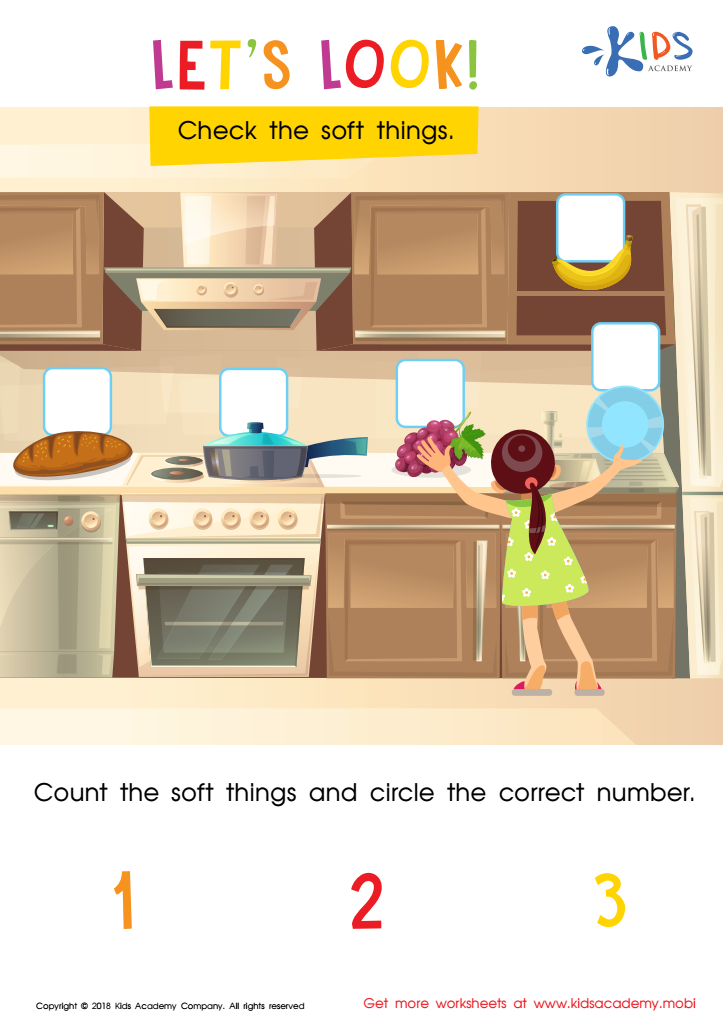
Let's Look! Assessment Worksheet
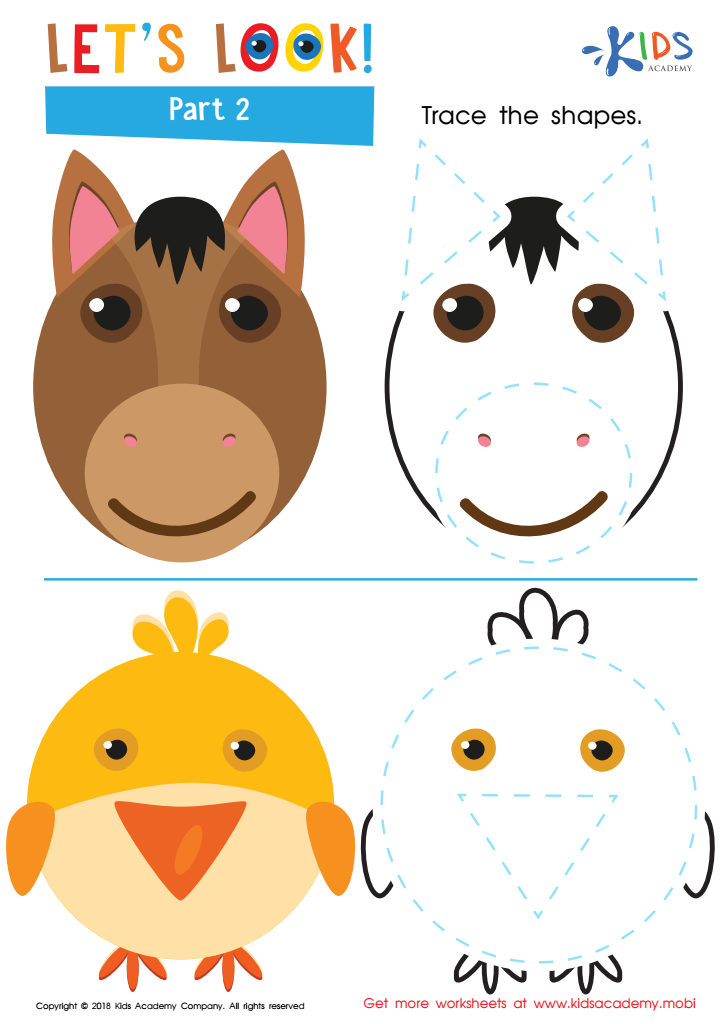
Let's Look! Part 2 Worksheet
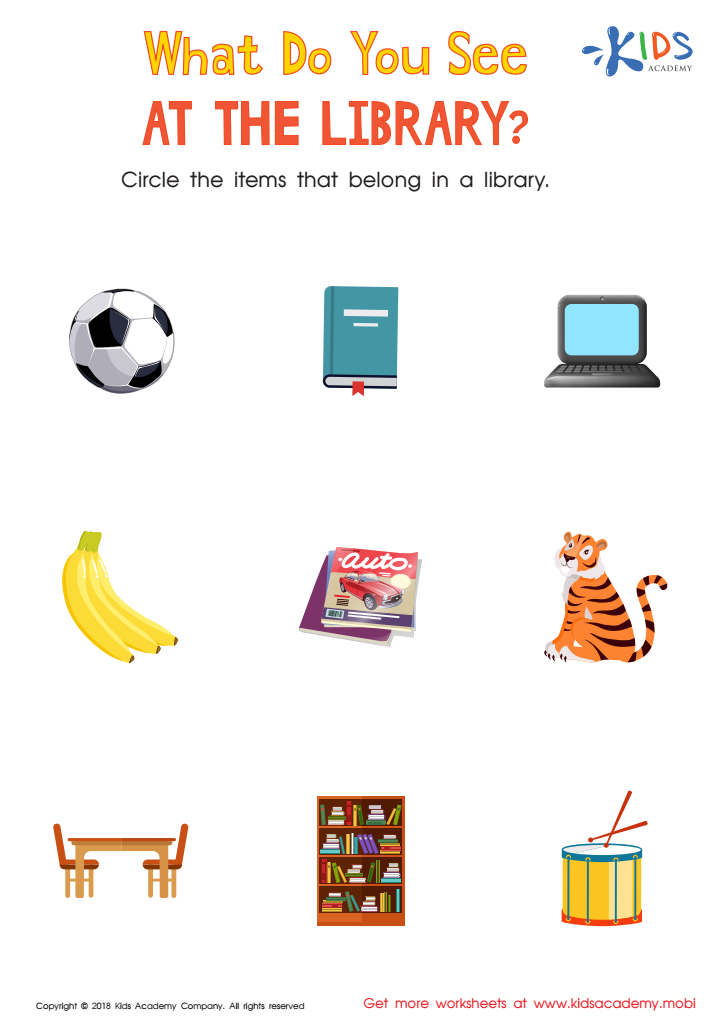
What Do you See at the Library? Worksheet
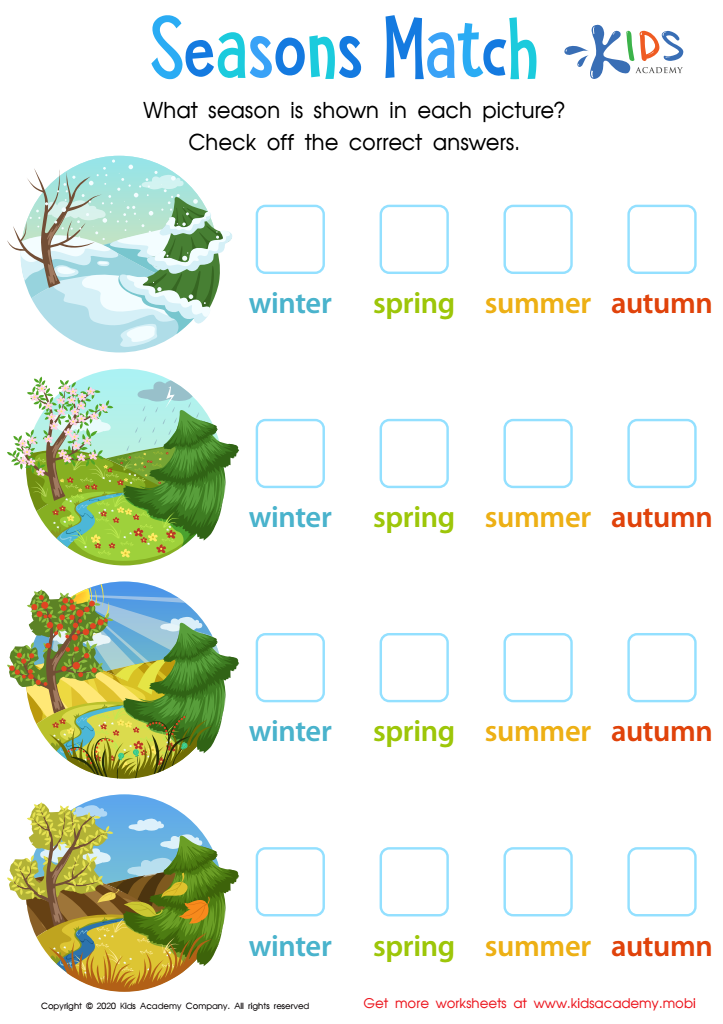
Seasons Match Worksheet
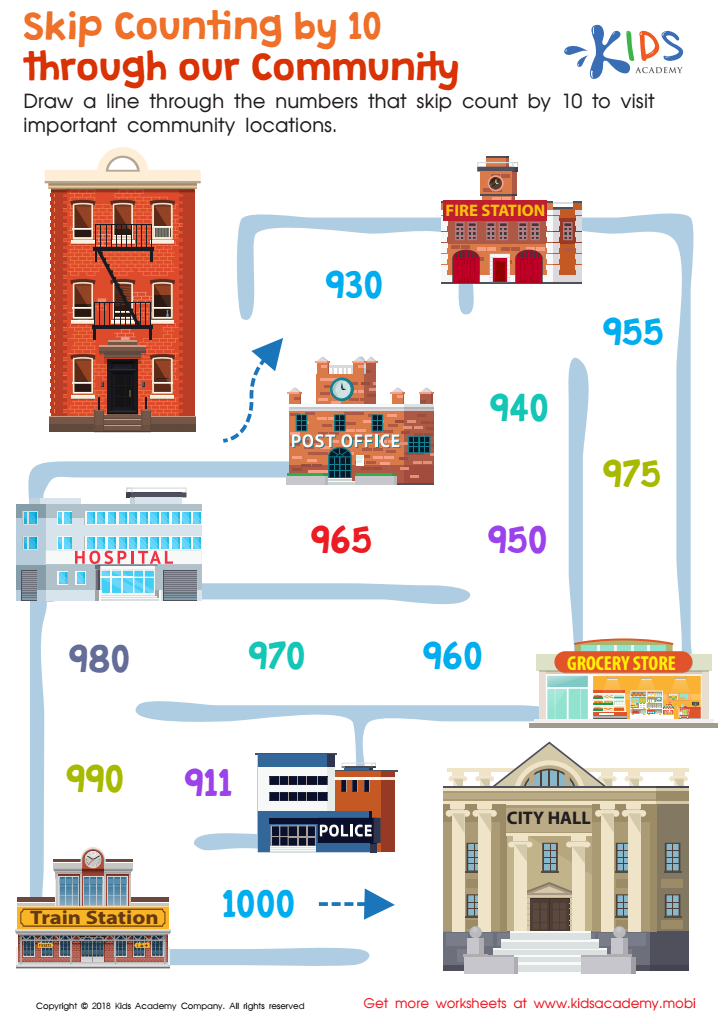
Skip Counting by 10 Through Our Community Worksheet
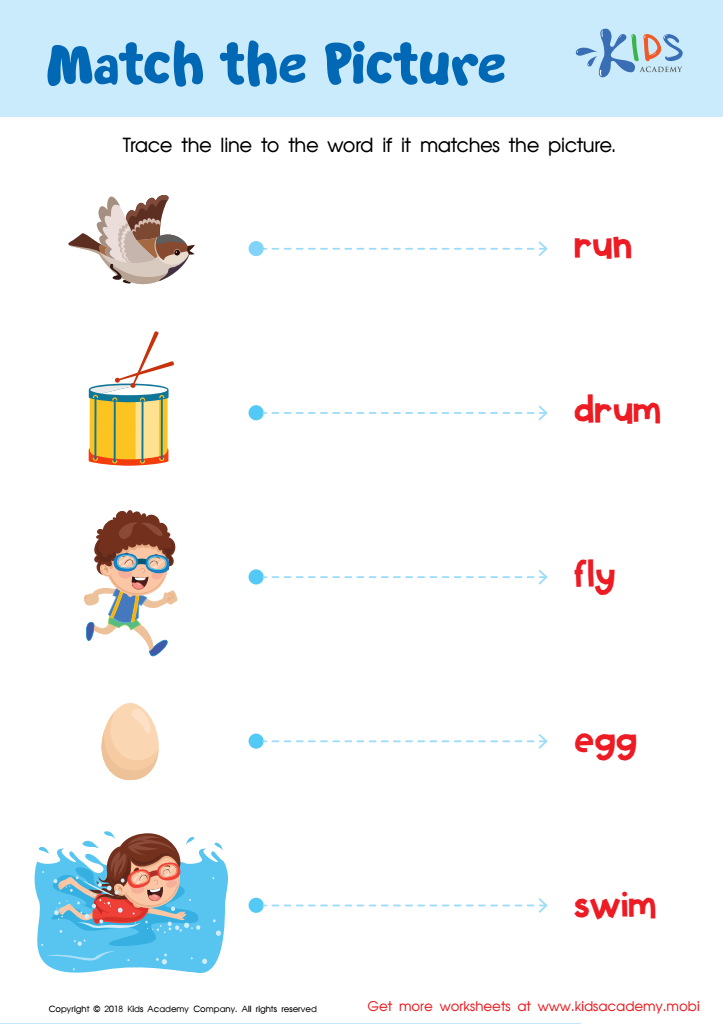
Match the Picture Worksheet
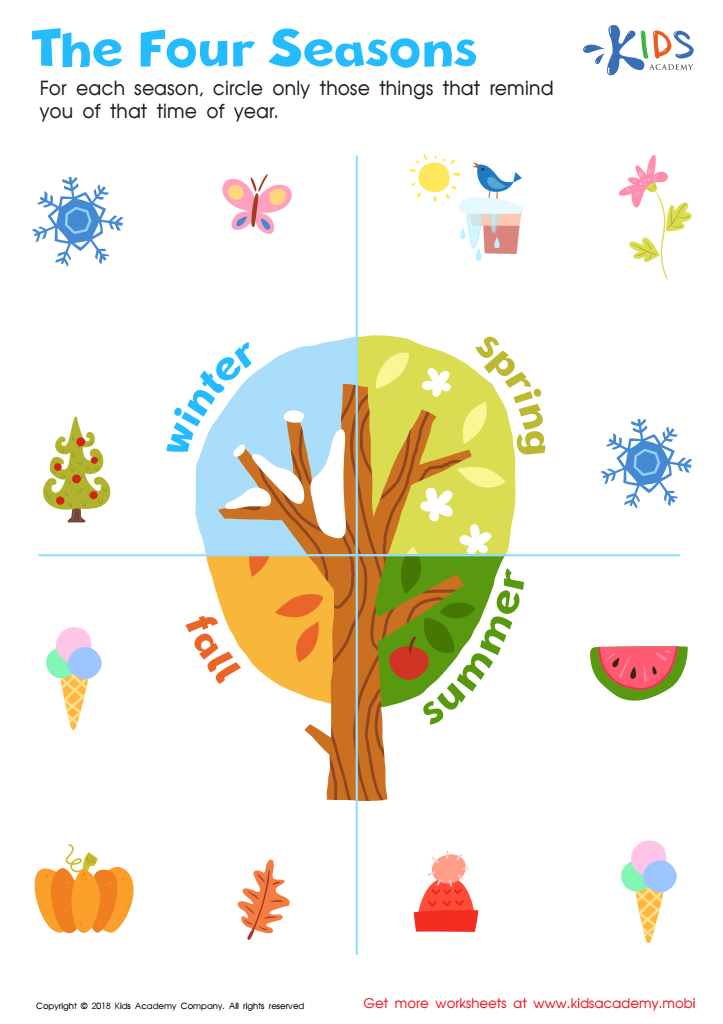
The Four Seasons Worksheet
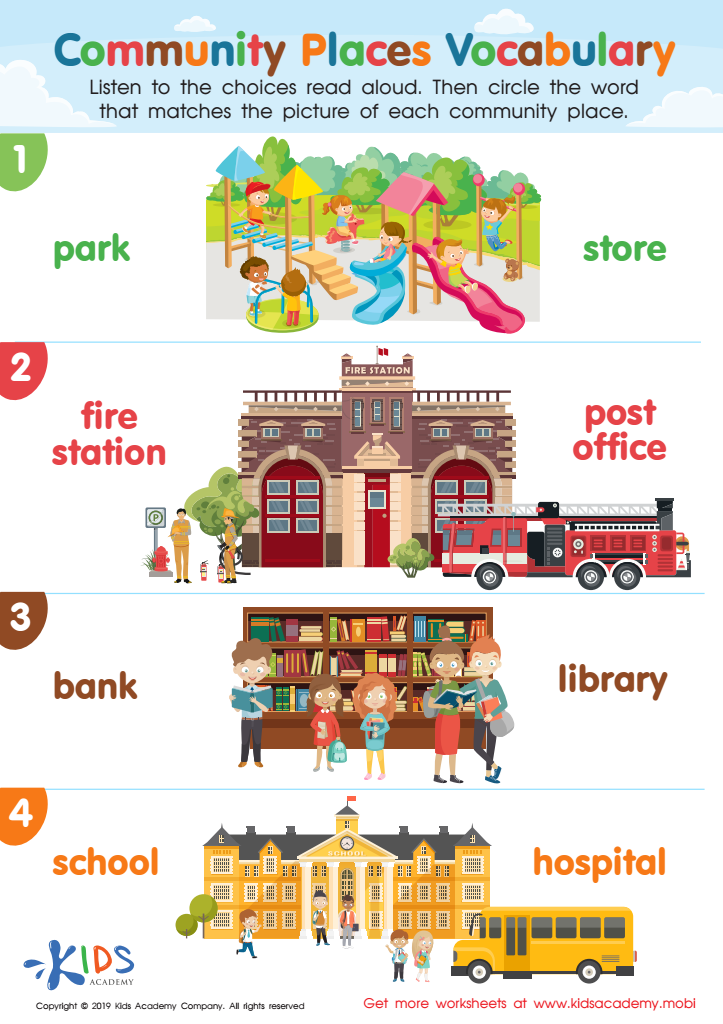
Community Places Vocabulary Worksheet








Visual recognition skills are essential for children aged 4-9, as they form a foundational component of early cognitive and academic development. During these formative years, children are beginning to read, write, and build the critical thinking skills needed for more complex tasks. Visual recognition, the ability to identify and interpret visual information in the world around them, directly impacts their capability in these areas.
For young readers, being able to recognize letters, numbers, shapes, and patterns is crucial. This skill allows them to distinguish between different letters, such as 'b' and 'd', which are visually similar, but vastly different in meaning. Mastery of visual recognition enables children to process written information more quickly and accurately, bolstering their reading fluency and comprehension.
Beyond academics, strong visual recognition skills support everyday tasks and social interactions. For example, children need to recognize facial expressions and body language cues to interact effectively with peers and adults. These skills also assist in activities like sports, where recognizing and anticipating movements is key.
Parents and teachers should care because fostering visual recognition skills early on propels overall cognitive development, academic success, and social skills. Engaging children with activities that enhance these abilities — like puzzles, matching games, and interactive reading — equips them with a solid foundation for lifelong learning and practical functioning.








