Visual-spatial skills Worksheets for Ages 4-9
3 filtered results
-
From - To
Unlock your child's full potential with our Visual-Spatial Skills Worksheets designed for ages 4-9. Tailored to enhance cognitive development, these engaging activities focus on improving spatial awareness, problem-solving, and hand-eye coordination. Featuring colorful graphics and fun exercises, our worksheets make learning enjoyable and effective. Perfect for homeschoolers, educators, or parents seeking quality educational resources, our collection offers a variety of challenges that cater to different learning styles. Help your child build essential skills in an entertaining way with our expertly crafted visual-spatial worksheets. Visit Kids Academy to download your free sheets today!
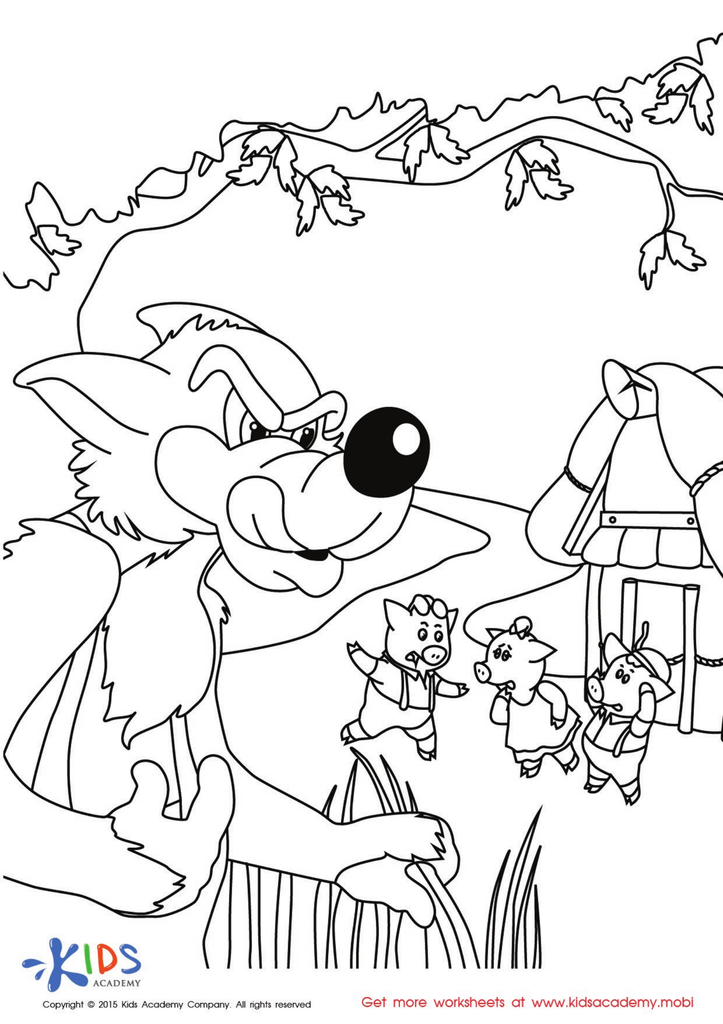
The Story of the Three Little Pigs Coloring Worksheet
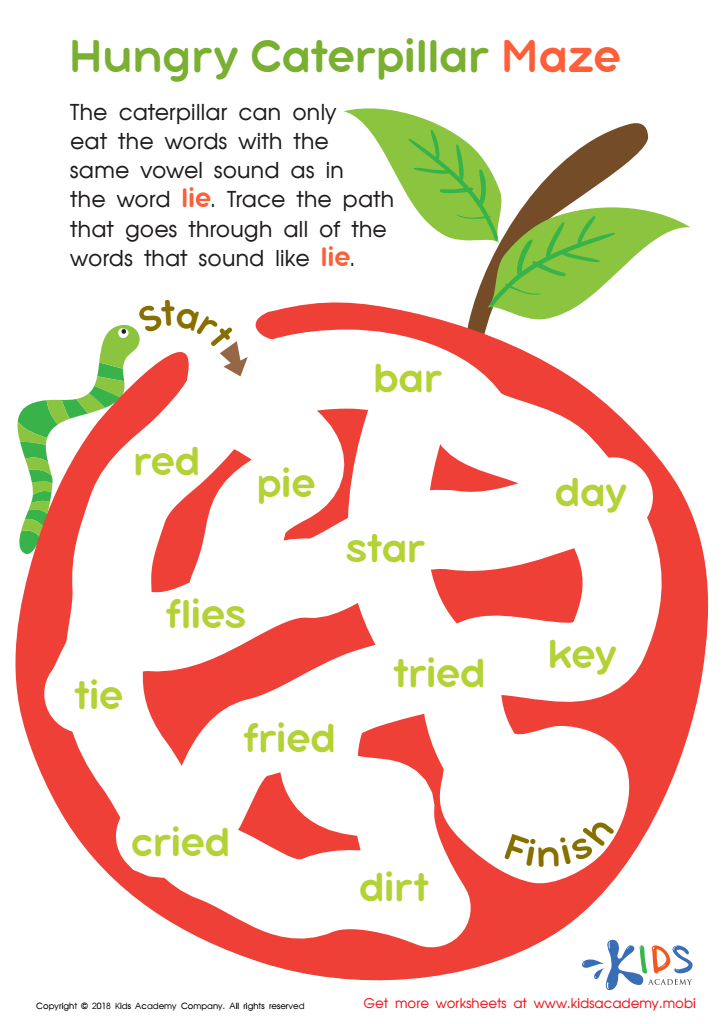
Hungry Caterpillar Maze Worksheet
 Assign to My Students
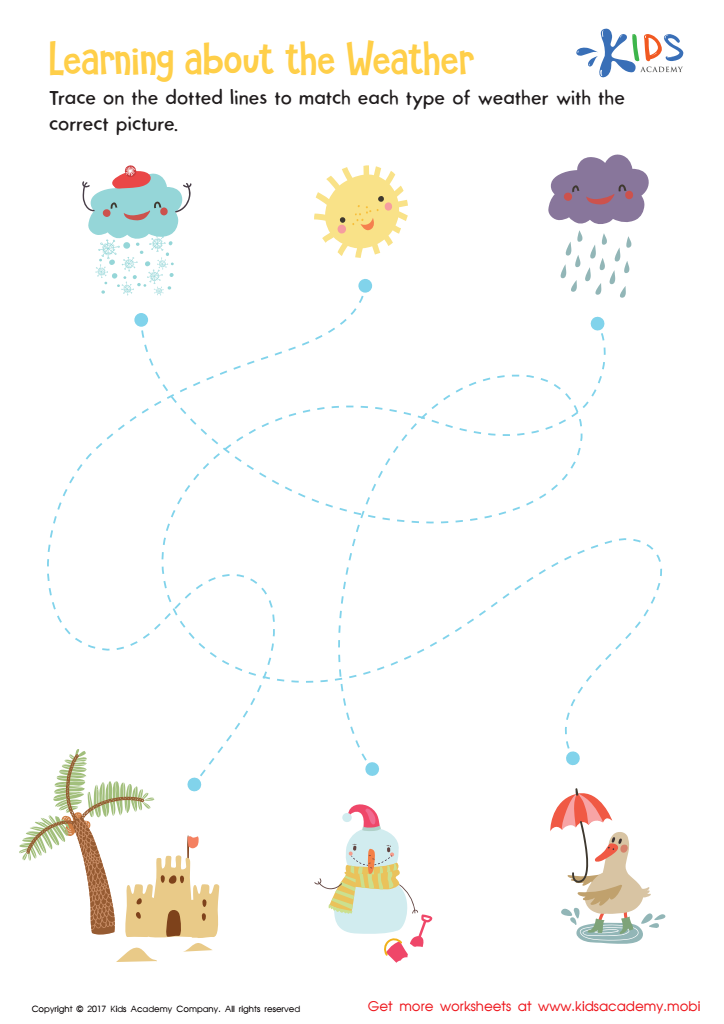








Visual-spatial skills are crucial cognitive abilities that allow children to understand and interpret visual information in their surrounding environment. For ages 4-9, these skills form a foundational element of learning and overall cognitive development. Children with strong visual-spatial skills can better interpret images, understand diagrams, and grasp geometric relationships, which are essential for subjects such as mathematics, science, and art. They enable children to solve puzzles, navigate routes, and use maps effectively.
Fostering visual-spatial abilities can significantly enhance a child's problem-solving and critical-thinking capabilities. These skills also contribute to improved hand-eye coordination, which is fundamental in sports and various daily activities. Additionally, kids who excel in visual-spatial tasks often exhibit greater creativity and imagination, facilitating expressive and innovative thinking in multiple domains.
Teachers and parents can support the development of these skills through interactive activities such as building blocks, drawing, and puzzle games. Engaging in such activities not only develops specific cognitive abilities but also boosts self-esteem and confidence as children realize their capabilities.
In summary, developing visual-spatial skills in young children equips them with essential tools for academic achievement and personal growth, making it a priority for both educators and parents to nurture them from an early age.








