Recognizing shapes 2D Shapes Worksheets for Ages 4-9
5 filtered results
-
From - To
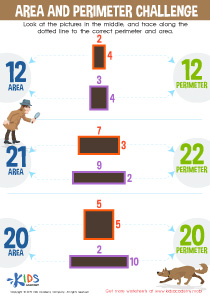
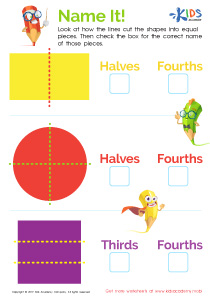
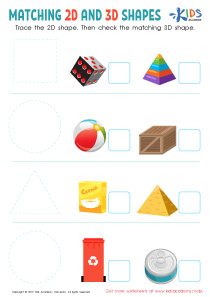
Explore our "Recognizing 2D Shapes Worksheets" designed for children aged 4-9! These engaging resources help young learners identify and understand basic geometric shapes such as circles, squares, triangles, and rectangles. With colorful visuals and interactive activities, kids will enjoy practicing their shape recognition skills while enhancing their cognitive development. Ideal for use at home or in the classroom, our printable worksheets feature fun exercises that promote visual learning and shape categorization. Elevate your child's understanding of geometry in an enjoyable way, setting the foundation for future math skills. Start shaping their mathematical journey today!
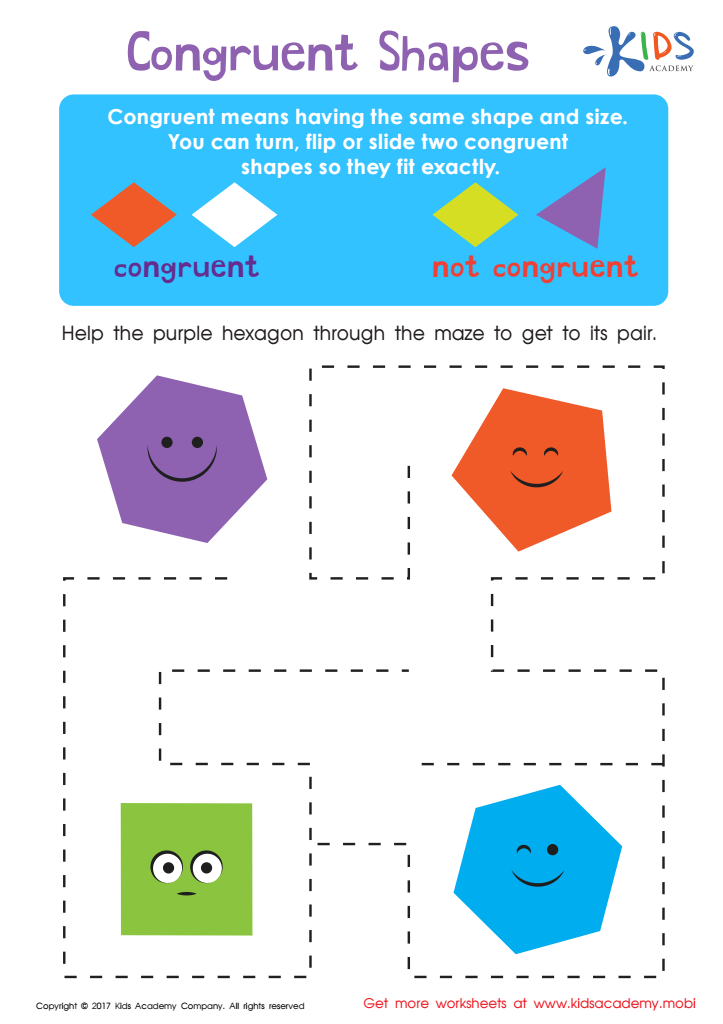
Congruent Shapes Worksheet
 Assign to My Students


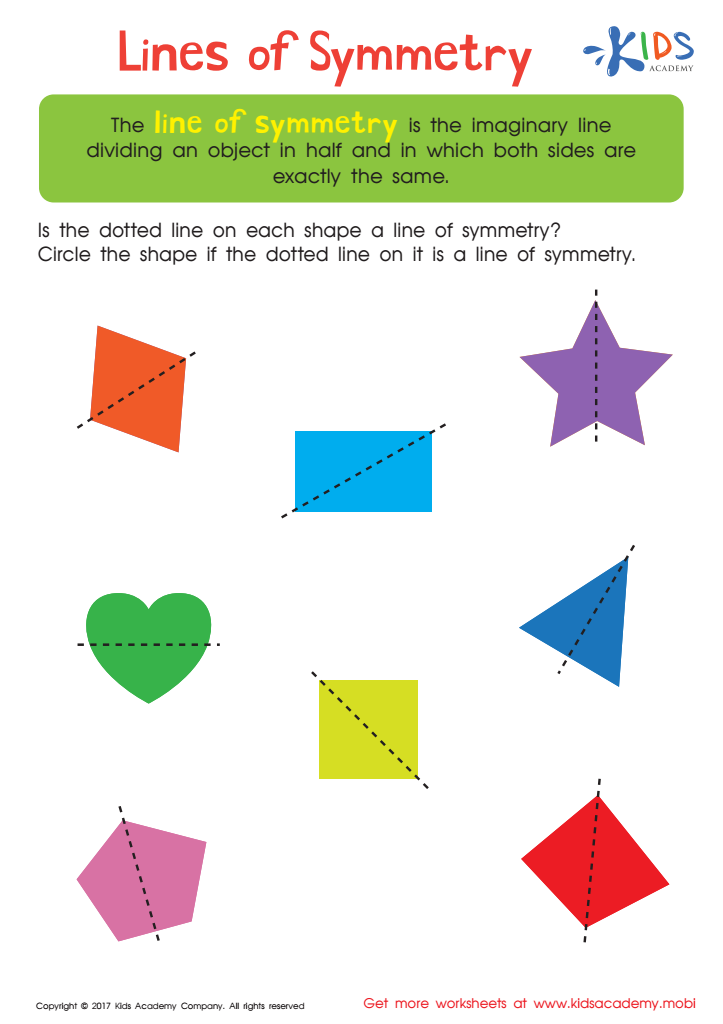
Lines of Symmetry Printable
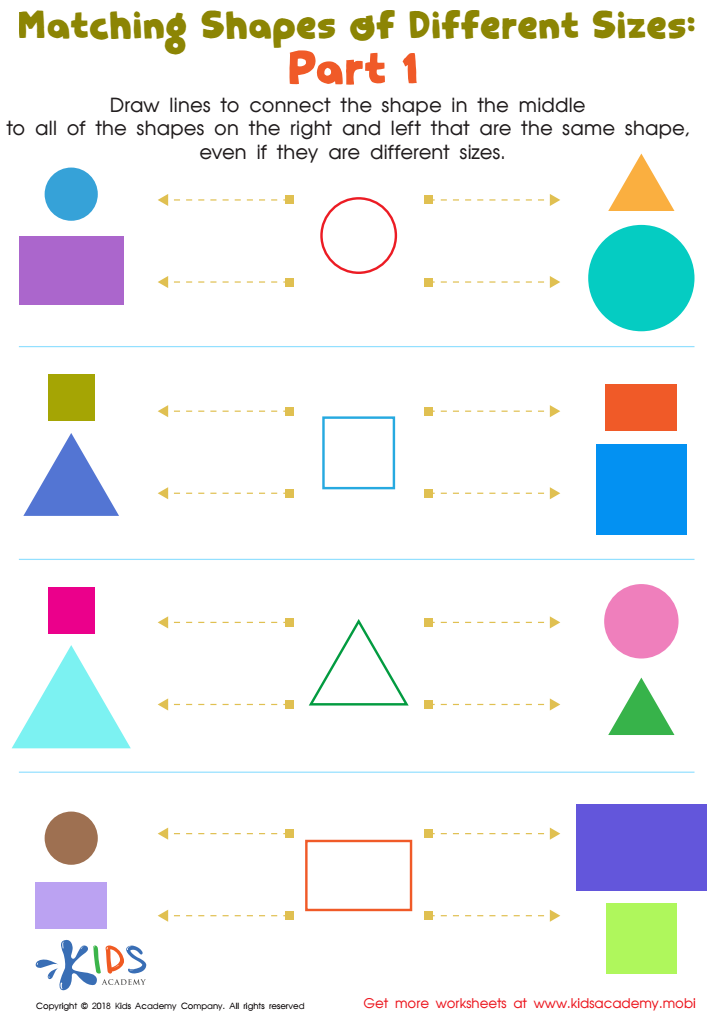
Geometry: part 1 Worksheet
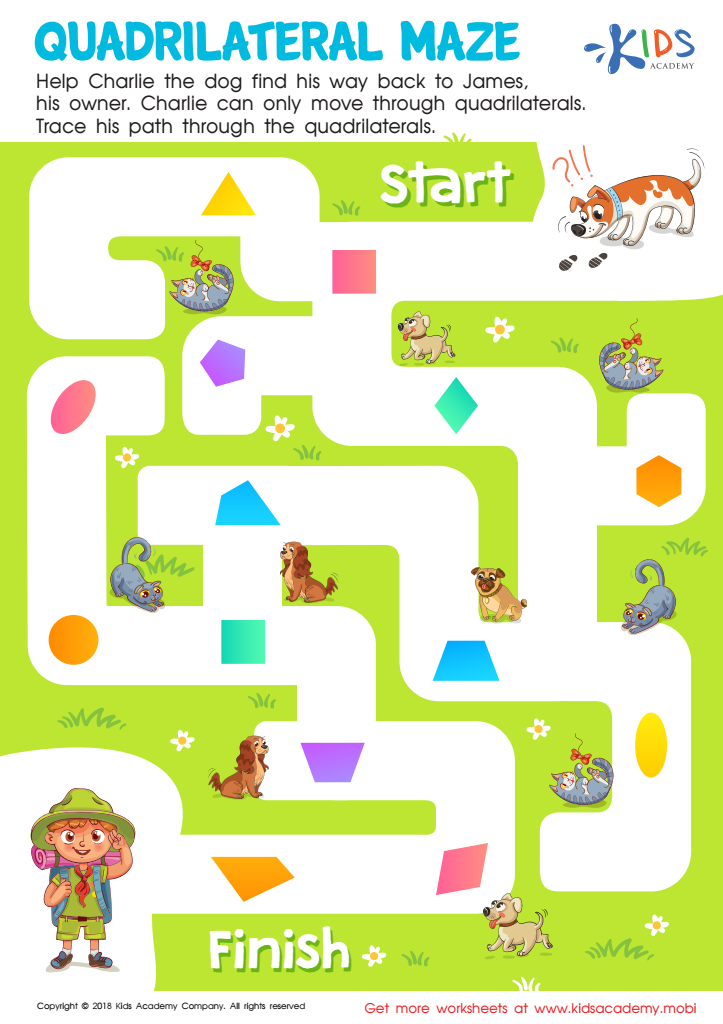
Quadrilateral Maze Worksheet
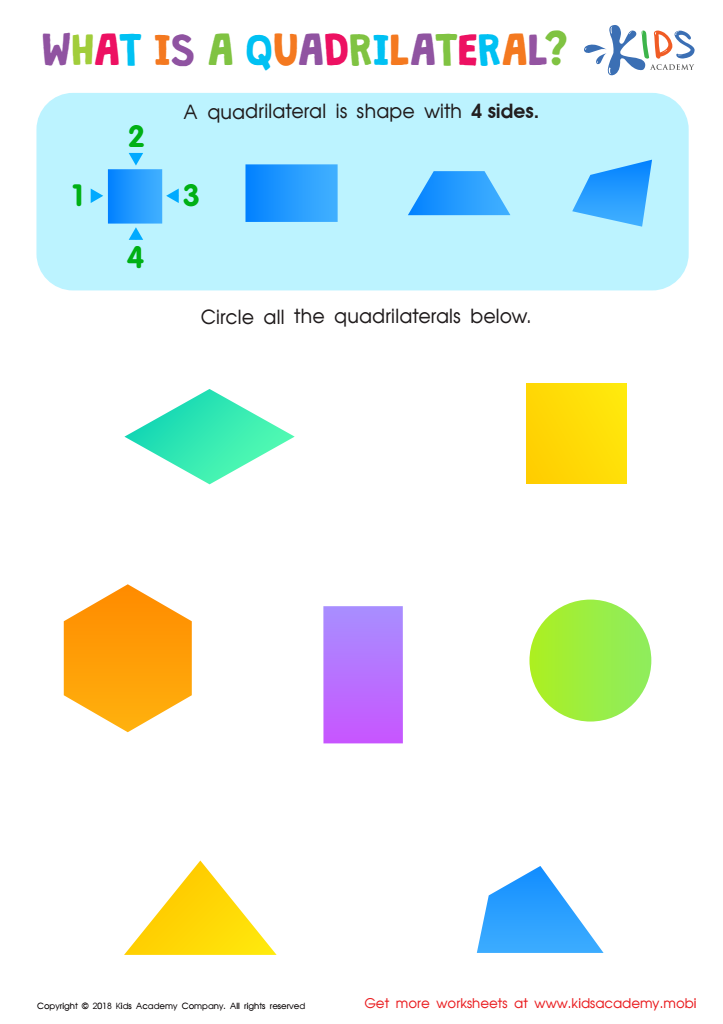
What Is a Quadrilateral? Worksheet








Recognizing 2D shapes is a fundamental skill in early childhood education, and it holds significant importance for children ages 4-9. Understanding shapes is not just about identifying circles, squares, and triangles; it lays the groundwork for several mathematical and cognitive skills. Firstly, shape recognition fosters critical thinking and enhances spatial awareness, skills that are crucial for problem-solving in math and science. As children learn to categorize and compare shapes, they develop the ability to analyze their environment, which is vital for both academic success and daily navigation.
Furthermore, recognizing 2D shapes is instrumental in developing fine motor skills through activities like drawing and crafting. Engaging in these activities allows children to express their creativity while reinforcing their shape knowledge. Additionally, linking shapes to real-world objects — like recognizing a stop sign as an octagon — aids in observation skills, nurturing curiosity about their surroundings.
For parents and teachers, promoting shape recognition helps enhance communication between children and their environments, fostering a sense of confidence. Supporting this skill encourages a love for learning and lays the foundation for more complex concepts such as geometry, measurement, and eventually, algebra. Thus, prioritizing 2D shape recognition is integral to a child's cognitive development.