Understanding Quantities Adding at the Zoo Worksheets for Ages 4-9
6 filtered results
-
From - To
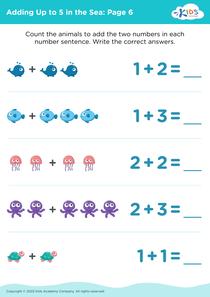
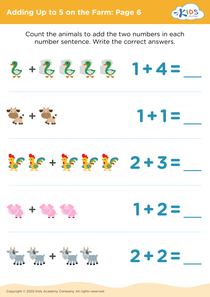
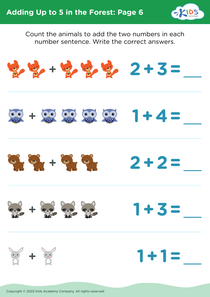
Dive into the world of math with our "Understanding Quantities Adding at the Zoo" worksheets for ages 4-9! Designed to make learning fun, these worksheets feature adorable zoo animals that help children grasp the concept of addition by interacting with quantities. Kids will enjoy solving problems and counting cute animals while strengthening their math skills. Ideal for engaging young learners, our worksheets blend education with entertainment, making math a joyful adventure! These resources are perfect for both in-class activities and home practice, ensuring your child builds a solid foundation in math. Start the adventure today!
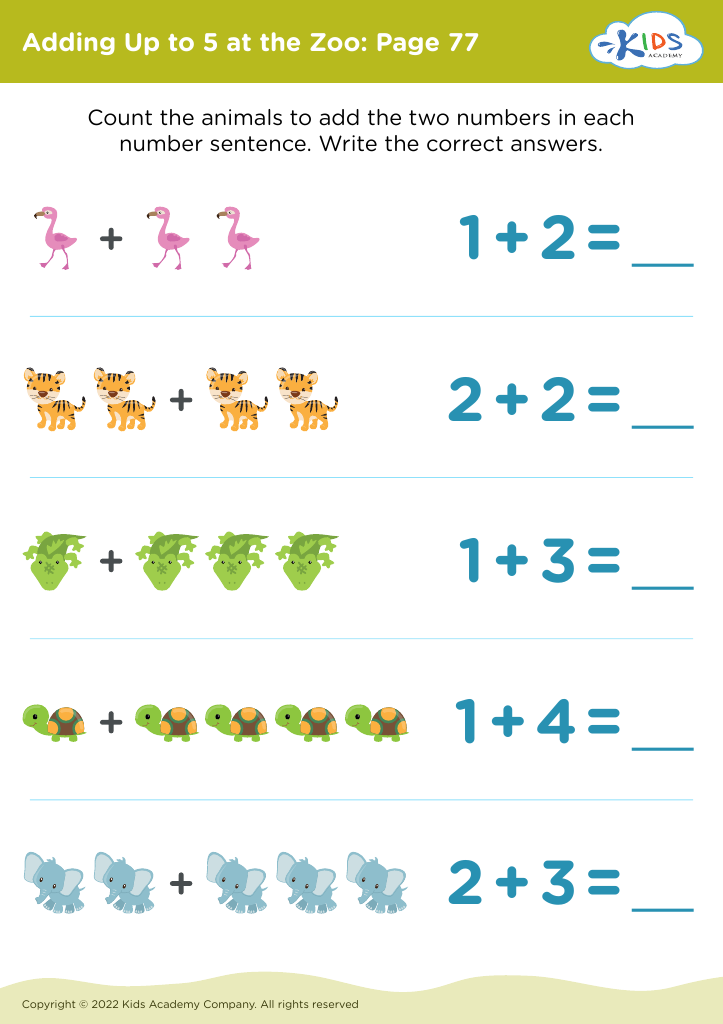
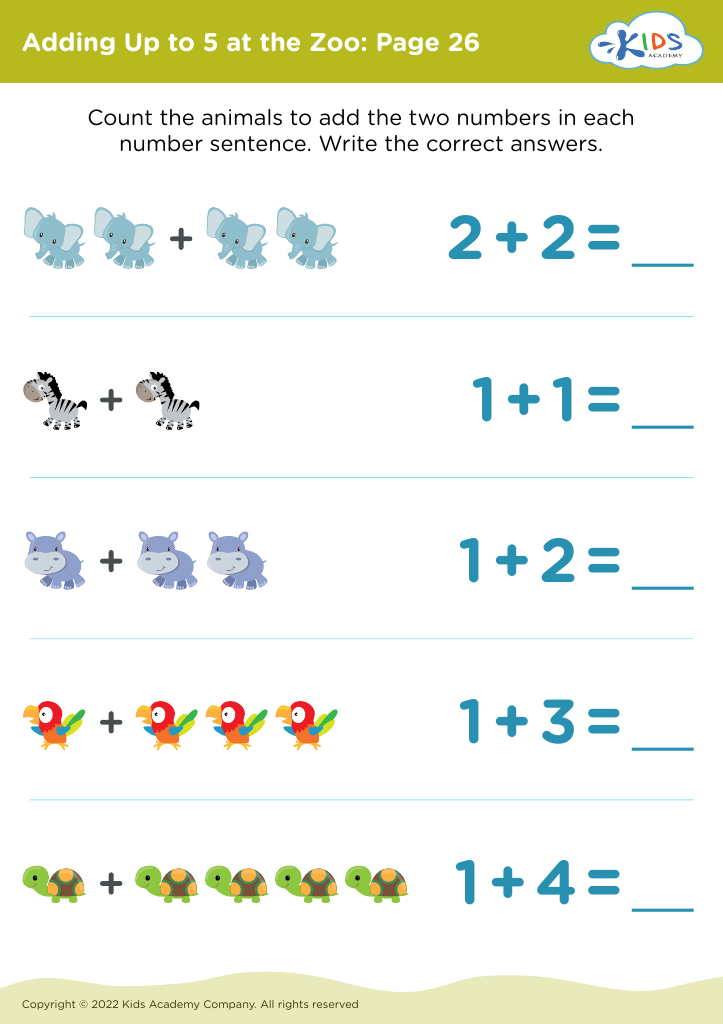
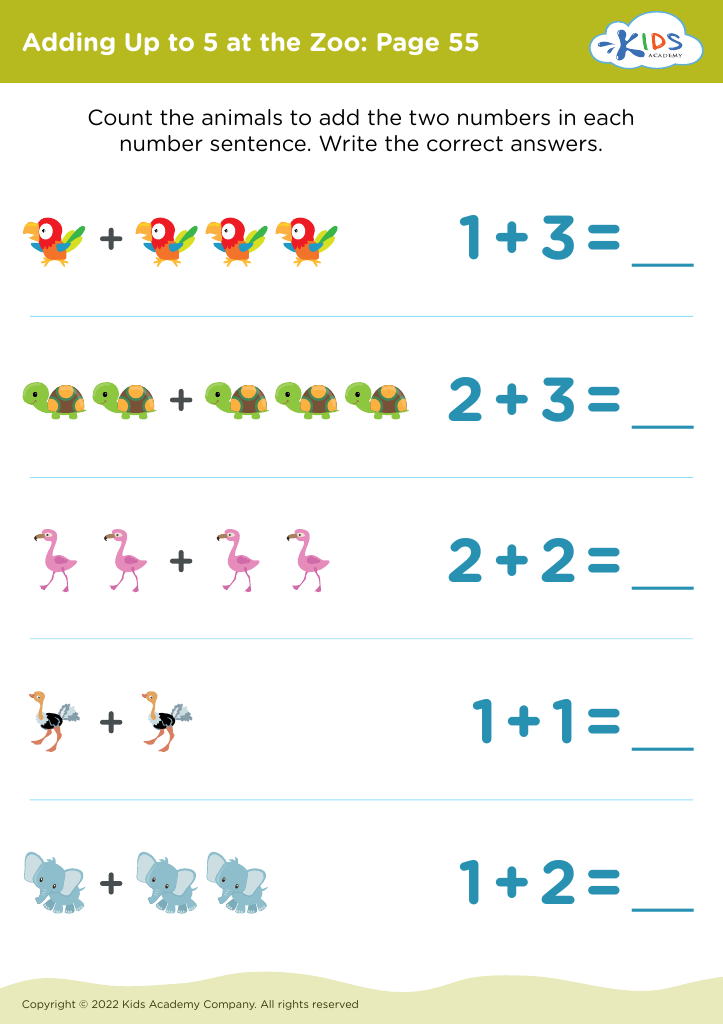
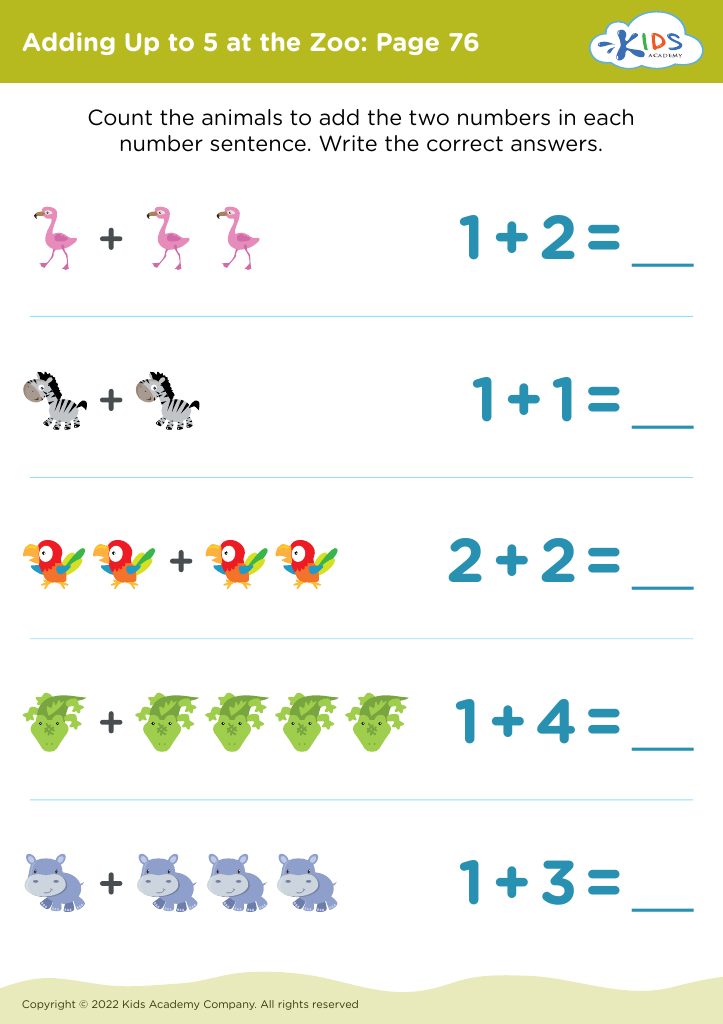
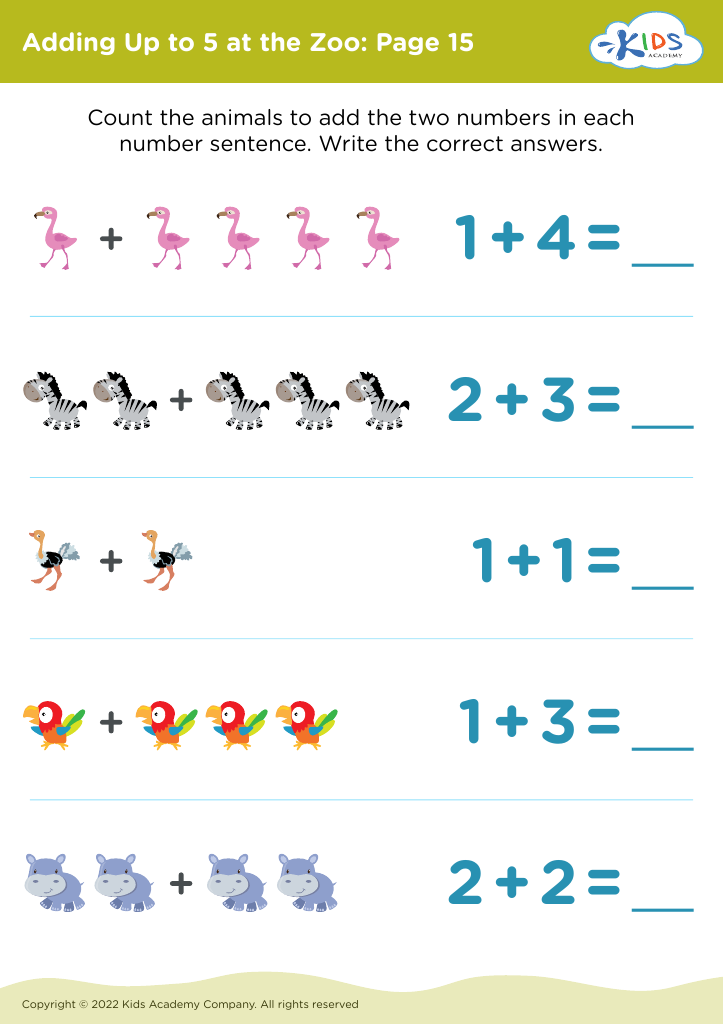
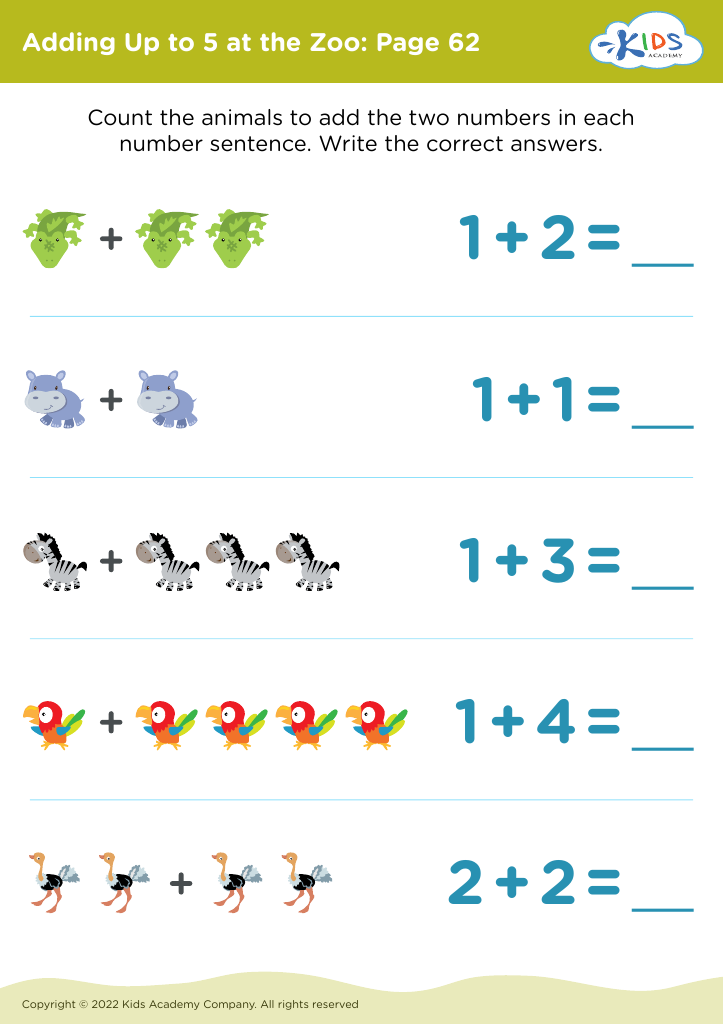



Understanding quantities and adding at the zoo can greatly benefit children aged 4-9 by making early math concepts engaging and fun. At this stage, children naturally have abundant curiosity and a strong enthusiasm for learning. Linking math to a familiar, exciting environment like the zoo ensures these abstract concepts become relatable and enjoyable, thus fostering a positive attitude toward learning.
When children see a real-life context—like counting the number of monkeys swinging or adding zebras and giraffes—they understand that math is all around them, not just within textbook pages. This experiential learning helps anchor key concepts such as number sense, counting, and basic addition in their minds, making future learning more profound and lasting.
For parents and teachers, tying math lessons to zoo trips can provide an invaluable bonding opportunity and make teaching more dynamic. It also allows for observation of practical decision-making skills. For example, figuring out how many treats to share or how many animals they see supports both cognitive and social emotional development. Ultimately, this approach transforms abstract lessons into tangible experiences, leading to a more holistic and joyful way of learning fundamental mathematical skills. Encouraging this early mathematical enthusiasm sets a solid foundation for more complex problem-solving and quantitative reasoning in later years.