Filters

17 filtered results

Clear all filters
Favorites
With answer key
Interactive

17 filtered results

Difficulty Level

Grade


Subject

    Explore cognitive development with our "Adding in the Forest" worksheets, tailored for ages 4-9. These engaging activities blend math practice with captivating forest themes to make learning enjoyable. By presenting arithmetic challenges in a nature-inspired setting, children can enhance fundamental skills such as problem-solving, memory, and logical thinking. Created by experts, these worksheets ensure a balance of educational rigor and fun. Perfect for parents and teachers striving to boost cognitive abilities while instilling a love for math. Watch your child's confidence and proficiency grow with each completed worksheet! Explore "Adding in the Forest" today and nurture a bright mathematical future!
    Check out this FREE Trial Lesson on Adding in the Forest for age 4-9!

    L

    Favorites
    With answer key
    Interactive
    • 4-9
    • Cognitive Development
    • Adding in the Forest
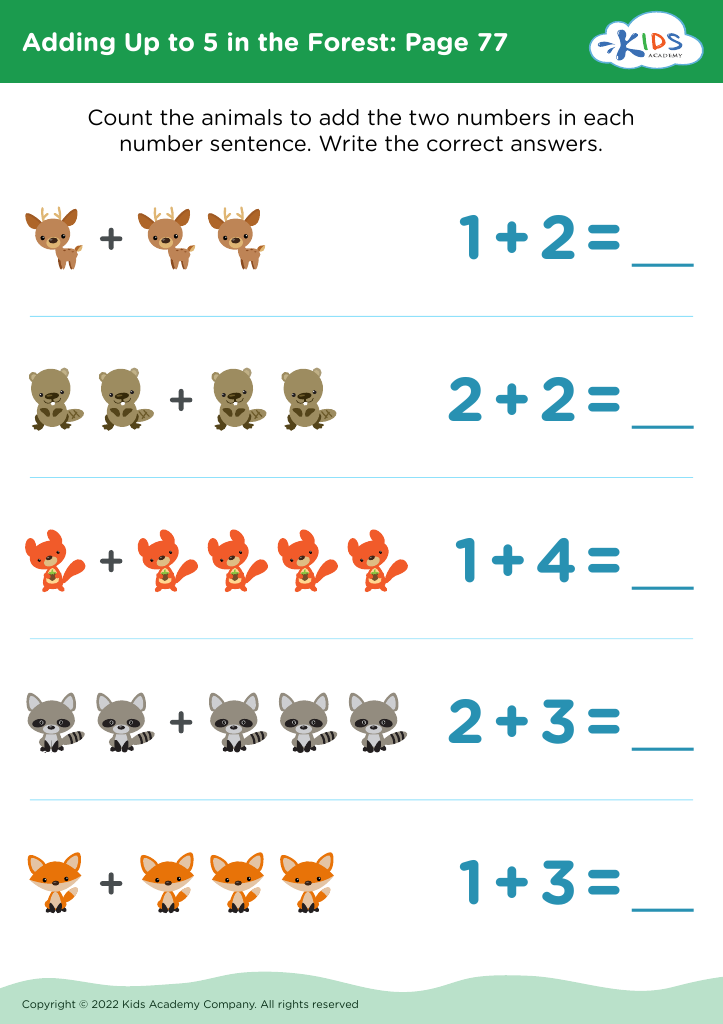
    Adding Up to 5 in the Forest: Page 77
    Adding Up to 5 in the Forest: Page 77
    Adding Up to 5 in the Forest: Page 77
    Worksheet
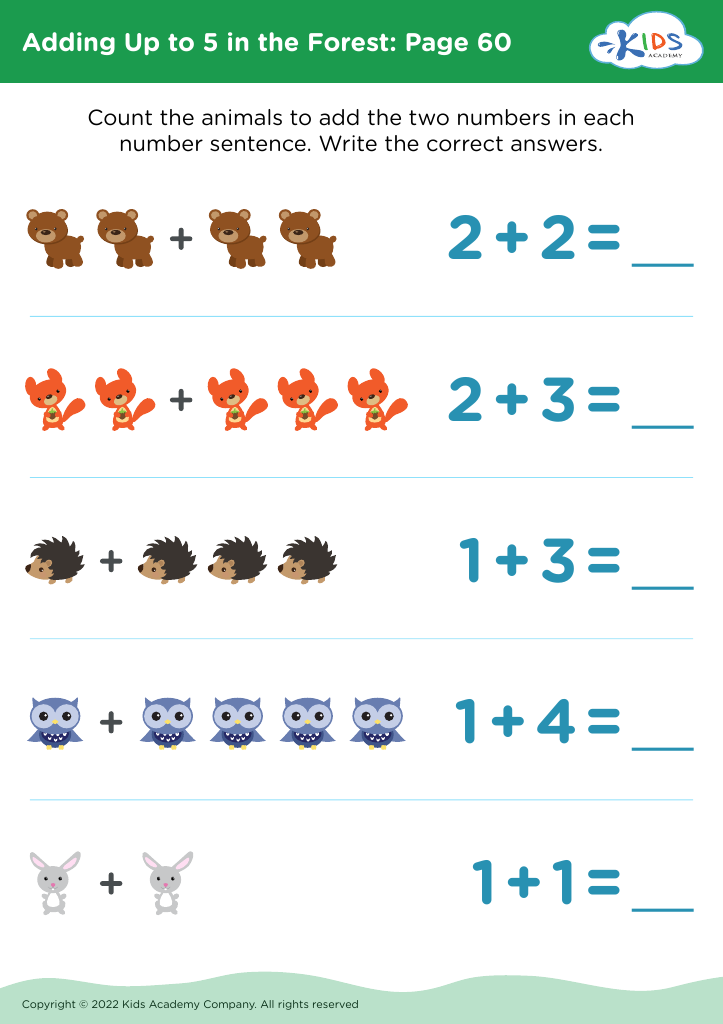
    Adding Up to 5 in the Forest: Page 60
    Adding Up to 5 in the Forest: Page 60
    Adding Up to 5 in the Forest: Page 60
    Worksheet
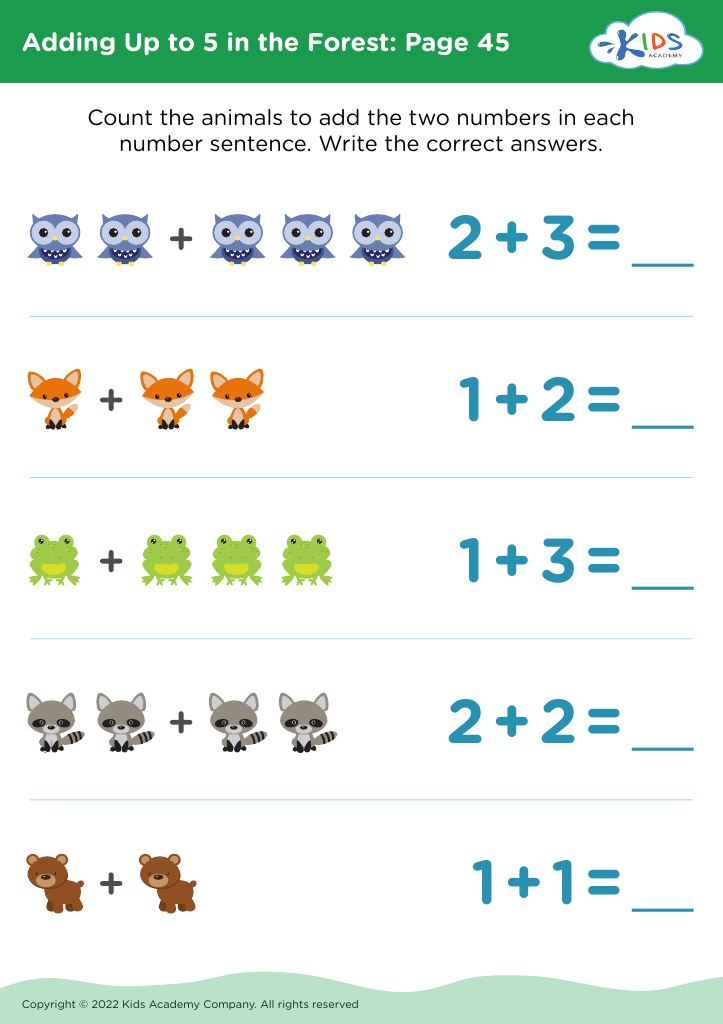
    Adding Up to 5 in the Forest: Page 45
    Adding Up to 5 in the Forest: Page 45
    Adding Up to 5 in the Forest: Page 45
    Worksheet
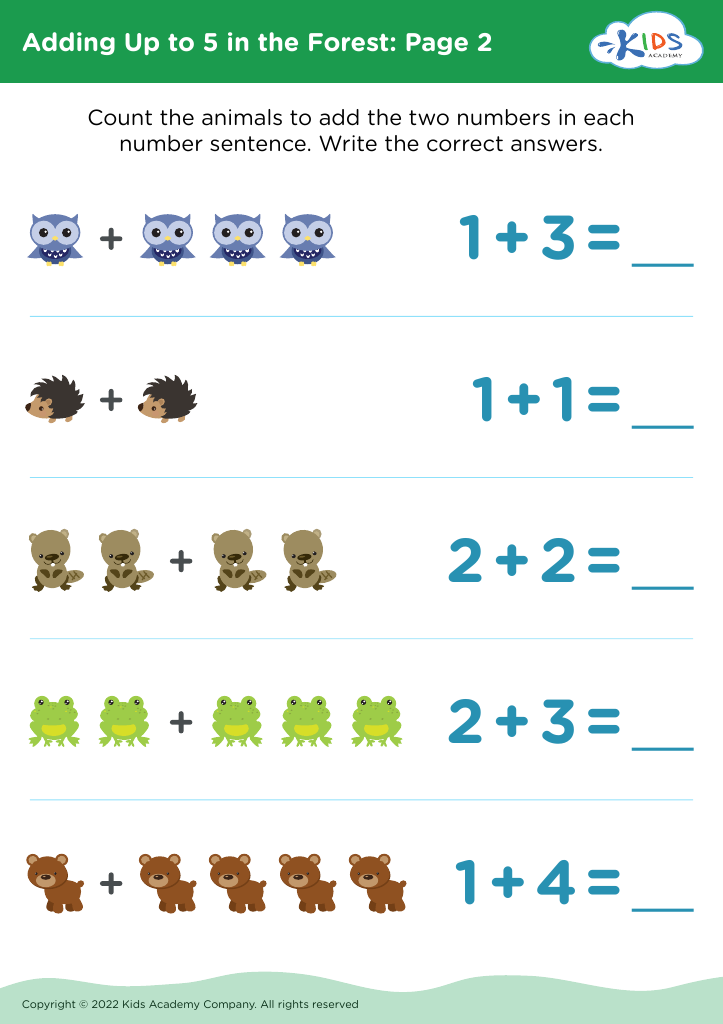
    Adding Up to 5 in the Forest: Page 2
    Adding Up to 5 in the Forest: Page 2
    Adding Up to 5 in the Forest: Page 2
    Worksheet
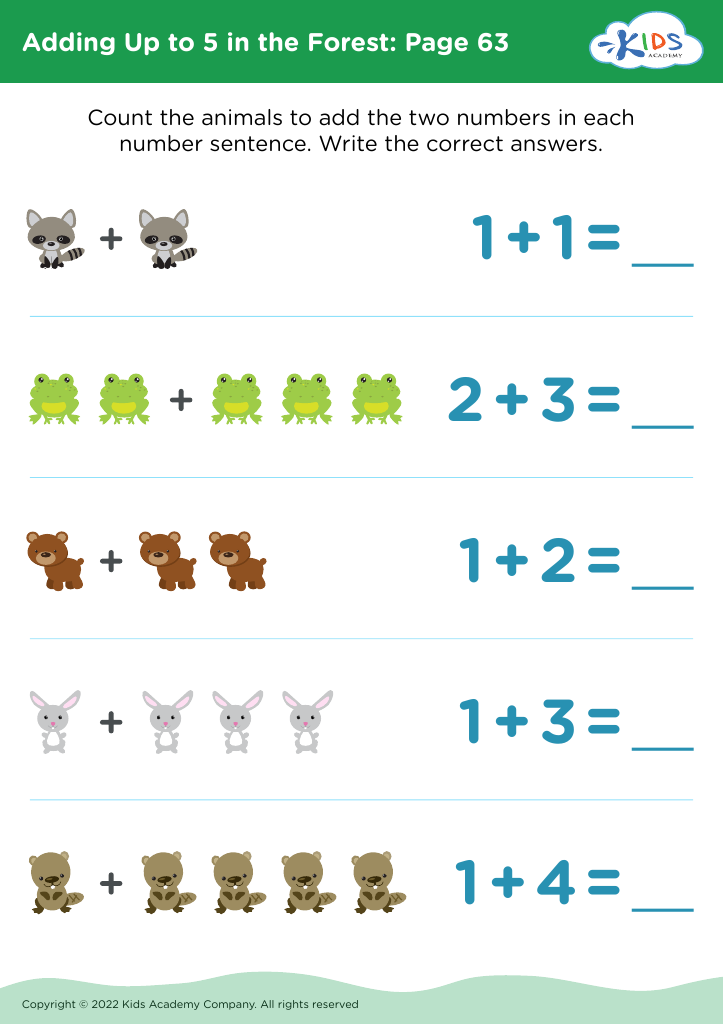
    Adding Up to 5 in the Forest: Page 63
    Adding Up to 5 in the Forest: Page 63
    Adding Up to 5 in the Forest: Page 63
    Worksheet
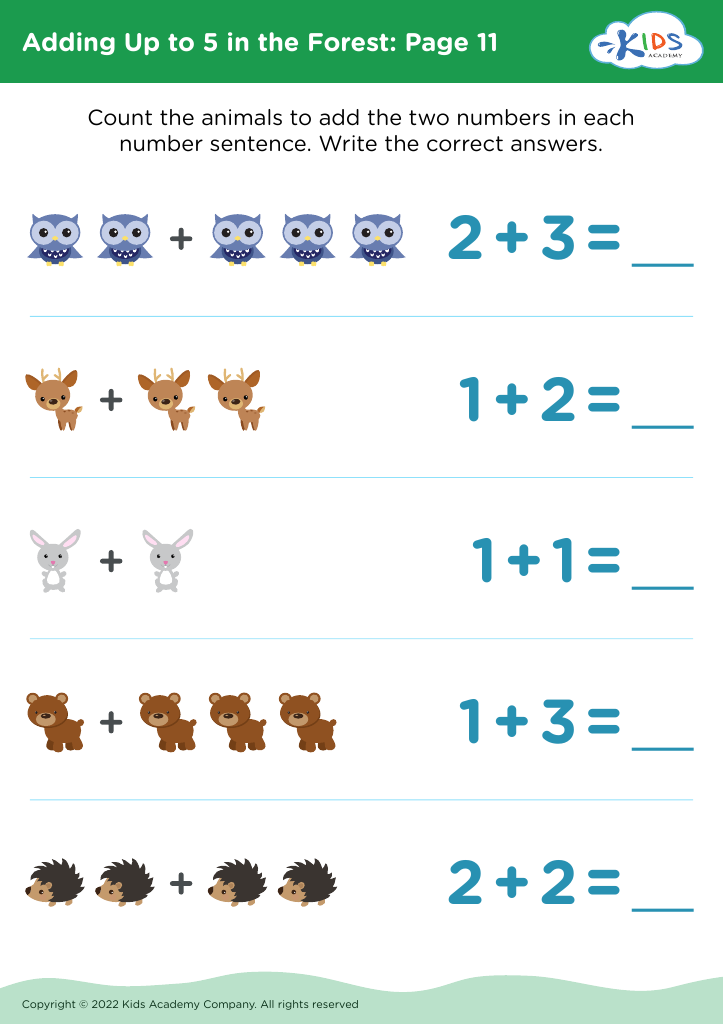
    Adding Up to 5 in the Forest: Page 11
    Adding Up to 5 in the Forest: Page 11
    Adding Up to 5 in the Forest: Page 11
    Worksheet
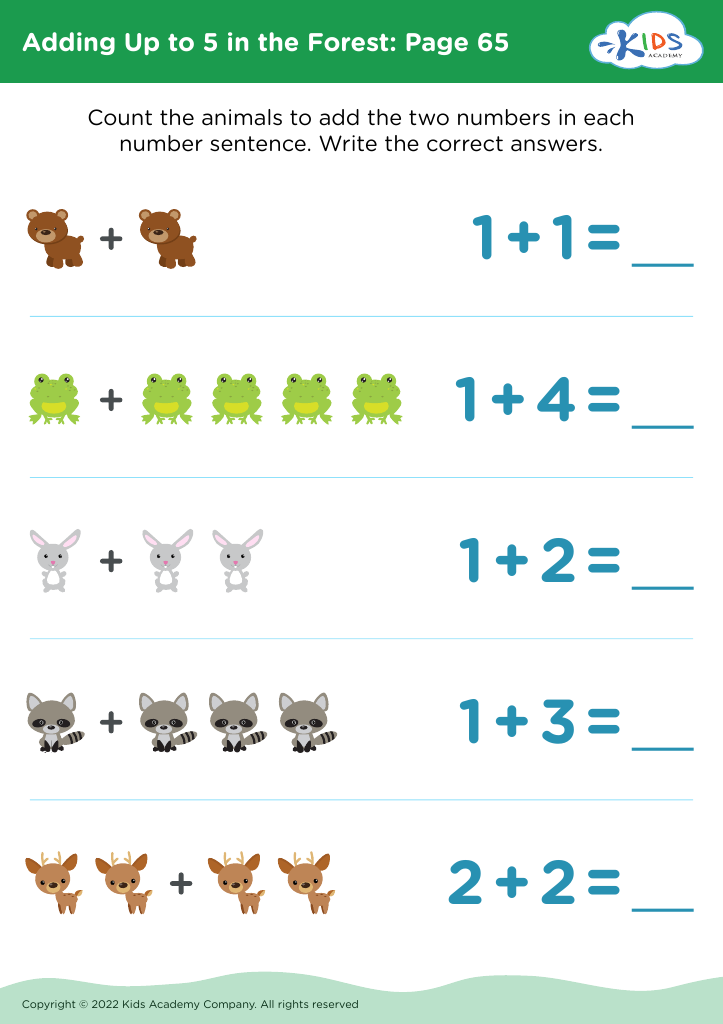
    Adding Up to 5 in the Forest: Page 65
    Adding Up to 5 in the Forest: Page 65
    Adding Up to 5 in the Forest: Page 65
    Worksheet
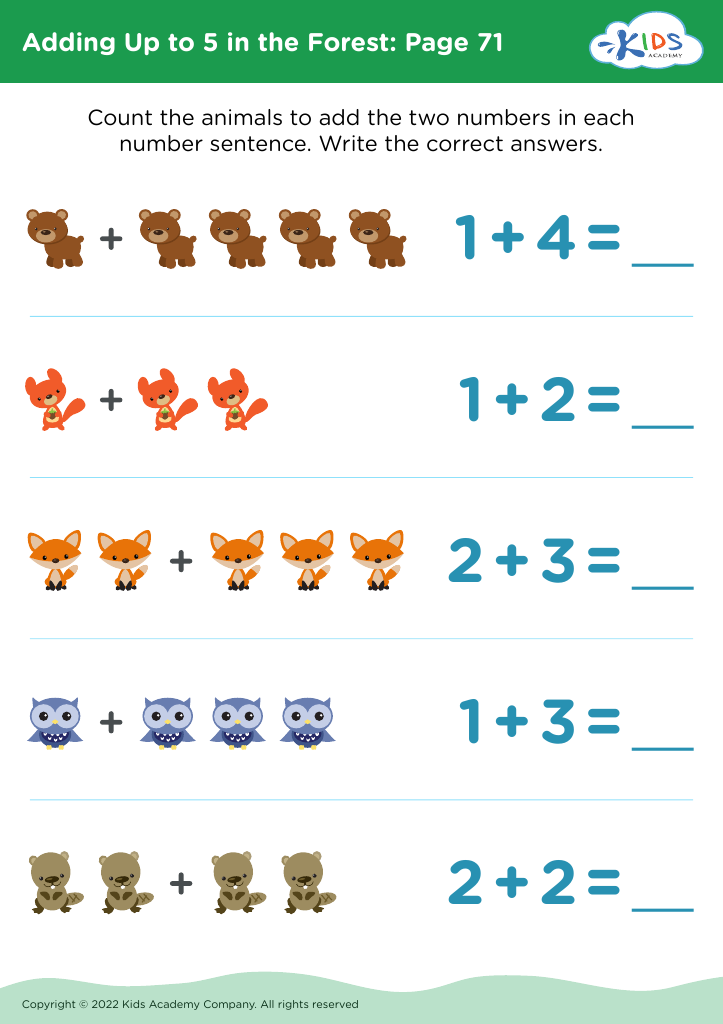
    Adding Up to 5 in the Forest: Page 71
    Adding Up to 5 in the Forest: Page 71
    Adding Up to 5 in the Forest: Page 71
    Worksheet
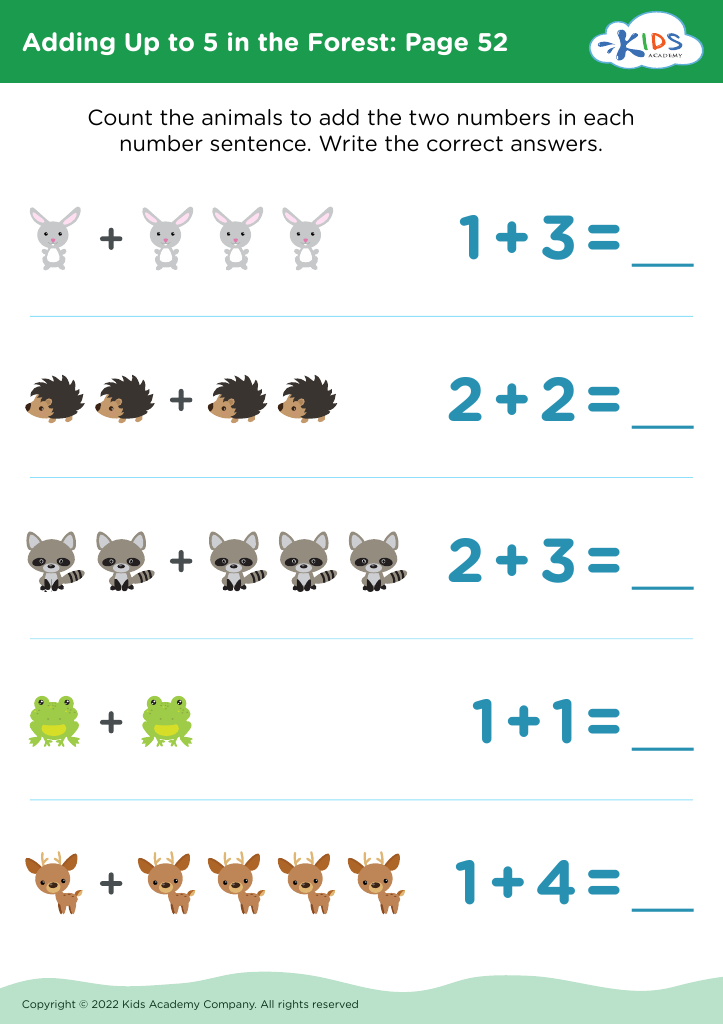
    Adding Up to 5 in the Forest: Page 52
    Adding Up to 5 in the Forest: Page 52
    Adding Up to 5 in the Forest: Page 52
    Worksheet
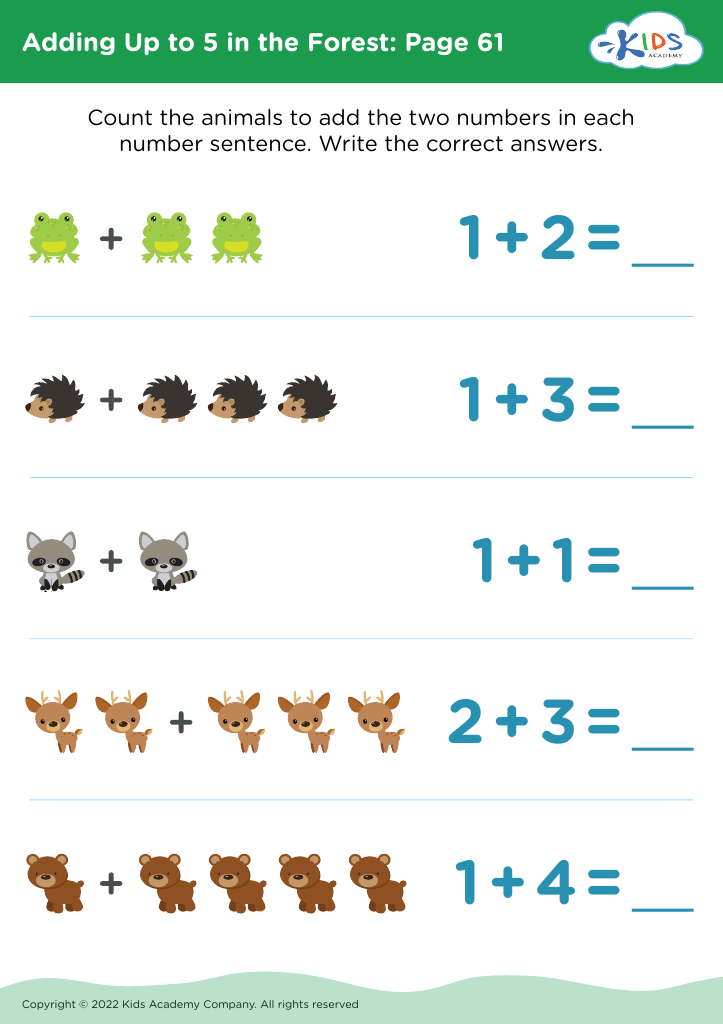
    Adding Up to 5 in the Forest: Page 61
    Adding Up to 5 in the Forest: Page 61
    Adding Up to 5 in the Forest: Page 61
    Worksheet
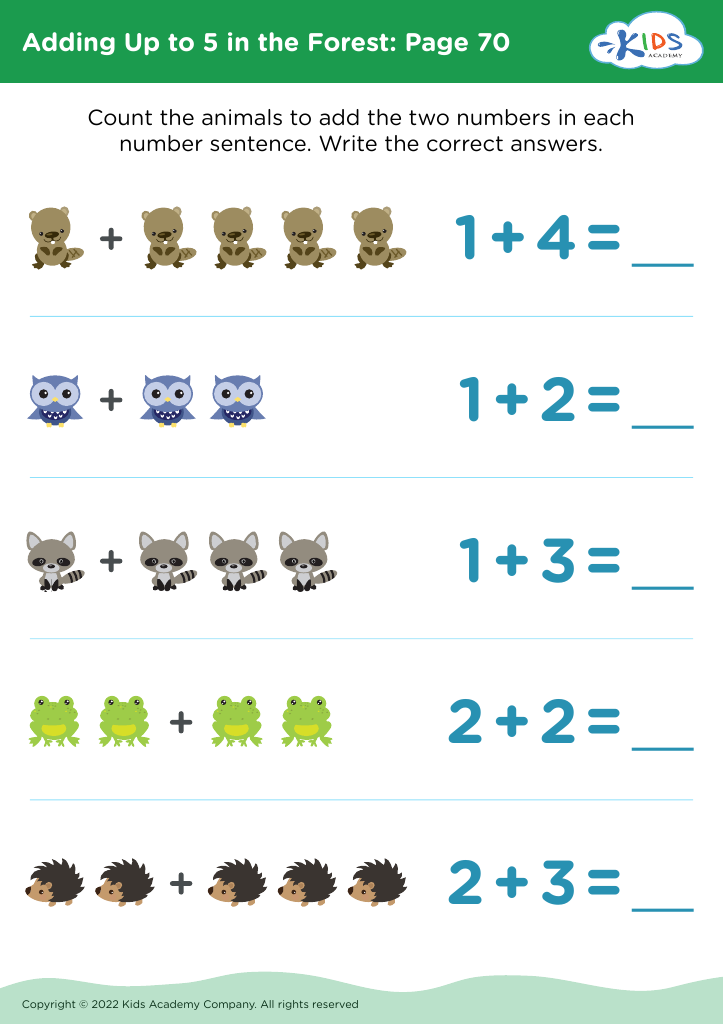
    Adding Up to 5 in the Forest: Page 70
    Adding Up to 5 in the Forest: Page 70
    Adding Up to 5 in the Forest: Page 70
    Worksheet
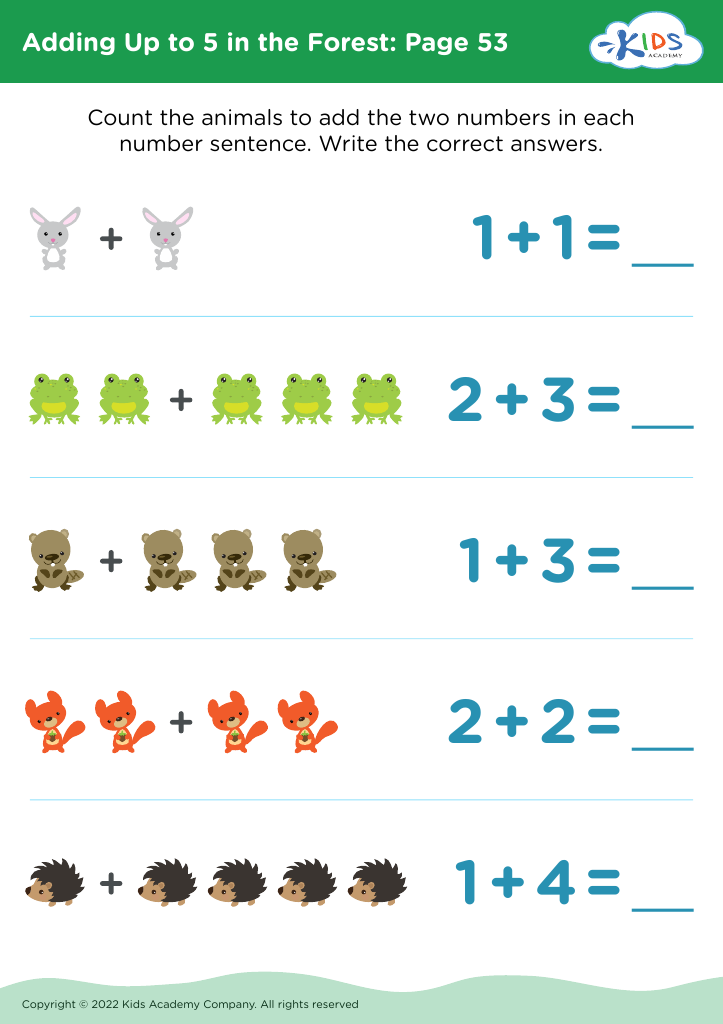
    Adding Up to 5 in the Forest: Page 53
    Adding Up to 5 in the Forest: Page 53
    Adding Up to 5 in the Forest: Page 53
    Worksheet
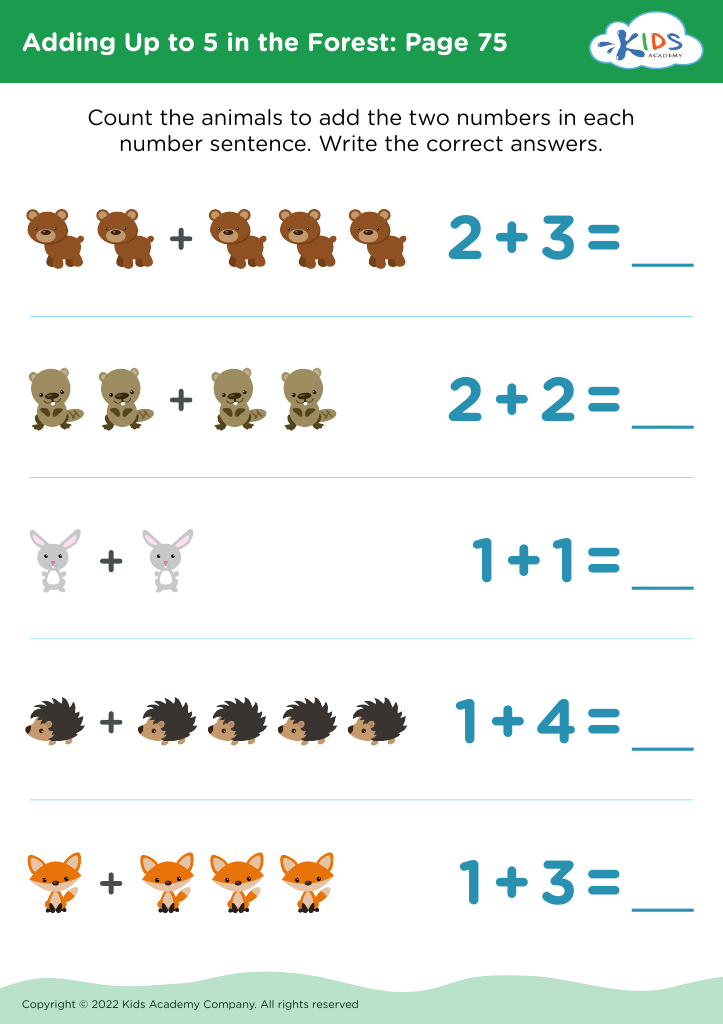
    Adding Up to 5 in the Forest: Page 75
    Adding Up to 5 in the Forest: Page 75
    Adding Up to 5 in the Forest: Page 75
    Worksheet
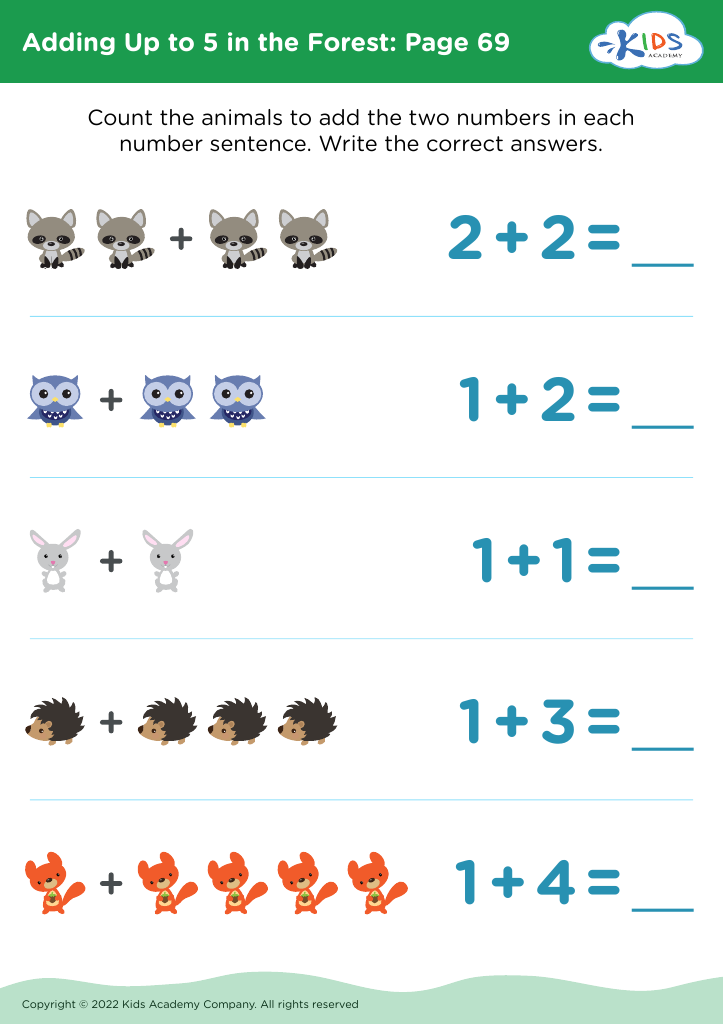
    Adding Up to 5 in the Forest: Page 69
    Adding Up to 5 in the Forest: Page 69
    Adding Up to 5 in the Forest: Page 69
    Worksheet
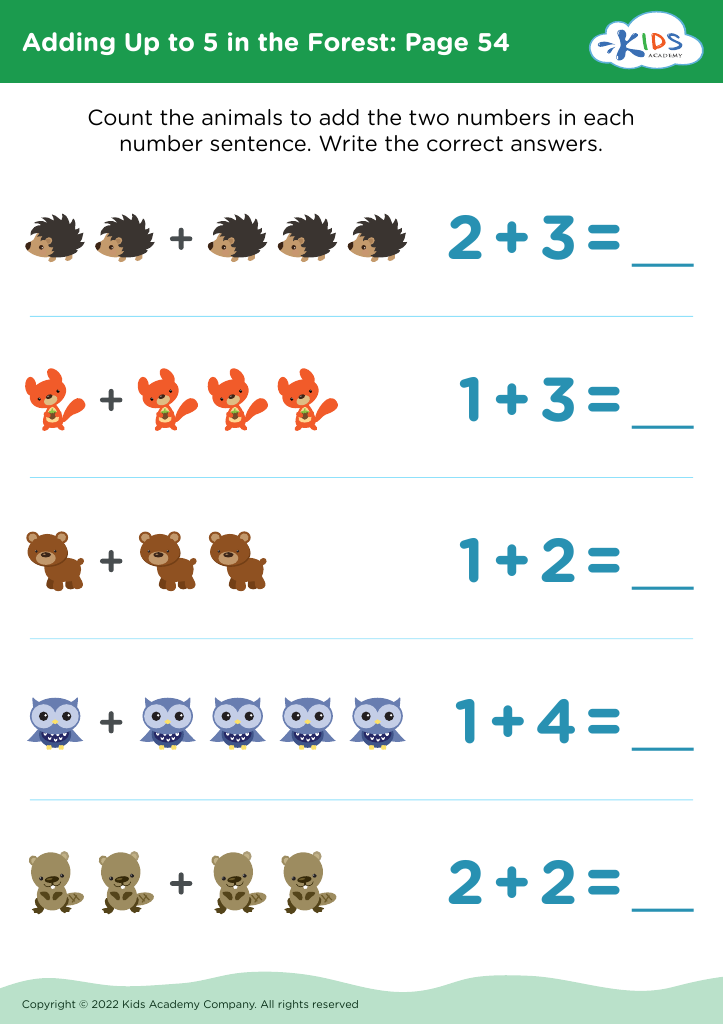
    Adding Up to 5 in the Forest: Page 54
    Adding Up to 5 in the Forest: Page 54
    Adding Up to 5 in the Forest: Page 54
    Worksheet
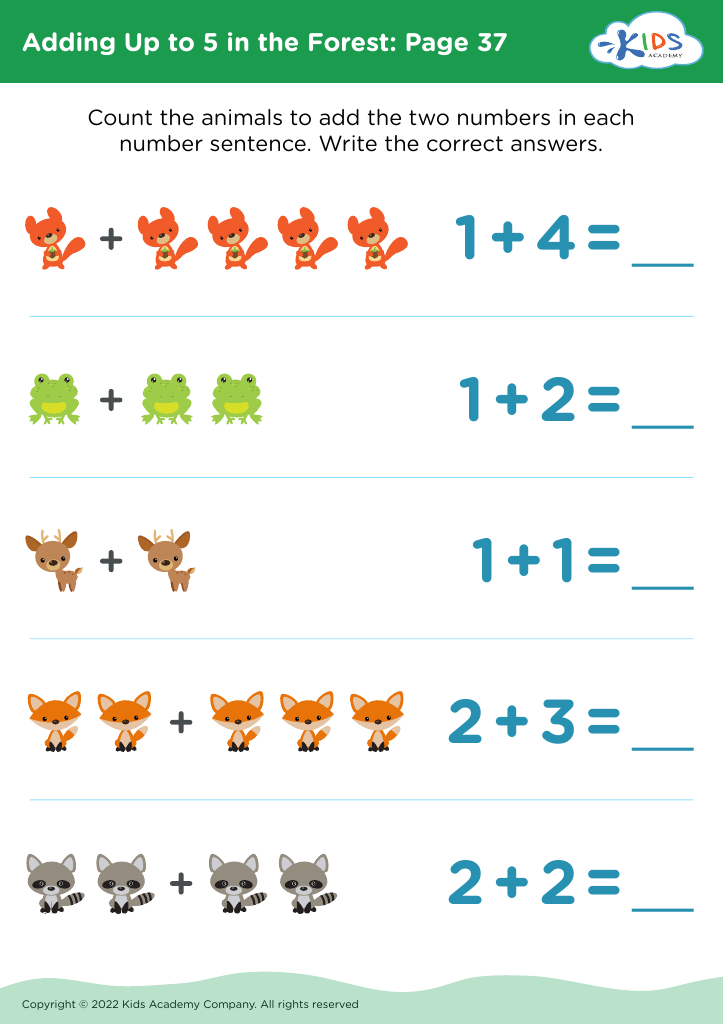
    Adding Up to 5 in the Forest: Page 37
    Adding Up to 5 in the Forest: Page 37
    Adding Up to 5 in the Forest: Page 37
    Worksheet
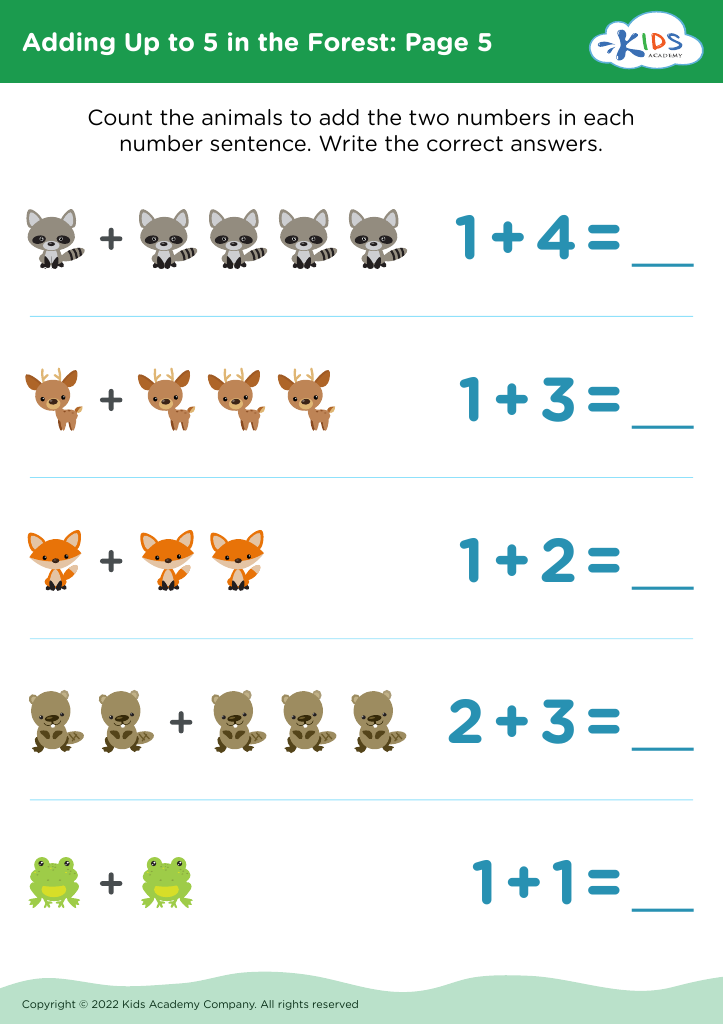
    Adding Up to 5 in the Forest: Page 5
    Adding Up to 5 in the Forest: Page 5
    Adding Up to 5 in the Forest: Page 5
    Worksheet


    Cognitive development is a crucial aspect of a child's overall growth, impacting how they learn, think, and understand the world. For children ages 4-9, activities like Cognitive Development Adding in the Forest offer multifaceted benefits that parents and teachers should prioritize. This specific activity, which often involves counting, adding objects like leaves, rocks, or animals found in a forest setting, taps into natural curiosity and enthusiasm for exploration.

    Firstly, such activities engage children in hands-on, sensory-rich learning, making abstract math concepts tangible and relatable. Being in a forested environment also fosters a deeper connection with nature, promoting emotional well-being and enhancing social skills through collaborative play and exploration. Moreover, cognitive development in the early years is the foundation for later academic success; strong number sense and problem-solving skills are vital cornerstones.

    Additionally, forest-based cognitive activities provide a dynamic learning environment that can cater to diverse learning styles. By introducing arithmetic in a non-traditional setting, children can develop a love for math and learning that transcends the classroom walls. Therefore, prioritizing cognitive development in playful and immersive forest scenarios not only nurtures academic and intellectual growth but also holistic well-being, equipping children with skills and mindsets that are essential throughout life.