Shape identification Adding up to 1000 Worksheets for Ages 4-9
6 filtered results
-
From - To
Discover our engaging Shape Identification worksheets, specially designed for children aged 4-9. These resources make learning fun while helping kids master the crucial skill of recognizing various shapes, an essential aspect of early mathematics. With a collection of 1000+ worksheets focused on shape identification, your child will enhance their cognitive development and spatial awareness. Each worksheet is aligned with educational standards and promotes interactive learning, allowing young learners to explore shapes through exciting activities. Ideal for use at home or in the classroom, these worksheets encourage creativity and critical thinking. Unleash your child's potential with our comprehensive shape identification resources!



Shape identification is a fundamental skill that significantly impacts a child's overall cognitive development. For children aged 4-9, recognizing and understanding various shapes lays a strong foundation for mathematical concepts, spatial awareness, and critical thinking. As they identify shapes – circles, squares, triangles, and more – children enhance their ability to categorize, compare, and relate different objects within their environment.
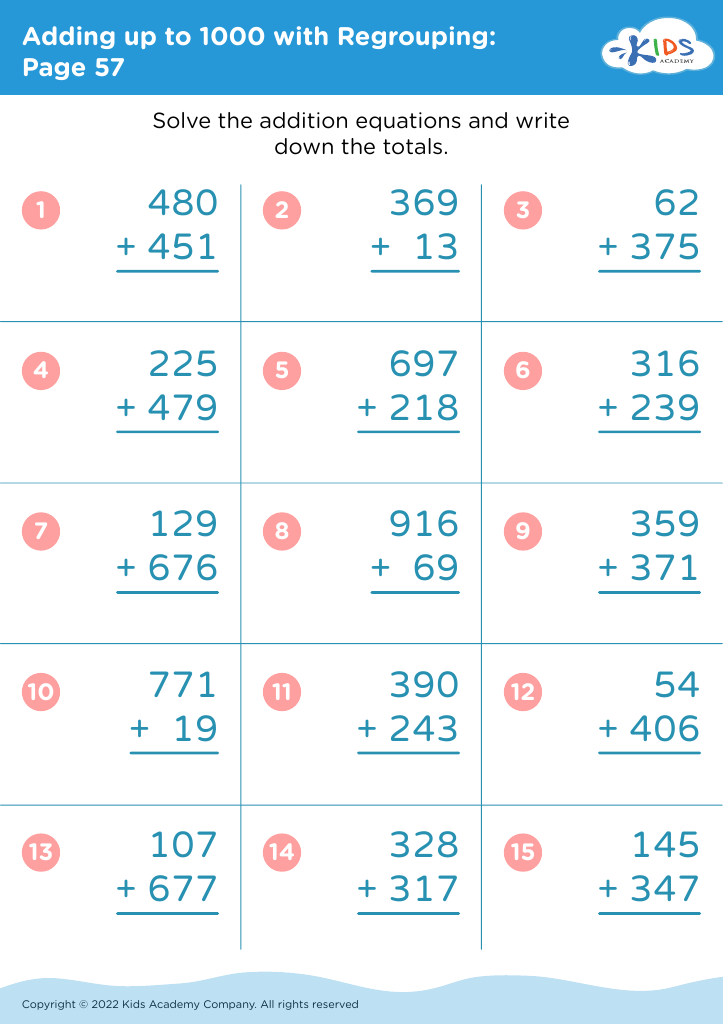
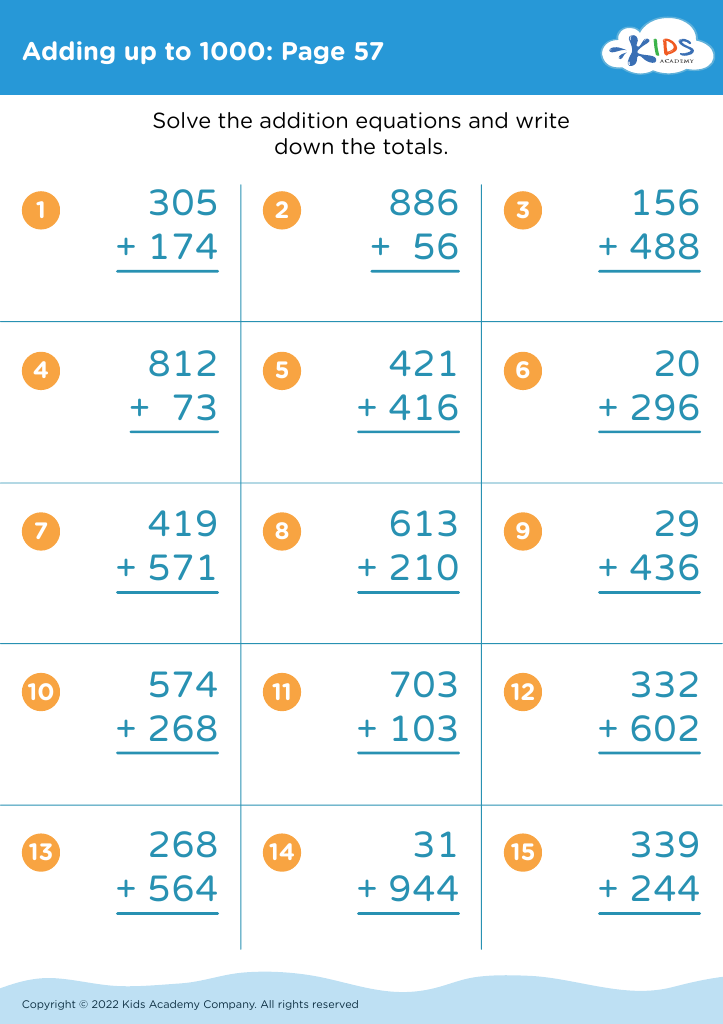
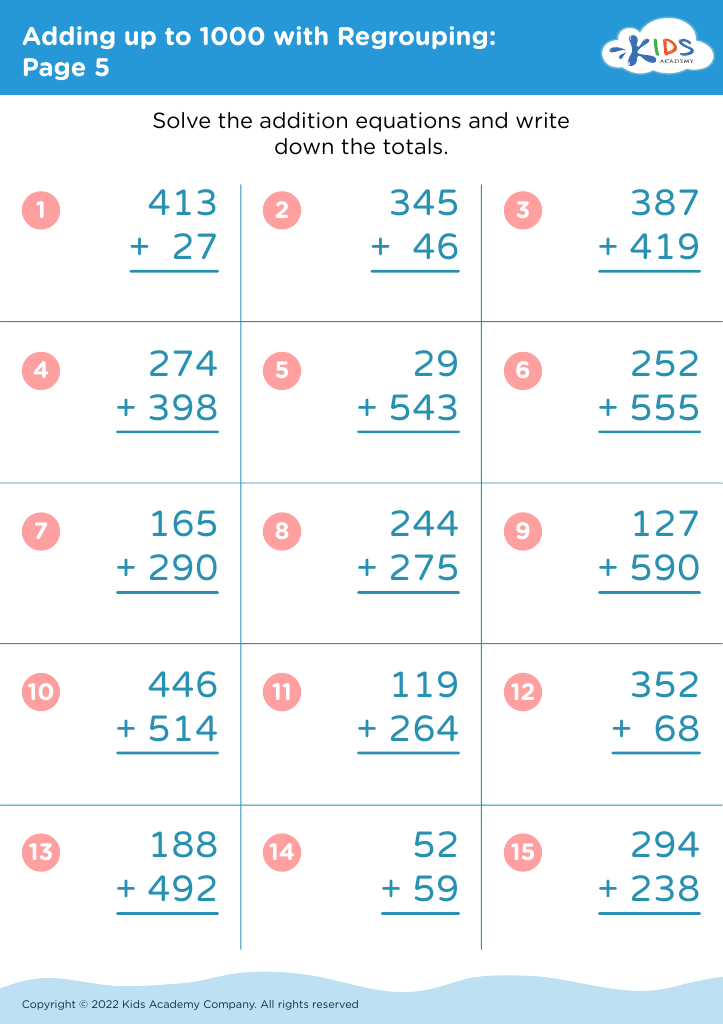
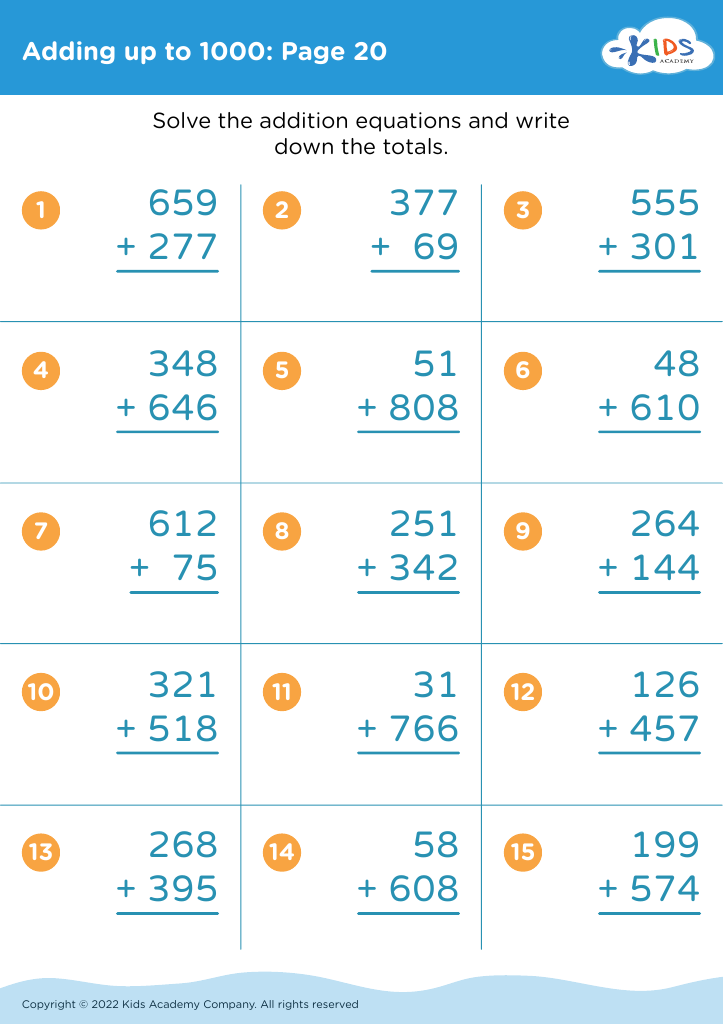
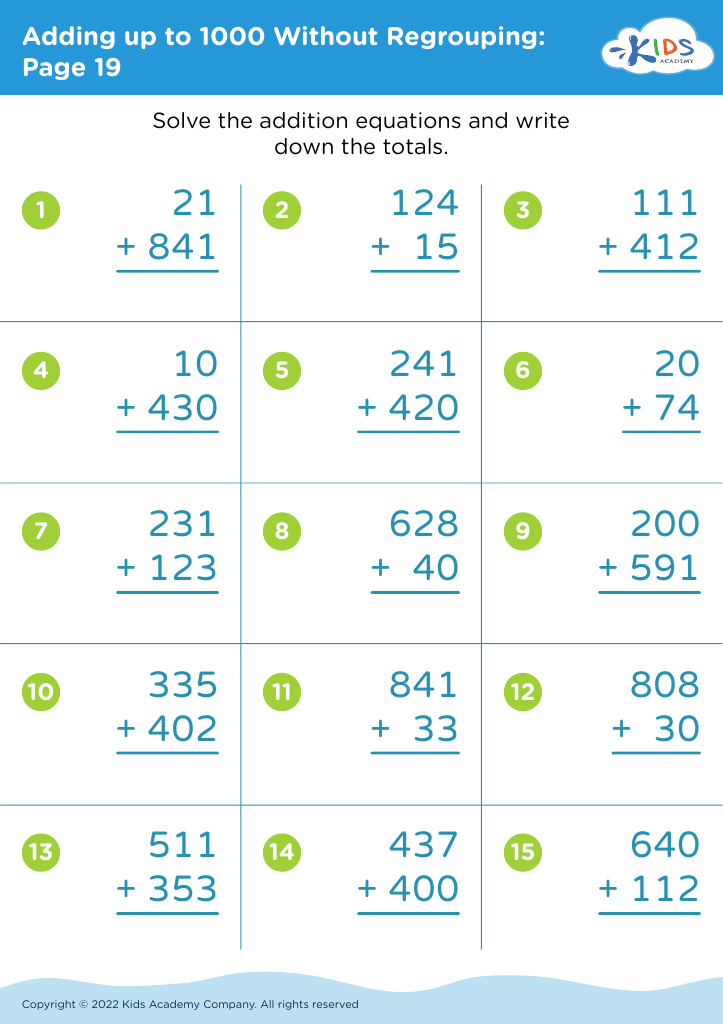
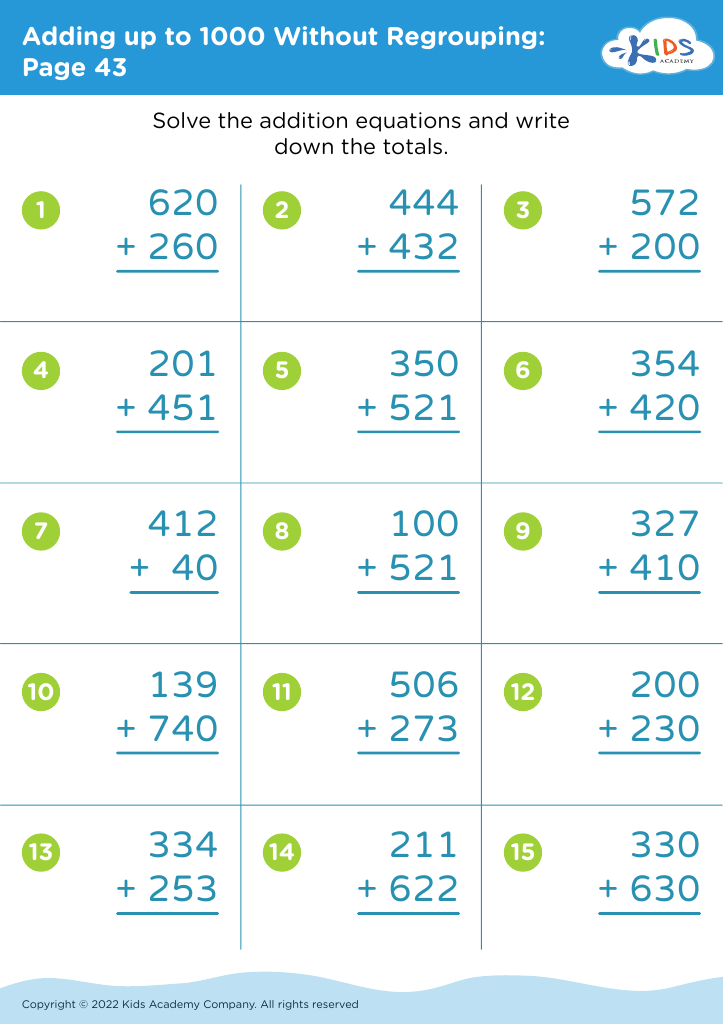
Adding up to 1000 is another important skill that reflects a child’s understanding of numbers and their relationships. This exercise goes beyond simple arithmetic; it promotes problem-solving, number sense, and basic addition strategies. When children learn to break down numbers into components that add up to 1000, they develop a grasp of place value and learn to manipulate numbers with confidence.
Teachers and parents play a vital role in nurturing these abilities, providing opportunities for engaging, hands-on activities that stimulate curiosity and foster learning. By prioritizing shape identification and addition exercises, adults can encourage creativity and analytical skills, essential for future learning. Investing time in these areas will not only enhance a child's academic journey but also prepare them for real-world applications of math and spatial reasoning.








