Filters

95 filtered results

Clear all filters
Favorites
With answer key
Interactive

95 filtered results

Difficulty Level

Grade


Subject

    Check out this FREE Trial Lesson on Adding Up to 5 for age 4-9!

    Z

    Favorites
    With answer key
    Interactive
    • 4-9
    • Cognitive Development
    • Adding Up to 5
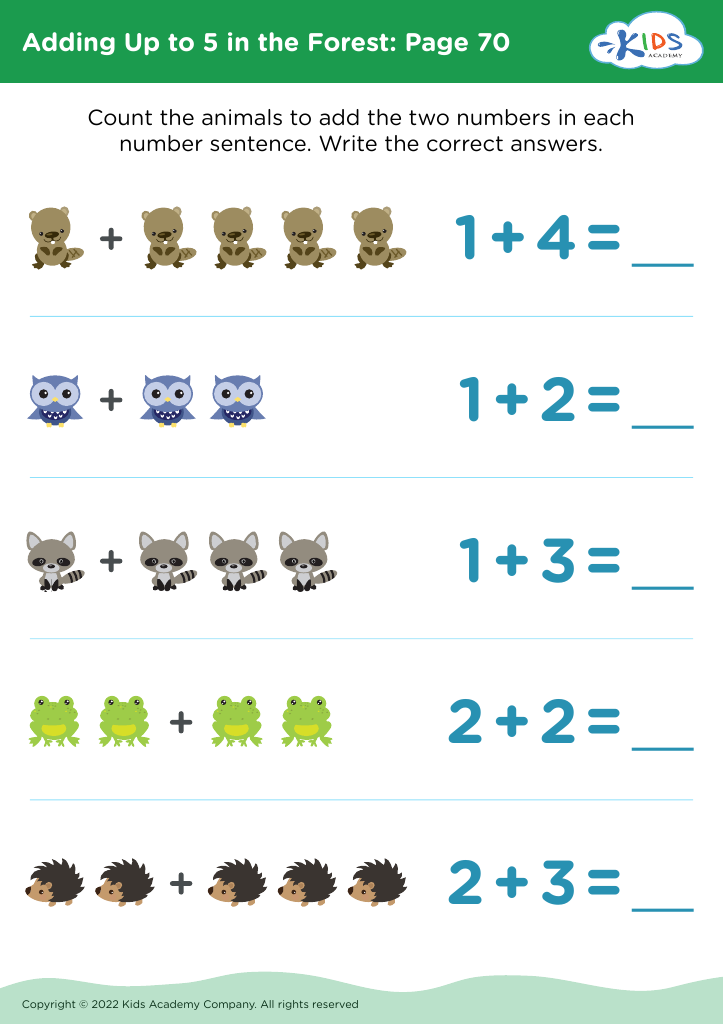
    Adding Up to 5 in the Forest: Page 70
    Adding Up to 5 in the Forest: Page 70
    Adding Up to 5 in the Forest: Page 70
    Worksheet
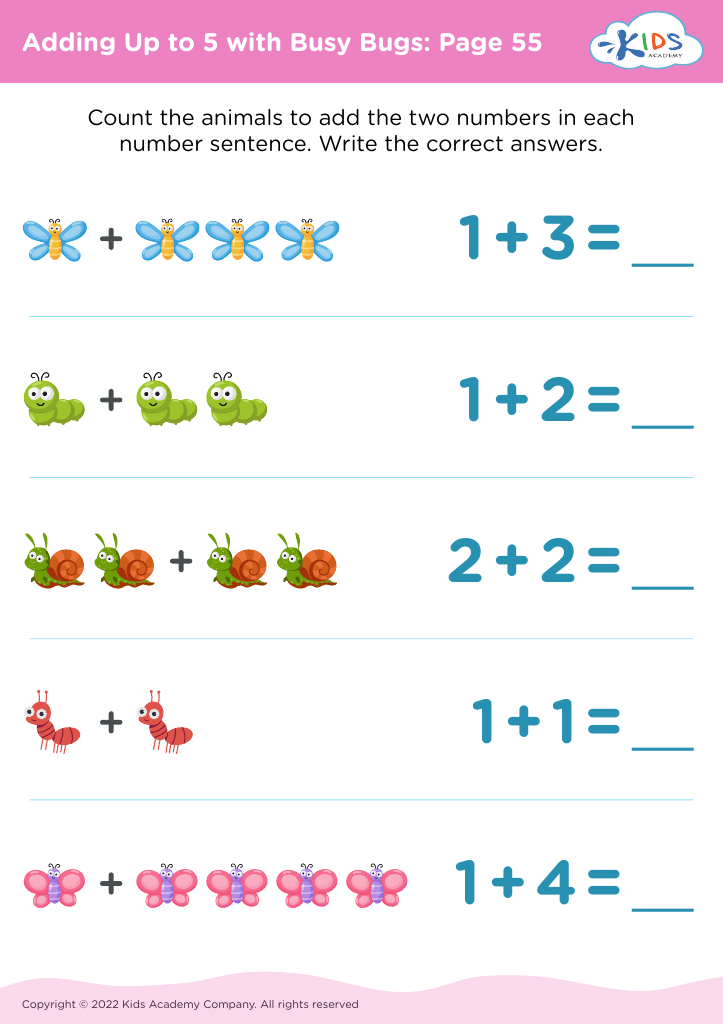
    Adding Up to 5 with Busy Bugs: Page 55
    Adding Up to 5 with Busy Bugs: Page 55
    Adding Up to 5 with Busy Bugs: Page 55
    Worksheet
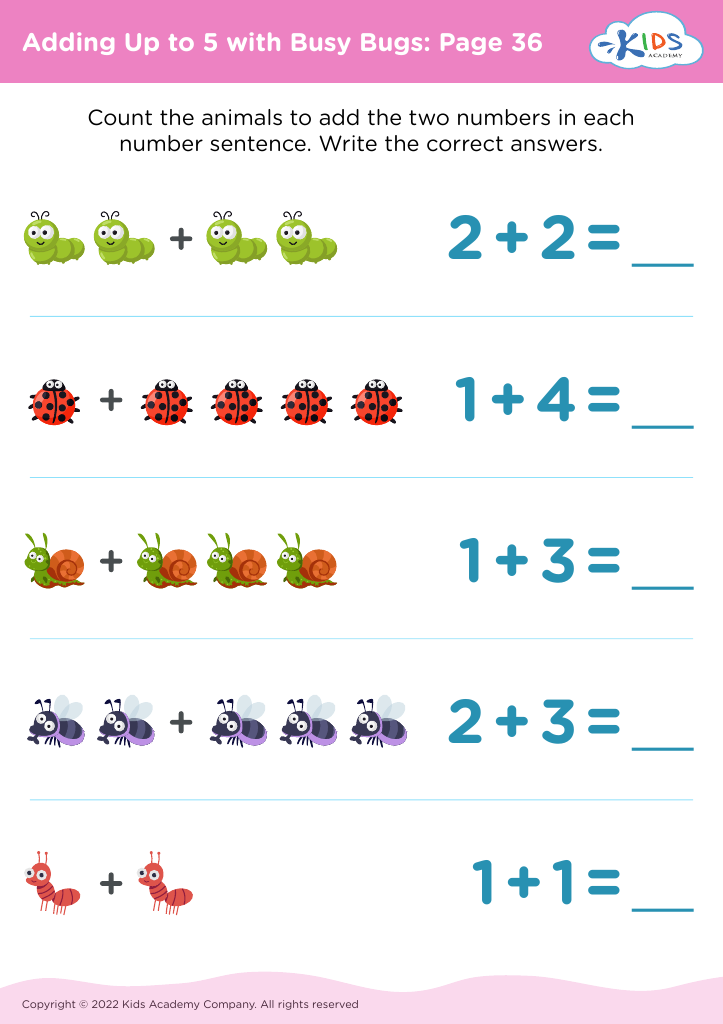
    Adding Up to 5 with Busy Bugs: Page 36
    Adding Up to 5 with Busy Bugs: Page 36
    Adding Up to 5 with Busy Bugs: Page 36
    Worksheet
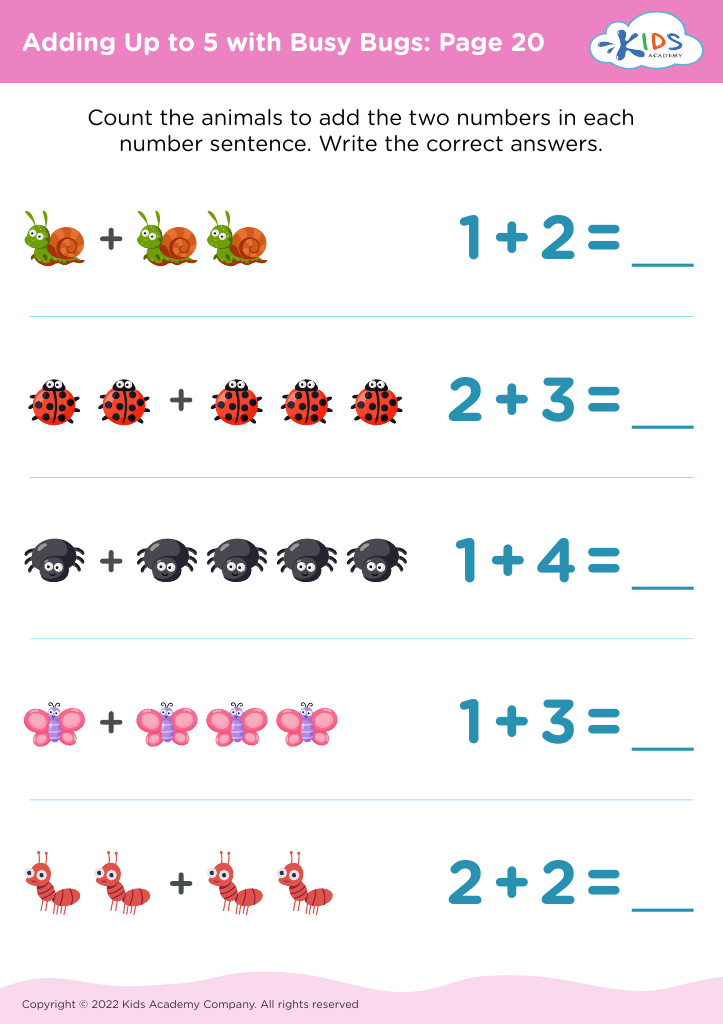
    Adding Up to 5 with Busy Bugs: Page 20
    Adding Up to 5 with Busy Bugs: Page 20
    Adding Up to 5 with Busy Bugs: Page 20
    Worksheet
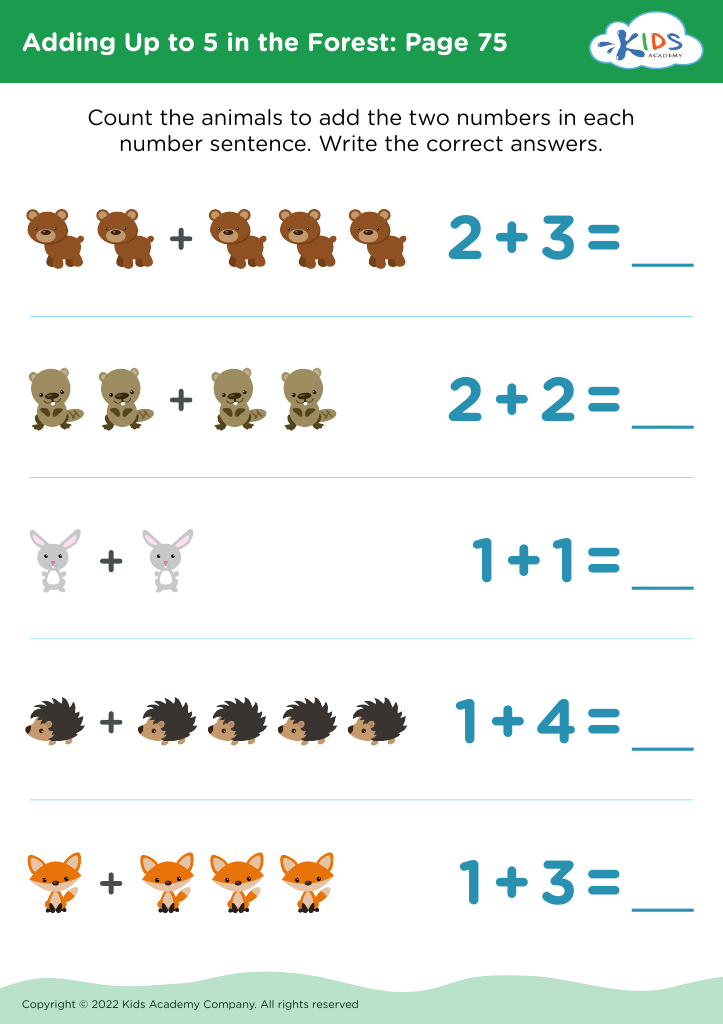
    Adding Up to 5 in the Forest: Page 75
    Adding Up to 5 in the Forest: Page 75
    Adding Up to 5 in the Forest: Page 75
    Worksheet
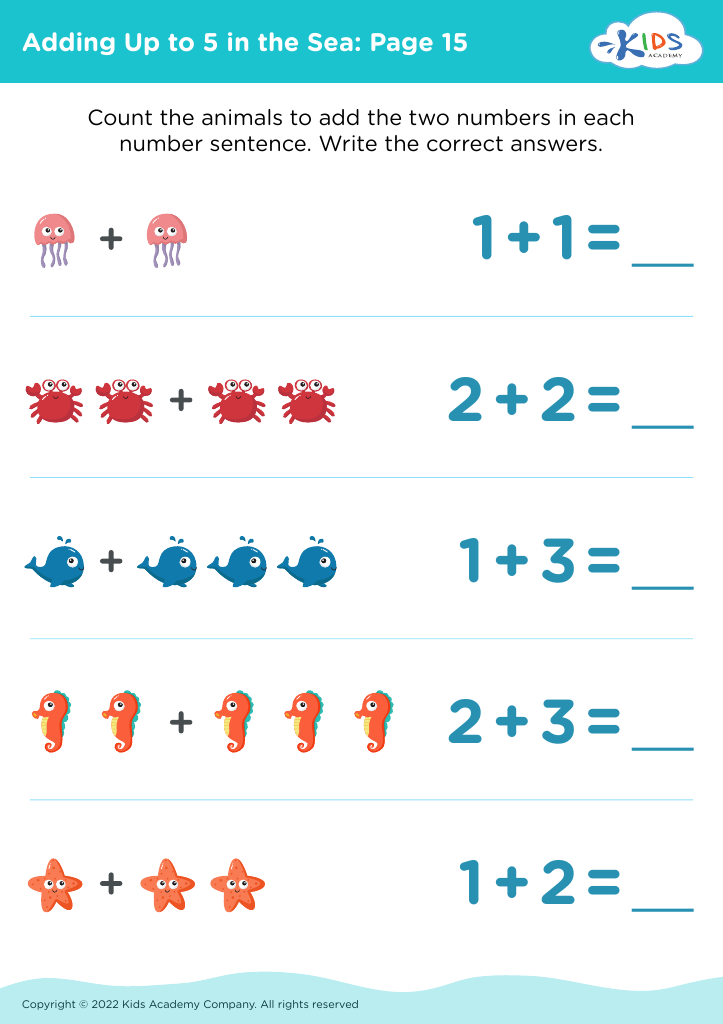
    Adding Up to 5 in the Sea: Page 15
    Adding Up to 5 in the Sea: Page 15
    Adding Up to 5 in the Sea: Page 15
    Worksheet
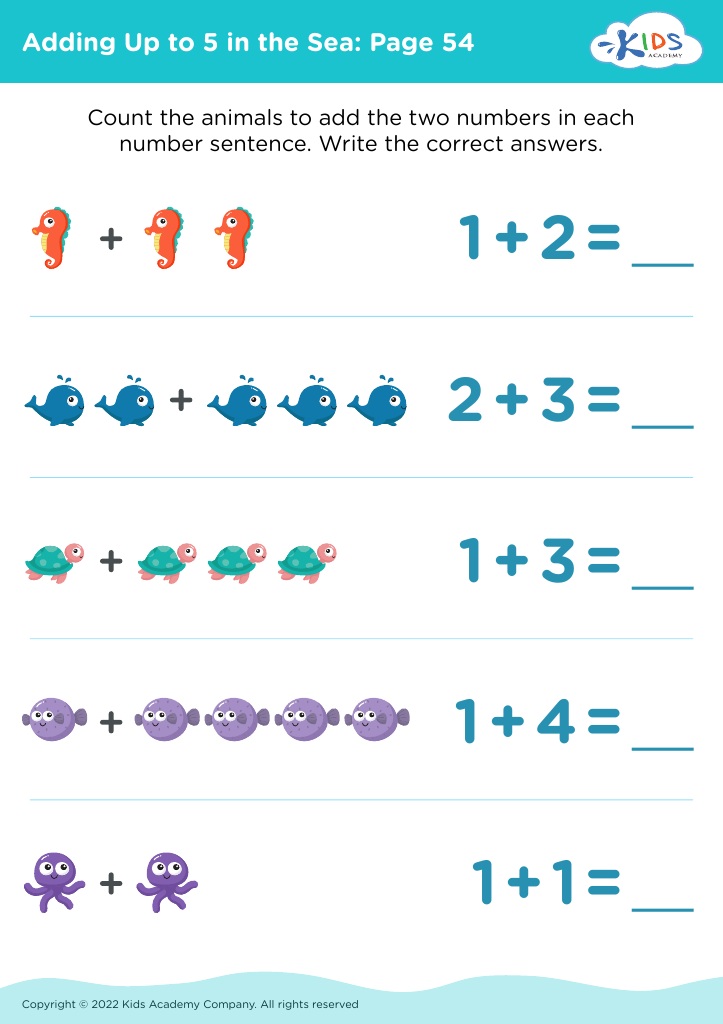
    Adding Up to 5 in the Sea: Page 54
    Adding Up to 5 in the Sea: Page 54
    Adding Up to 5 in the Sea: Page 54
    Worksheet
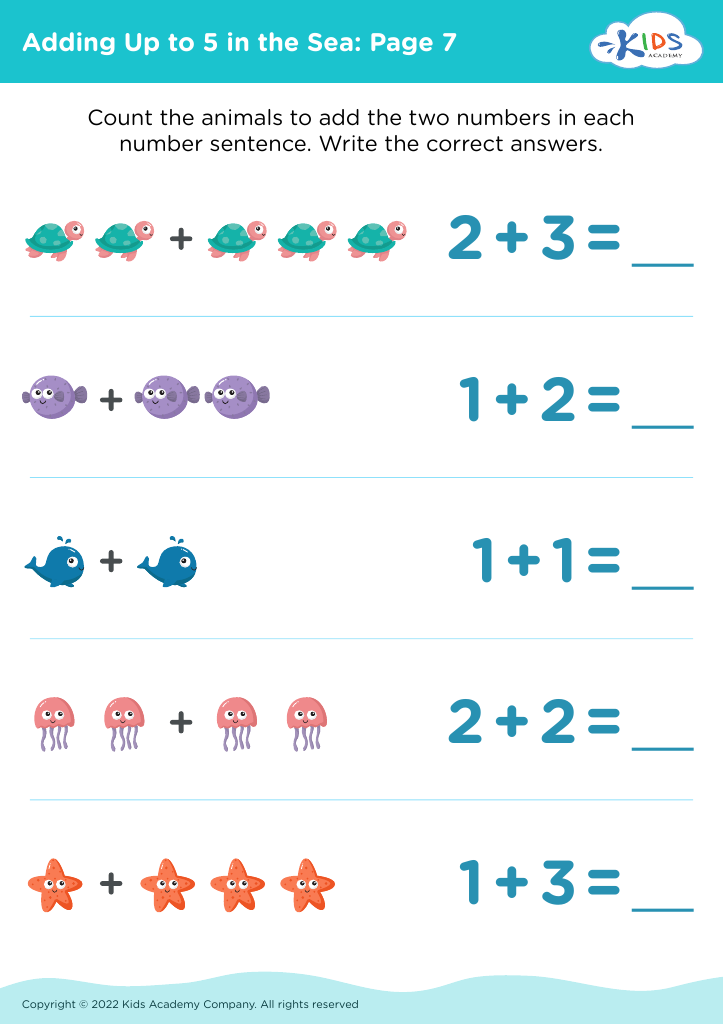
    Adding Up to 5 in the Sea: Page 7
    Adding Up to 5 in the Sea: Page 7

    Adding Up to 5 in the Sea: Page 7

    Adding Up to 5 in the Sea: Page 7
    Worksheet
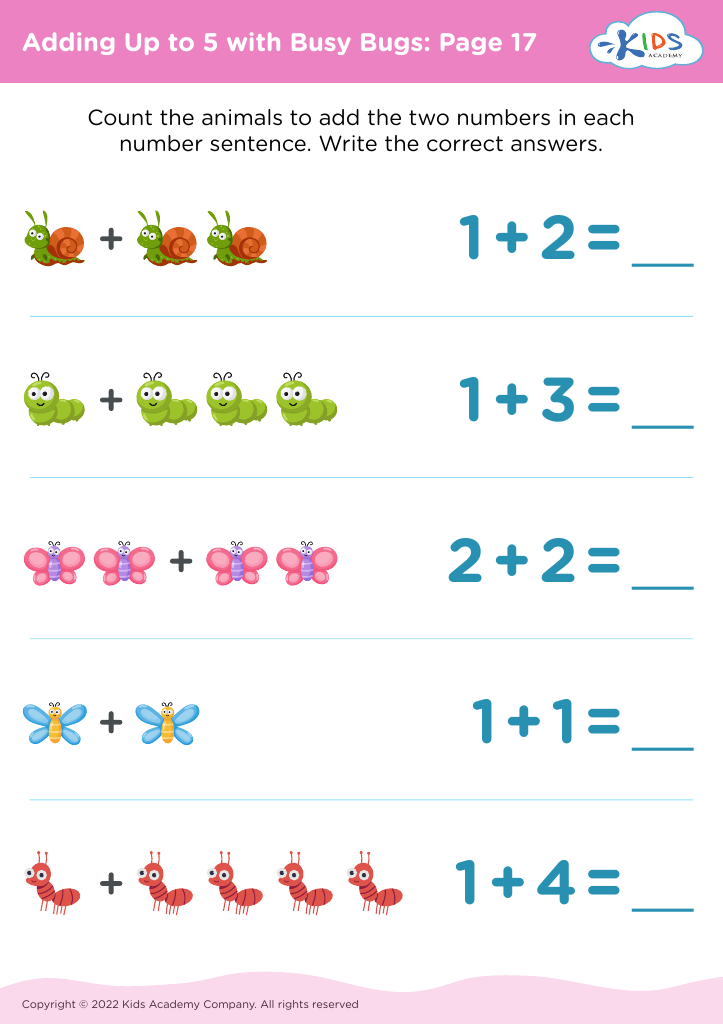
    Adding Up to 5 with Busy Bugs: Page 17
    Adding Up to 5 with Busy Bugs: Page 17
    Adding Up to 5 with Busy Bugs: Page 17
    Worksheet
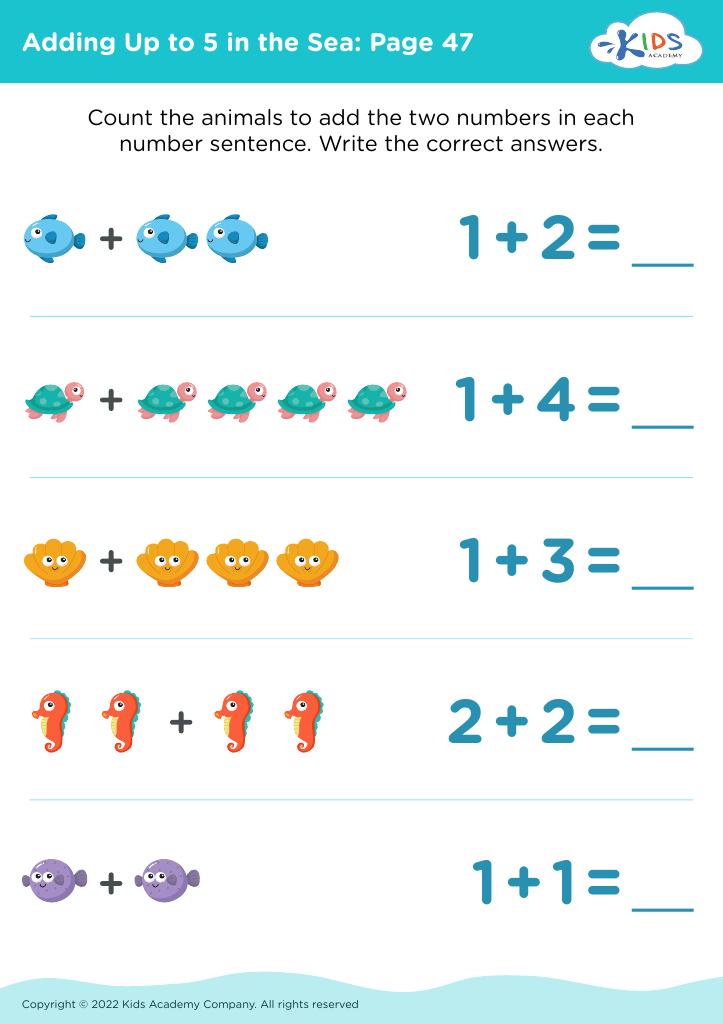
    Adding Up to 5 in the Sea: Page 47
    Adding Up to 5 in the Sea: Page 47
    Adding Up to 5 in the Sea: Page 47
    Worksheet
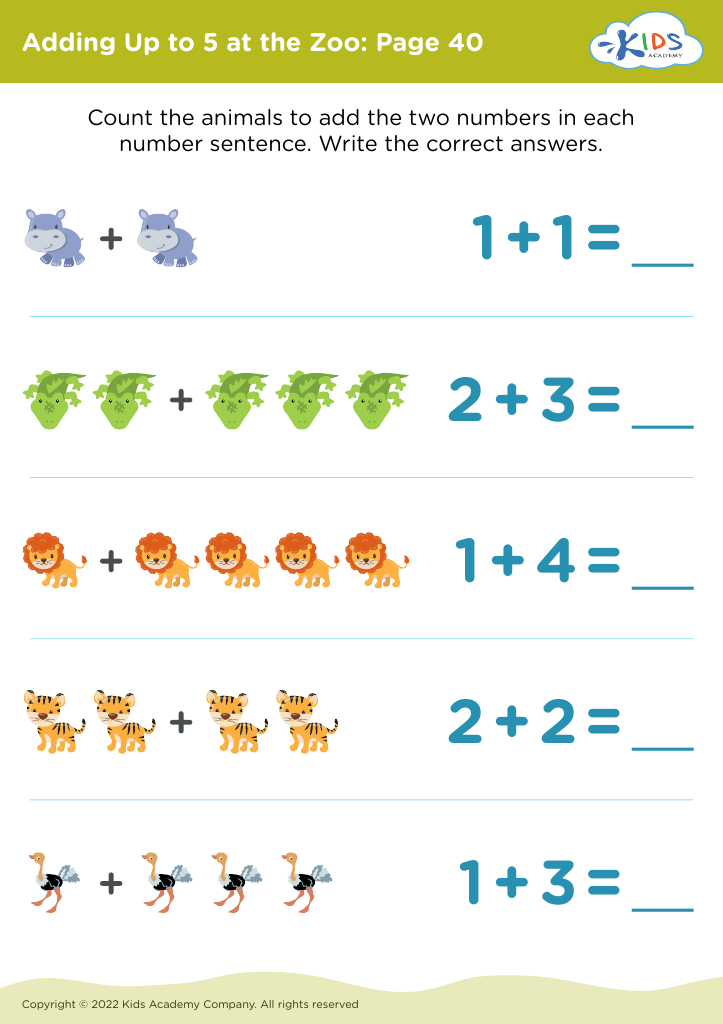
    Adding Up to 5 at the Zoo: Page 40
    Adding Up to 5 at the Zoo: Page 40
    Adding Up to 5 at the Zoo: Page 40
    Worksheet
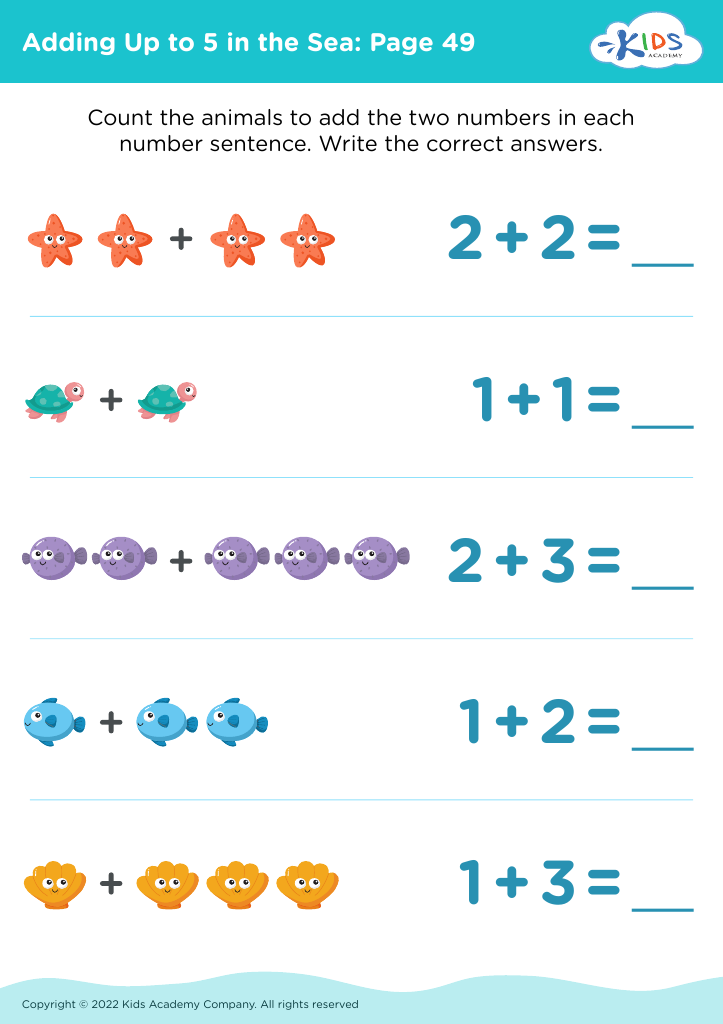
    Adding Up to 5 in the Sea: Page 49
    Adding Up to 5 in the Sea: Page 49
    Adding Up to 5 in the Sea: Page 49
    Worksheet
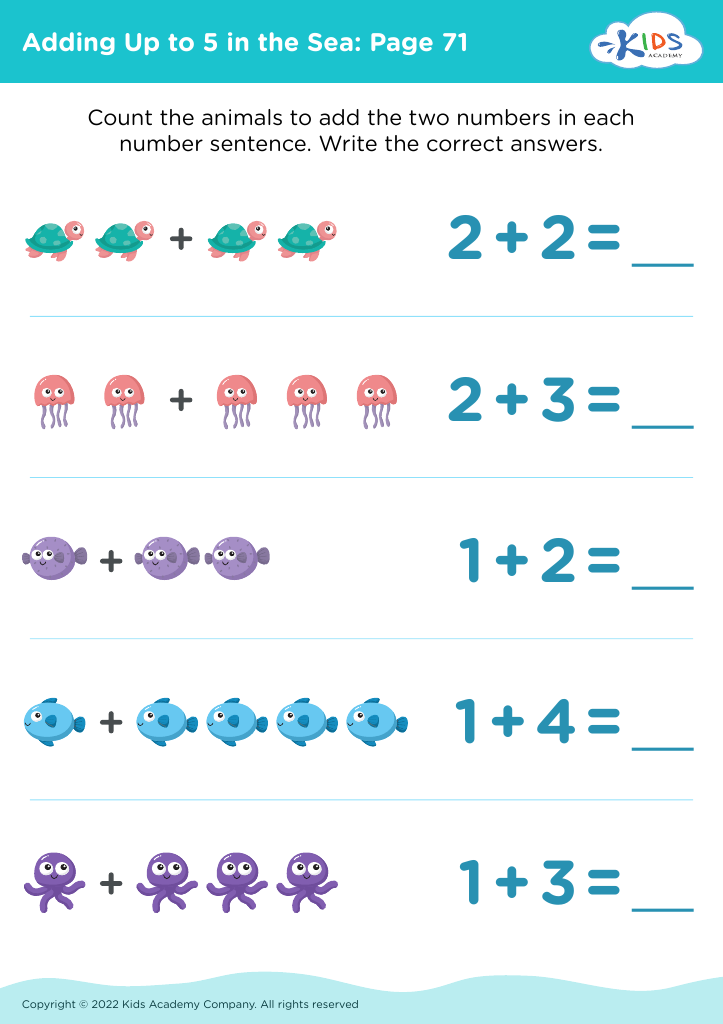
    Adding Up to 5 in the Sea: Page 71
    Adding Up to 5 in the Sea: Page 71
    Adding Up to 5 in the Sea: Page 71
    Worksheet
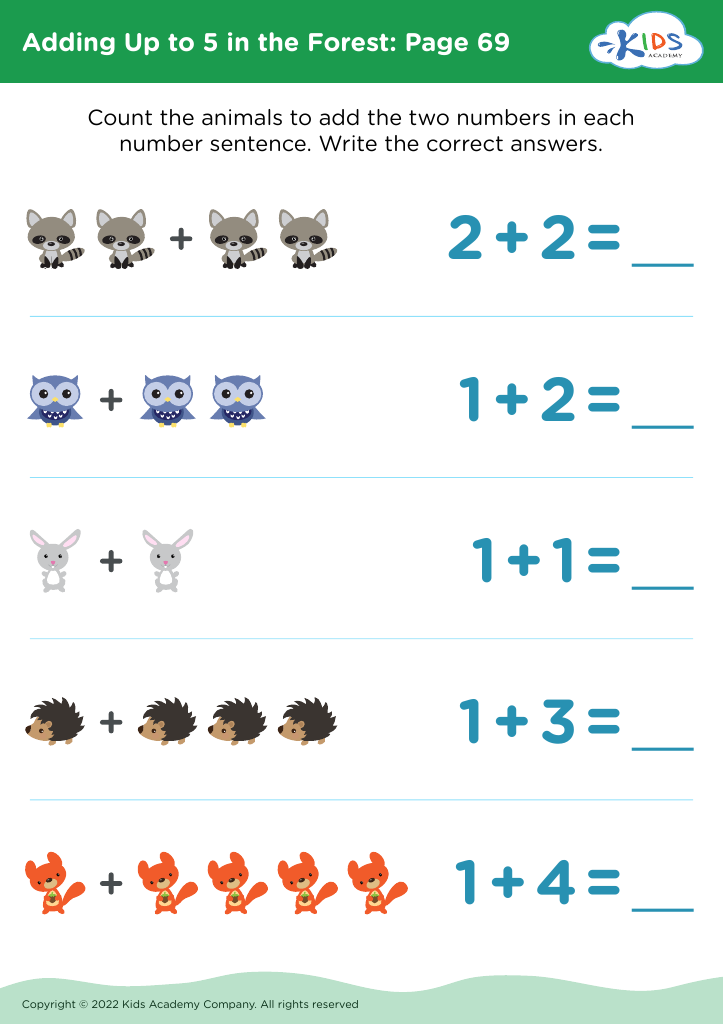
    Adding Up to 5 in the Forest: Page 69
    Adding Up to 5 in the Forest: Page 69
    Adding Up to 5 in the Forest: Page 69
    Worksheet
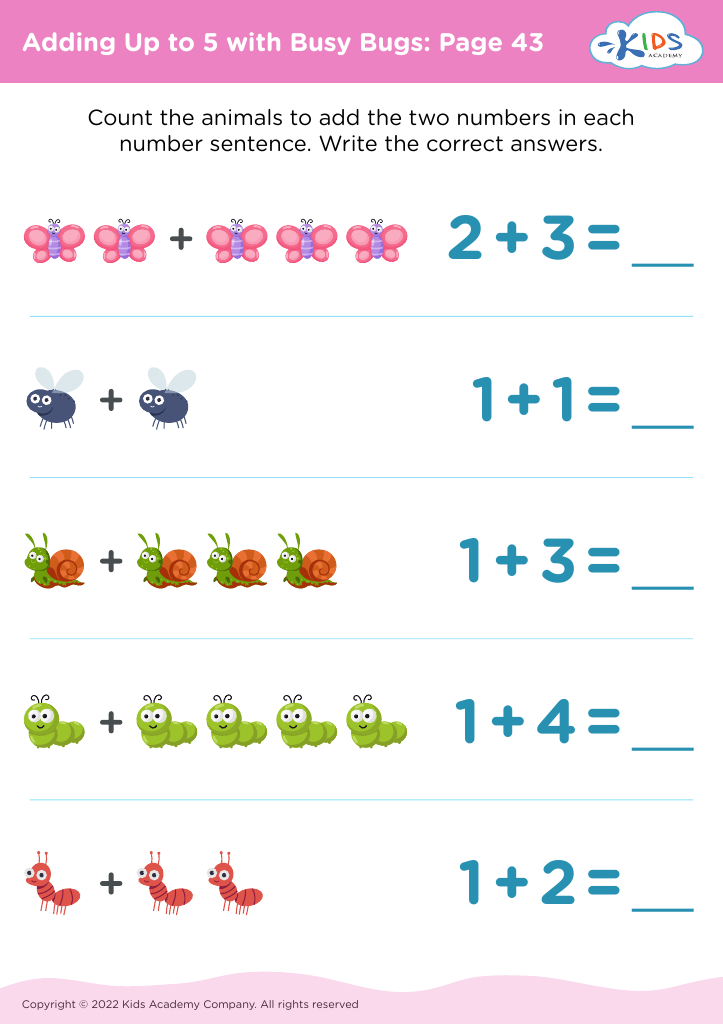
    Adding Up to 5 with Busy Bugs: Page 43
    Adding Up to 5 with Busy Bugs: Page 43
    Adding Up to 5 with Busy Bugs: Page 43
    Worksheet
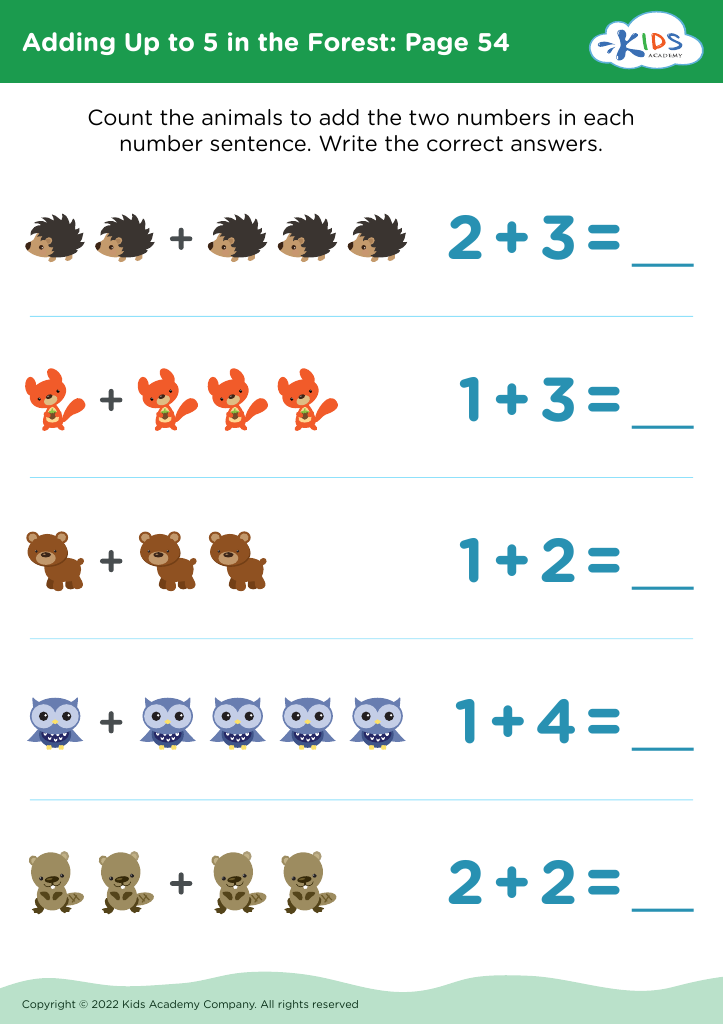
    Adding Up to 5 in the Forest: Page 54
    Adding Up to 5 in the Forest: Page 54
    Adding Up to 5 in the Forest: Page 54
    Worksheet
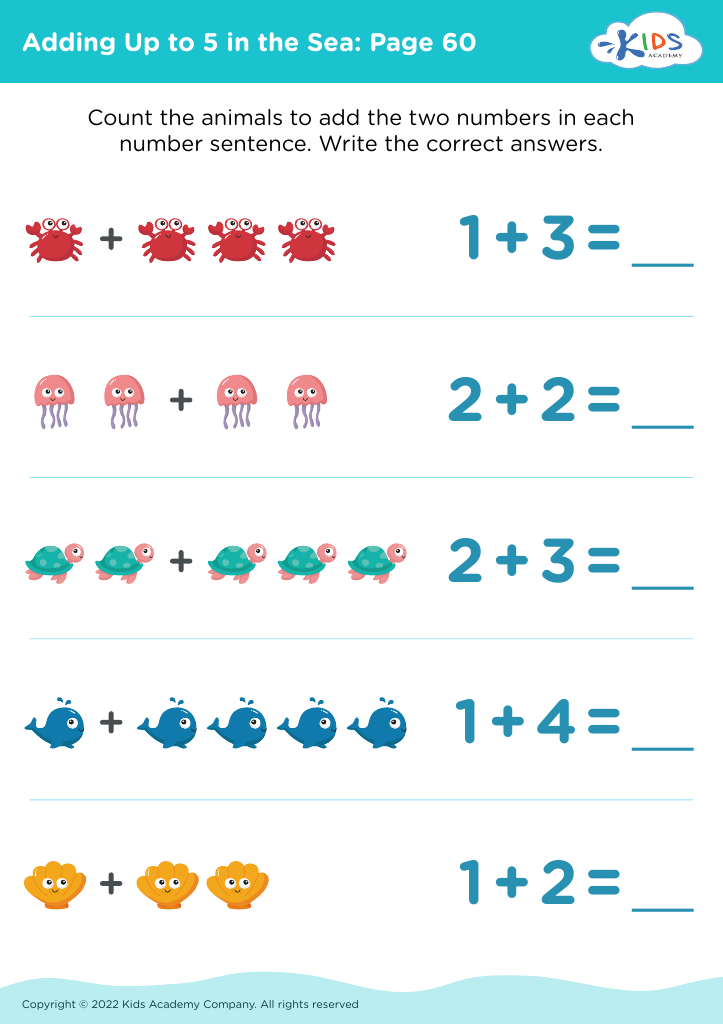
    Adding Up to 5 in the Sea: Page 60
    Adding Up to 5 in the Sea: Page 60
    Adding Up to 5 in the Sea: Page 60
    Worksheet
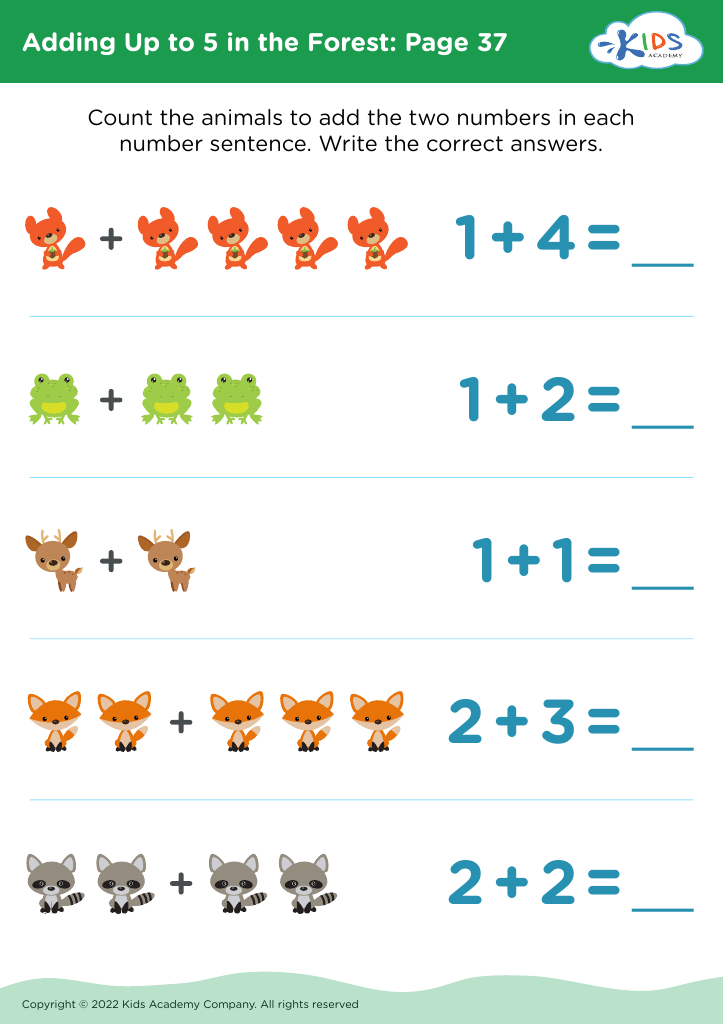
    Adding Up to 5 in the Forest: Page 37
    Adding Up to 5 in the Forest: Page 37
    Adding Up to 5 in the Forest: Page 37
    Worksheet
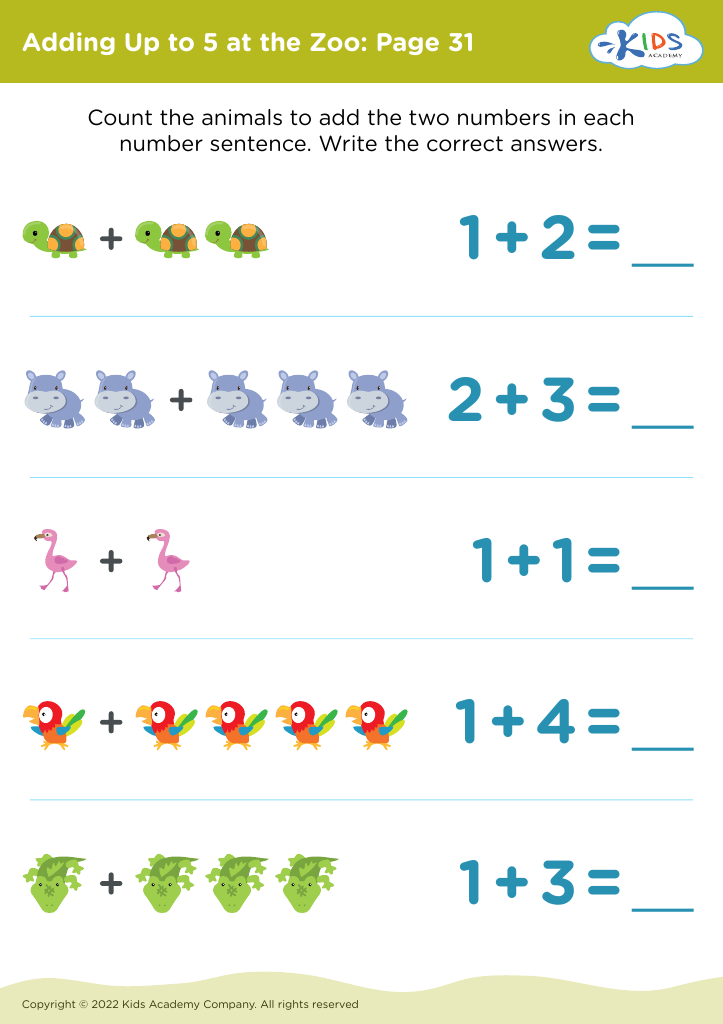
    Adding Up to 5 at the Zoo: Page 31
    Adding Up to 5 at the Zoo: Page 31
    Adding Up to 5 at the Zoo: Page 31
    Worksheet
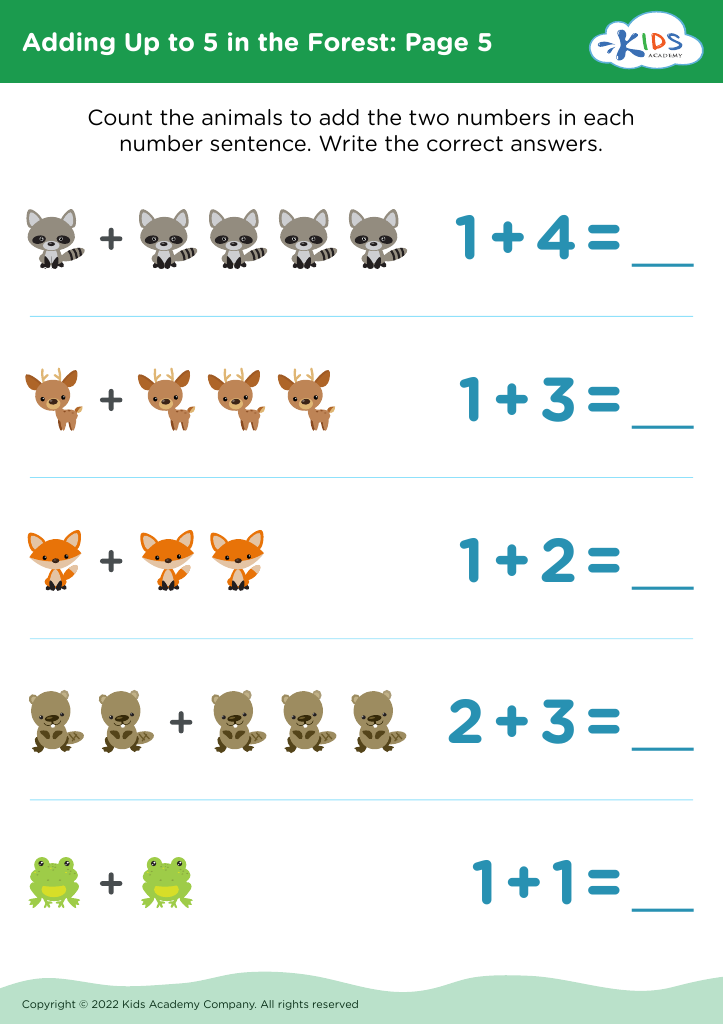
    Adding Up to 5 in the Forest: Page 5
    Adding Up to 5 in the Forest: Page 5
    Adding Up to 5 in the Forest: Page 5
    Worksheet
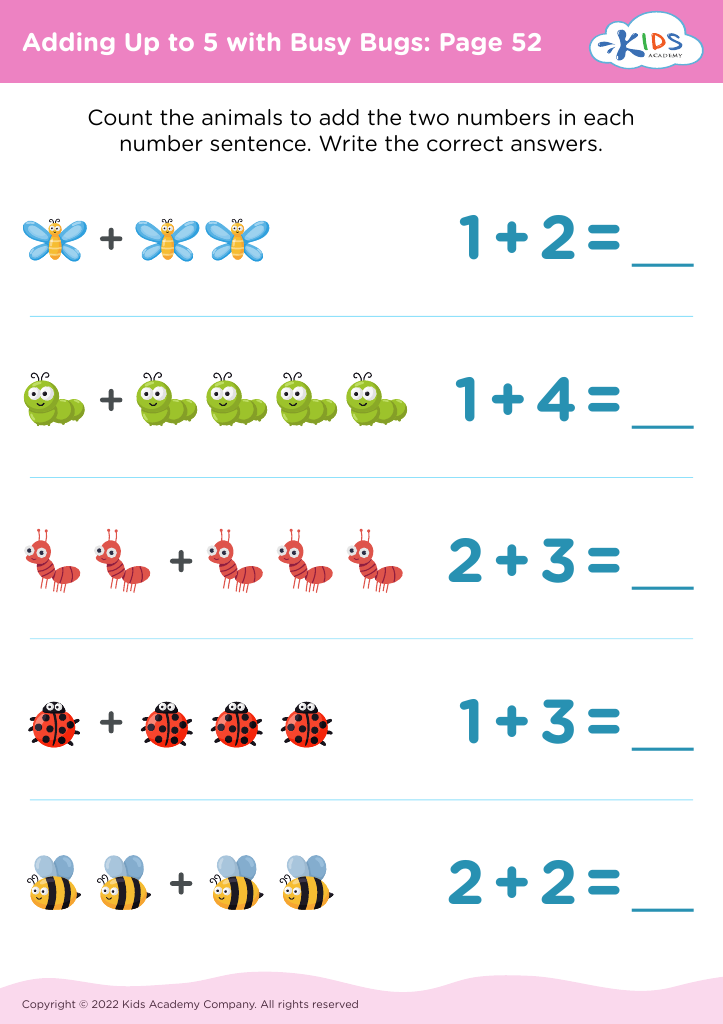
    Adding Up to 5 with Busy Bugs: Page 52
    Adding Up to 5 with Busy Bugs: Page 52
    Adding Up to 5 with Busy Bugs: Page 52
    Worksheet
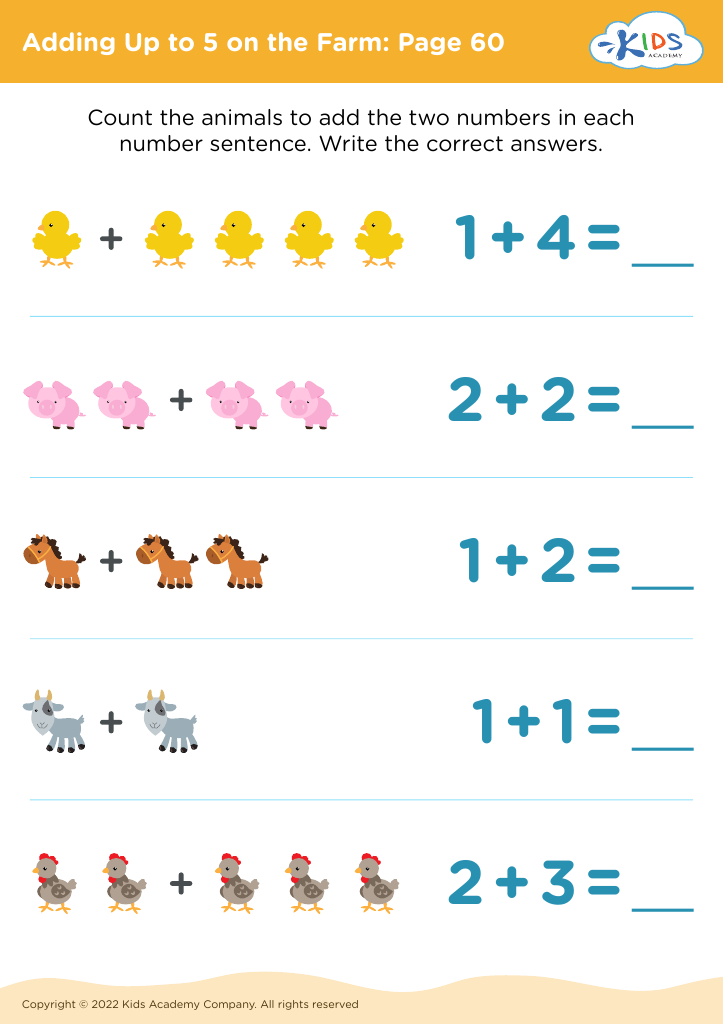
    Adding Up to 5 on the Farm: Page 60
    Adding Up to 5 on the Farm: Page 60
    Adding Up to 5 on the Farm: Page 60
    Worksheet
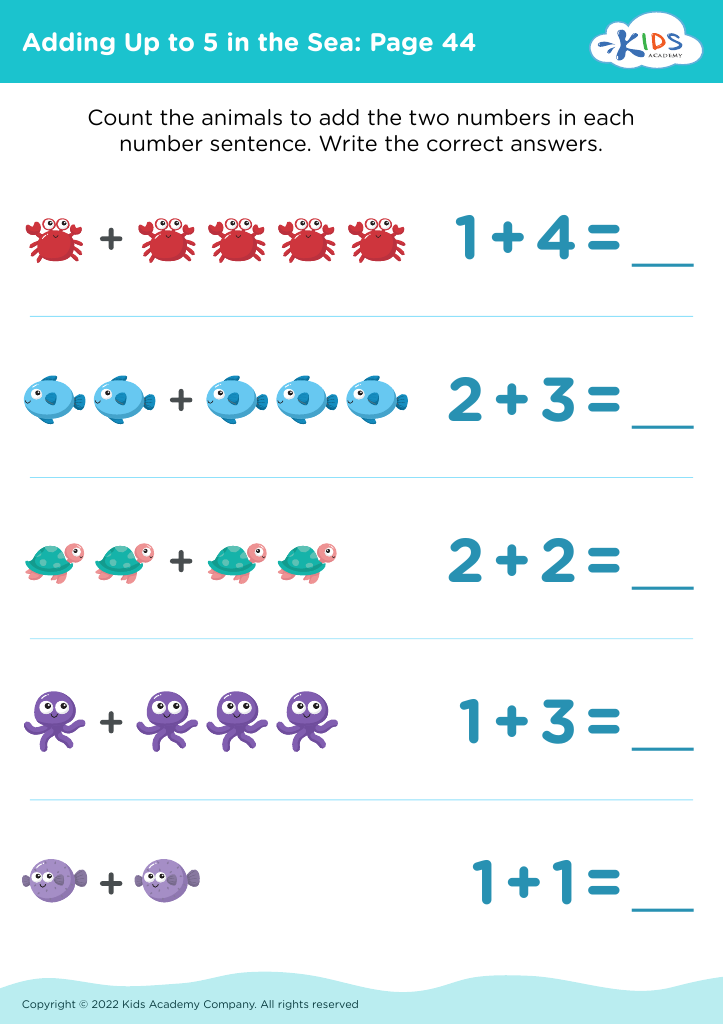
    Adding Up to 5 in the Sea: Page 44
    Adding Up to 5 in the Sea: Page 44
    Adding Up to 5 in the Sea: Page 44
    Worksheet


    ... 3 4

    Cognitive development is crucial for children aged 4-9, especially when it comes to foundational math skills like adding up to 5. During this stage, children's brains are rapidly developing, allowing them to make connections and understand concepts that will serve as the building blocks for more complex math. Fostering strong cognitive skills in early education can lead to heightened problem-solving abilities, critical thinking skills, and greater overall academic success.

    Adding up to 5 introduces children to the idea of combining quantities, which not only helps with basic mathematics but also enhances their understanding of everyday situations, such as sharing and measuring. This skill is not simply about numbers; it influences cognitive flexibility, enabling children to see relationships and patterns.

    Moreover, when parents and teachers actively engage in activities that promote adding skills, such as using manipulatives or gamified learning, they create a rich learning environment. This participation strengthens the parent-child or teacher-student bond and encourages a positive attitude toward math. Misunderstandings in foundational skills can lead to difficulties in later grades, highlighting the importance of early intervention for building self-confidence and a love for learning. Therefore, prioritizing cognitive development in early learners is essential for their holistic growth.