




%20(1).jpg)



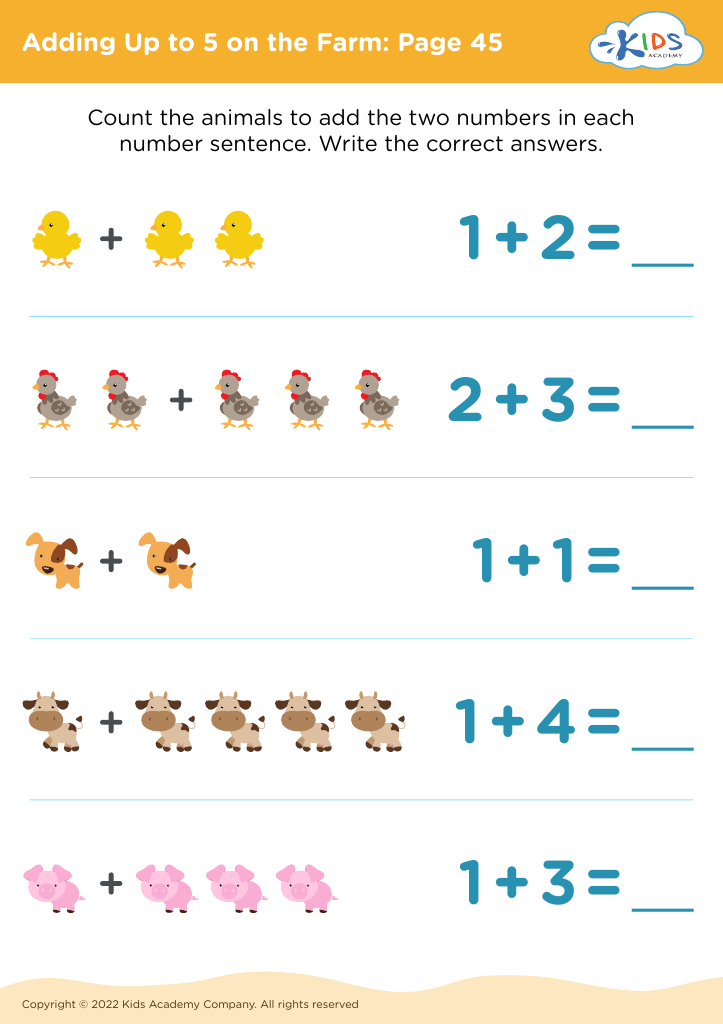
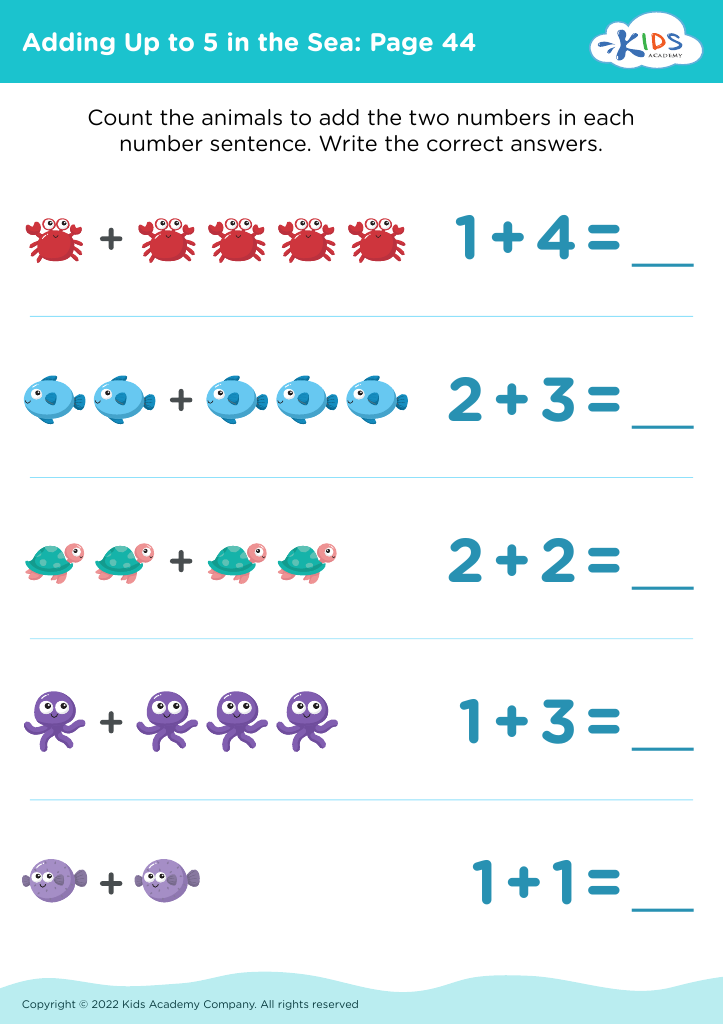
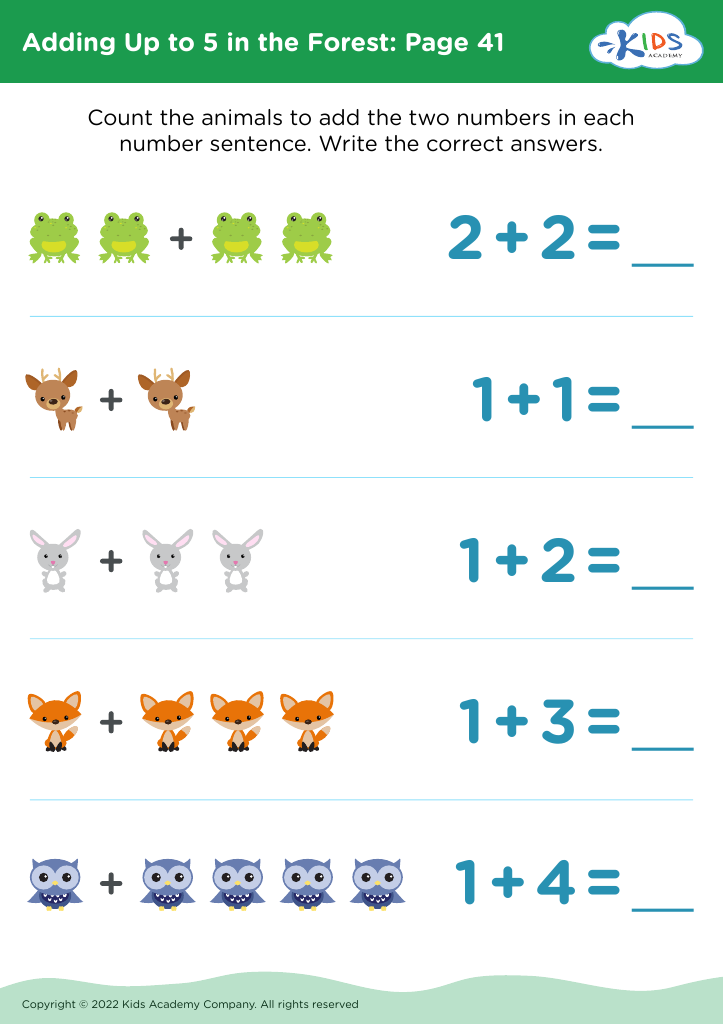
Fine motor skills are essential for the development of young children, particularly for those aged 4-9. These skills involve the small muscles in the hands and fingers, which are crucial for various everyday tasks and cognitive processes. As children learn to manipulate objects—such as crayons, scissors, and small toys—they strengthen their fine motor skills, which directly contribute to their ability to write, count, and perform basic math operations, including addition, which typically includes adding numbers up to 5.
When children develop these skills, they gain confidence and independence in their abilities. For educators and parents, fostering fine motor skills directly supports academic success, especially in early mathematics, where concepts like grouping and counting form the foundation for future learning. This foundational stage not only enhances basic math skills but also encourages problem-solving and critical-thinking abilities.
Furthermore, promoting fine motor development in the context of adding numbers reinforces hand-eye coordination and mental agility. Integrating activities, like using manipulatives or engaging in crafts, allows children to explore math in a playful yet purposeful manner. Ultimately, understanding the importance of fine motor skills ensures children are well-equipped for both present and future learning experiences.








