Check out this FREE Trial Lesson on Addition & Subtraction for age 4-9!

H

Favorites
With answer key
Interactive
  • 4-9
  • Comparing Fractions
  • Addition & Subtraction
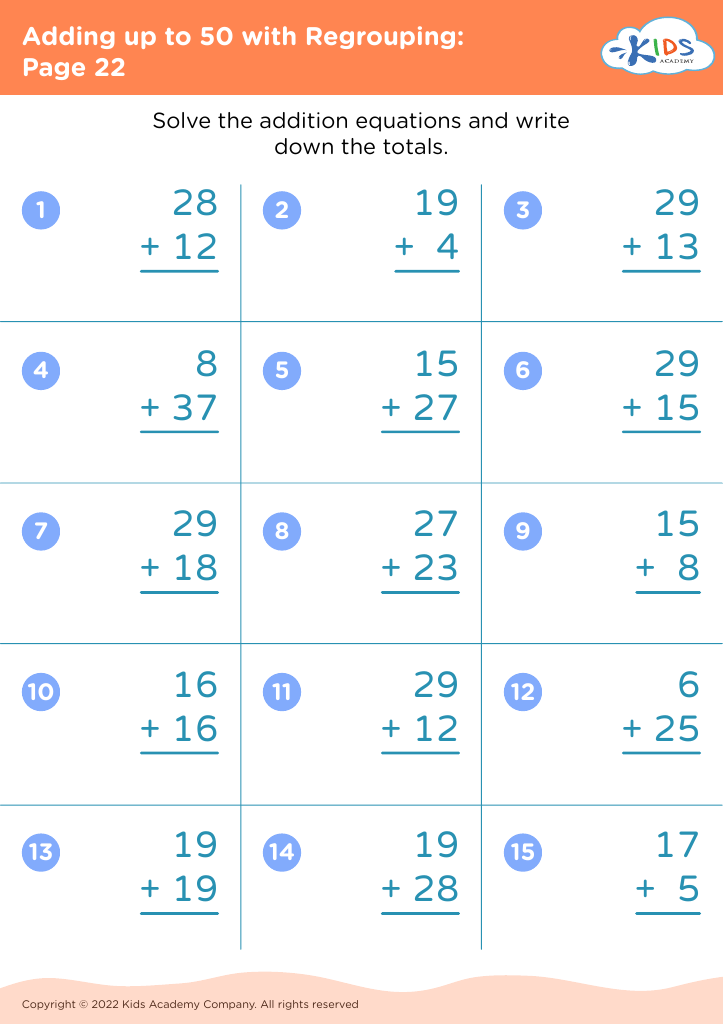
Adding up to 50 with Regrouping: Page 22
Worksheet
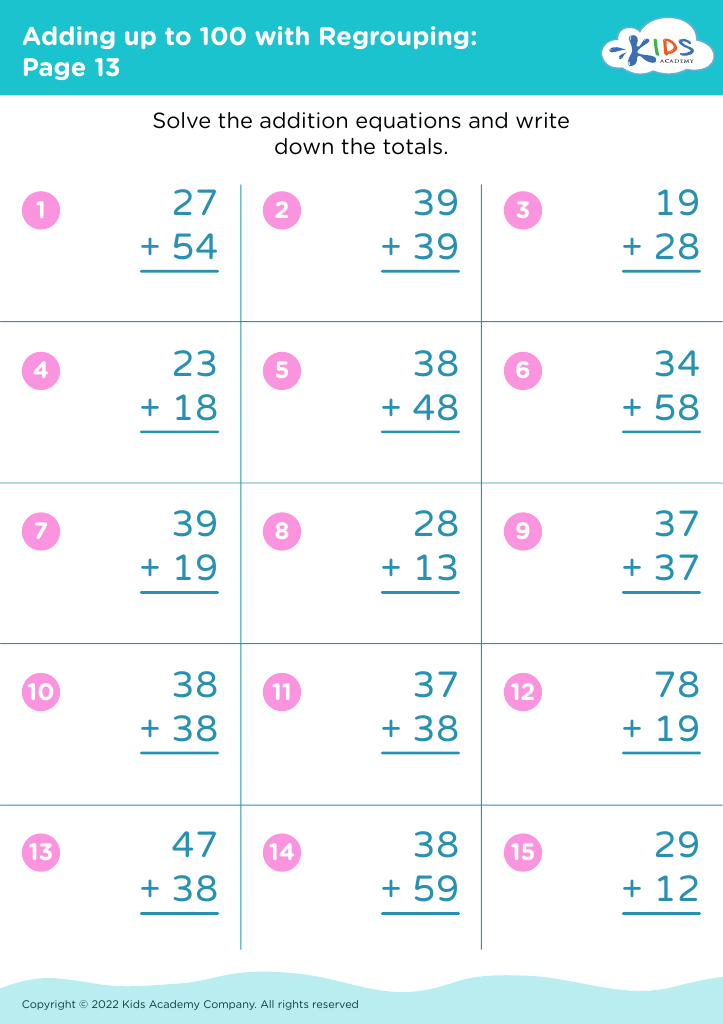
Adding up to 100 with Regrouping: Page 13
Worksheet
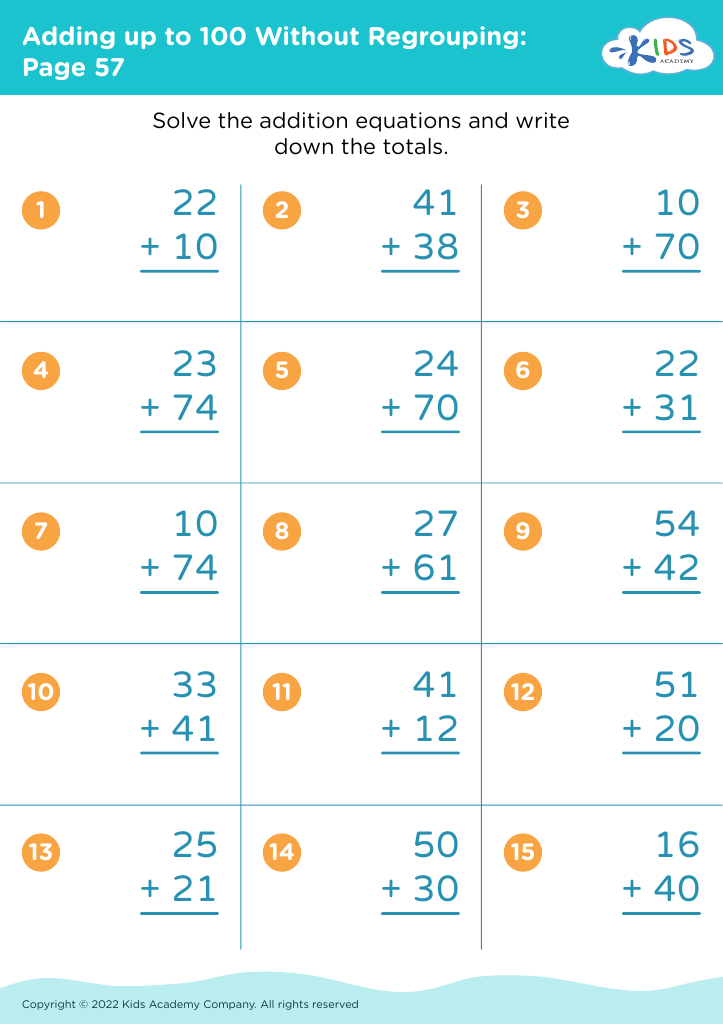
Adding up to 100 Without Regrouping: Page 57
Worksheet
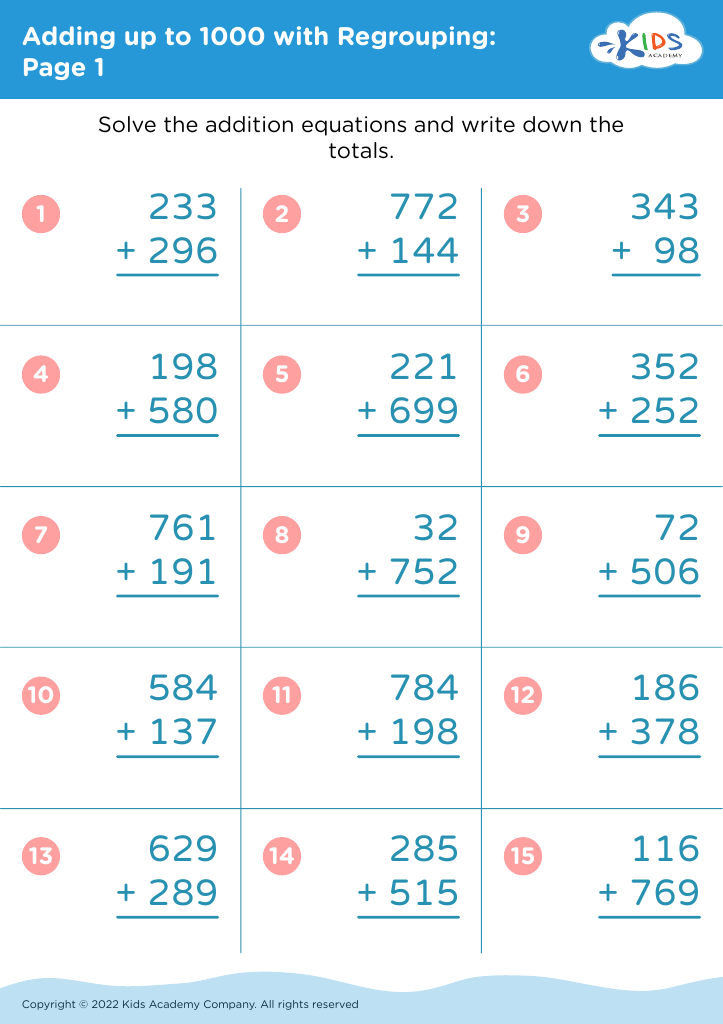
Adding up to 1000 with Regrouping: Page 1
Worksheet
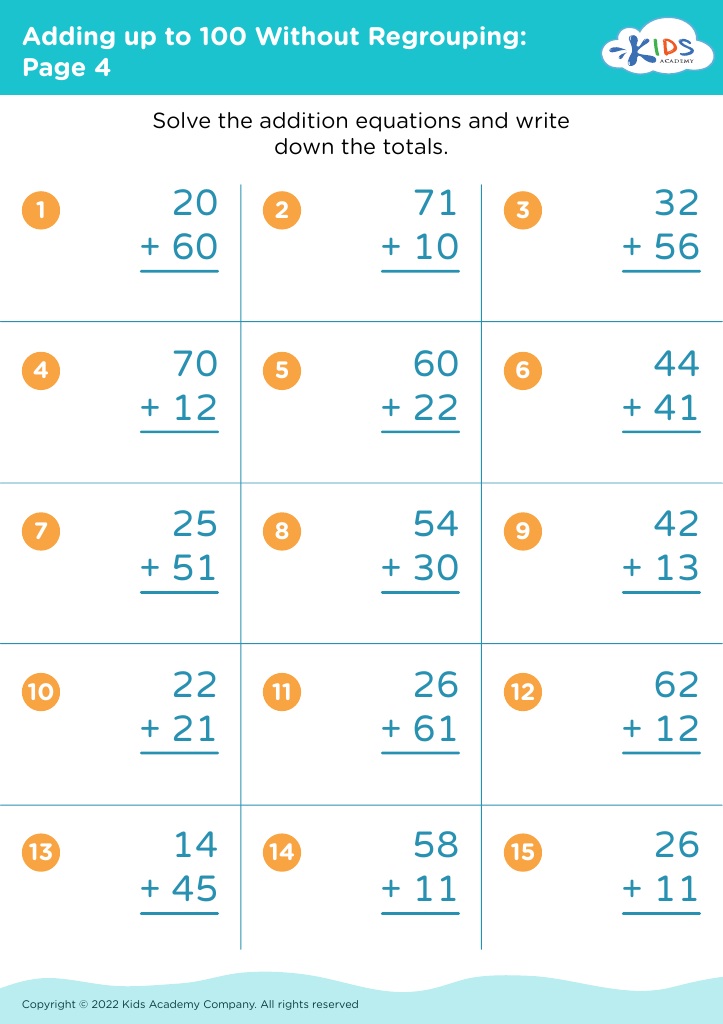
Adding up to 100 Without Regrouping: Page 4
Worksheet
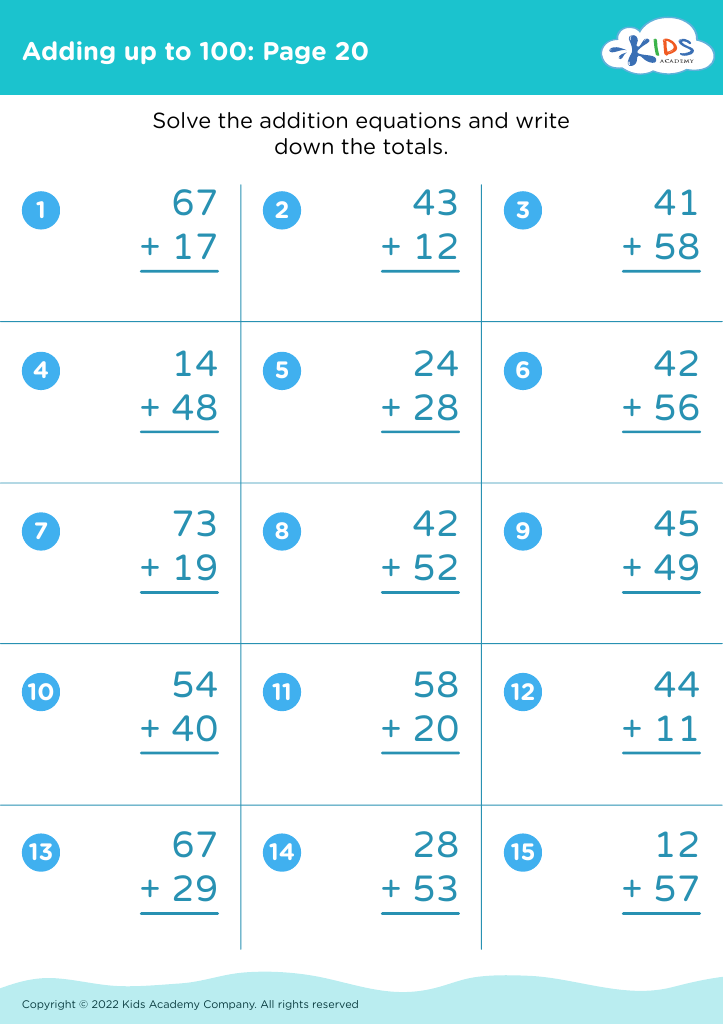
Adding up to 100: Page 20

Adding up to 100: Page 20

Adding up to 100: Page 20
Worksheet
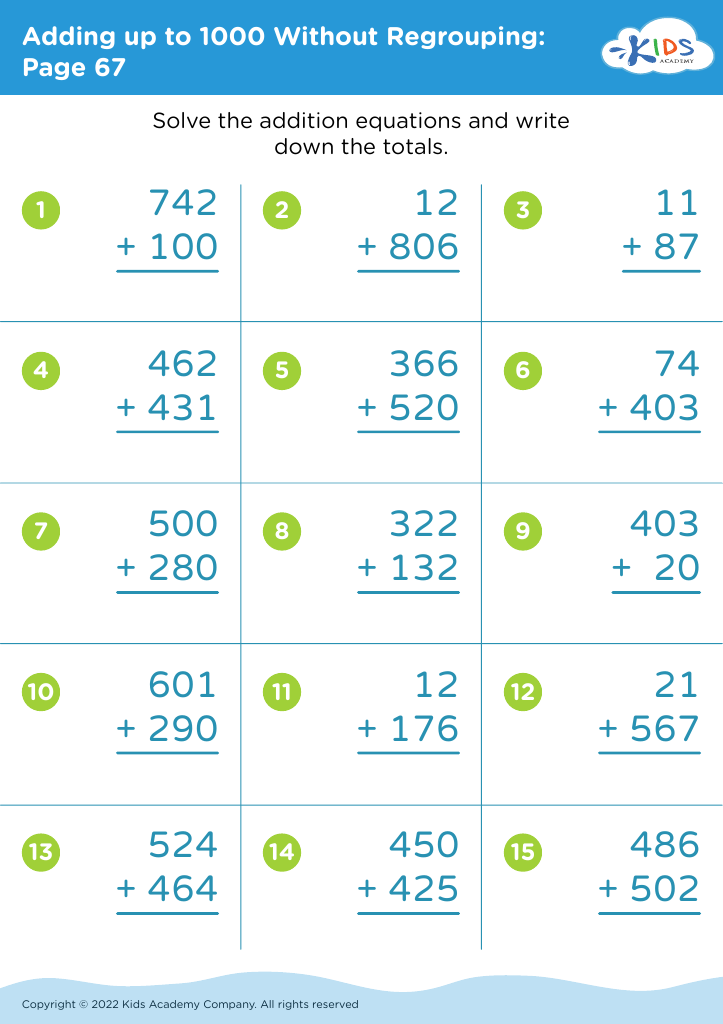
Adding up to 1000 Without Regrouping: Page 67
Worksheet
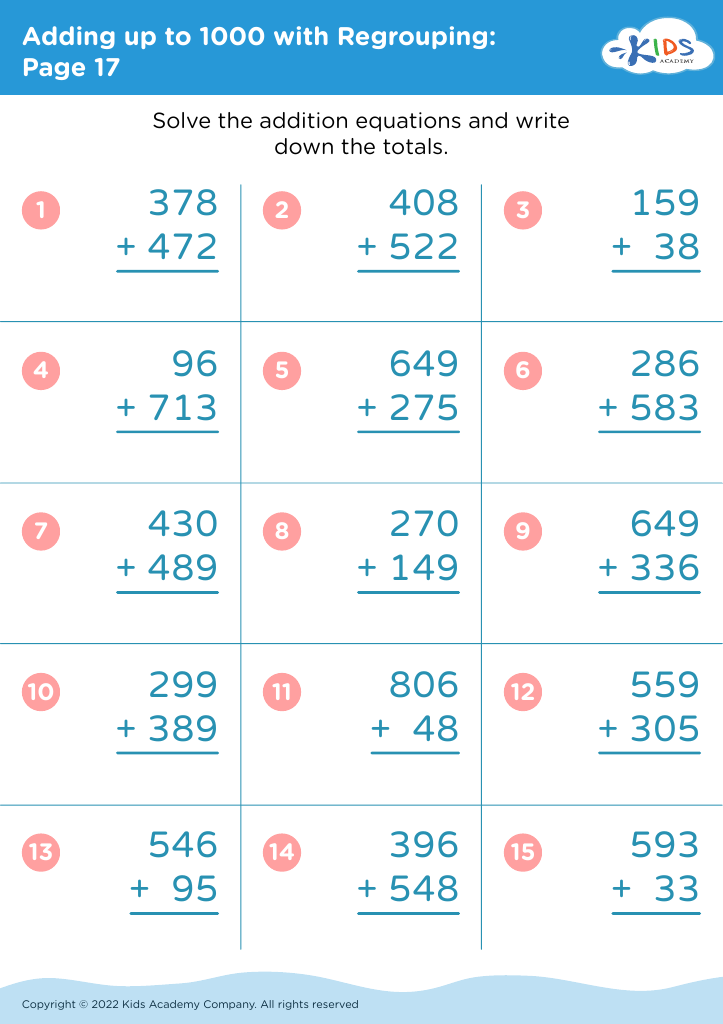
Adding up to 1000 with Regrouping: Page 17
Worksheet
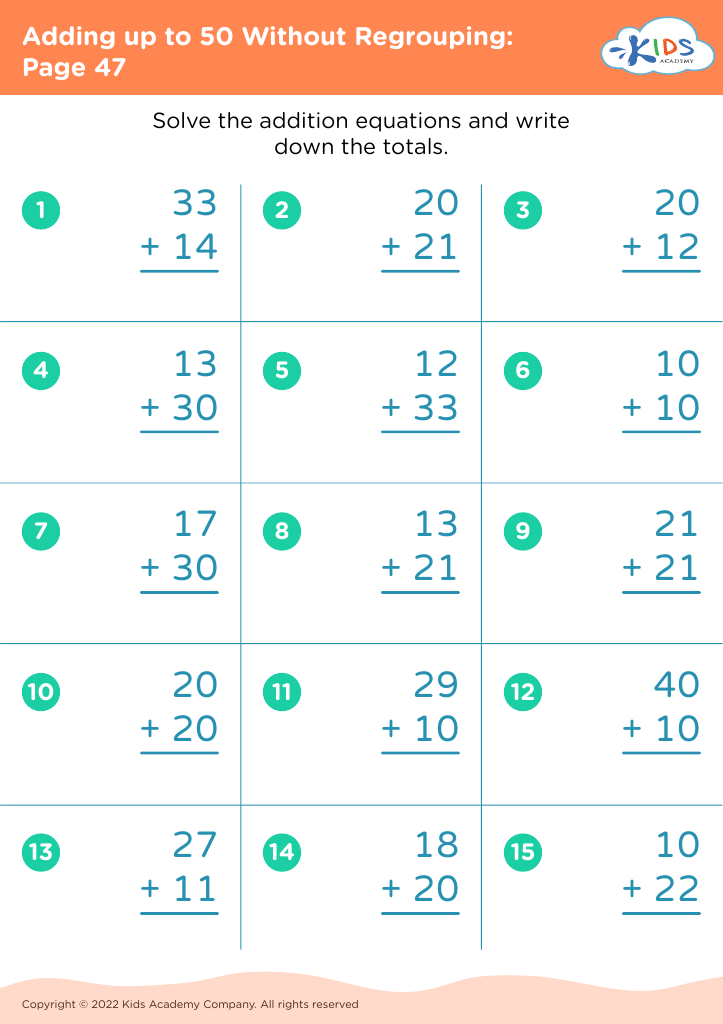
Adding up to 50 Without Regrouping: Page 47
Worksheet
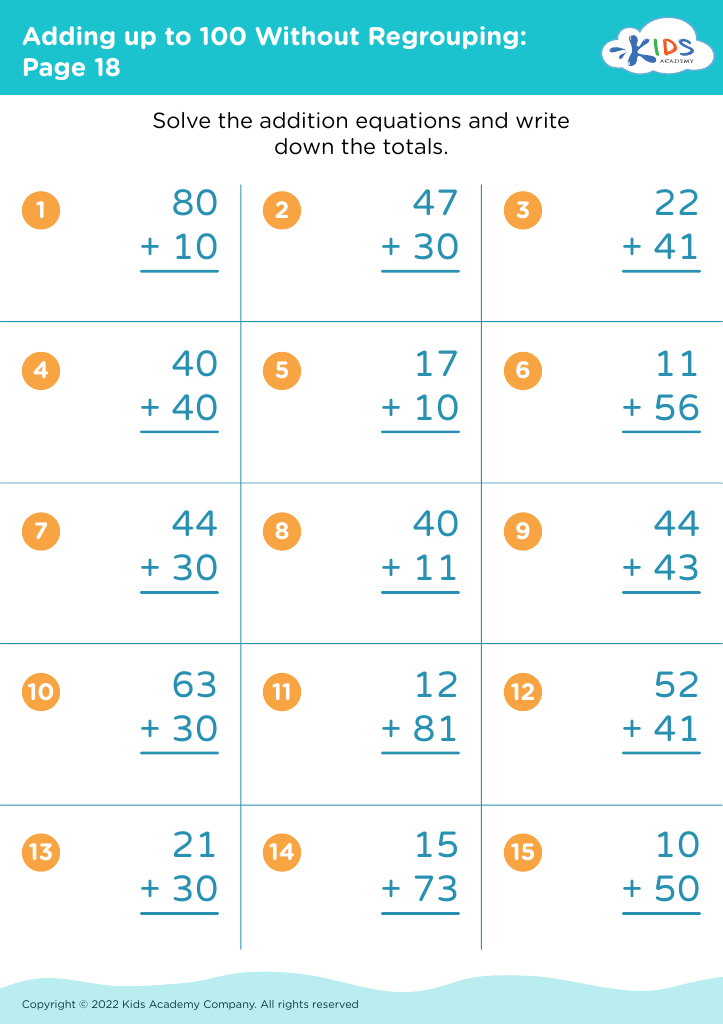
Adding up to 100 Without Regrouping: Page 18
Worksheet
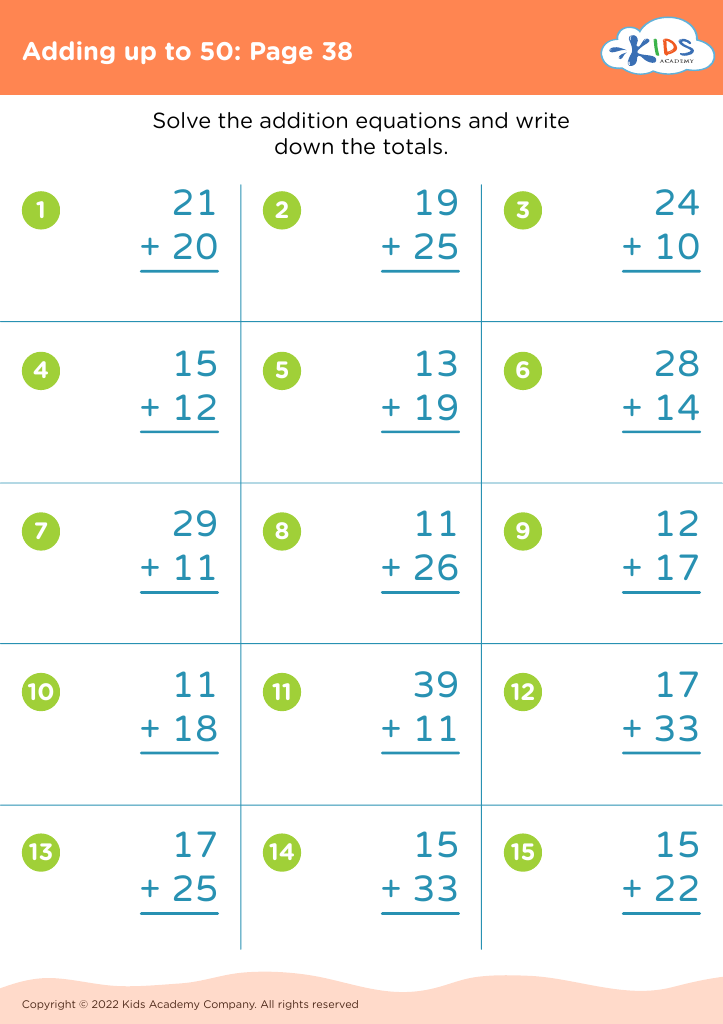
Adding up to 50: Page 38

Adding up to 50: Page 38

Adding up to 50: Page 38
Worksheet
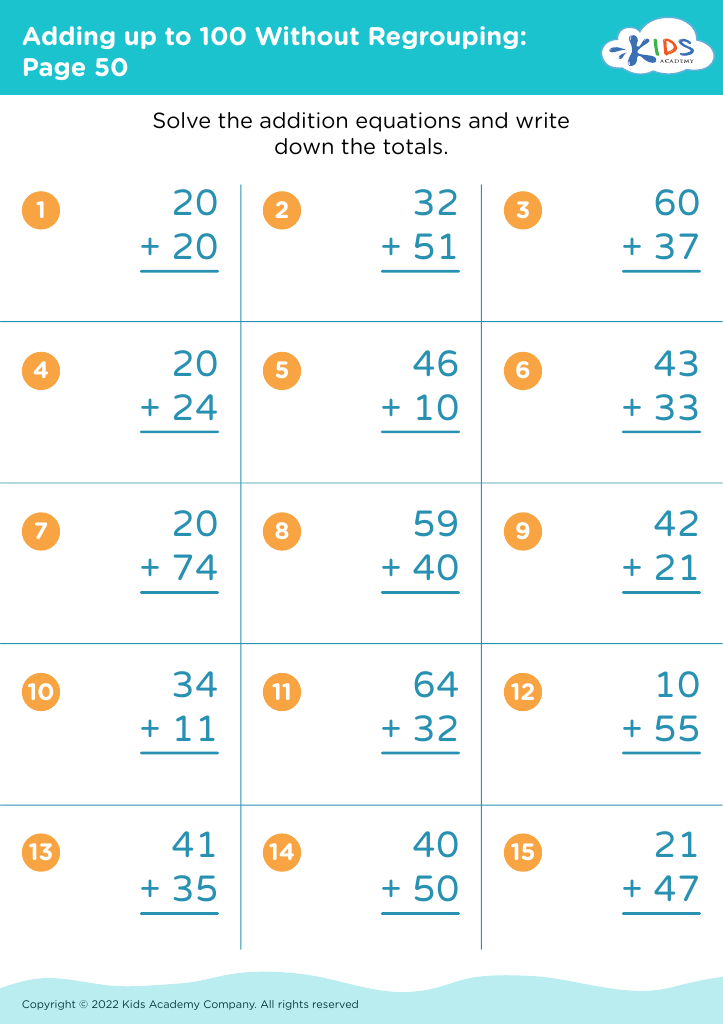
Adding up to 100 Without Regrouping: Page 50
Worksheet
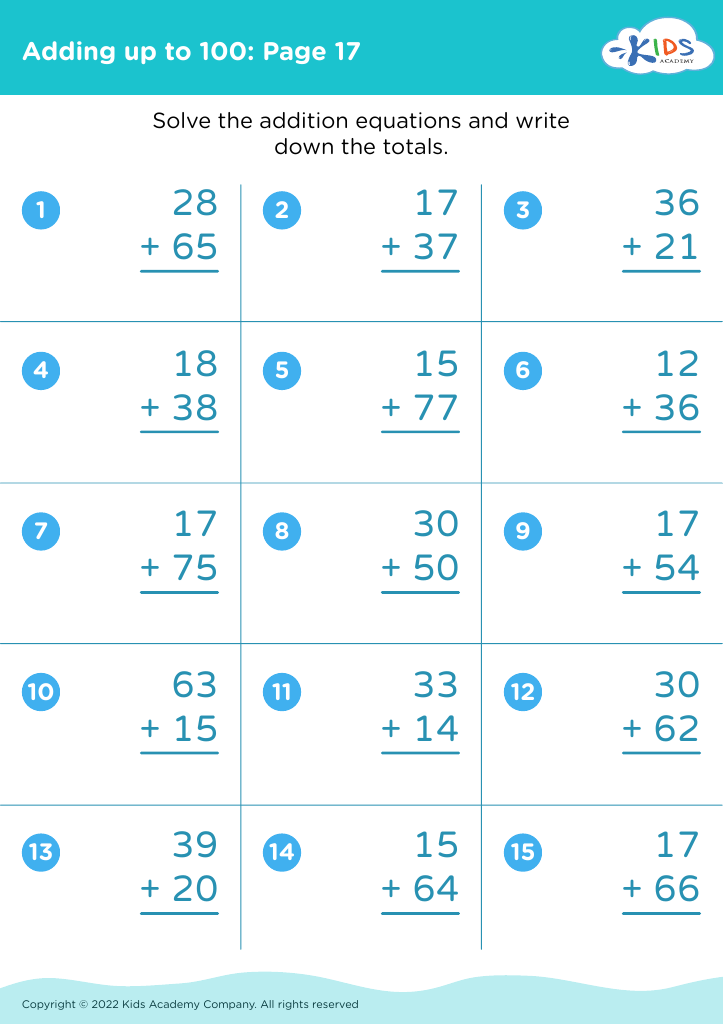
Adding up to 100: Page 17

Adding up to 100: Page 17

Adding up to 100: Page 17
Worksheet
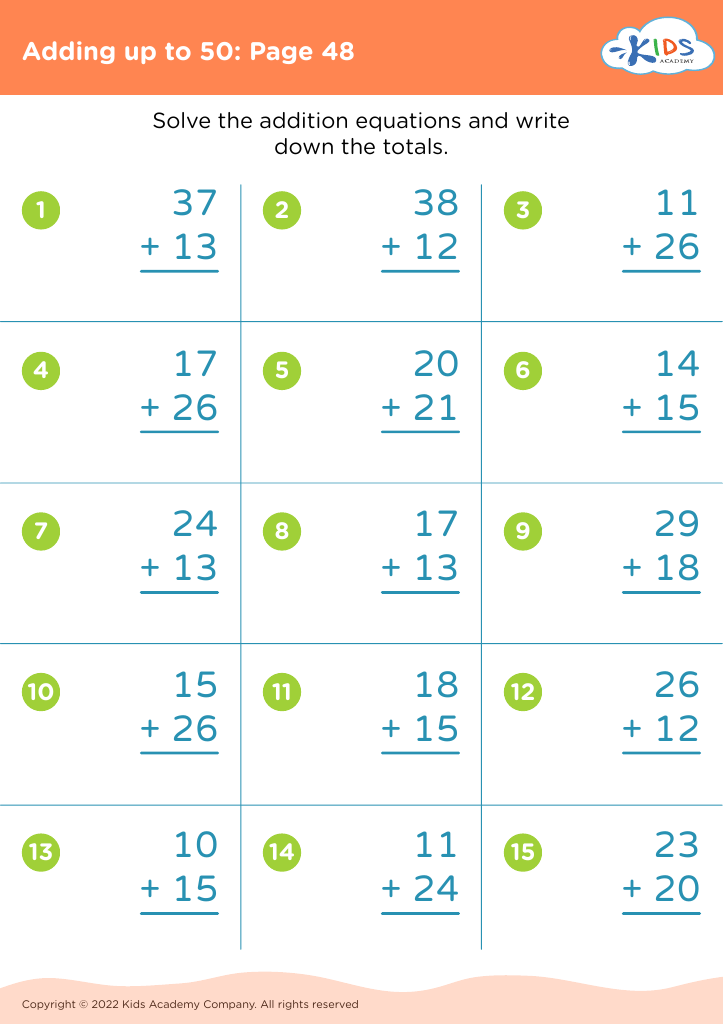
Adding up to 50: Page 48

Adding up to 50: Page 48

Adding up to 50: Page 48
Worksheet
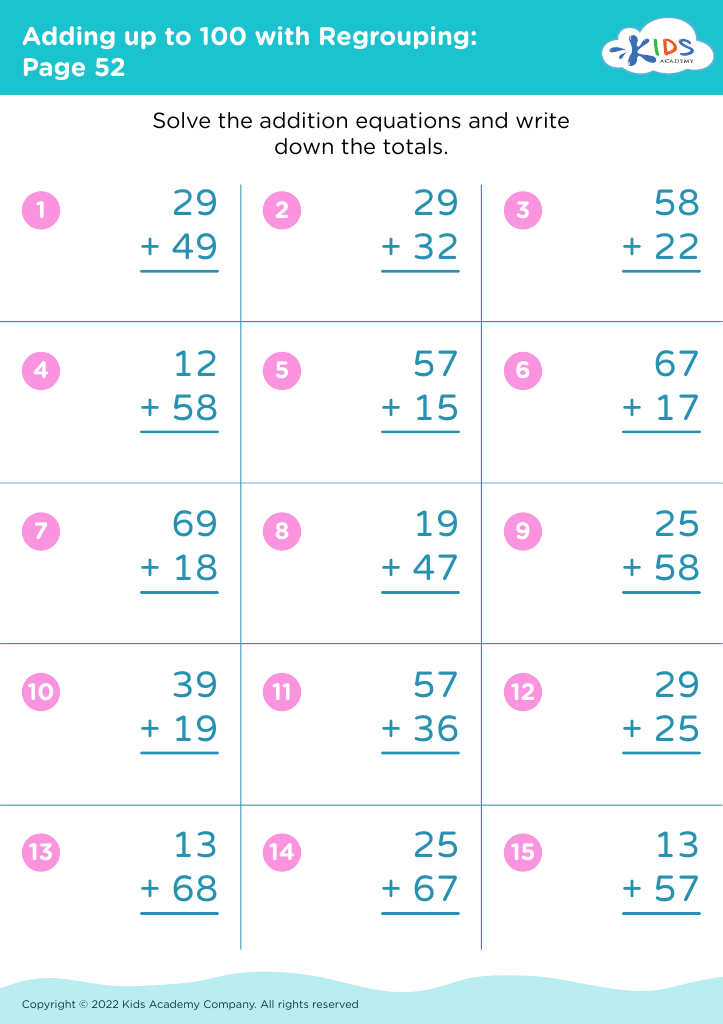
Adding up to 100 with Regrouping: Page 52
Worksheet
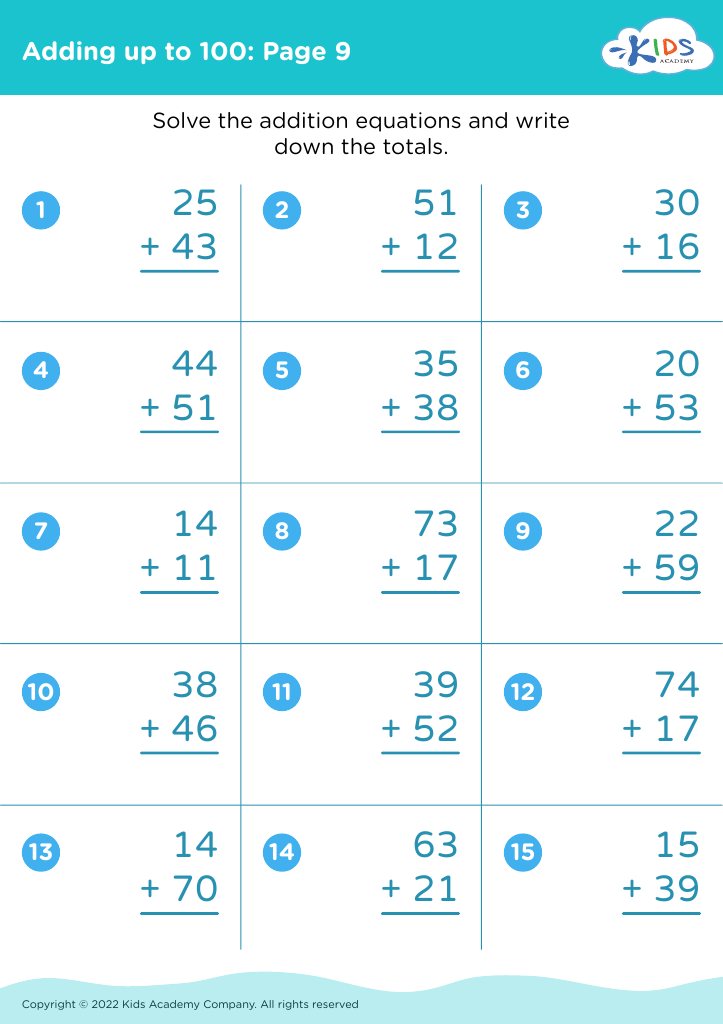
Adding up to 100: Page 9

Adding up to 100: Page 9

Adding up to 100: Page 9
Worksheet
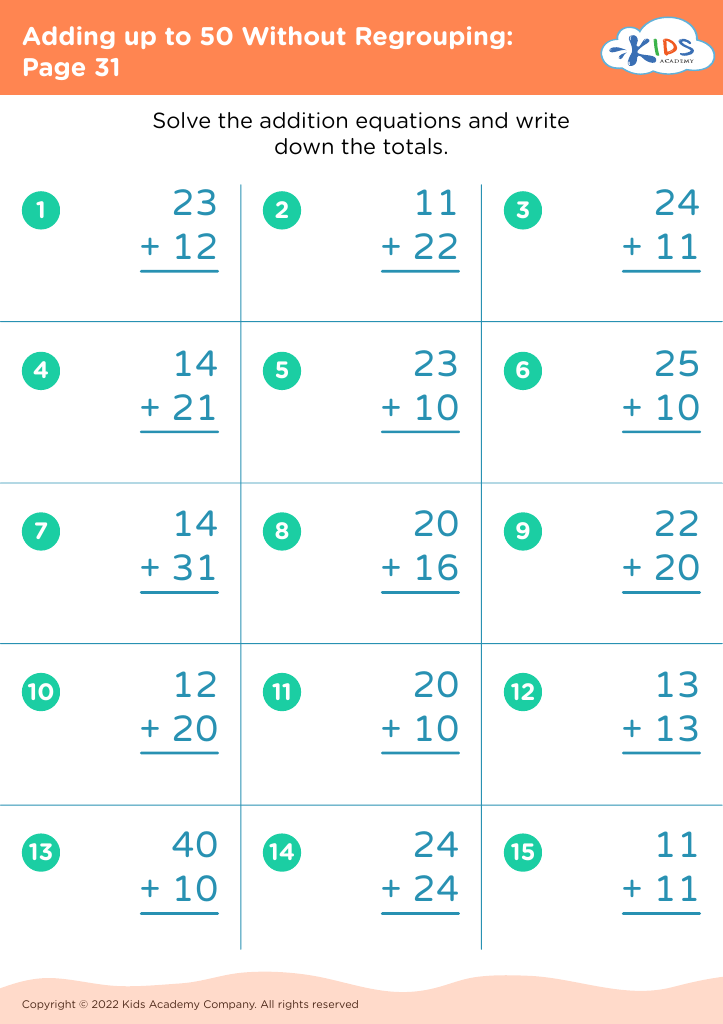
Adding up to 50 Without Regrouping: Page 31
Worksheet
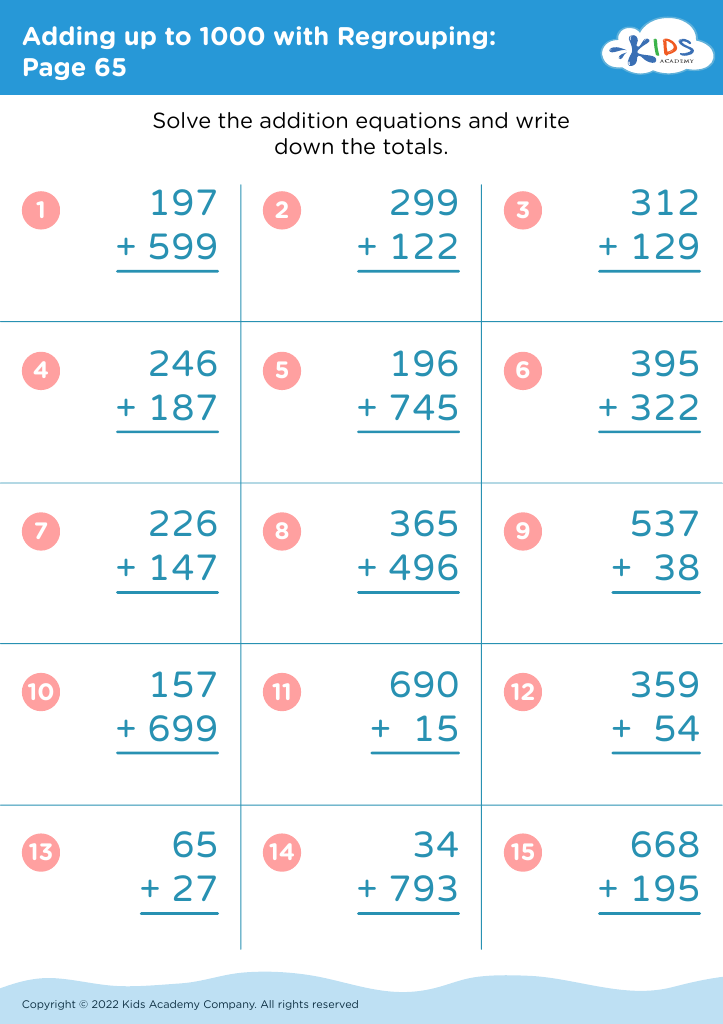
Adding up to 1000 with Regrouping: Page 65
Worksheet
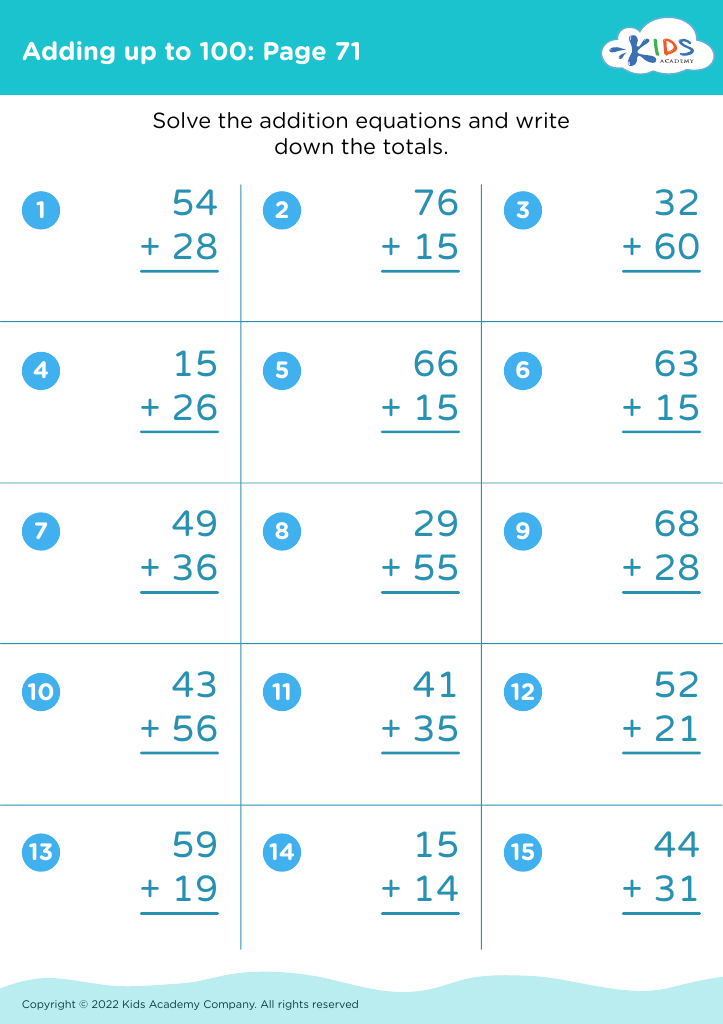
Adding up to 100: Page 71

Adding up to 100: Page 71

Adding up to 100: Page 71
Worksheet
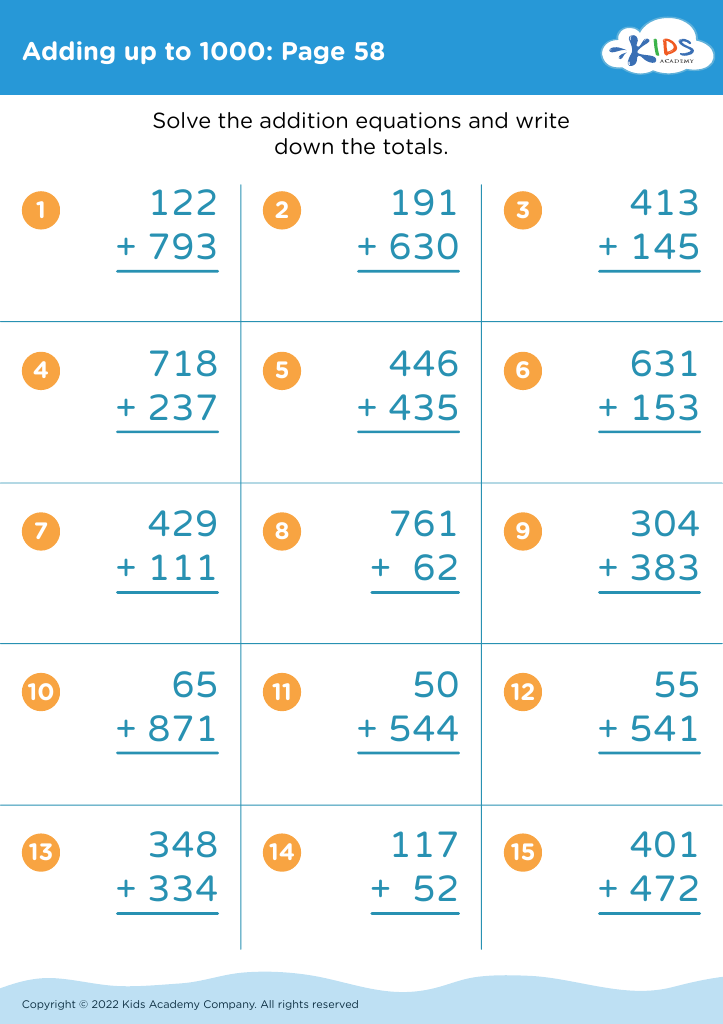
Adding up to 1000: Page 58

Adding up to 1000: Page 58

Adding up to 1000: Page 58
Worksheet
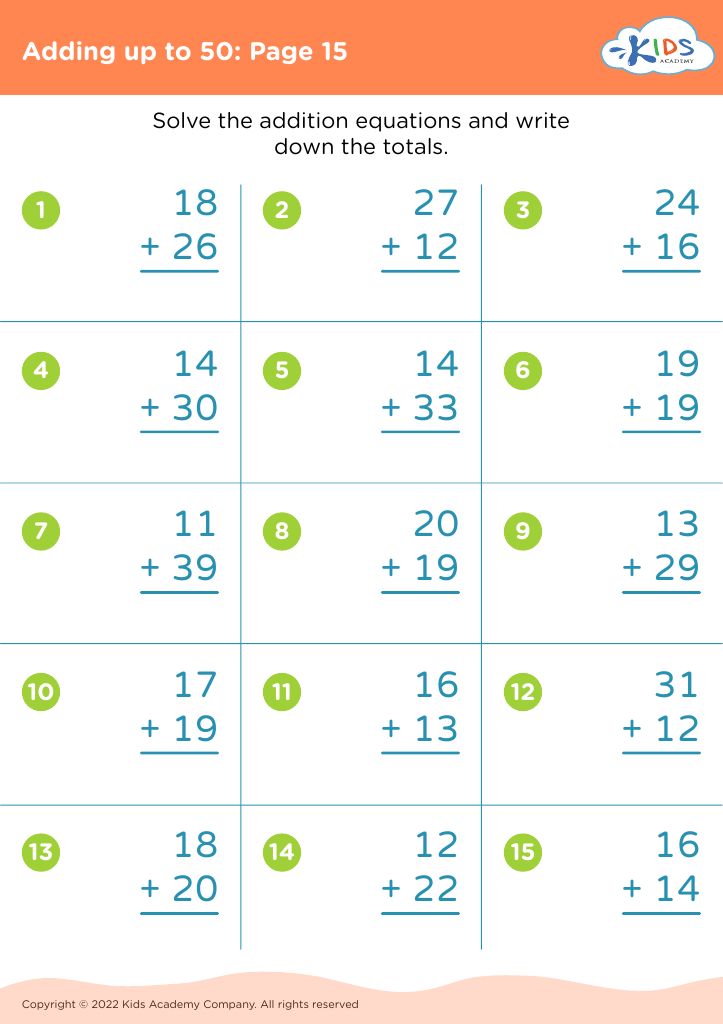
Adding up to 50: Page 15

Adding up to 50: Page 15

Adding up to 50: Page 15
Worksheet
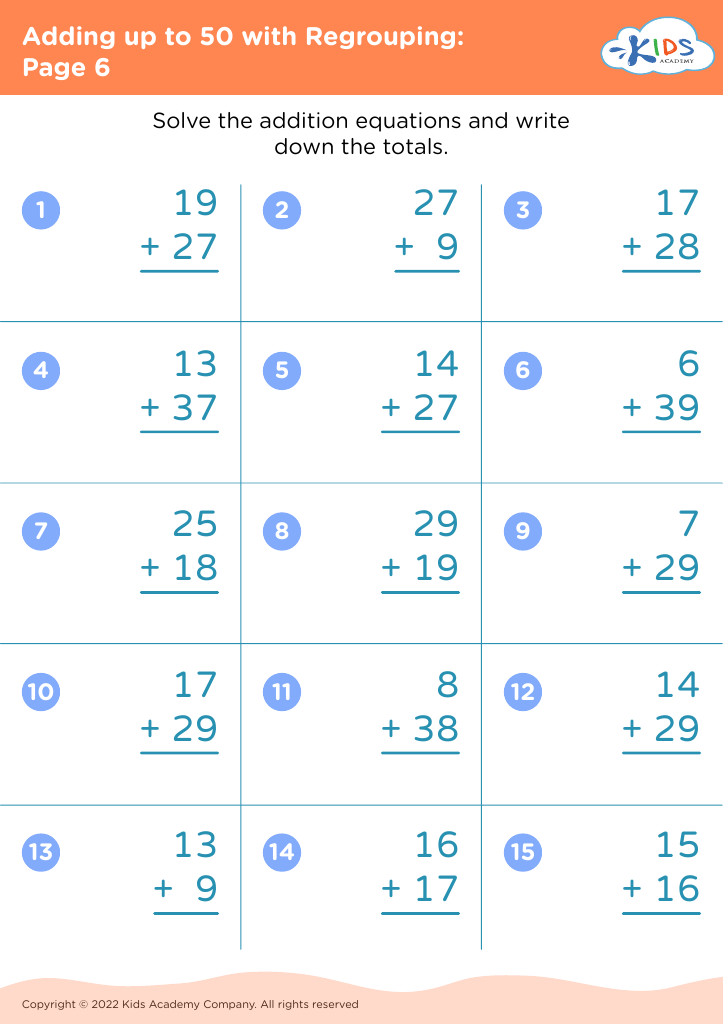
Adding up to 50 with Regrouping: Page 6
Worksheet
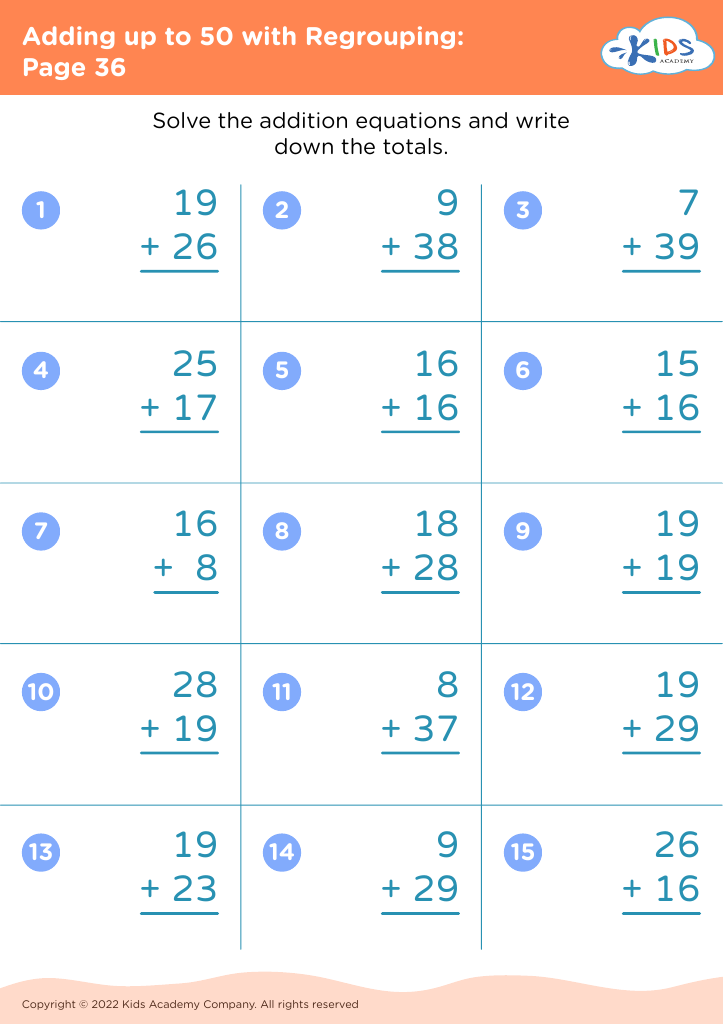
Adding up to 50 with Regrouping: Page 36
Worksheet
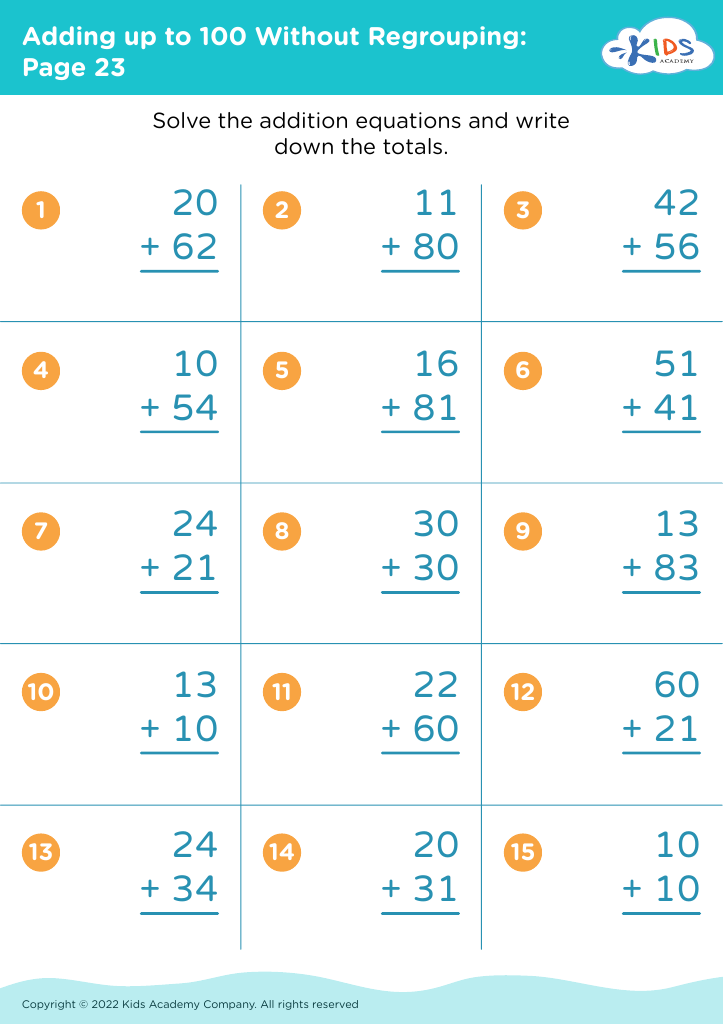
Adding up to 100 Without Regrouping: Page 23
Worksheet


Understanding how to compare fractions, especially when adding and subtracting them, is crucial for children ages 4-9 as it lays a foundational math skill that will benefit them throughout their education. For parents and teachers, fostering this knowledge encourages critical thinking and problem-solving abilities in young learners.

At this age, children are developing their number sense and learning the importance of parts-to-whole relationships. By exploring fraction comparisons in the context of addition and subtraction, they enhance their ability to understand different numerical values, even when they appear quite similar. This skill is important not only for mathematics but also for real-life situations, such as cooking or sharing equally among friends.

Also, focusing on comparing fractions helps students grasp the concept of equivalent fractions and the role of common denominators—essential ideas that they will build on in future math lessons. Engaging parents and teachers in this aspect of learning fosters a supportive environment, where children's curiosity and motivation thrive. In summary, instilling confidence in comparing fractions and their operations sets a solid groundwork for academic success, ultimately helping children become proficient in mathematics as they progress through school.