
Fraction Addition Addition & Subtraction Worksheets for Ages 4-9
14 filtered results
Difficulty Level
Grade
Age
-
From - To
Subject
Activity
Standards
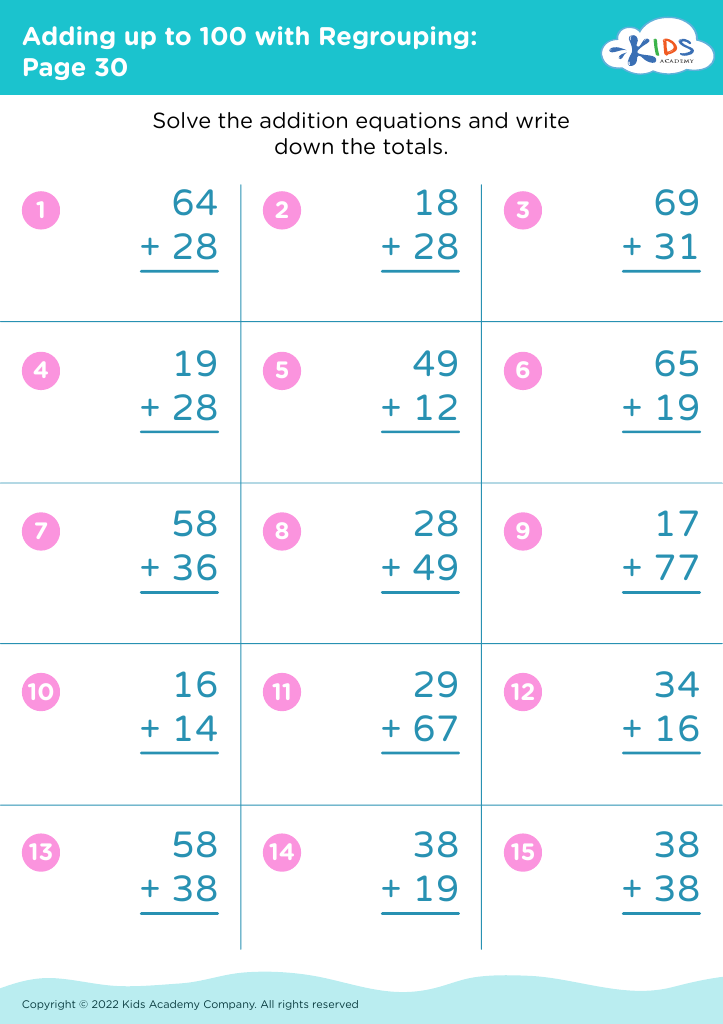
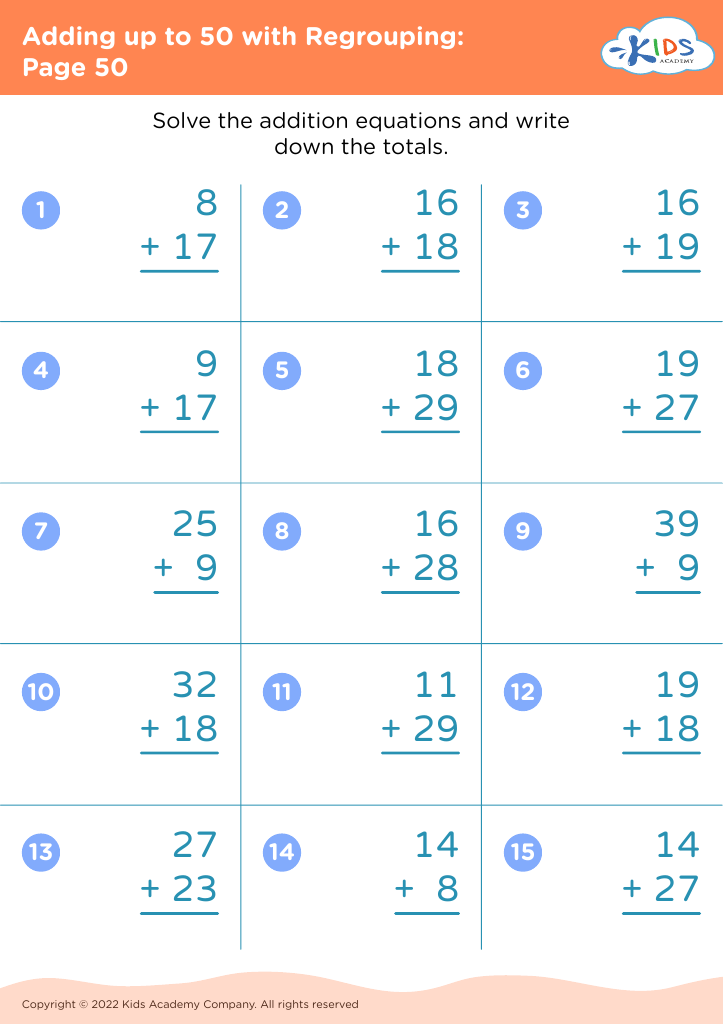
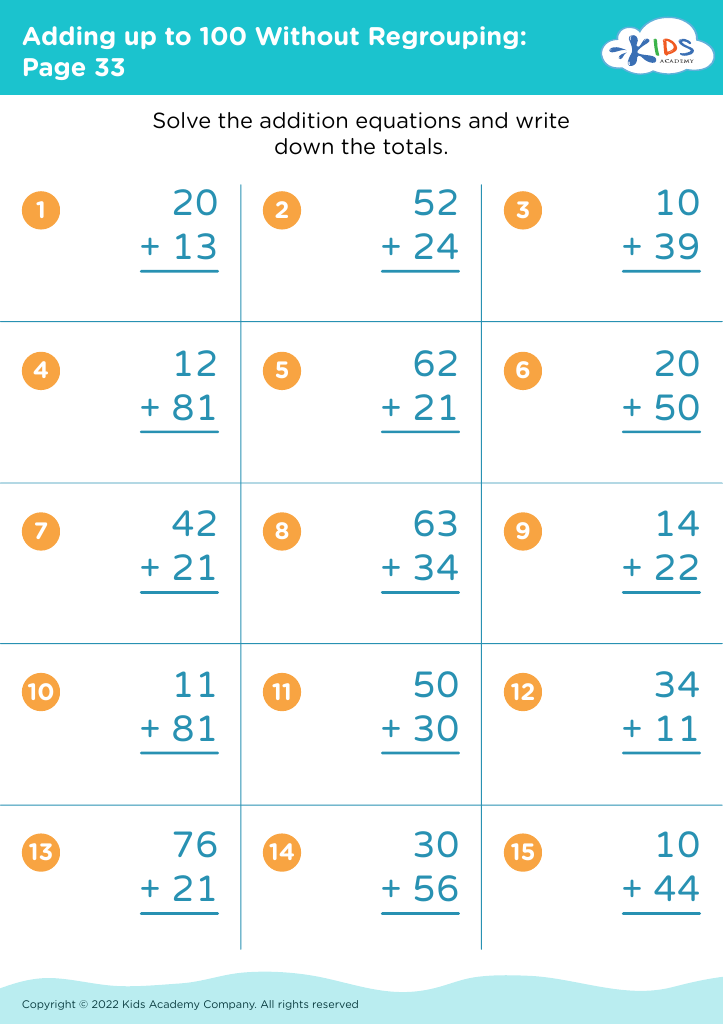
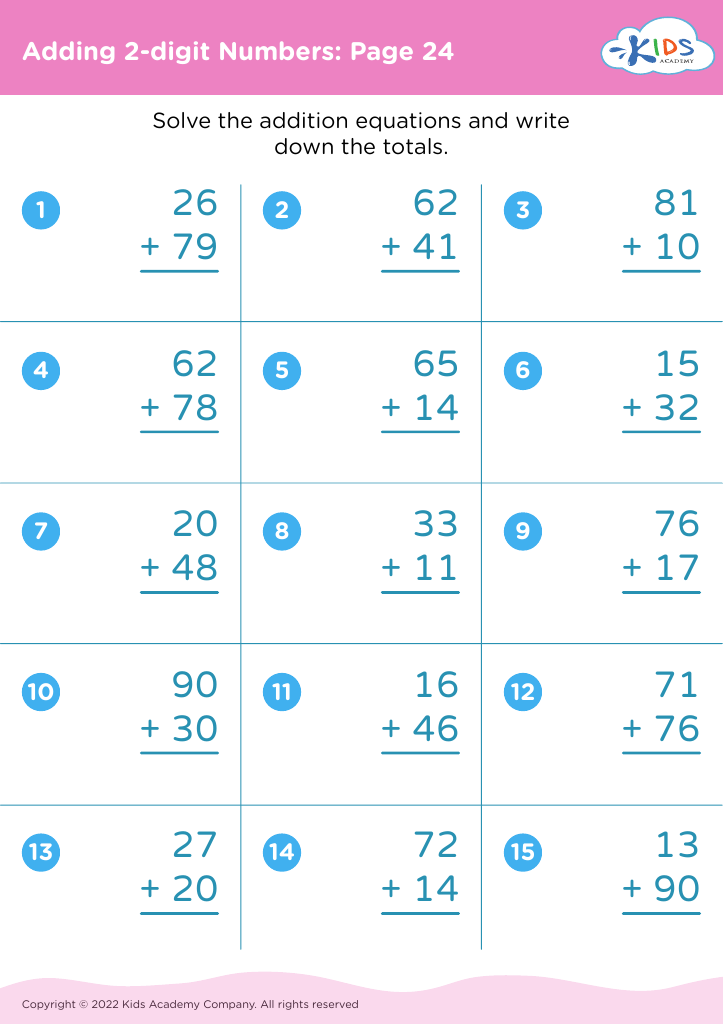
Discover our engaging Fraction Addition and Subtraction Worksheets designed for children aged 4 to 9! These thoughtfully crafted resources help young learners master the essentials of fraction concepts while developing their addition and subtraction skills. Each worksheet features vibrant visuals and age-appropriate activities that make learning fun and interactive. Perfect for home or classroom use, our printable worksheets foster a strong mathematical foundation, promoting confidence in problem-solving. Whether you're reinforcing lessons or introducing new topics, our Fraction Addition and Subtraction Worksheets will prepare your child to tackle math with enthusiasm. Start their learning journey today and watch them thrive!
Favorites
With answer key
Interactive
Join Kids Academy for Free
Who is primarily going to use this learning content?








Fraction addition and subtraction are foundational concepts in mathematics that children aged 4-9 can grasp with appropriate guidance. At this developmental stage, introducing fractions fosters critical thinking and problem-solving skills. By understanding fractions, children learn to recognize parts of a whole, which enhances their comprehension of more complex mathematical concepts in later years.
Teachers and parents should prioritize fraction education because it lays the groundwork for future topics like ratios, proportions, and even algebra. It also encourages logical reasoning and the ability to analyze and manipulate numbers effectively. Engaging students with practical and visual representations, such as pie charts or fraction bars, can make these concepts relatable and fun.
Moreover, understanding fractions has real-world applications—cooking, sharing, and measuring all involve fractions. By highlighting everyday situations where fractions occur, educators can demonstrate their relevance, thereby boosting children's confidence in math.
Ultimately, fostering a strong understanding of fractions promotes positive attitudes towards mathematics, encouraging a lifelong appreciation and willingness to learn. Investing in fraction education during these formative years helps equip children with essential skills for their academic journey and daily life.








