Improve reading skills Addition & Subtraction Worksheets for Ages 4-9 - Page 2
29 filtered results
-
From - To
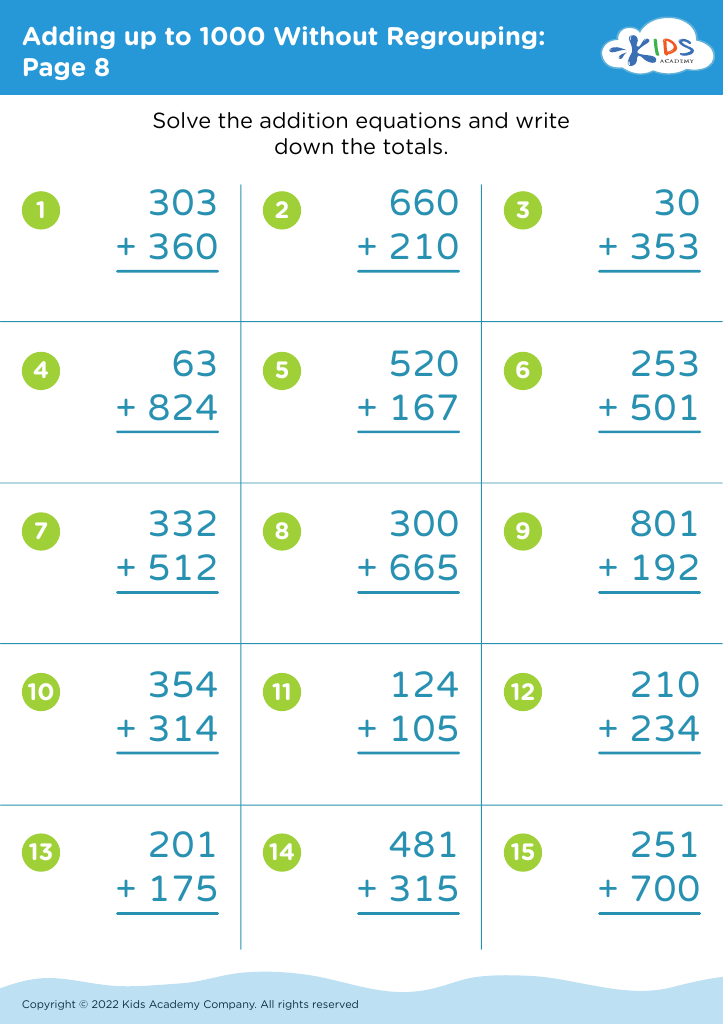
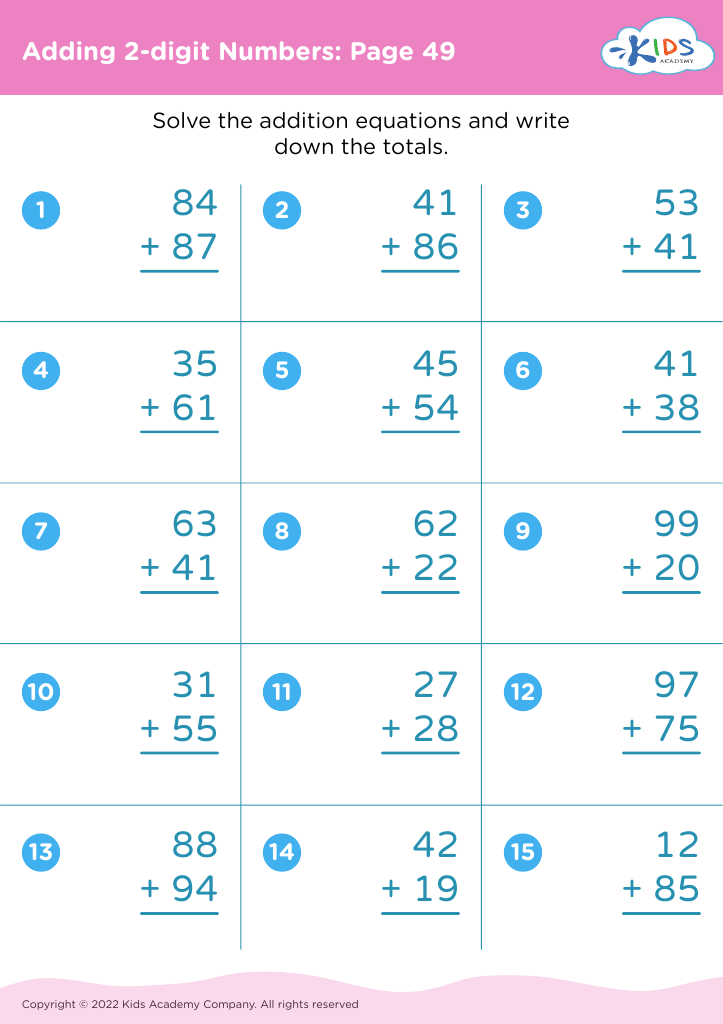
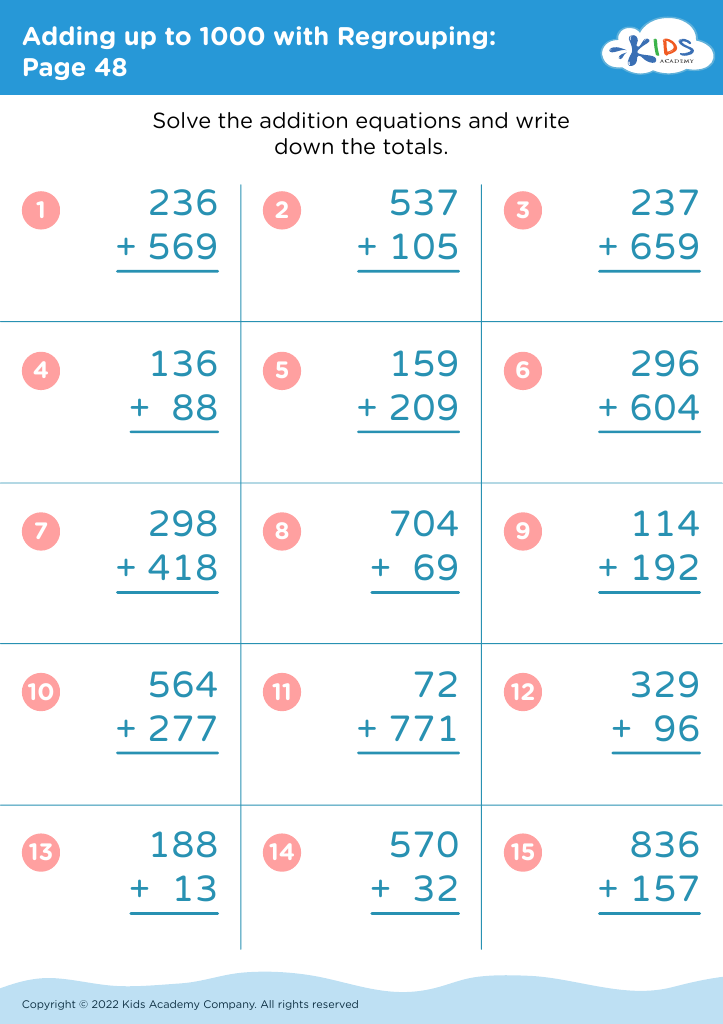
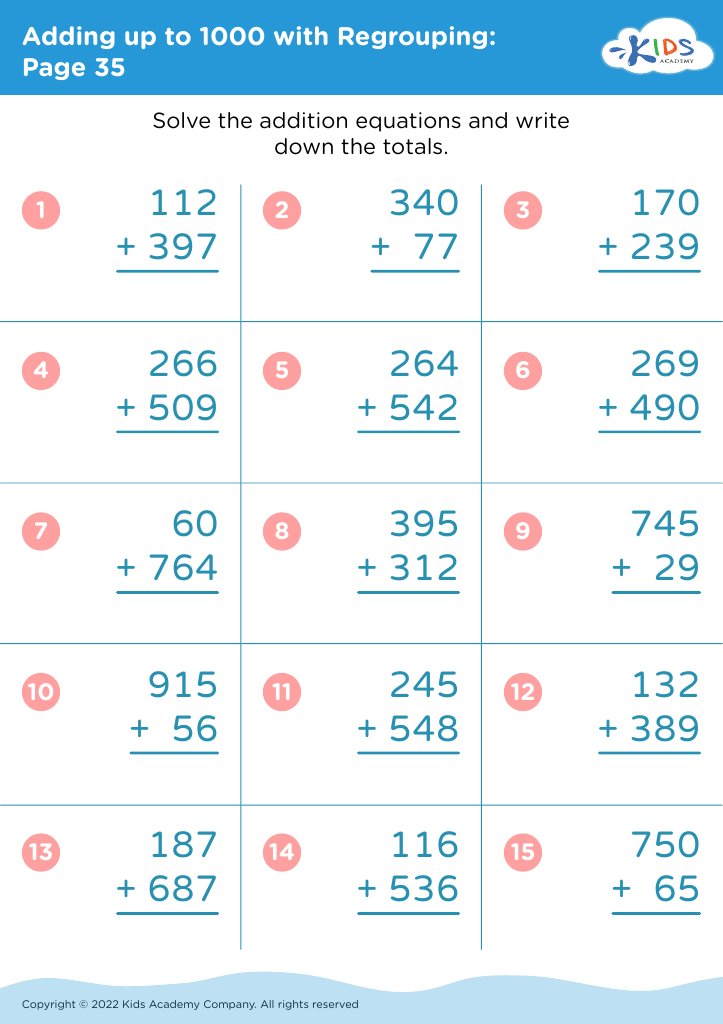
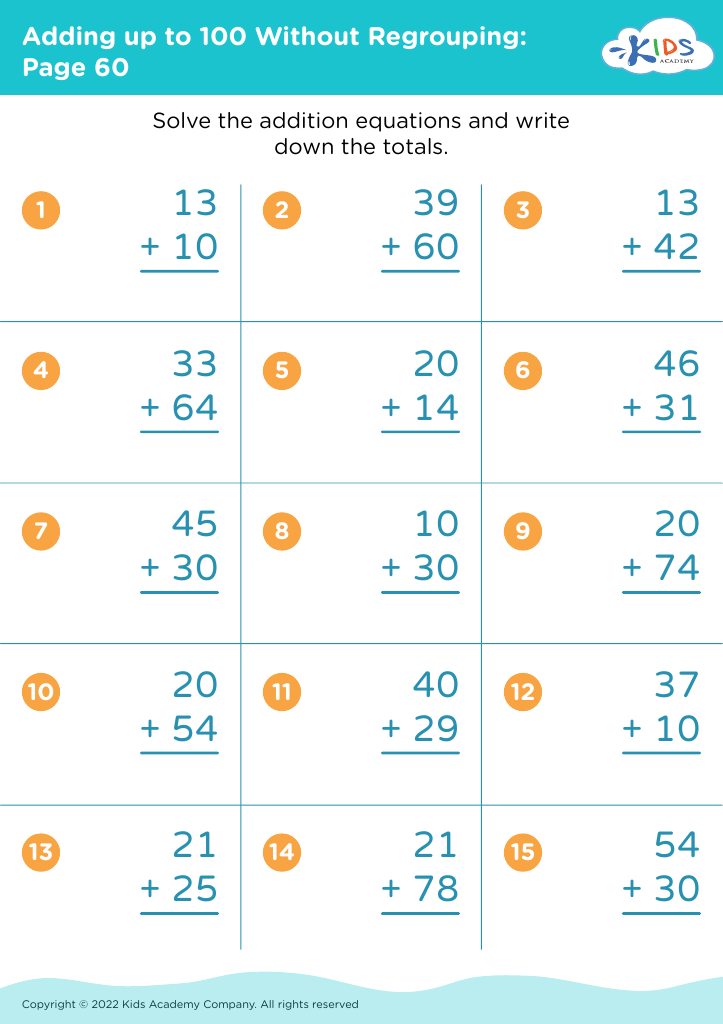








Improving reading skills, along with foundational concepts like addition and subtraction, is crucial for children aged 4-9 as these skills build the basis for lifelong learning. Reading proficiency allows children to comprehend instructions, engage with stories, and develop critical thinking. As they begin their educational journey, strong reading skills pave the way for understanding mathematics, as children need to read and interpret word problems and concepts in math.
Likewise, addition and subtraction are fundamental skills that not only support everyday tasks but also lay the groundwork for more advanced mathematical concepts. Mastery of these skills enhances cognitive development, encouraging logical reasoning and problem-solving abilities. When children understand arithmetic operations, it boosts their confidence, leading to greater participation in class discussions and collaborative activities.
Moreover, parents and teachers serve as vital role models in supporting these skills. Engaging children in reading and math activities at home or in the classroom can foster a love for learning and build critical literacy and numeracy skills. Thus, prioritizing these areas ensures children are well-prepared for future academic challenges, equipping them with essential tools needed for success in a rapidly changing world.








