Improving math skills Addition & Subtraction Worksheets for Ages 4-9 - Page 2
32 filtered results
-
From - To
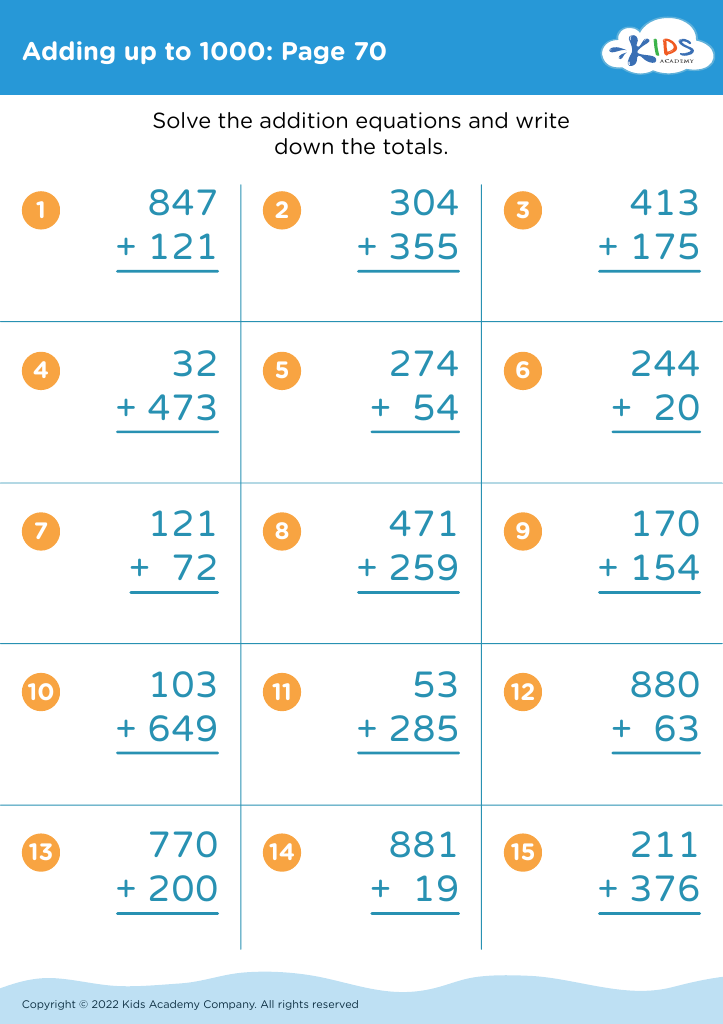
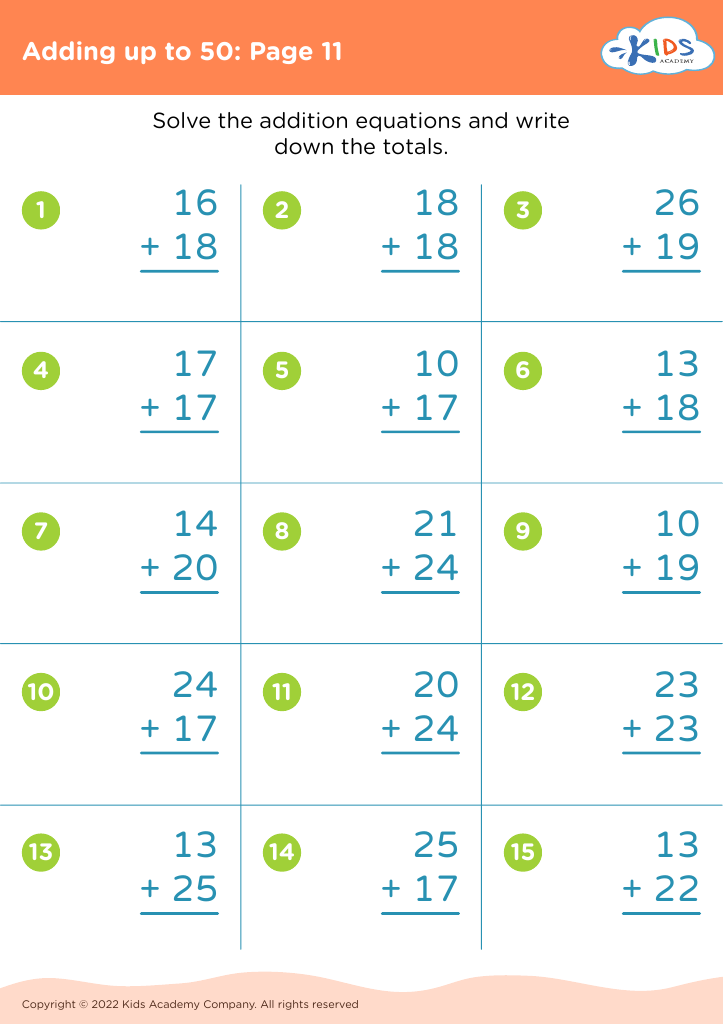
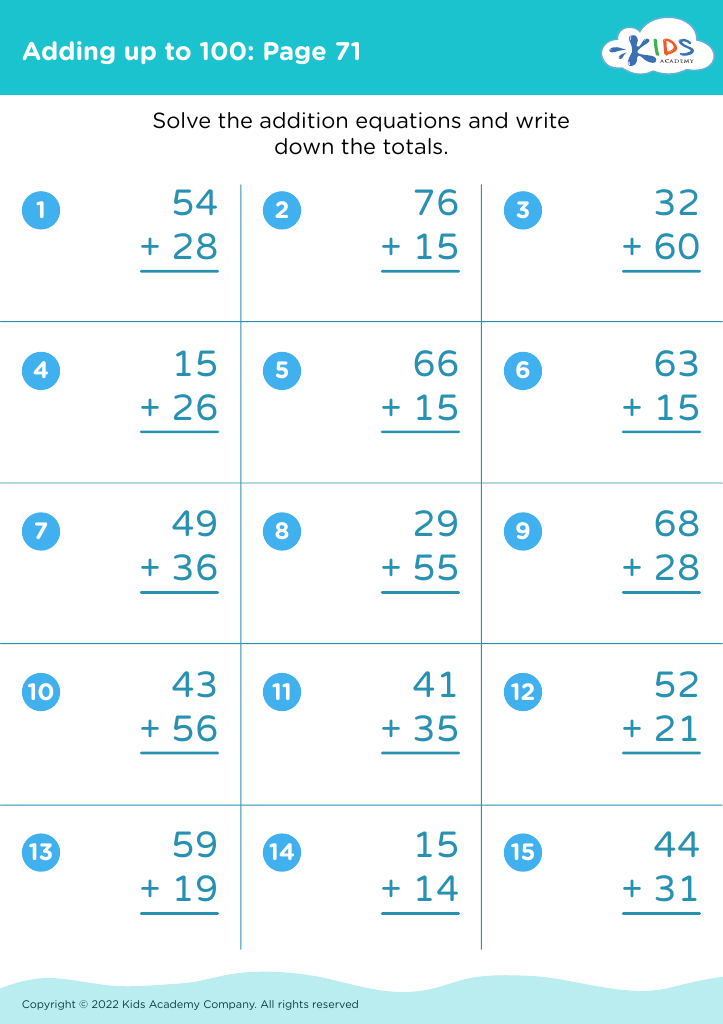
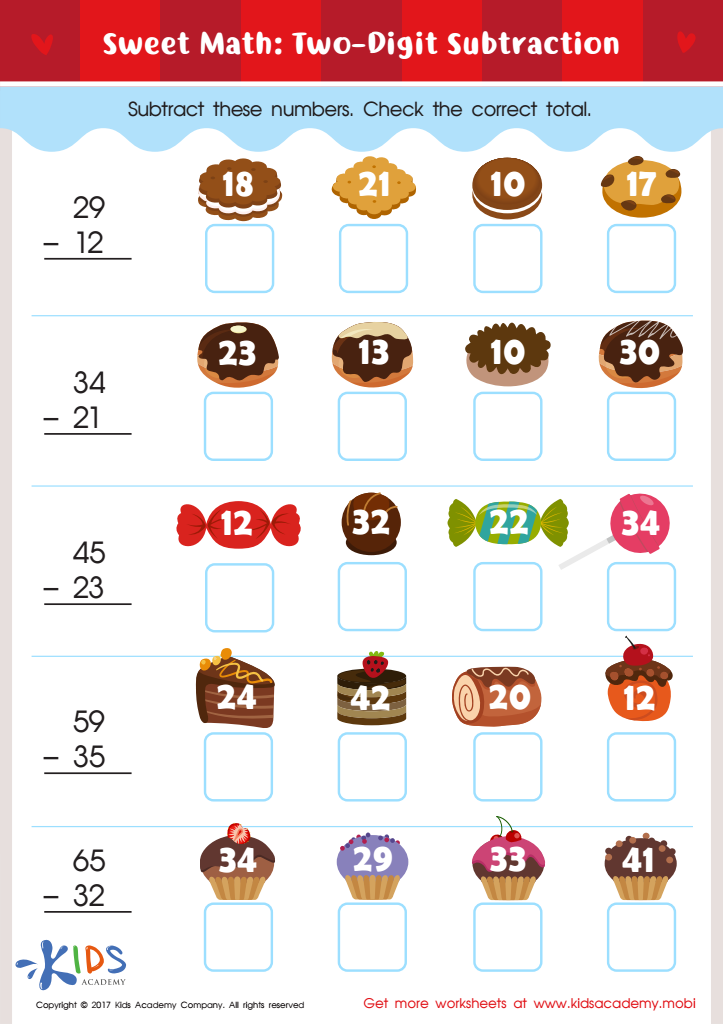
Two Digit Subtraction Worksheet
 Assign to My Students
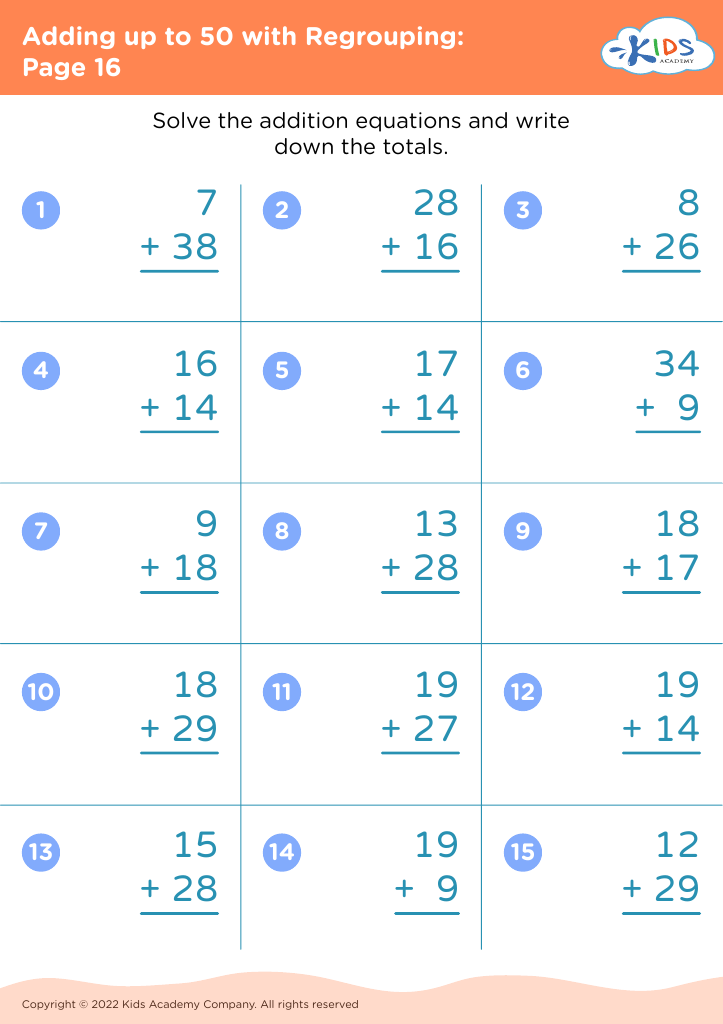
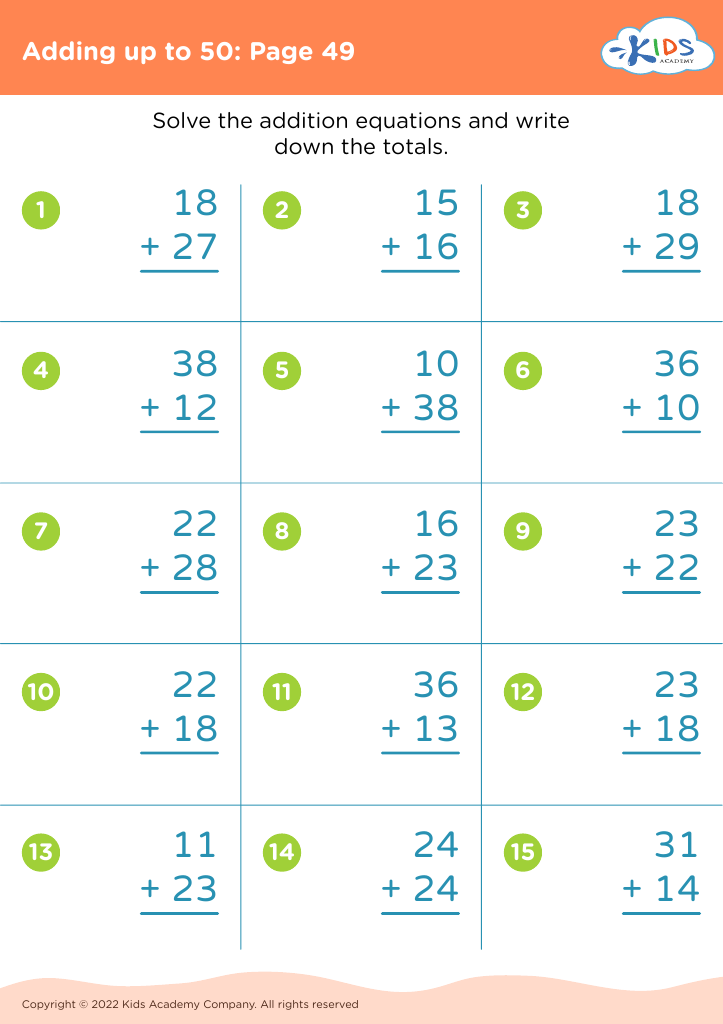
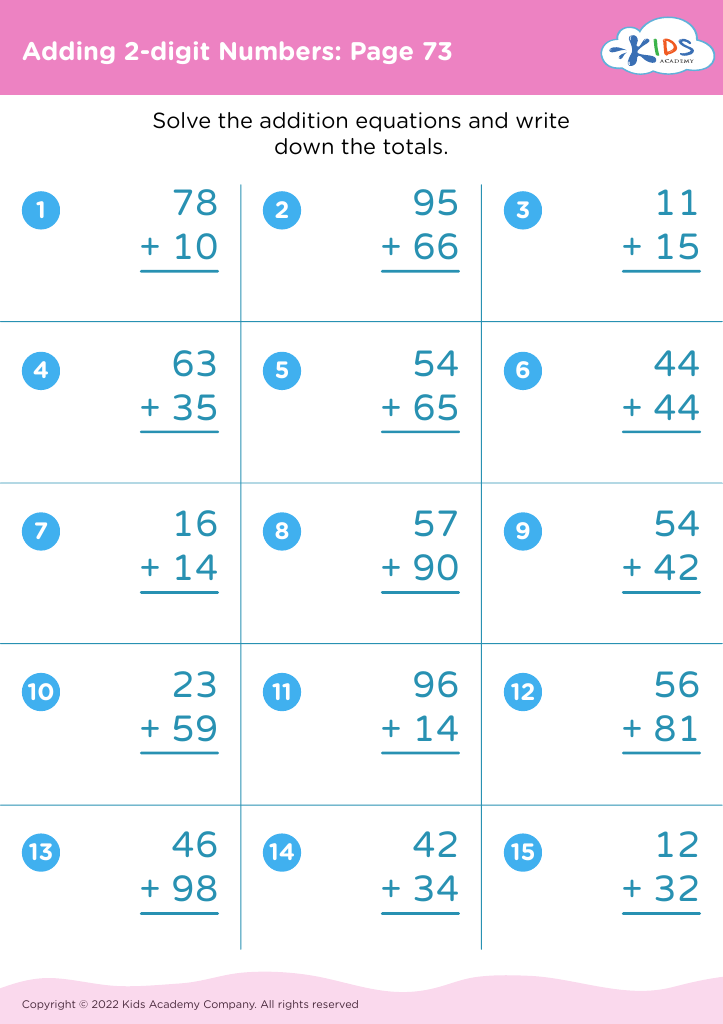
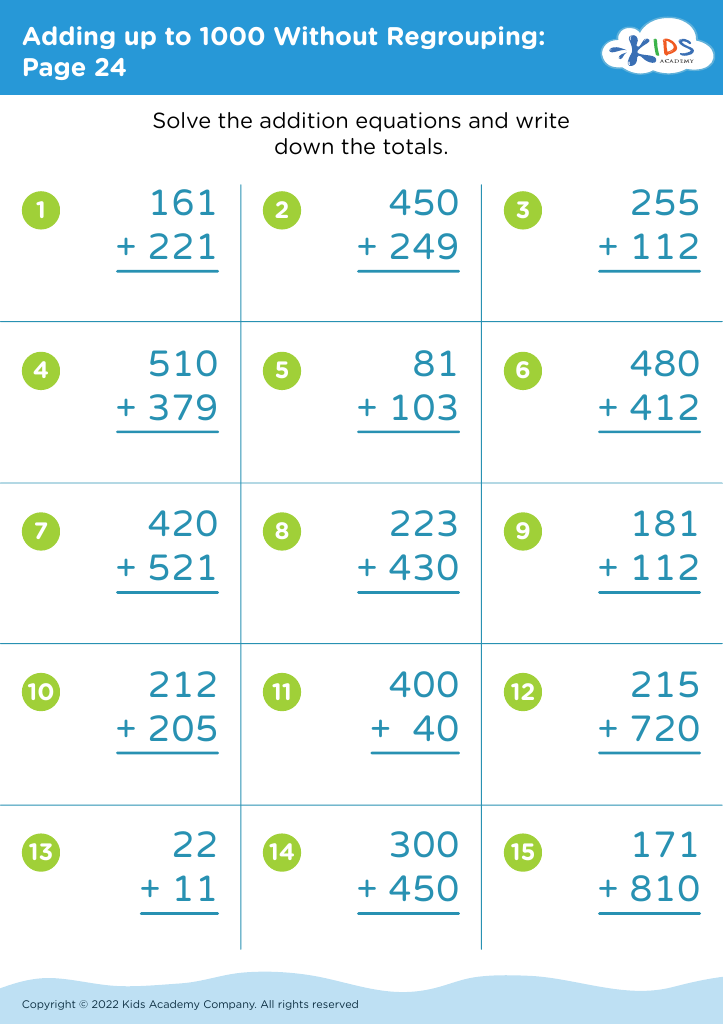








Improving math skills, specifically addition and subtraction, for children aged 4-9 is crucial for several reasons. First, these foundational skills are the building blocks of all future mathematical learning. Early mastery helps pave the way for more complex math concepts like multiplication, division, and fractions, which children will encounter as they progress in school.
Engaging young learners in addition and subtraction fosters not just numerical skills but also critical thinking and problem-solving abilities. These skills develop cognitive flexibility, allowing children to approach various challenges with confidence.
Additionally, early math proficiency can significantly influence a child's academic self-esteem. Children who grasp these concepts early are more likely to feel accomplished and motivated, leading to greater participation and enthusiasm in math-related activities. Conversely, gaps in understanding can result in frustration and a negative attitude towards math, extending into later education.
Finally, parents and teachers play a pivotal role in nurturing these skills. By creating a supportive and enriching environment, they can foster a love for math that can last a lifetime. Consequently, prioritizing the improvement of addition and subtraction skills can lead to lasting benefits for children's educational journeys and overall success.








