Introduction to mathematics Addition & Subtraction Worksheets for Ages 4-9
3 filtered results
-
From - To
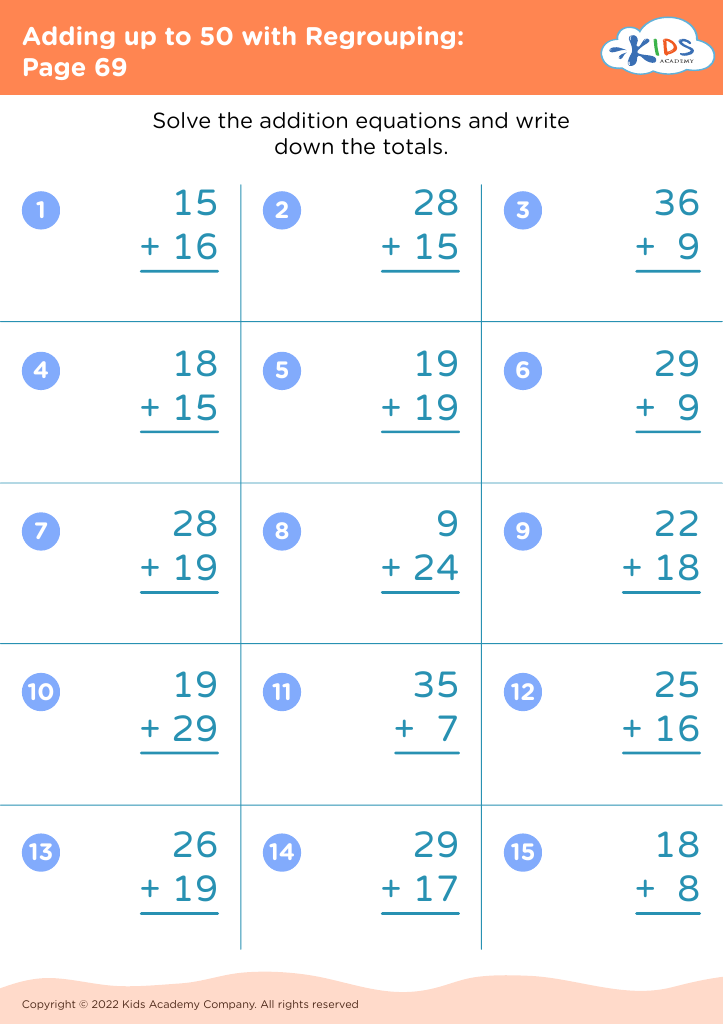
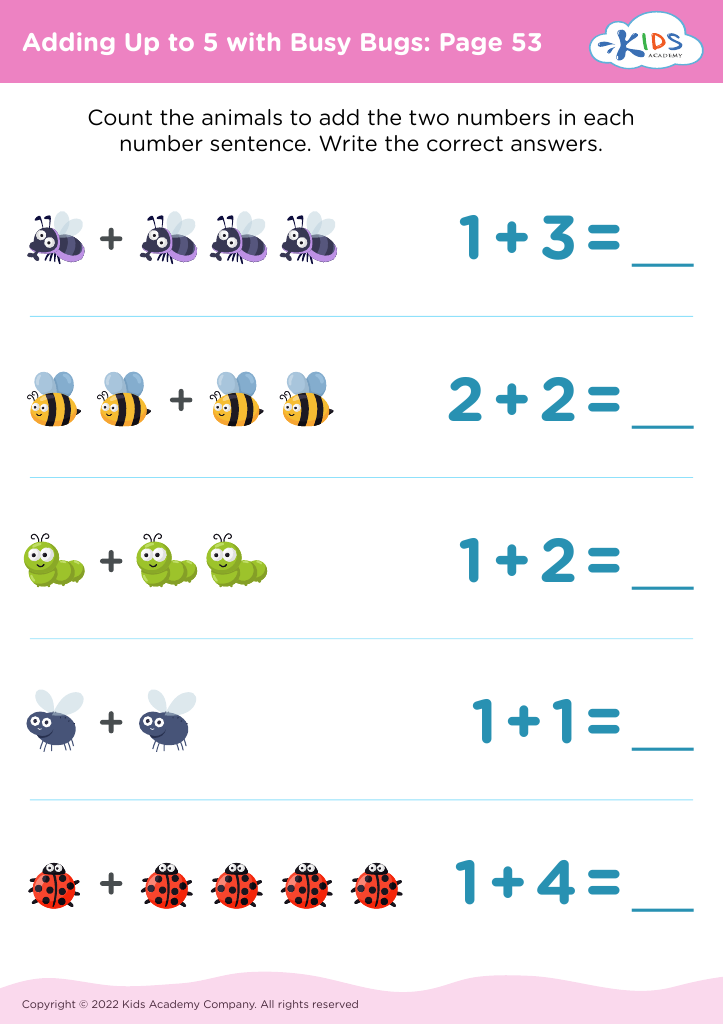
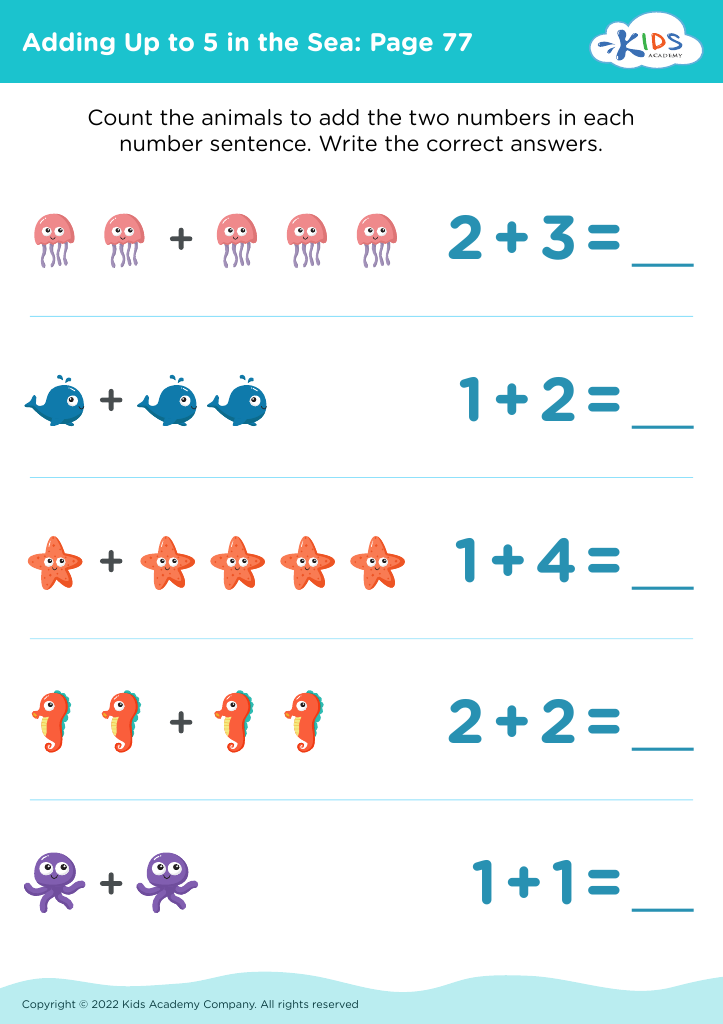
Discover our "Introduction to Mathematics: Addition & Subtraction Worksheets for Ages 4-9," designed to make learning fun and engaging. Our expertly crafted worksheets provide young learners with a strong foundation in basic math concepts, focusing on addition and subtraction. Suitable for kids aged 4-9, these resources help develop essential math skills through interactive activities, colorful illustrations, and step-by-step guidance. Perfect for homeschooling or supplementary practice, our worksheets ensure children build confidence and competence in mathematics early on. Equip your child with the necessary tools for math success with our enjoyable and educational addition & subtraction worksheets.








Introducing mathematics, particularly addition and subtraction, to children ages 4-9 is crucial for several reasons:
-
Foundation Building: Early math skills set the groundwork for more complex concepts. Mastering addition and subtraction helps children understand later arithmetic operations like multiplication and division, fostering a solid math foundation.
-
Confidence Development: Early success in mathematics can build a child's confidence and reduce math anxiety. Children who feel competent in basic math are more likely to approach new challenges with a positive attitude.
-
Cognitive Skills: Math enhances critical thinking and problem-solving skills. Children learn to identify patterns, make connections, and develop logical reasoning through addition and subtraction.
-
Academic Achievement: Proficiency in early math is a strong predictor of later academic success not just in mathematics, but across subjects. Early exposure aligns with educational standards and curricular goals, ensuring readiness for more advanced learning.
-
Life Skills: Math is integral to daily life. Children encounter tasks like counting money, measuring ingredients, and telling time. Early practice with numbers equips them with essential life skills.
-
Engagement and Enjoyment: Introducing math through games, fun activities, and real-life scenarios makes learning enjoyable, promoting a lifelong interest in the subject.
In summary, focusing on addition and subtraction for young children builds crucial skills, fosters a positive learning attitude, and ensures future academic and life successes.








