
Visual discrimination Addition & Subtraction Worksheets for Ages 4-9
6 filtered results
Difficulty Level
Grade
Age
-
From - To
Subject
Activity
Standards
Explore our engaging Visual Discrimination Addition & Subtraction Worksheets for children aged 4-9! Designed to enhance essential math skills while fostering visual recognition, these worksheets provide a fun and interactive way for young learners to practice addition and subtraction. With a variety of colorful, child-friendly designs, your students will enjoy identifying numbers, solving problems, and honing their visual discrimination abilities. Each worksheet promotes critical thinking and boosts confidence in math concepts, ensuring a solid foundation for future learning. Perfect for classroom activities or at-home practice, our resources aim to make math enjoyable and accessible for every young learner. Start their math journey today!
Favorites
With answer key
Interactive
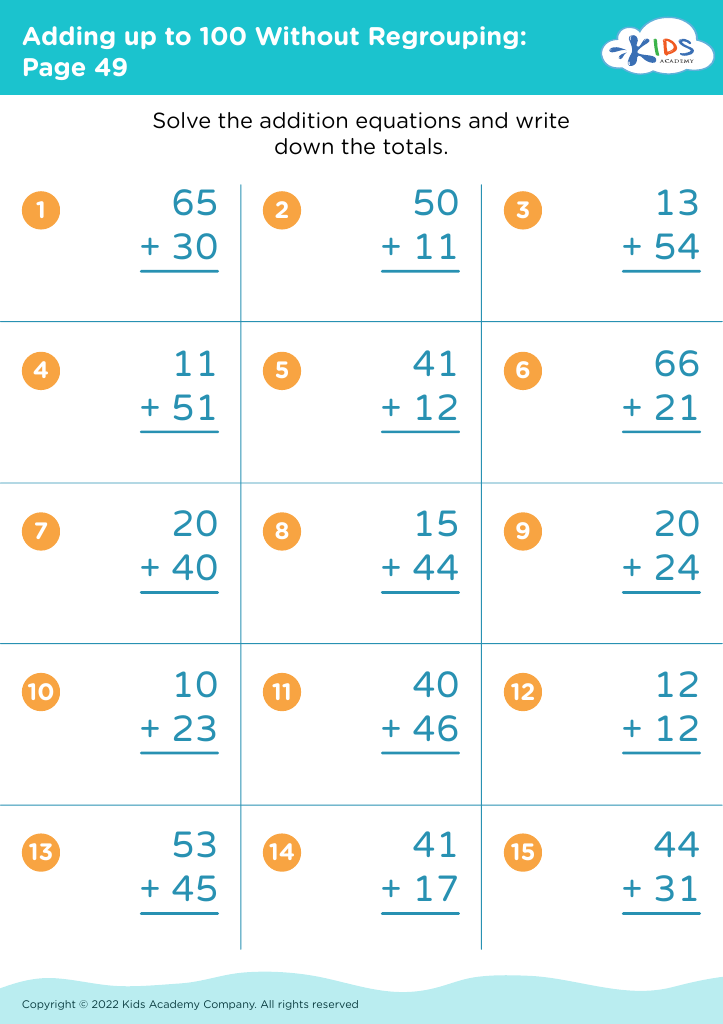
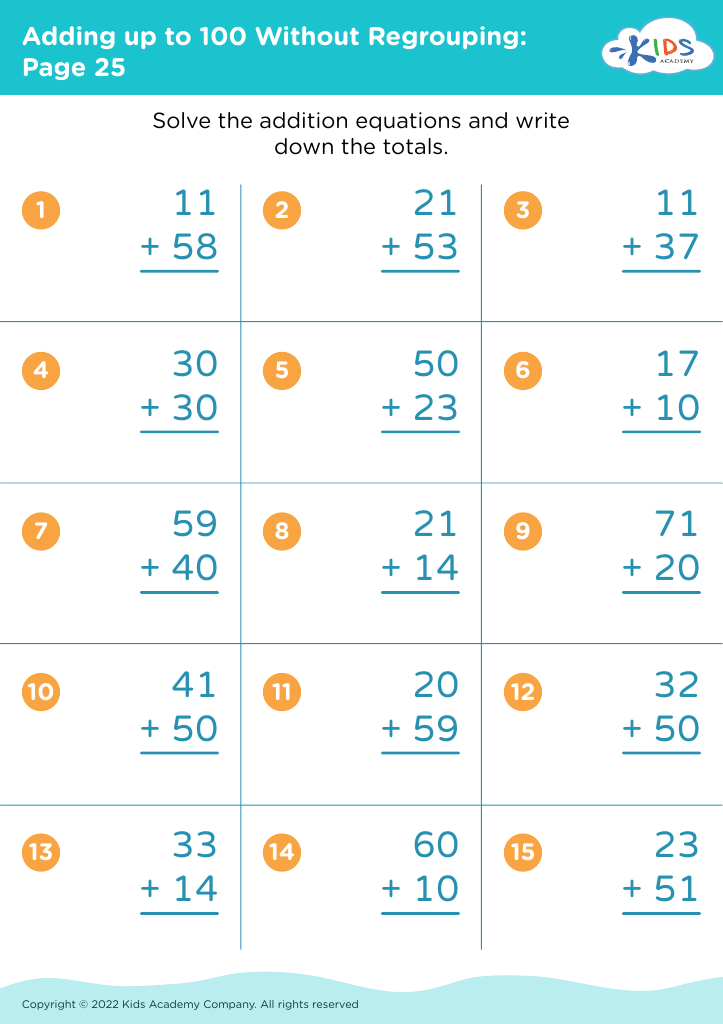
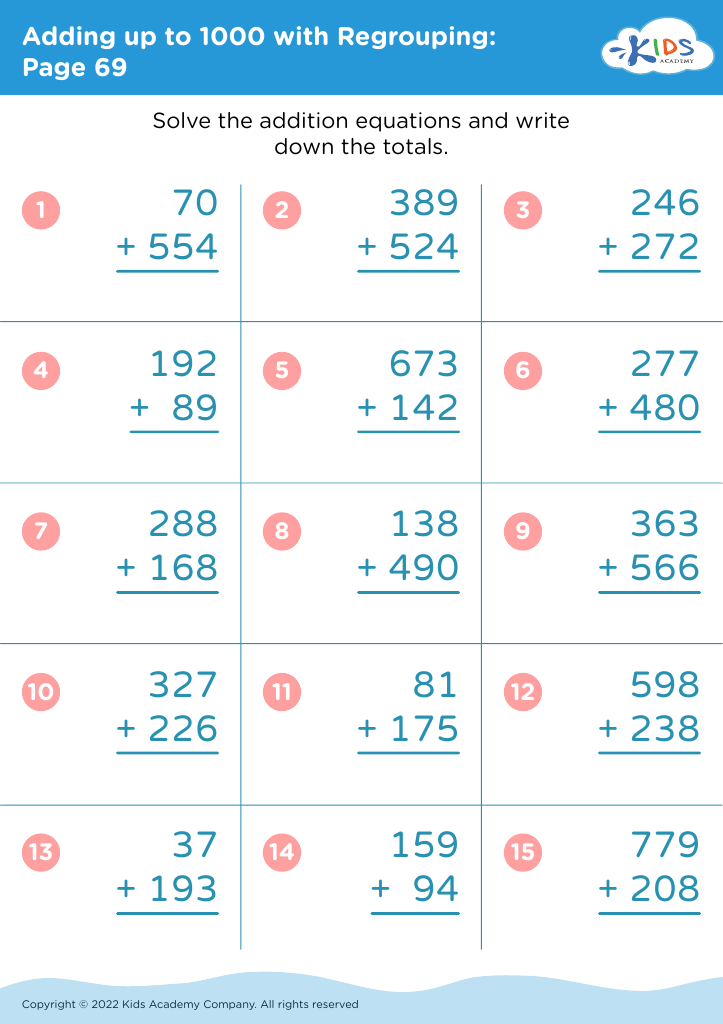
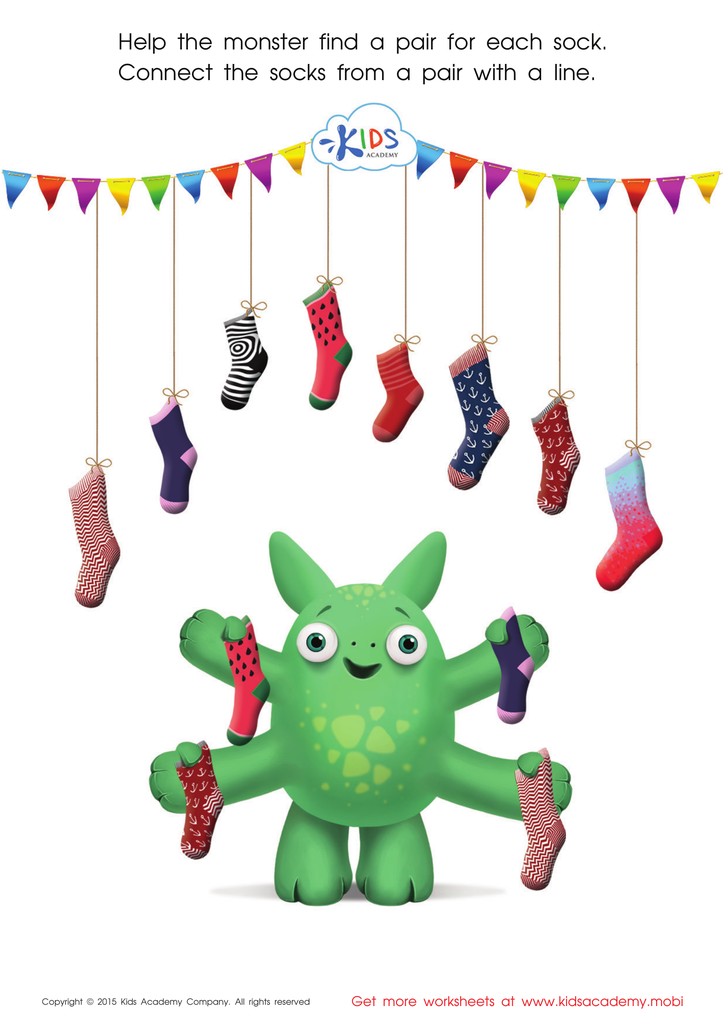
Math Matching Game: Monsterв's Socks Worksheet
Help the Monster put pairs of socks back together after a big storm! Kids draw lines to match the socks and develop cognitive and fine motor skills. Download and print the worksheet from Kids Academy. More preschool and kindergarten activities available.
Math Matching Game: Monsterв's Socks Worksheet
Worksheet
Join Kids Academy for Free
Who is primarily going to use this learning content?








Visual discrimination is a crucial skill for children aged 4-9, especially in the context of mathematical concepts like addition and subtraction. This skill involves the ability to recognize differences and similarities in shapes, numbers, and patterns, enabling children to process visual information effectively. For both parents and teachers, fostering visual discrimination is essential for several reasons.
First, it enhances a child’s ability to understand and perform basic mathematical operations. By recognizing patterns and differences in numbers, children become more adept at problem-solving. This foundational skill enables them to grasp more complex mathematical concepts in later years.
Second, visual discrimination plays a significant role in reading and literacy development. As children transition from numbers to words, their ability to distinguish between similar letters and words becomes paramount.
Lastly, strong visual discrimination skills positively impact overall learning. Children with this skill are often more confident and engaged, which promotes a love of learning and empowers them in their educational journeys. When parents and teachers provide activities that develop visual discrimination—like puzzles or shape sorting—they invest in their children's academic futures, ensuring a strong base for lifelong learning in mathematics and beyond.








