
Visual-motor skills Addition & Subtraction Worksheets for Ages 4-9
4 filtered results
Difficulty Level
Grade
Age
-
From - To
Subject
Activity
Standards
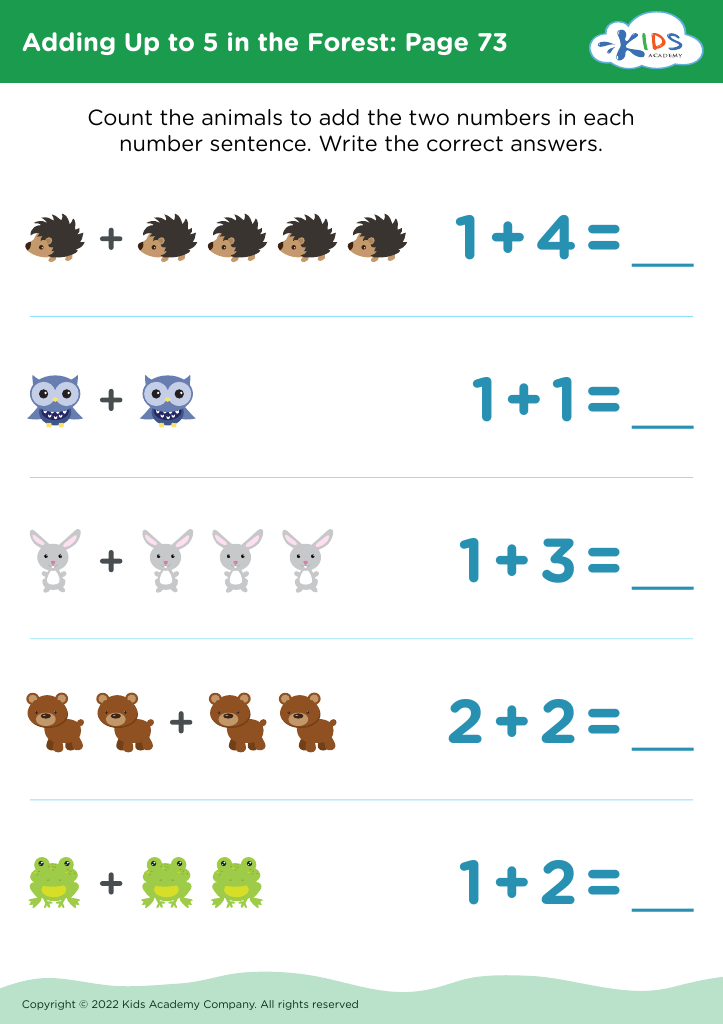
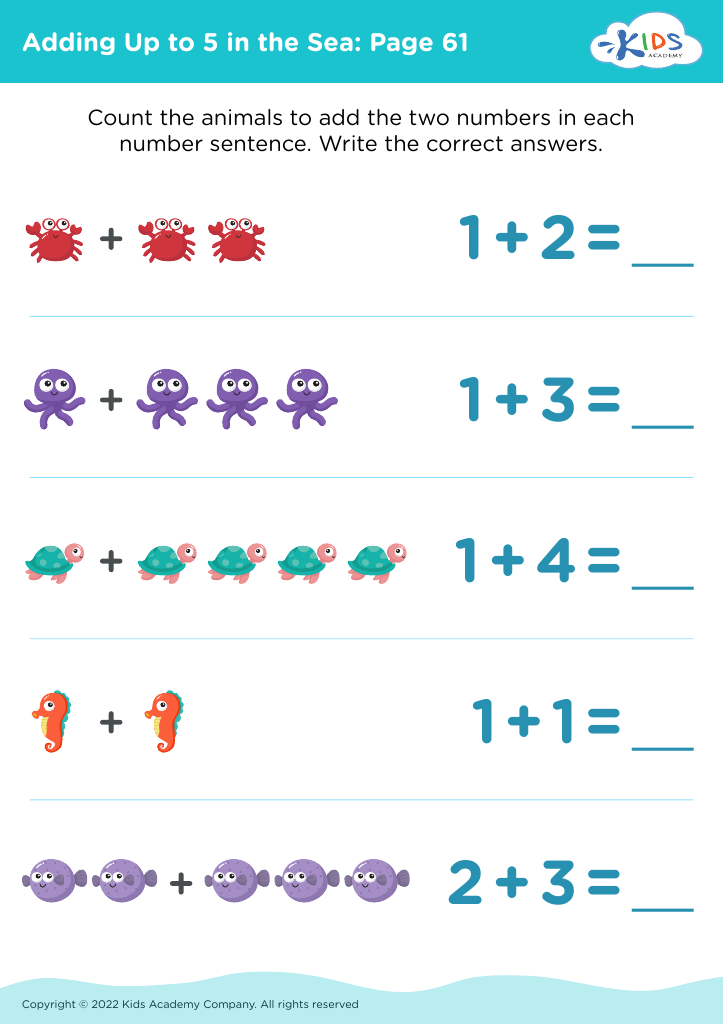
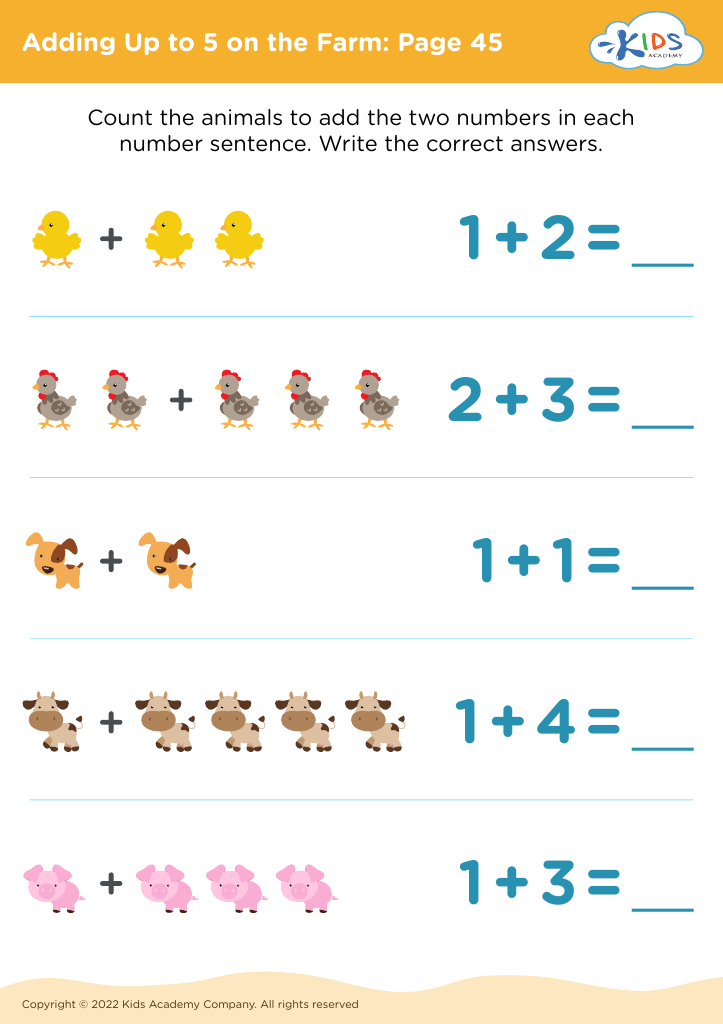
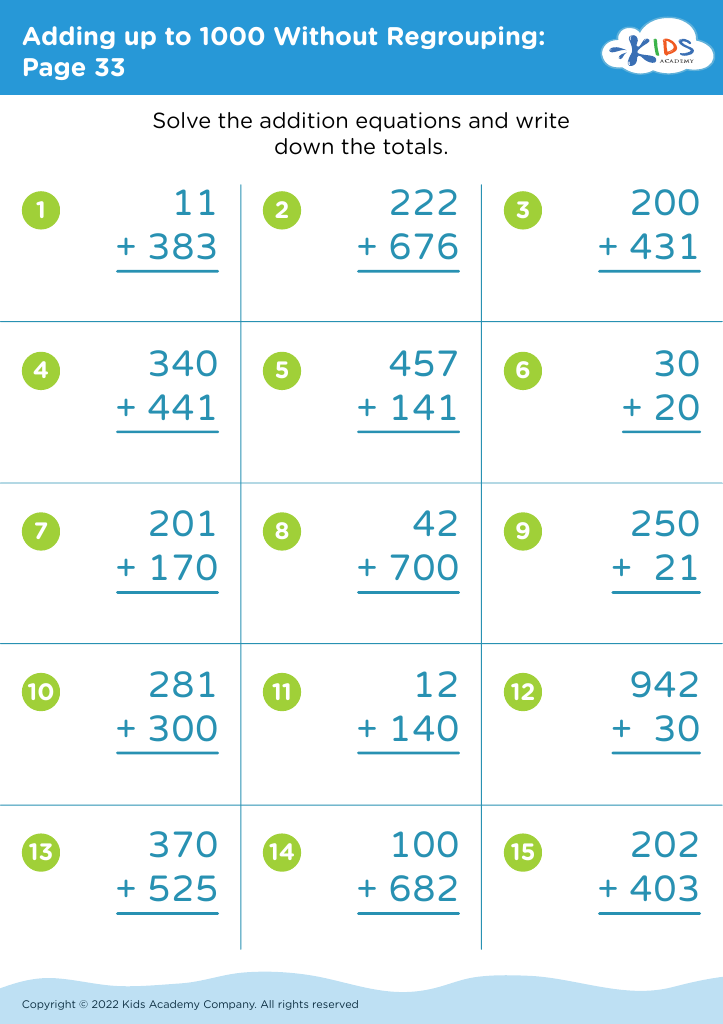
Unlock your child's potential with our engaging Visual-Motor Skills Addition and Subtraction Worksheets, designed for ages 4 to 9. These printable worksheets focus on blending essential math skills with visual-motor coordination, ensuring a fun and educational experience. Each activity is thoughtfully crafted to help kids practice addition and subtraction while enhancing their fine motor skills through tracing, coloring, and drawing. As children work through these interactive exercises, they’ll build confidence and develop a solid foundation in math. Perfect for home or classroom use, our worksheets inspire young learners to enjoy math in a dynamic, hands-on way. Get started today!
Favorites
With answer key
Interactive
Join Kids Academy for Free
Who is primarily going to use this learning content?








Visual-motor skills are critical for children aged 4-9, especially when it comes to learning addition and subtraction. These skills involve the coordination between vision and motor movements, allowing children to translate visual information into physical responses. Strong visual-motor skills enable students to effectively work with math tools, such as counters, number lines, and eventually pen and paper.
For parents and teachers, fostering visual-motor skills is essential as they directly influence a child’s ability to grasp mathematical concepts. Children who struggle with visual-motor coordination may find basic operations, like addition and subtraction, more challenging. This can lead to frustration and disengagement with math. Moreover, these foundational math skills serve as a stepping stone for more complex problem-solving and critical thinking.
Encouraging activities like drawing shapes, tracing numbers, or using manipulatives helps strengthen these skills, making math more accessible and enjoyable for young learners. By nurturing visual-motor skills, parents and teachers not only enhance a child's current abilities but also equip them for future academic success. This holistic approach to learning emphasizes the importance of integrating visual and kinetic activities into math education, promoting a well-rounded and effective learning experience.








