
Color recognition Addition Worksheets for Ages 4-9
10 filtered results
Difficulty Level
Grade
Age
-
From - To
Subject
Activity
Standards
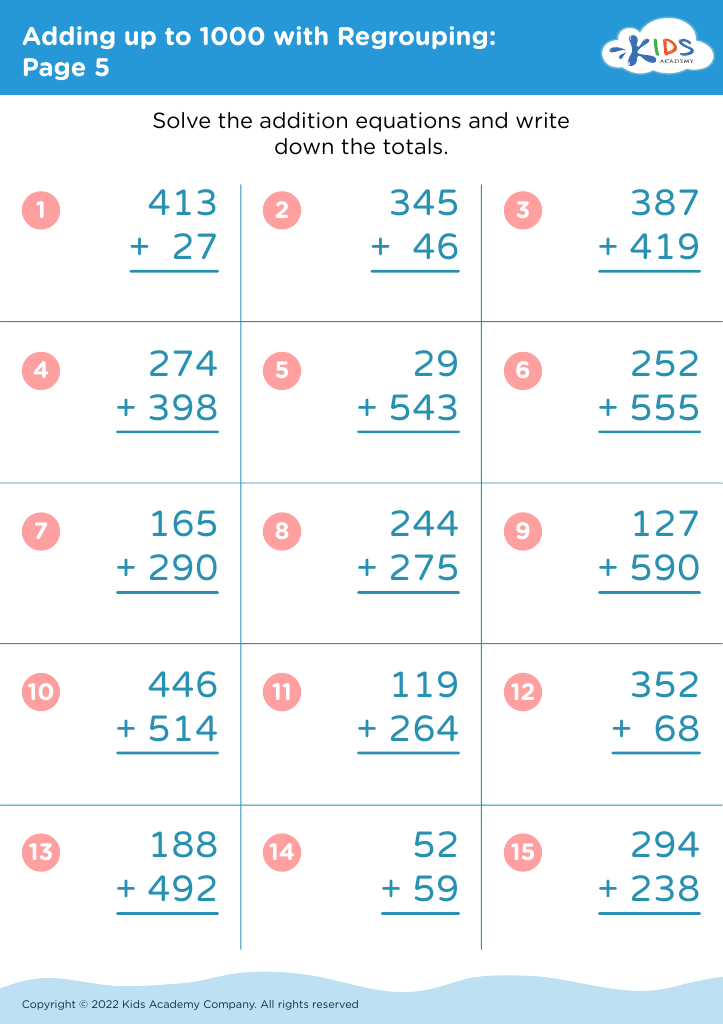
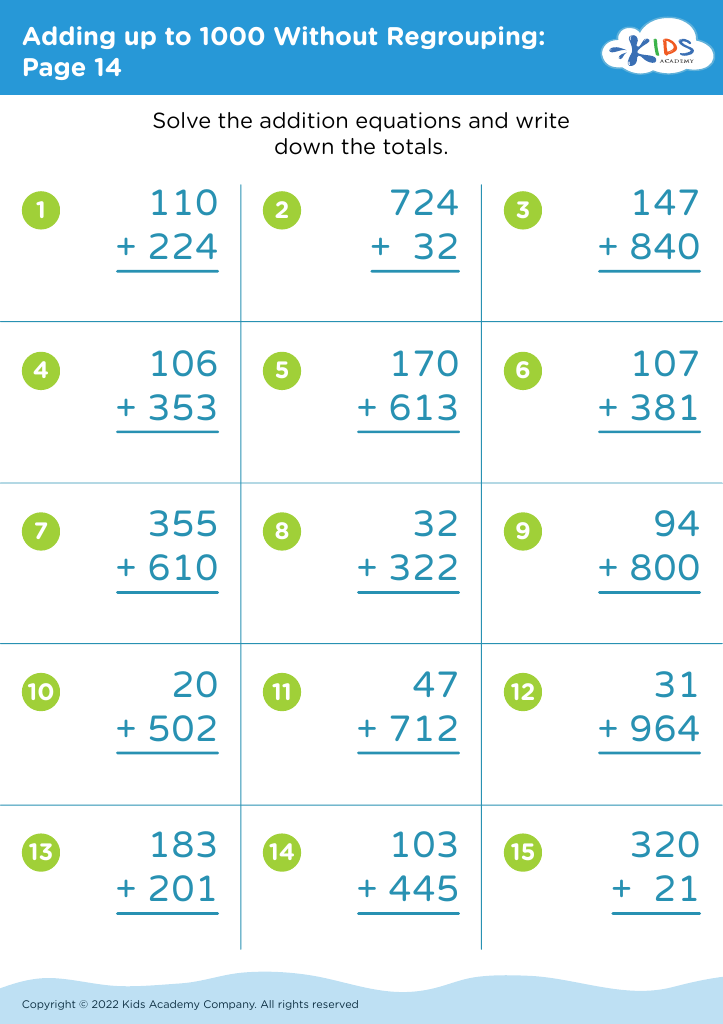
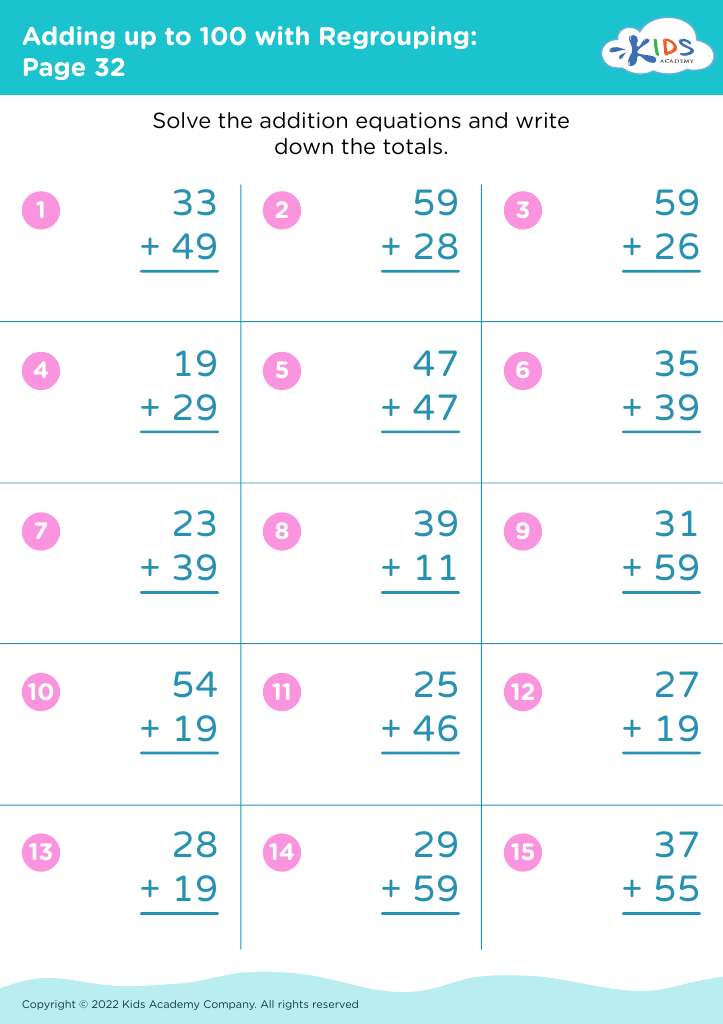
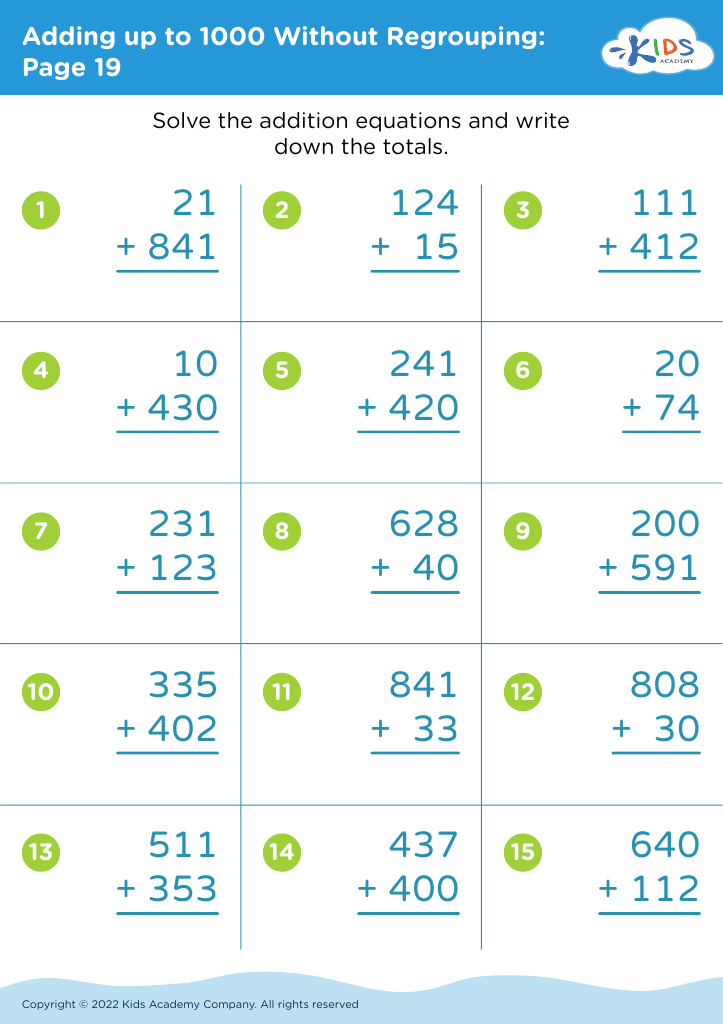
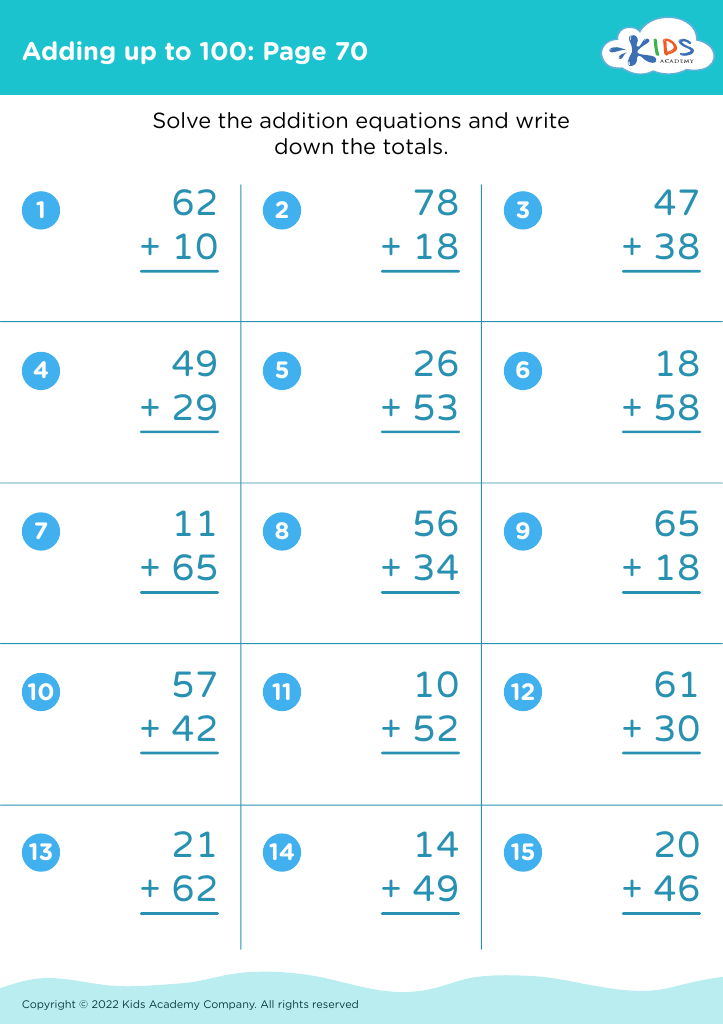
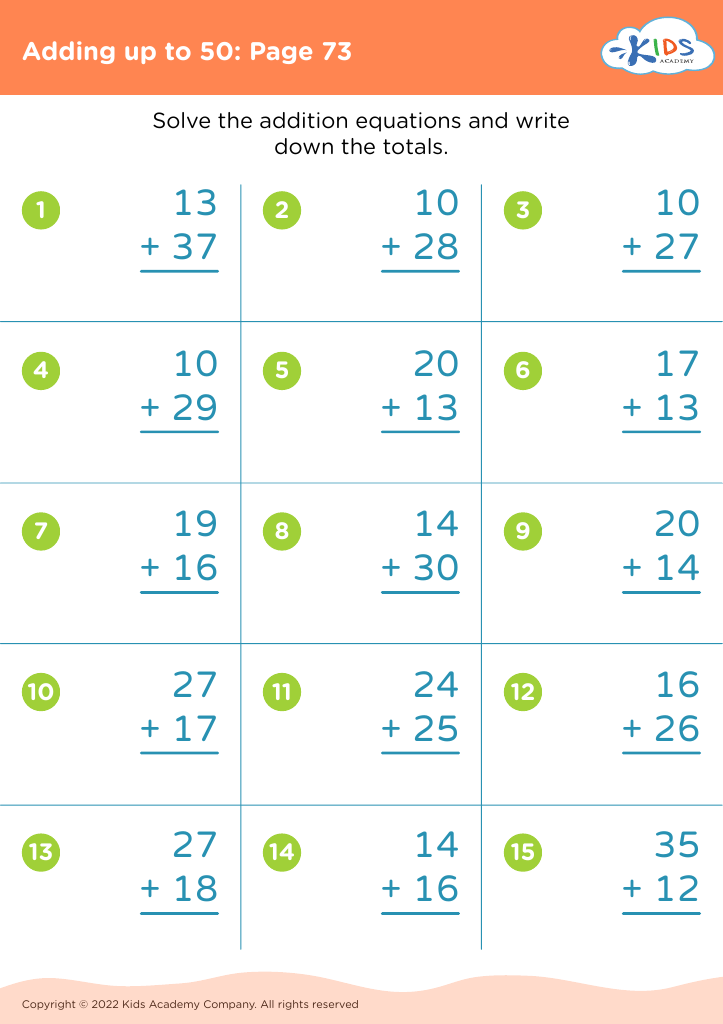
Introduce your child to the world of colors and numbers with our Color Recognition Addition Worksheets, designed specifically for ages 4-9. These engaging worksheets blend essential math skills with vibrant colors to enhance learning and make addition fun! Children will practice identifying colors while solving addition problems, fostering their mathematical abilities alongside color recognition. Perfect for parents and educators, these worksheets are suitable for classrooms and home learning environments! Explore a variety of activities that promote cognitive development and boost your child’s confidence in math. Download and watch your little learners thrive as they color their way to mastering addition!
Favorites
With answer key
Interactive
Join Kids Academy for Free
Who is primarily going to use this learning content?






.jpg)

Color recognition and addition are foundational skills for children ages 4-9 that go hand-in-hand in early childhood education. Learning to identify colors helps children develop their cognitive abilities and enhances their observational skills. It forms the basis for more complex concepts such as categorization and pattern recognition, fostering a sense of order in their surroundings. Understanding colors also enriches children's language development as they learn to describe objects, express preferences, and share experiences.
Equally important, addition skills encourage critical thinking as children begin to grasp numerical concepts through play and hands-on experiences. Engaging with numbers through tangible objects, like colorful blocks or counting games, helps children visualize and understand mathematical principles. This not only builds confidence but also promotes problem-solving abilities and perseverance in the face of challenges.
When parents and teachers emphasize both color recognition and addition, they create a holistic learning environment. This integrated approach fosters early numeracy skills and artistic expression, supports social interaction through collaborative play, and prepares children for future academic success. Ultimately, these skills enable children to thrive in more complex subjects later on, making them essential areas of focus in early childhood education.








