Drawing skills Addition Worksheets for Ages 4-9
6 filtered results
-
From - To
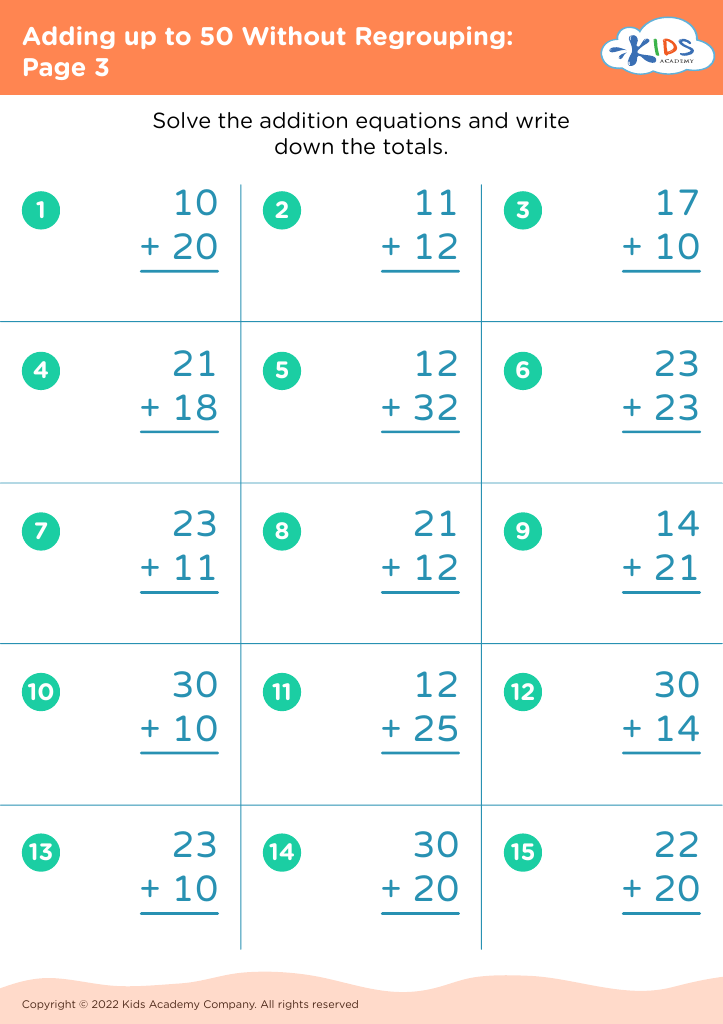
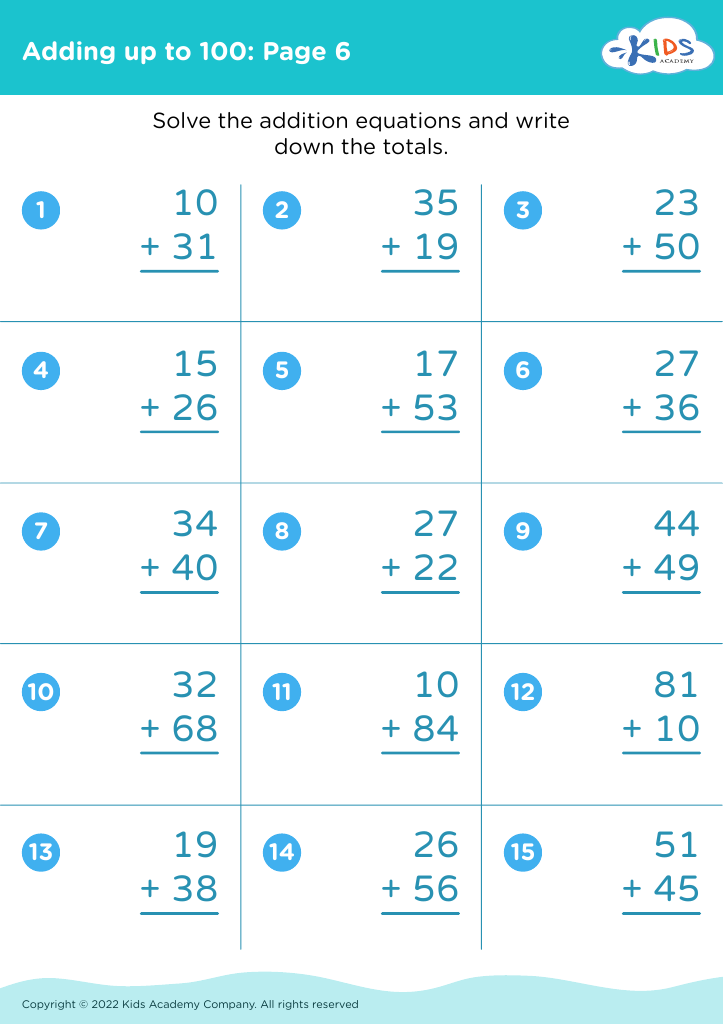
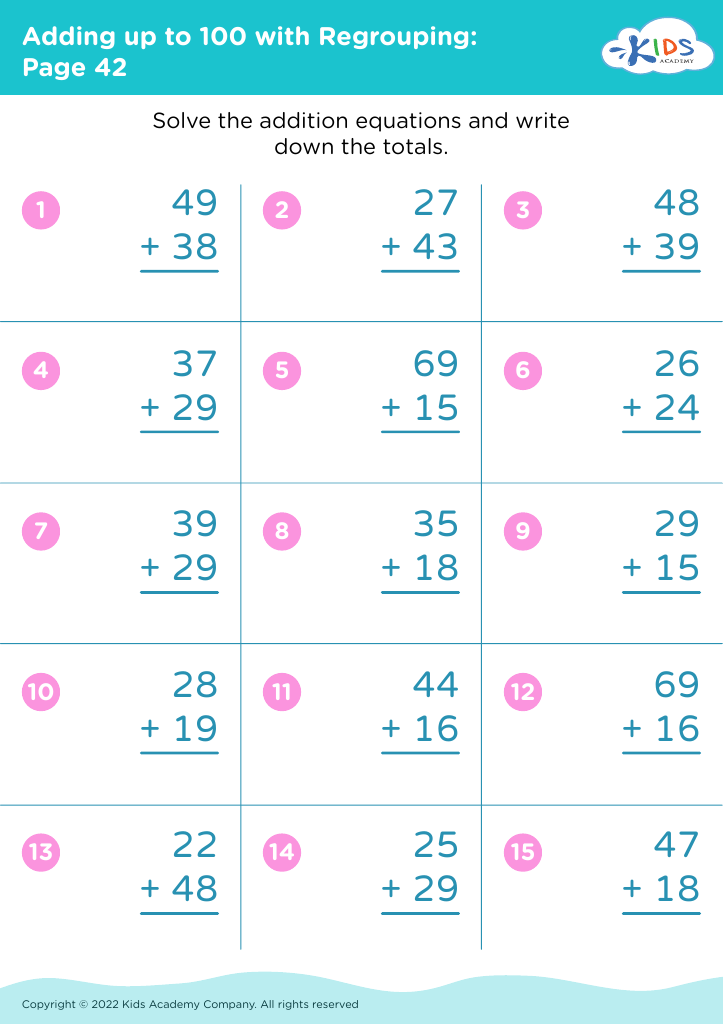
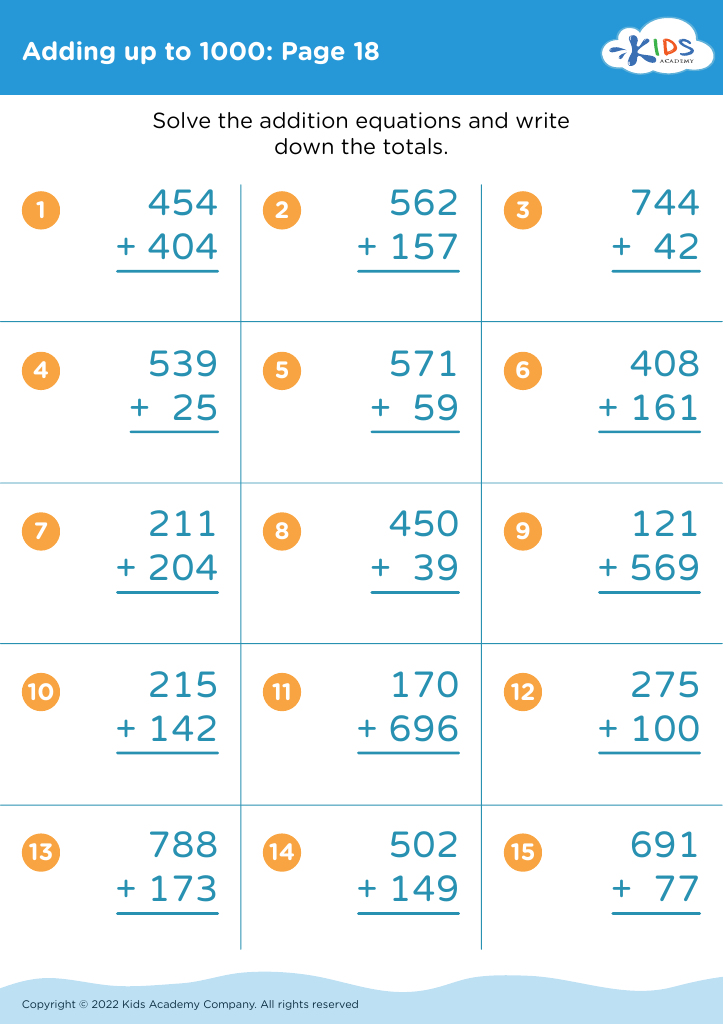
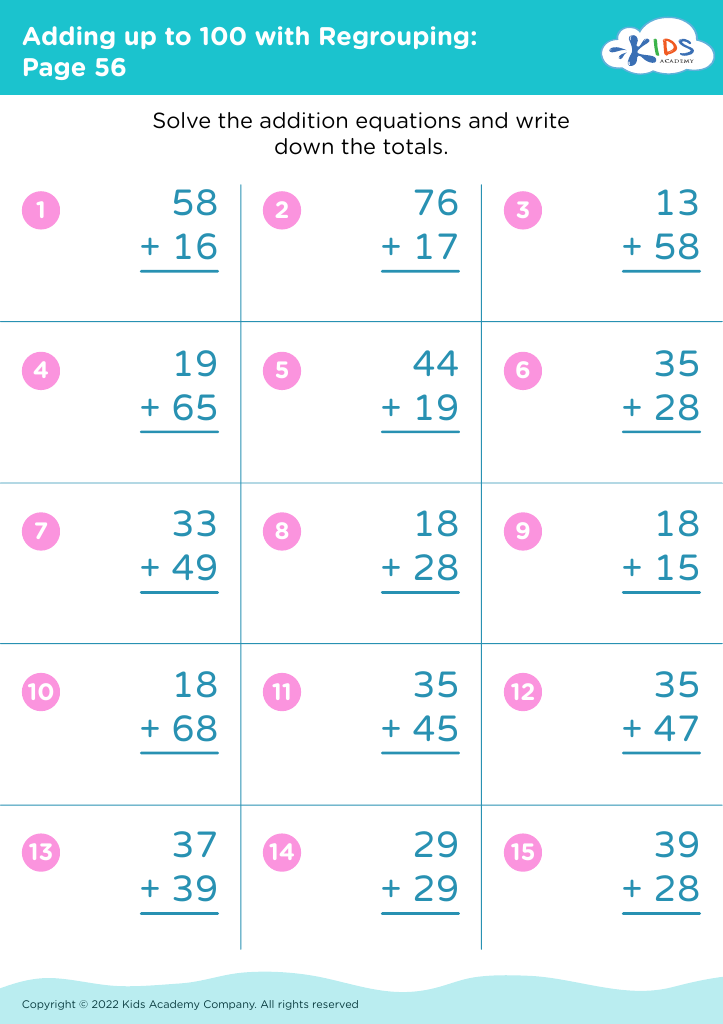
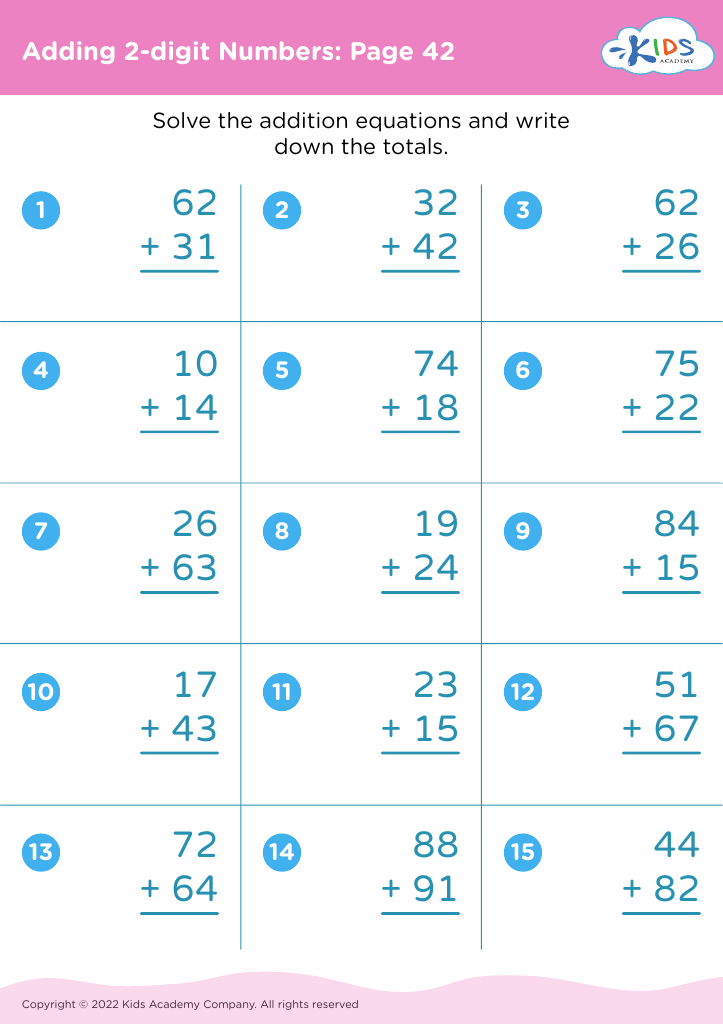
Enhance your child’s creativity and math abilities with our Drawing Skills Addition Worksheets for ages 4-9! These engaging worksheets combine the fun of drawing with essential addition practice to make learning enjoyable. Perfectly tailored for young learners, each worksheet features delightful illustrations to color and simple addition problems, helping children develop fine motor skills and basic arithmetic simultaneously. Ideal for both classroom and at-home activities, these printables will inspire a love for math and art. Visit Kids Academy to discover our rich collection of educational resources designed to support your child’s learning journey!


.jpg)





Drawing skills are essential for children aged 4-9 because they play a fundamental role in their cognitive, emotional, and social development. For one, drawing aids in fine motor skill development, enhancing hand-eye coordination and precision in hand movements. This improves their ability to write and perform other daily tasks requiring dexterity.
Cognitively, drawing is a form of visual thinking. By illustrating their ideas, children enhance creativity and problem-solving skills. It also helps with language development as kids tend to tell stories about their drawings, expanding their vocabulary and enabling better communication.
Emotionally, drawing provides a healthy outlet for self-expression. Children might find it easier to communicate feelings and experiences through images rather than words. This can be particularly beneficial for those who are shy or have trouble verbally expressing themselves, offering insights into their inner world.
Socially, when children draw with peers or share their artwork, it fosters collaboration and reinforces positive social skills such as sharing, empathy, and seeking feedback. Discussing and interpreting each other's drawings can also improve their understanding and acceptance of diverse perspectives.
Thus, integrating drawing into early education enriches children's overall development, making it a critical component for parents and teachers to encourage.








