Fine Motor Skills Addition Worksheets for Ages 4-9 - Page 3
69 filtered results
-
From - To
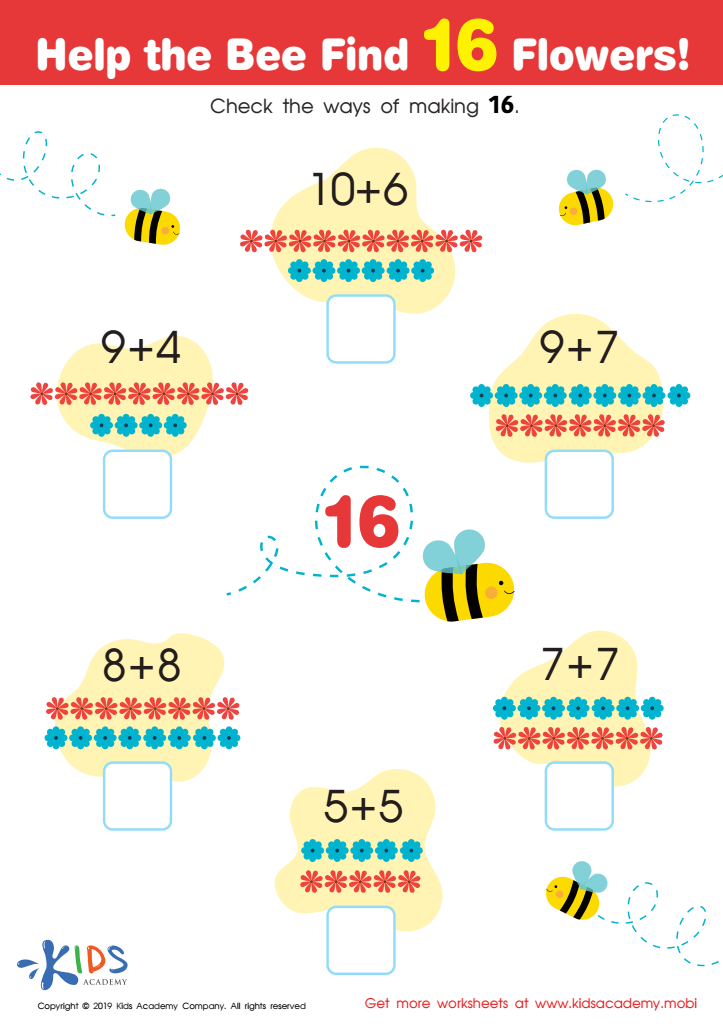
Help the Bee Find 16 Flowers Worksheet
 Assign to My Students
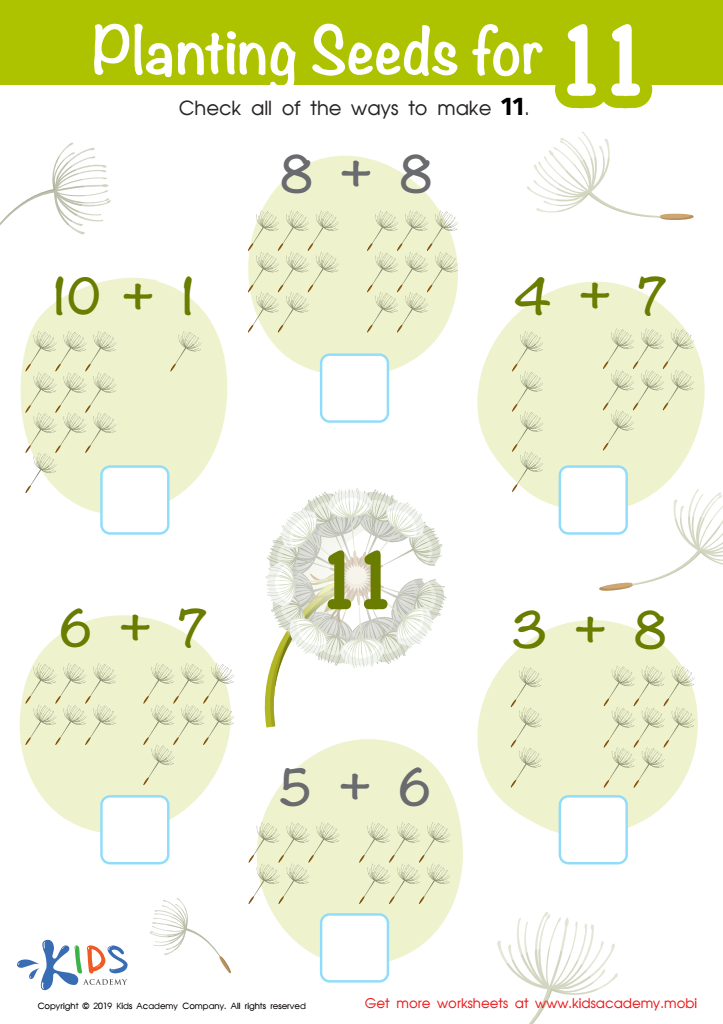
Planting Seeds for 11 Worksheet
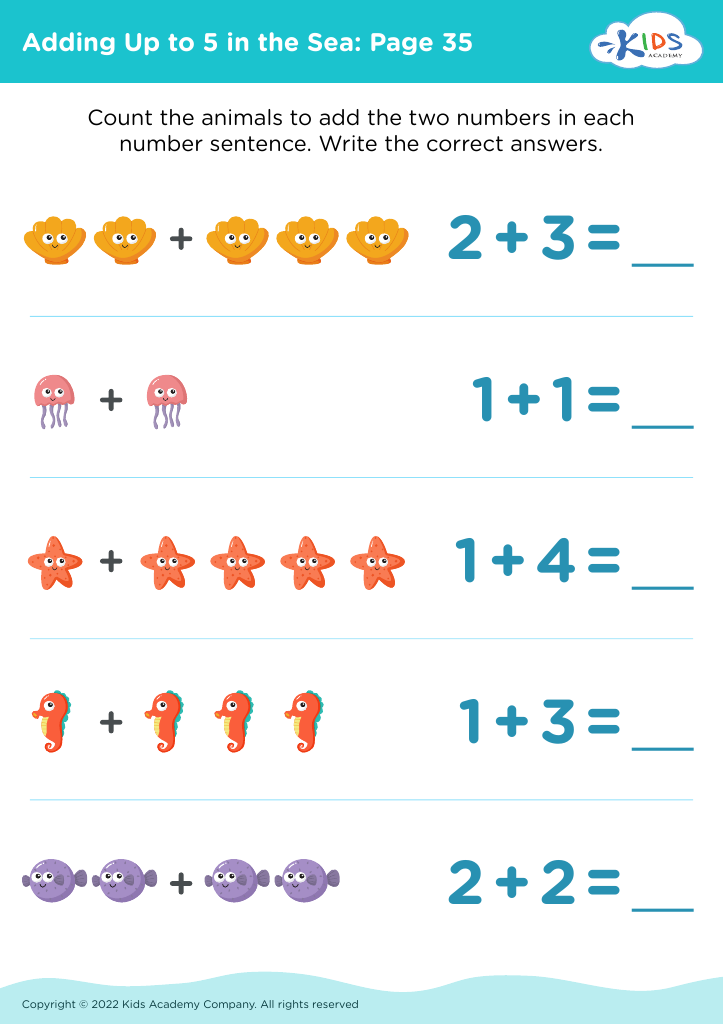
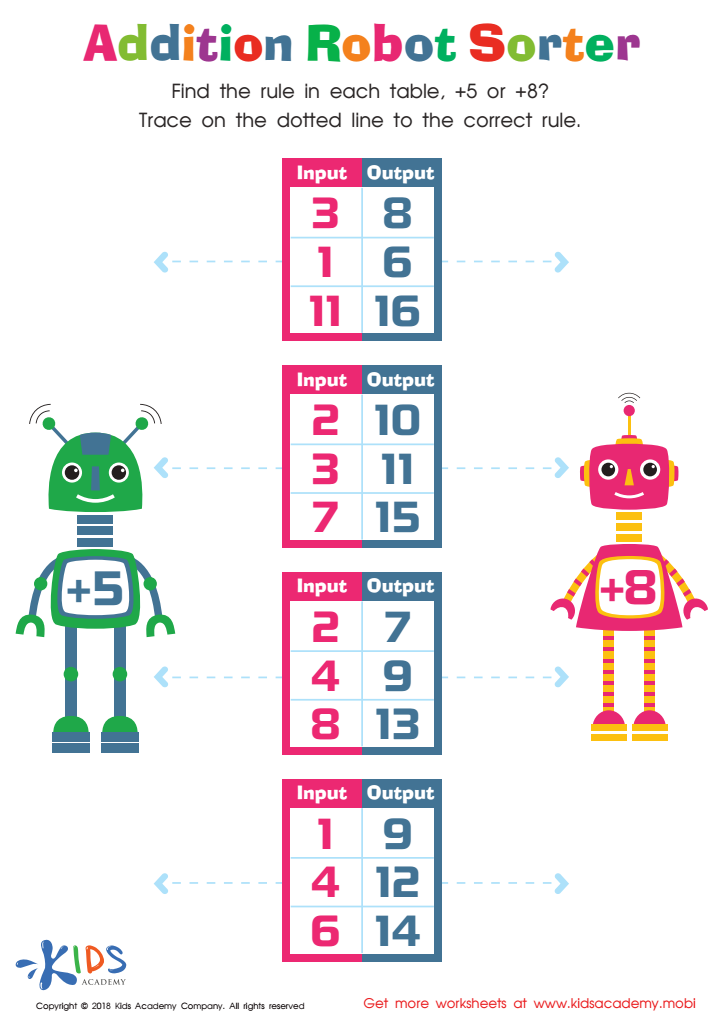
Addition Robot Sorter Worksheet
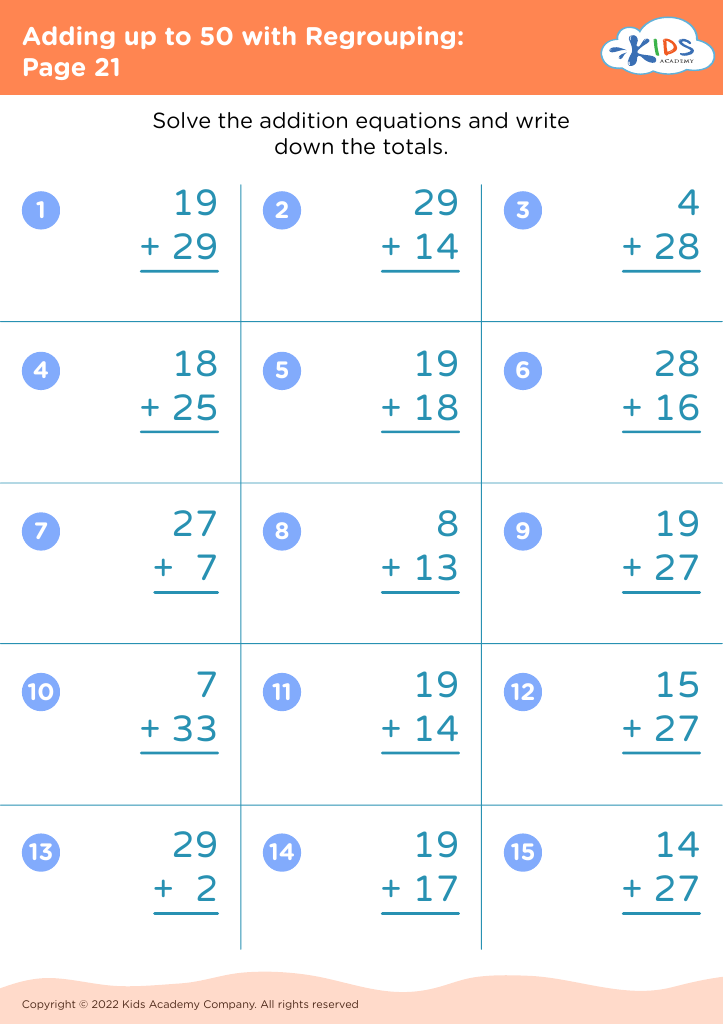
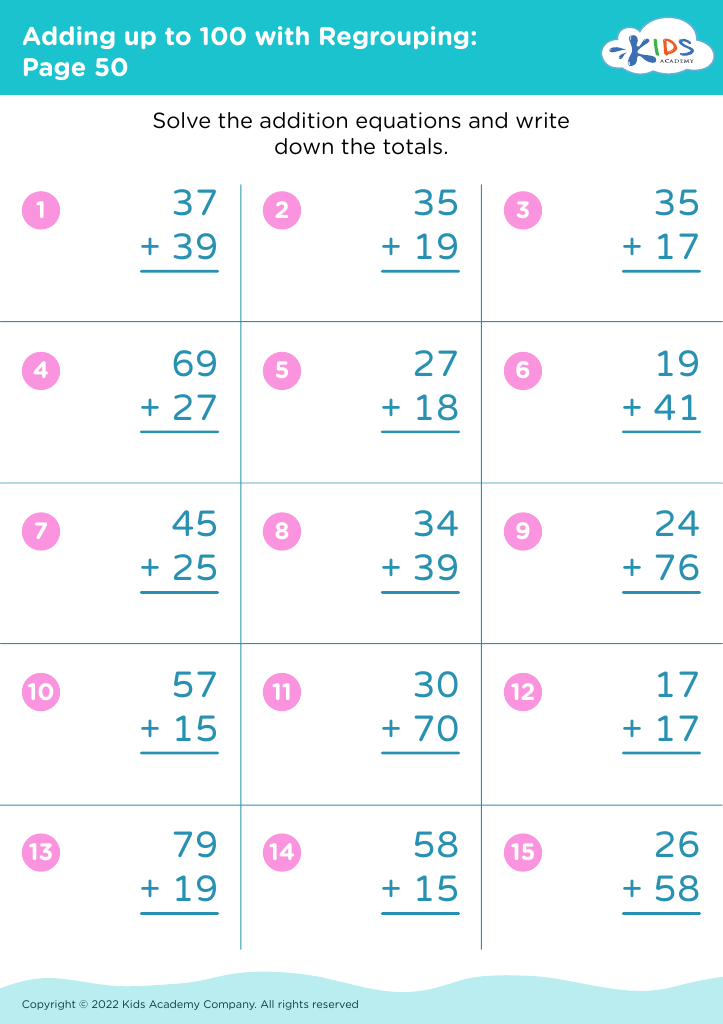

Adding in the Arctic Worksheet
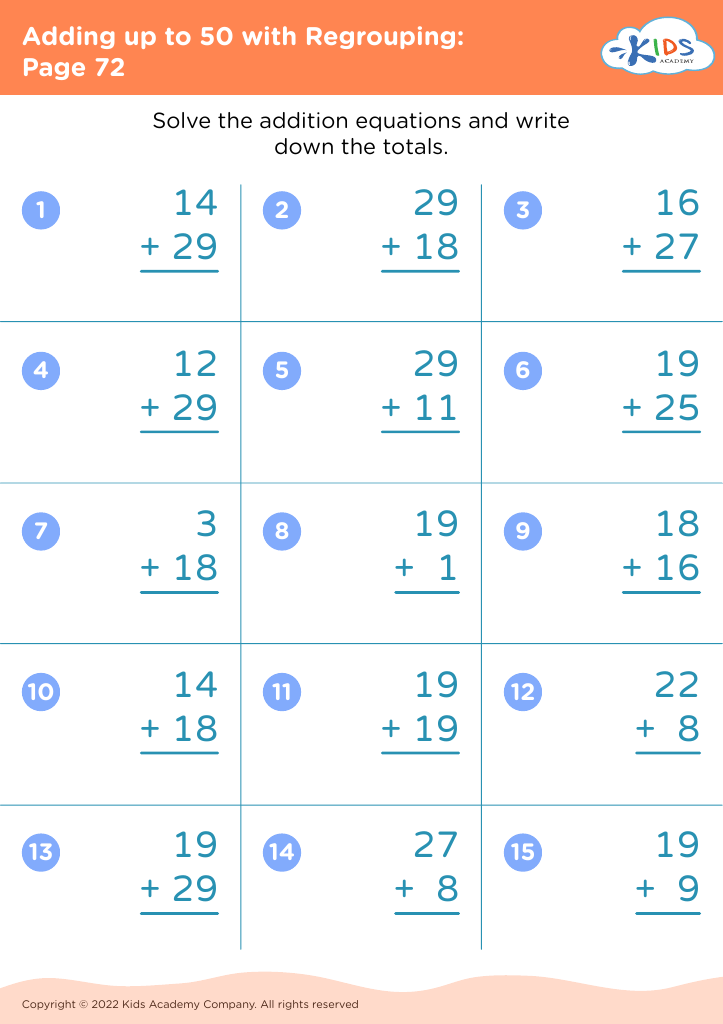
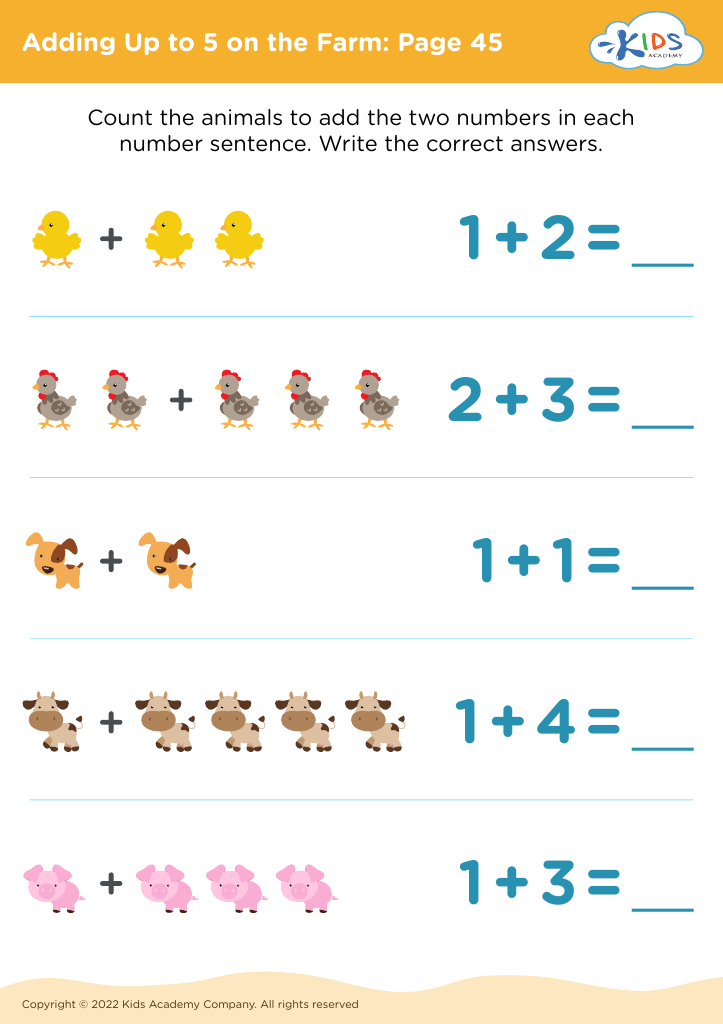
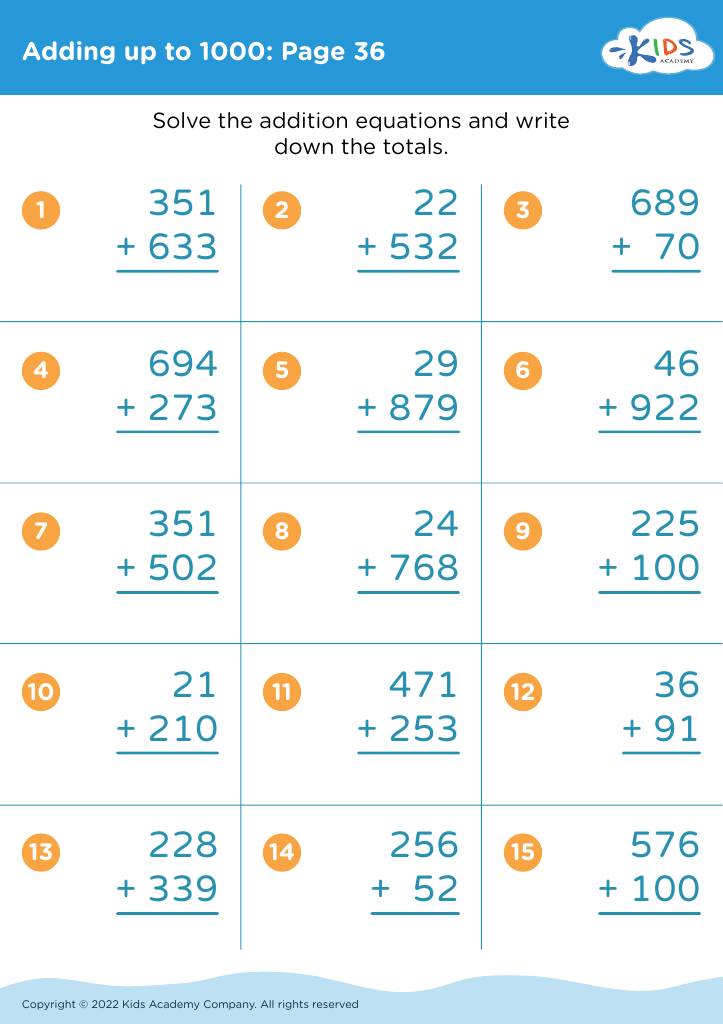








Fine motor skills are essential for children aged 4 to 9 as they form the foundation for many daily activities and academic tasks. These skills involve the coordinated movements of small muscles in the hands and fingers, enabling children to perform actions such as writing, drawing, buttoning clothes, and using scissors. As children engage in fine motor activities, they develop hand strength, dexterity, and precision, all critical for successful learning experiences.
Parents and teachers should care about strengthening fine motor skills because they directly impact a child's readiness for school and overall confidence. Mastering these skills enhances a child's ability to participate in classroom tasks, such as writing and art projects, fostering creativity and expression. Additionally, fine motor development supports cognitive growth; tasks requiring precision often involve problem-solving and critical thinking.
Moreover, well-developed fine motor skills promote social interactions as children collaborate on projects or play together, building teamwork and communication abilities. By prioritizing fine motor skill activities—like crafting, drawing, or playing with building blocks—adults can significantly influence children's developmental trajectories, laying the groundwork for long-term academic success and personal growth. Encouraging these skills early on can lead to better outcomes in both learning and life.








