Identifying fractions Addition Worksheets for Ages 4-9
4 filtered results
-
From - To
Discover a fun and engaging way to introduce your child to identifying fractions with our addition worksheets, designed specifically for ages 4-9. These interactive activities help young learners grasp the fundamentals of fractions through exciting visual aids, helping them to understand parts of a whole. Our worksheets provide step-by-step instructions and colorful illustrations to keep kids motivated while enhancing their math skills. Ideal for home practice or classroom use, these resources support your child’s academic growth while building confidence in their abilities. Explore our collection today and watch your little ones excel in their understanding of fractions and addition!
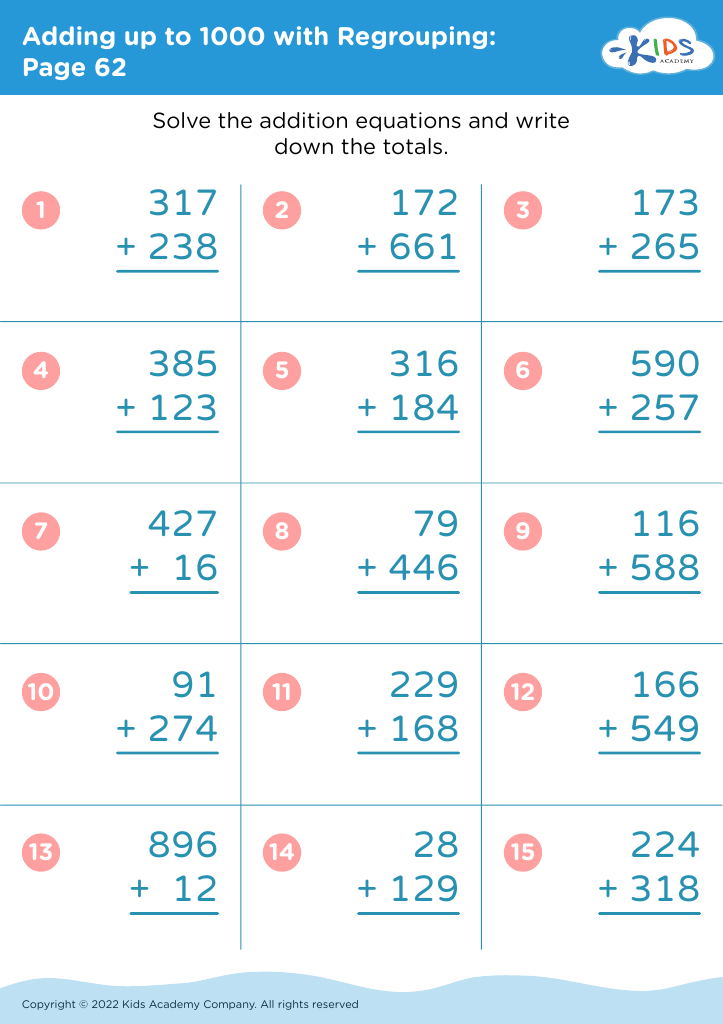
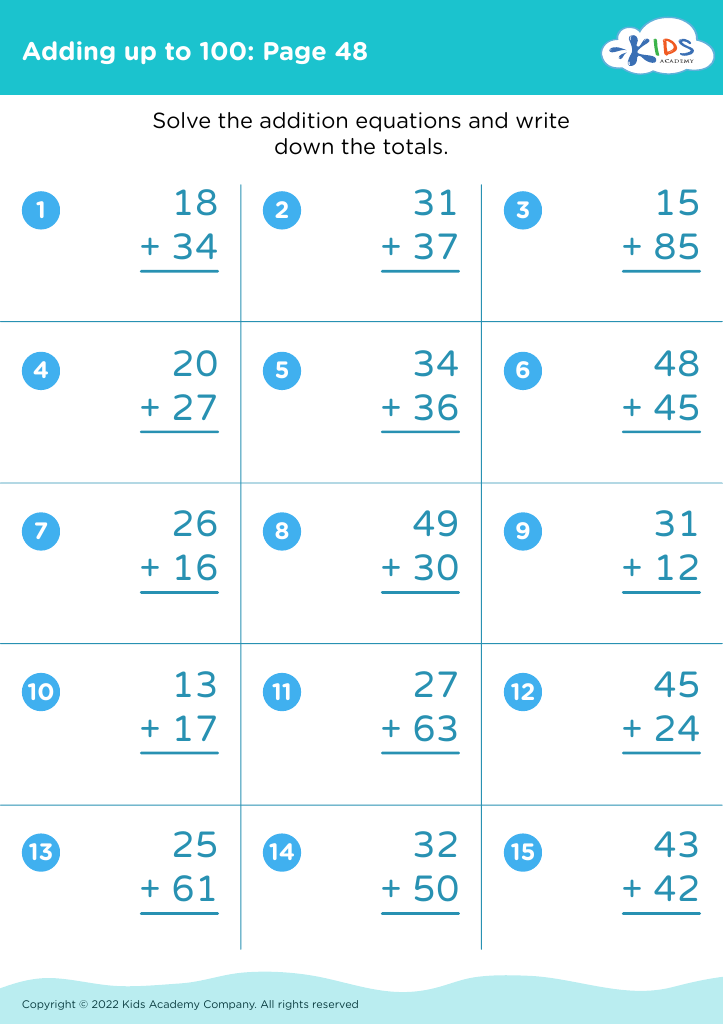
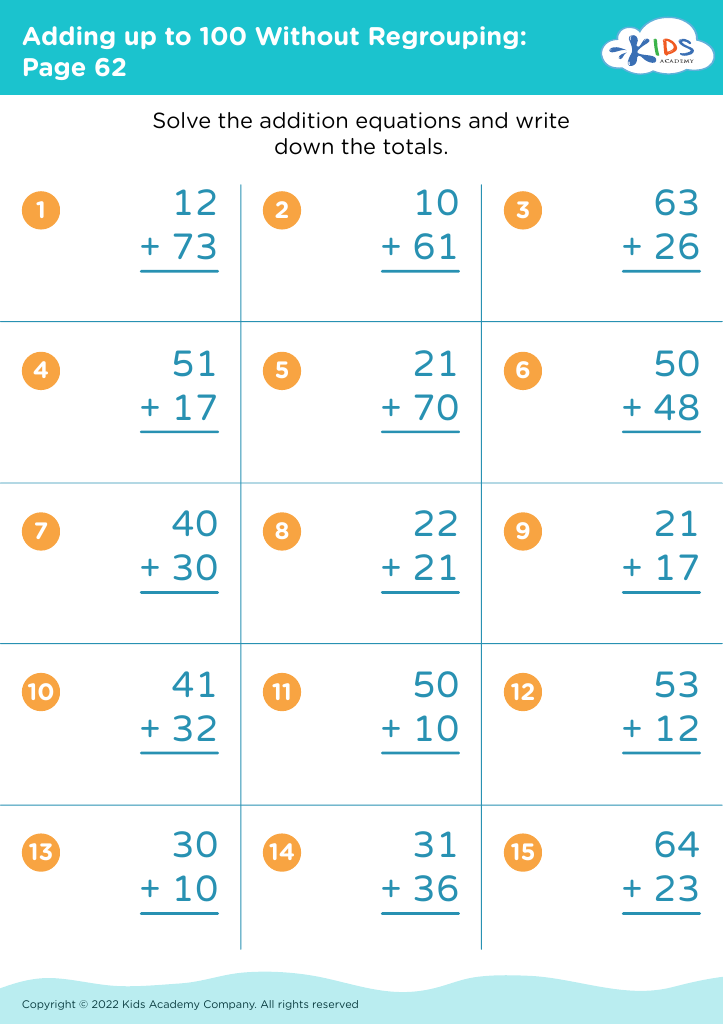
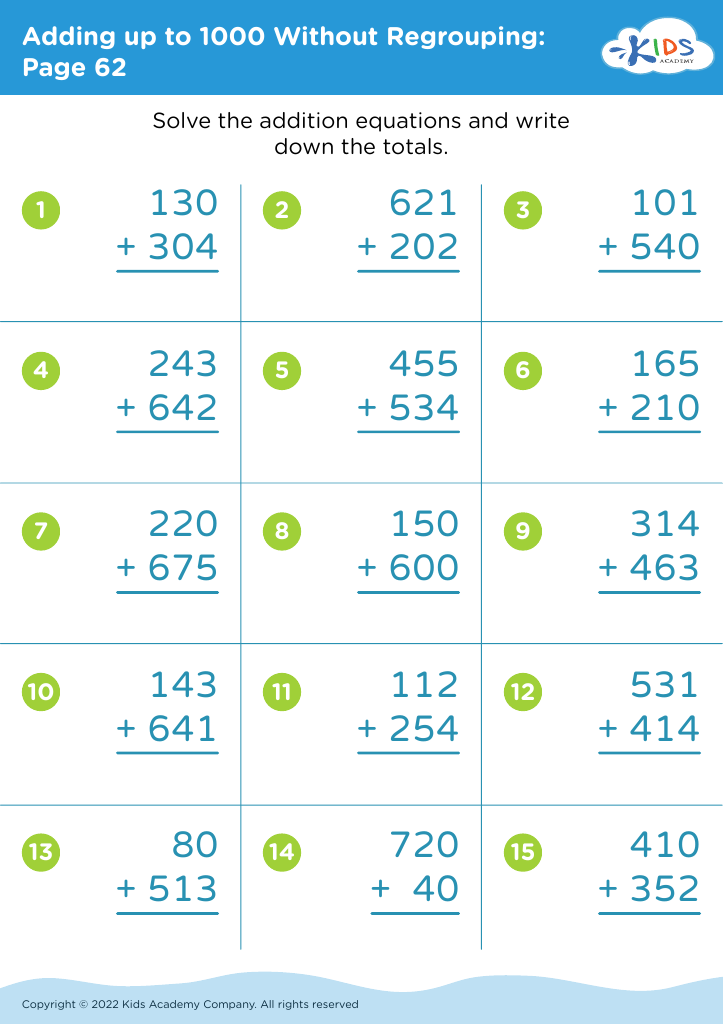








Identifying fractions and mastering their addition is essential for children aged 4-9 as it lays a strong foundation for understanding mathematics in later years. At this early developmental stage, children begin to grasp basic math concepts, and introducing fractions helps them relate numbers to parts of a whole. Recognizing fractions encourages critical thinking and problem-solving skills, essential components of math proficiency.
Moreover, understanding fractions can enhance a child's ability to work with larger numbers and more complex concepts in the future, such as ratios and percentages. Engaging with fractions also supports cognitive development, fostering spatial awareness as they learn to visualize parts in relation to wholes.
Parents and teachers should care about children's ability to identify and add fractions because early math skills directly correlate with academic performance later in life. Engaging with fractions can facilitate a positive attitude towards math, helping children build confidence in their abilities.
Ultimately, talking about, playing with, and working on fractions in relatable contexts—like sharing food or dividing toys—can make learning enjoyable. By prioritizing fraction education, adults can nurture a generation of skilled thinkers who see the relevance of math in everyday life.








