
Improve math skills Addition Worksheets for Ages 4-9
17 filtered results
Difficulty Level
Grade
Age
-
From - To
Subject
Activity
Standards
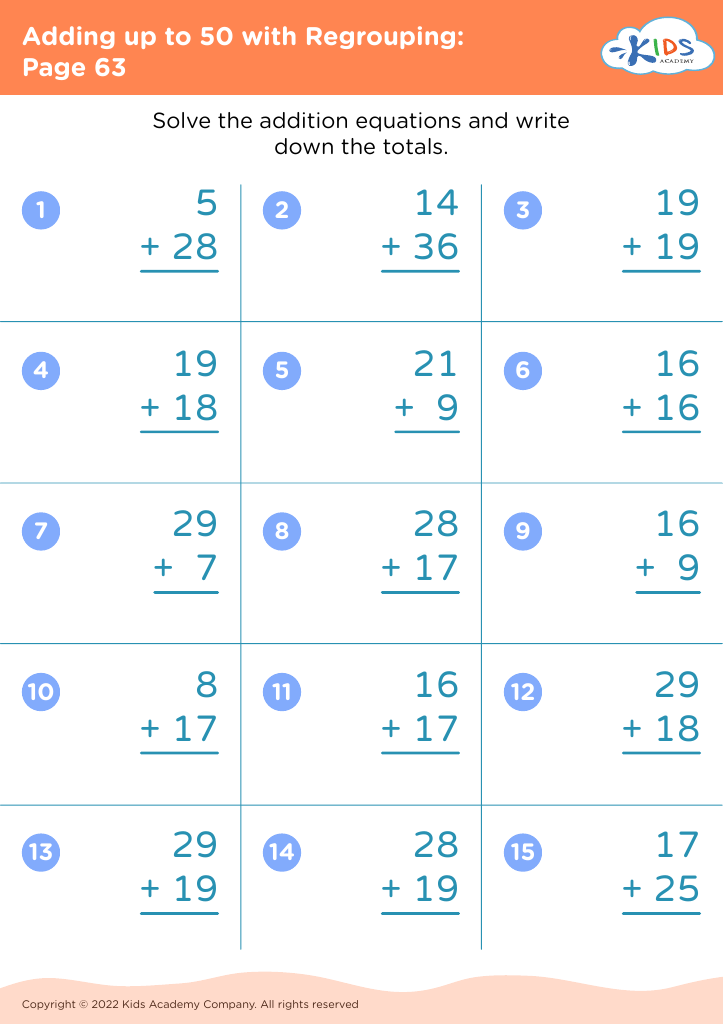
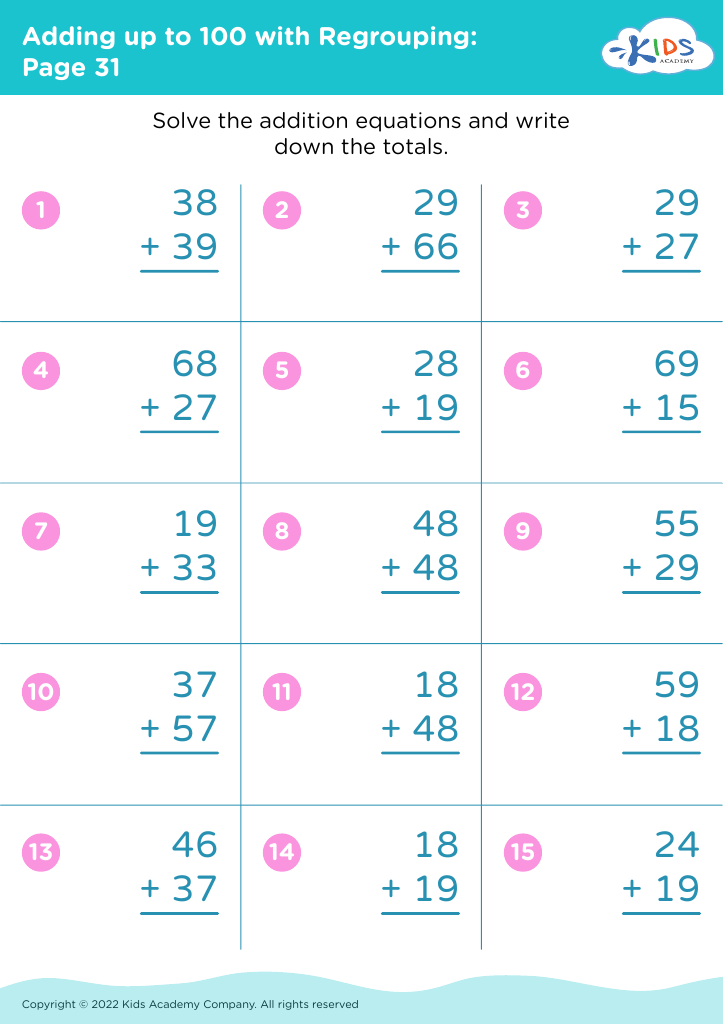
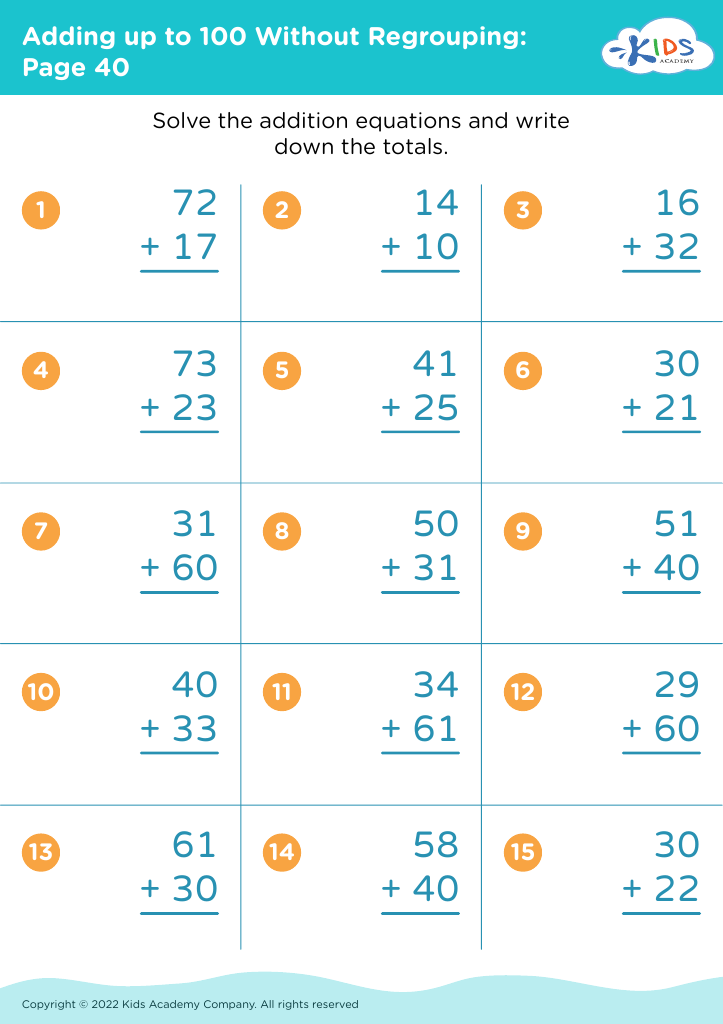
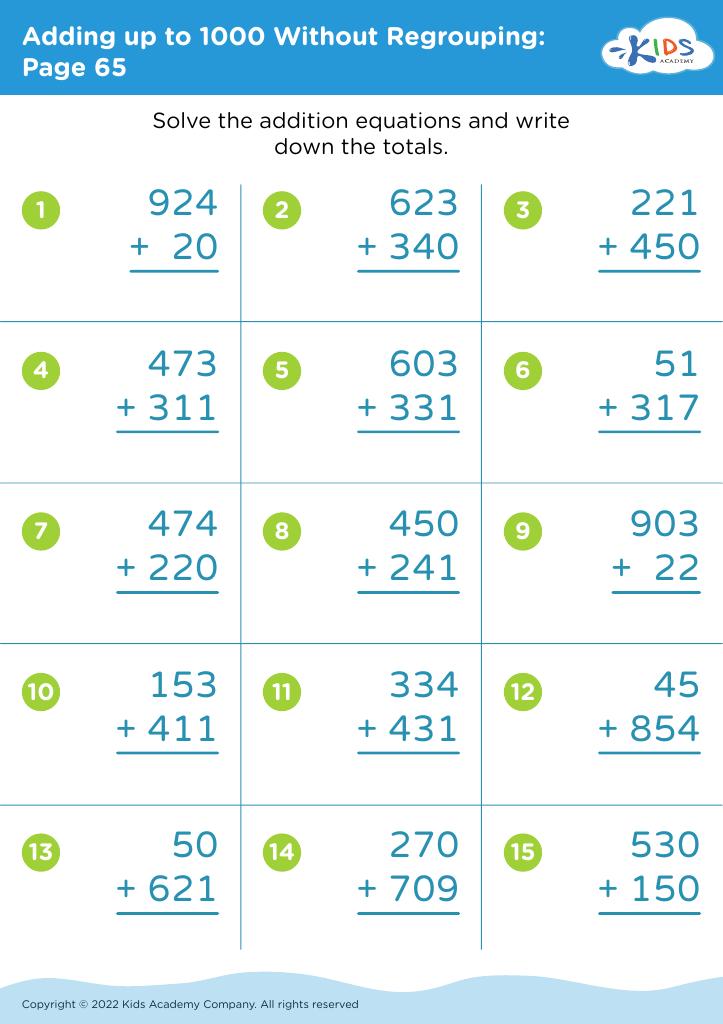
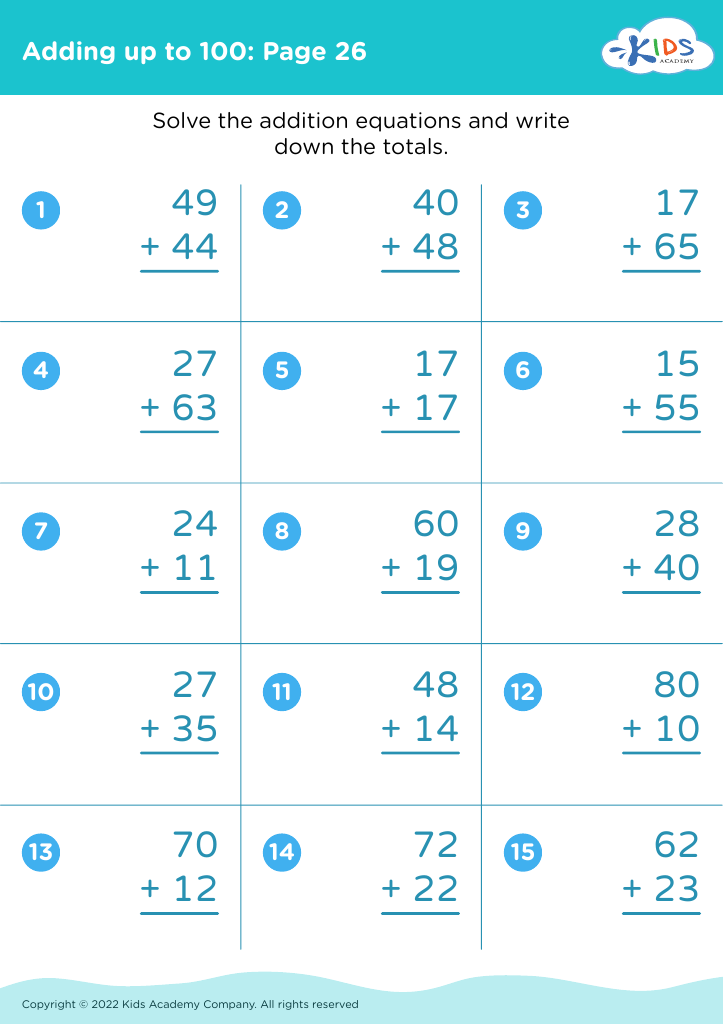
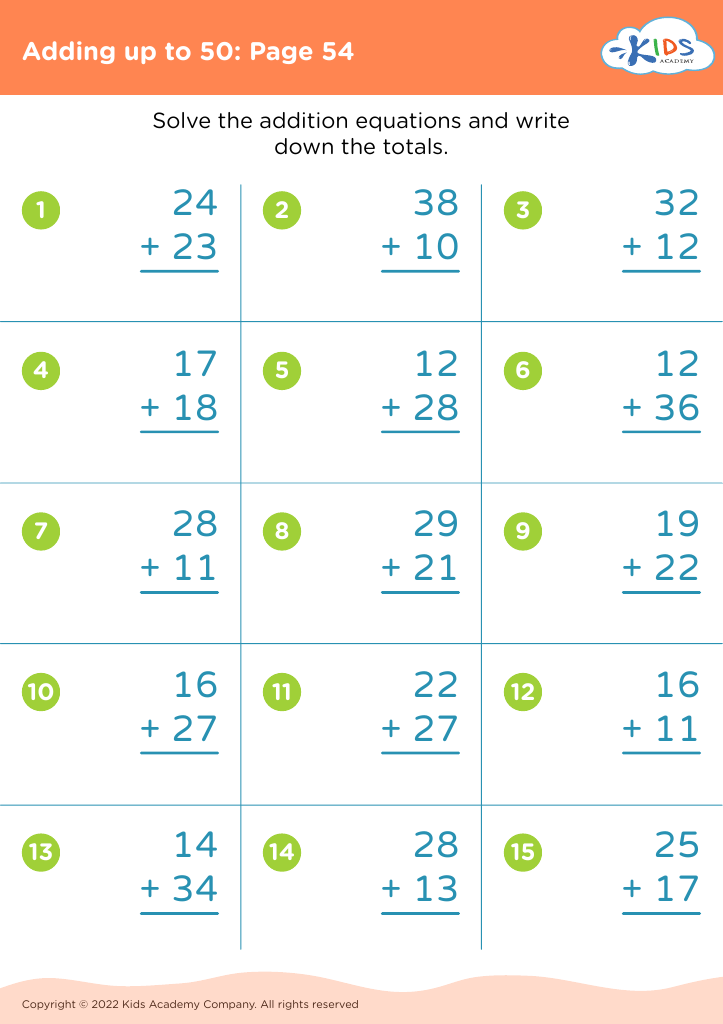
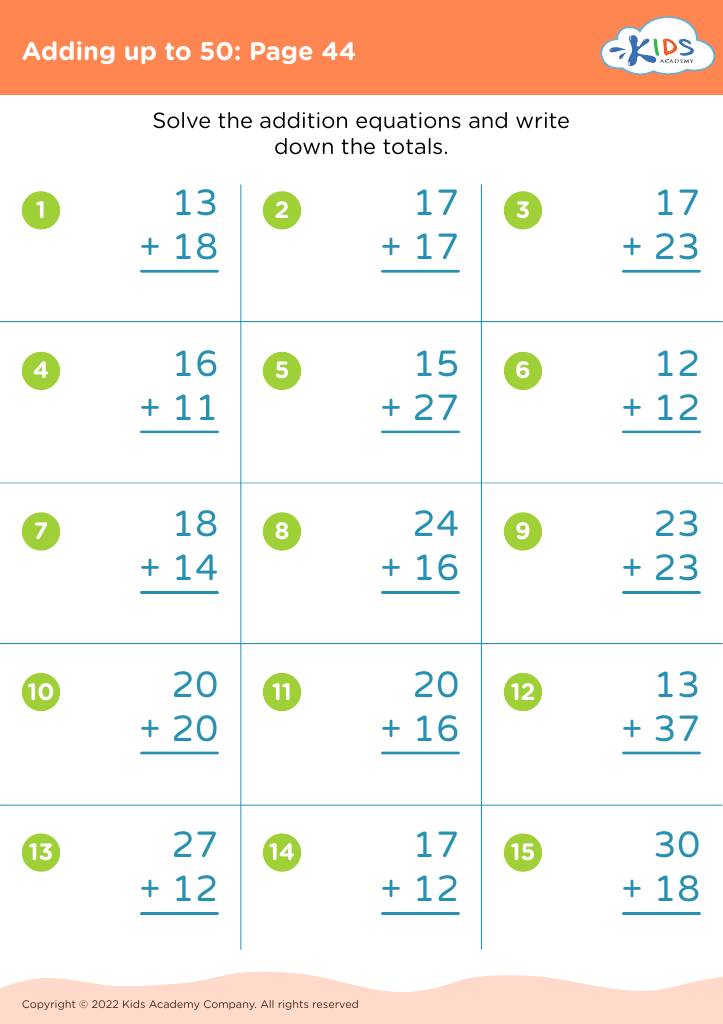
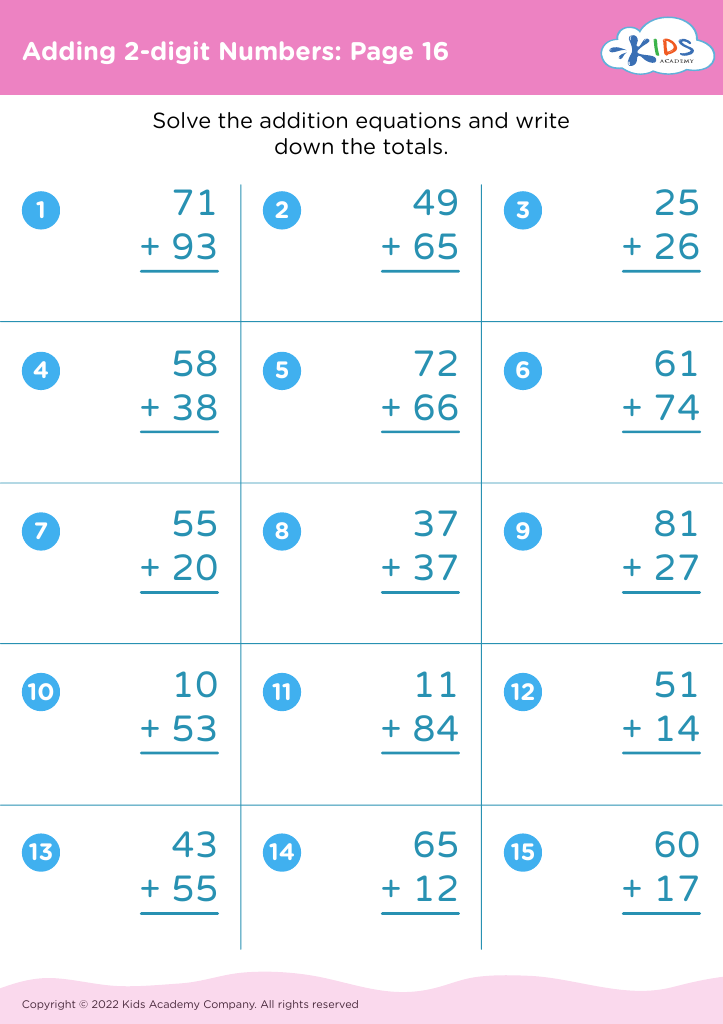
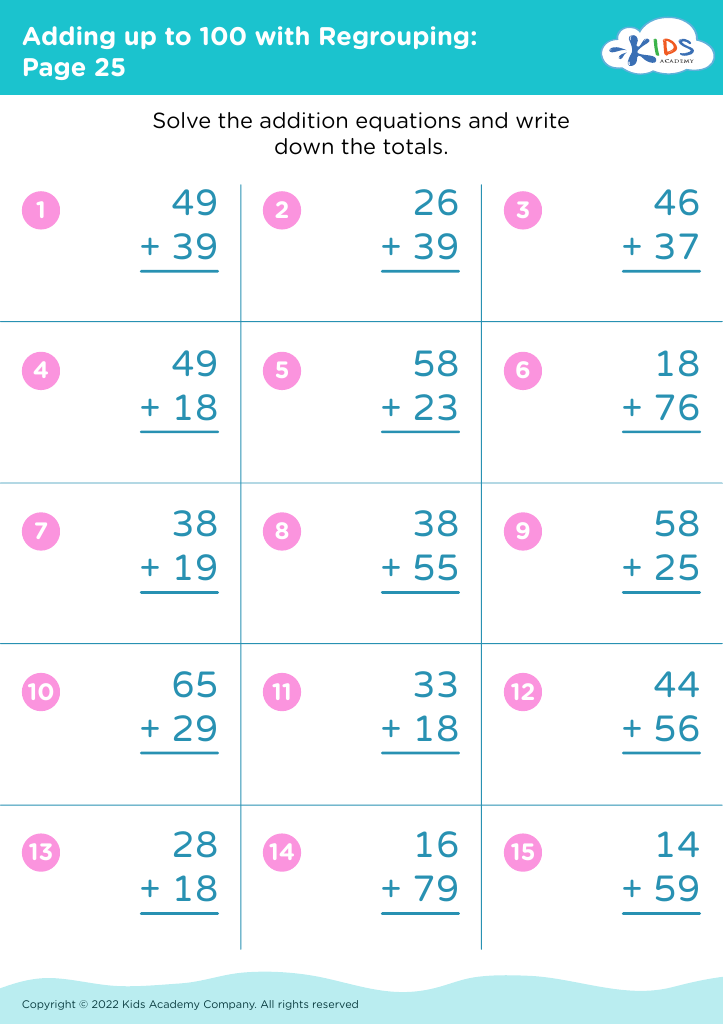
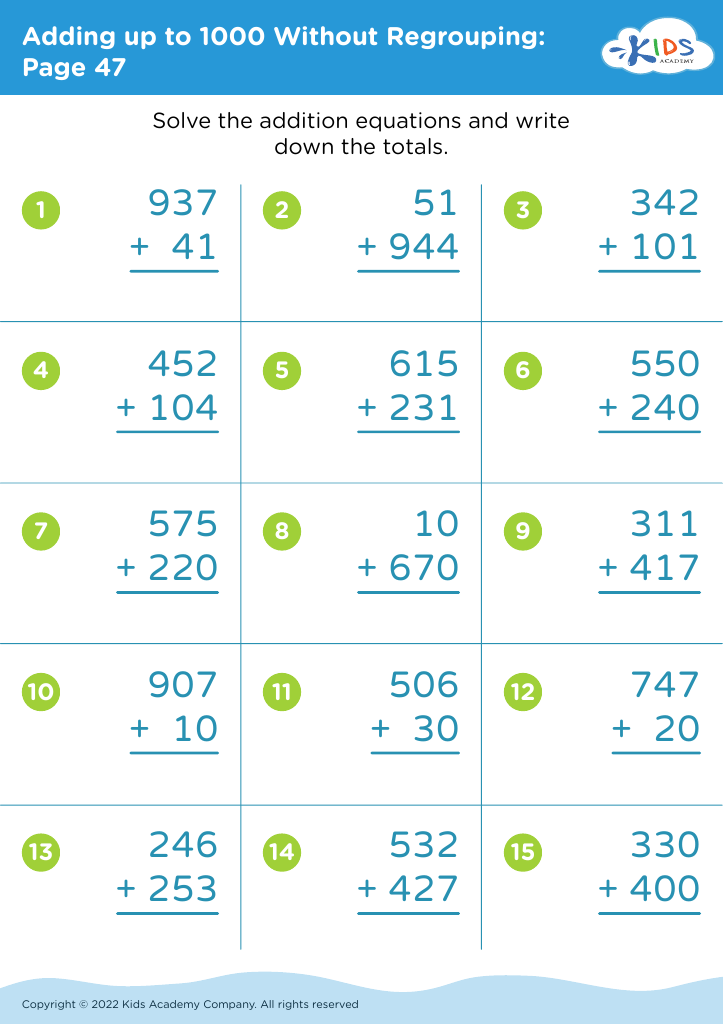
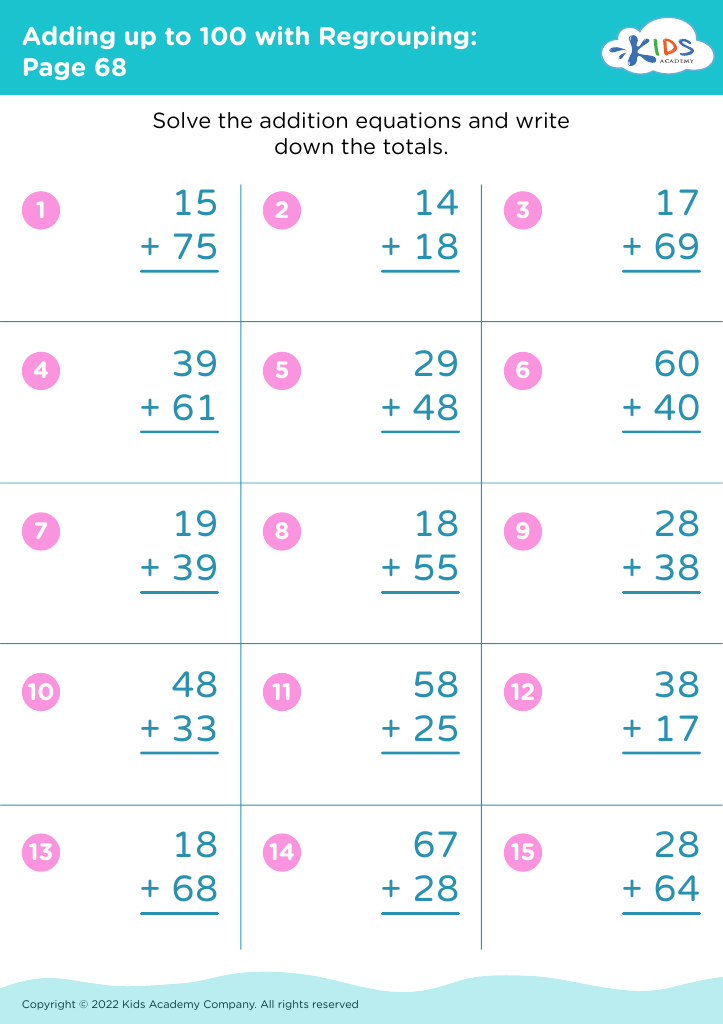
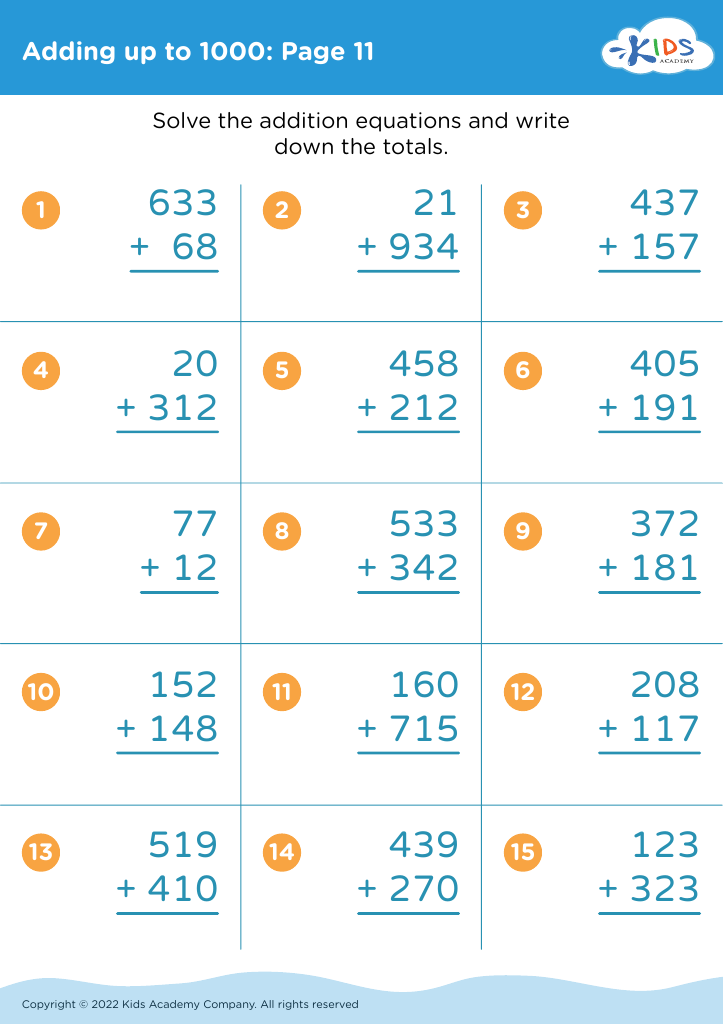
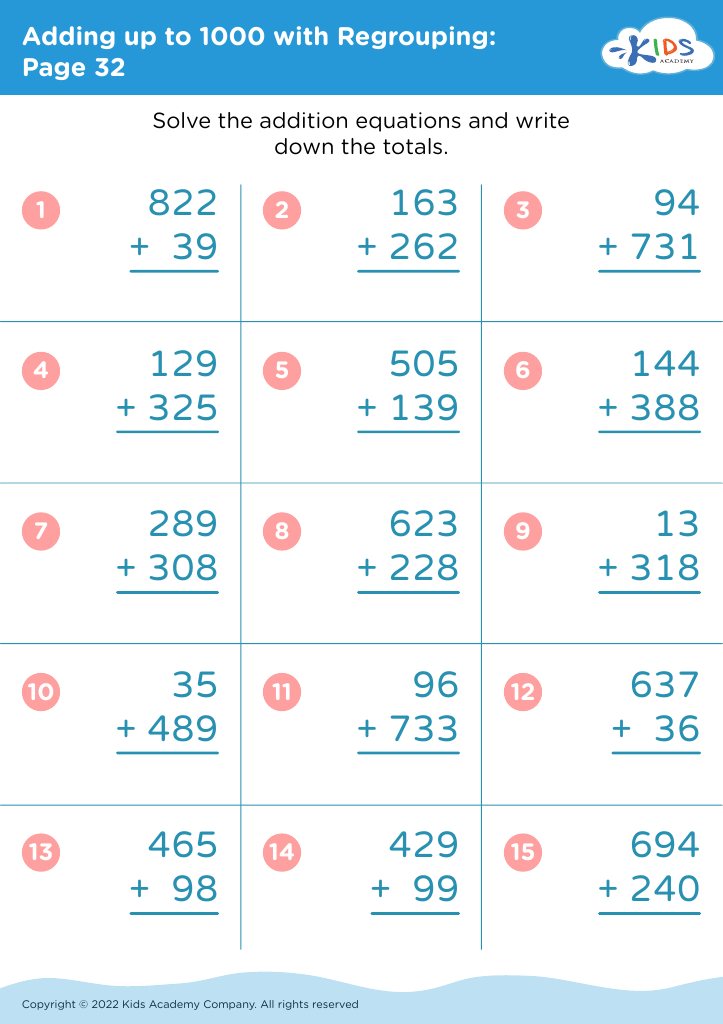
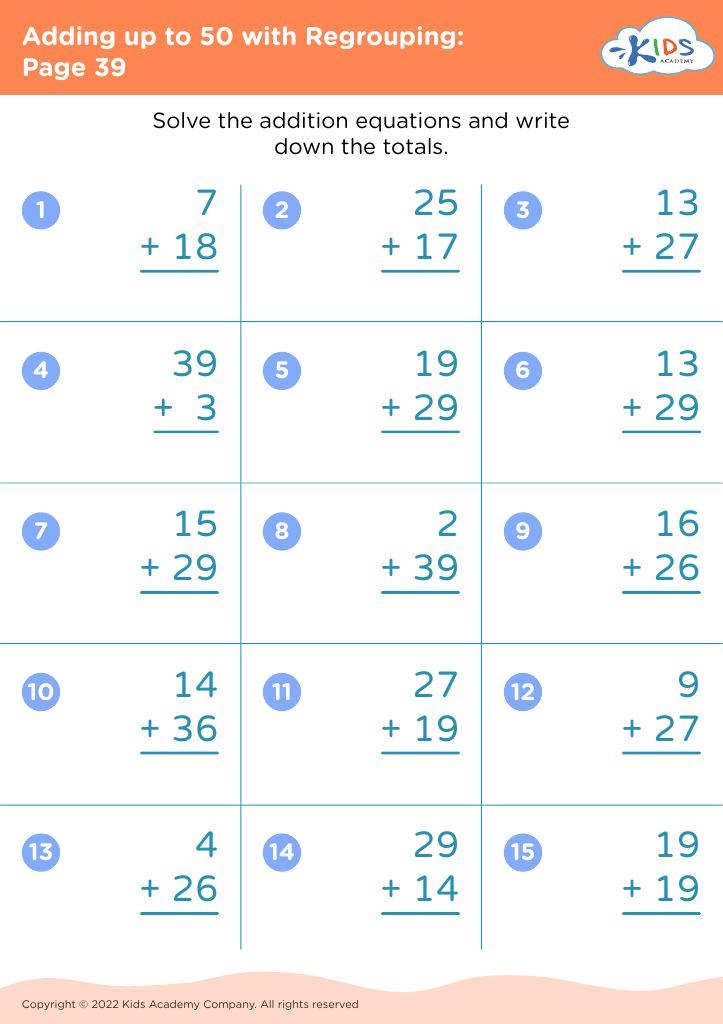
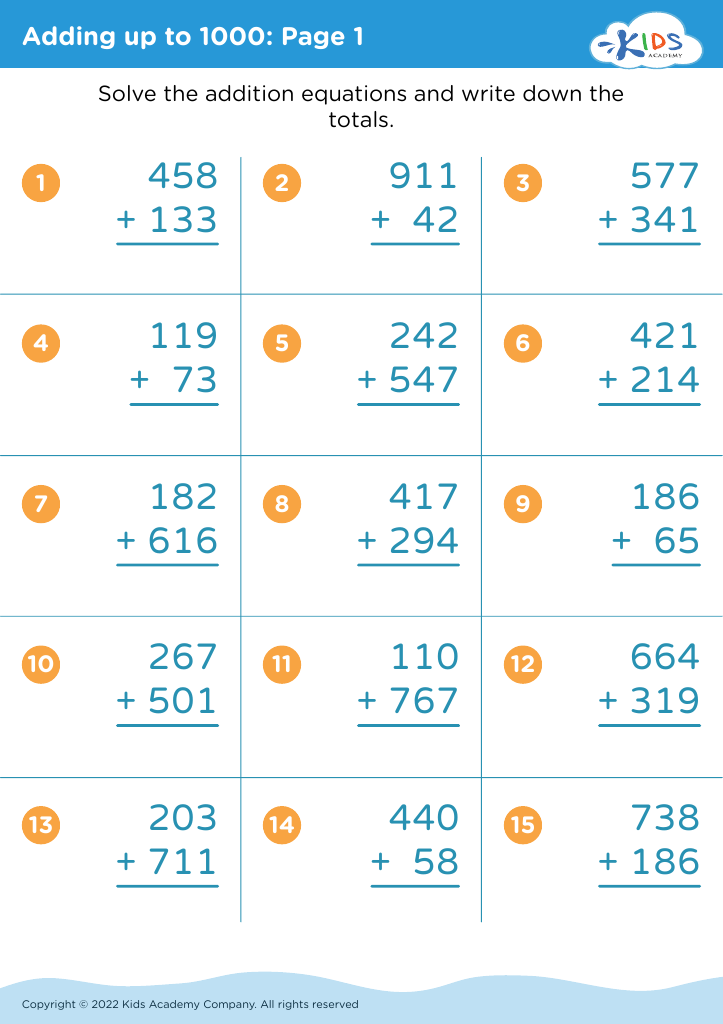
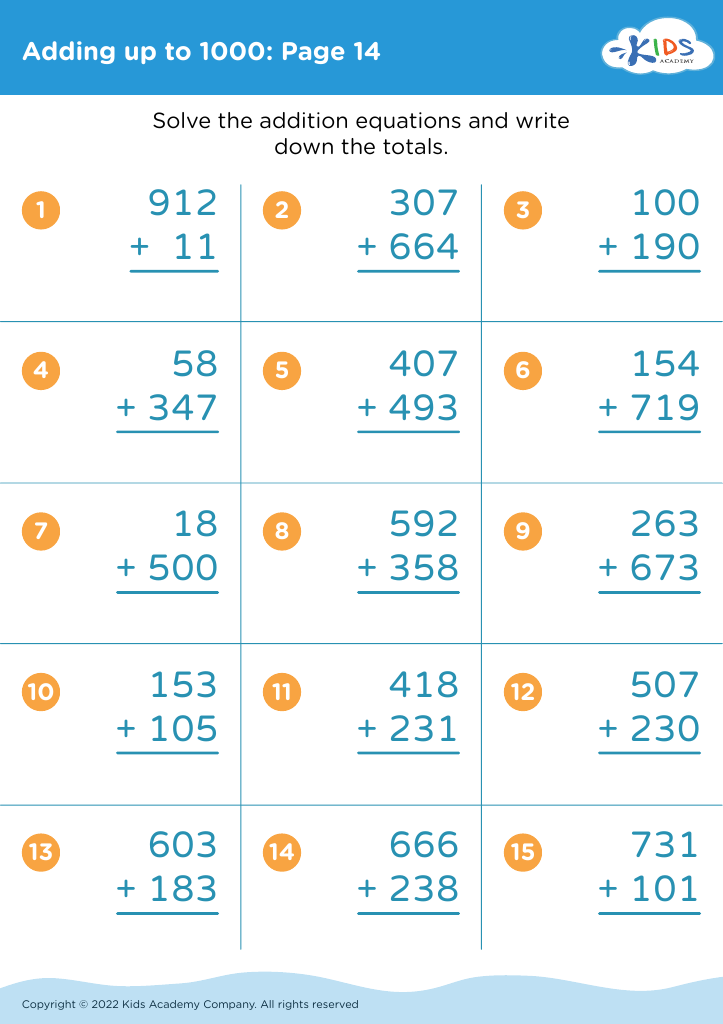
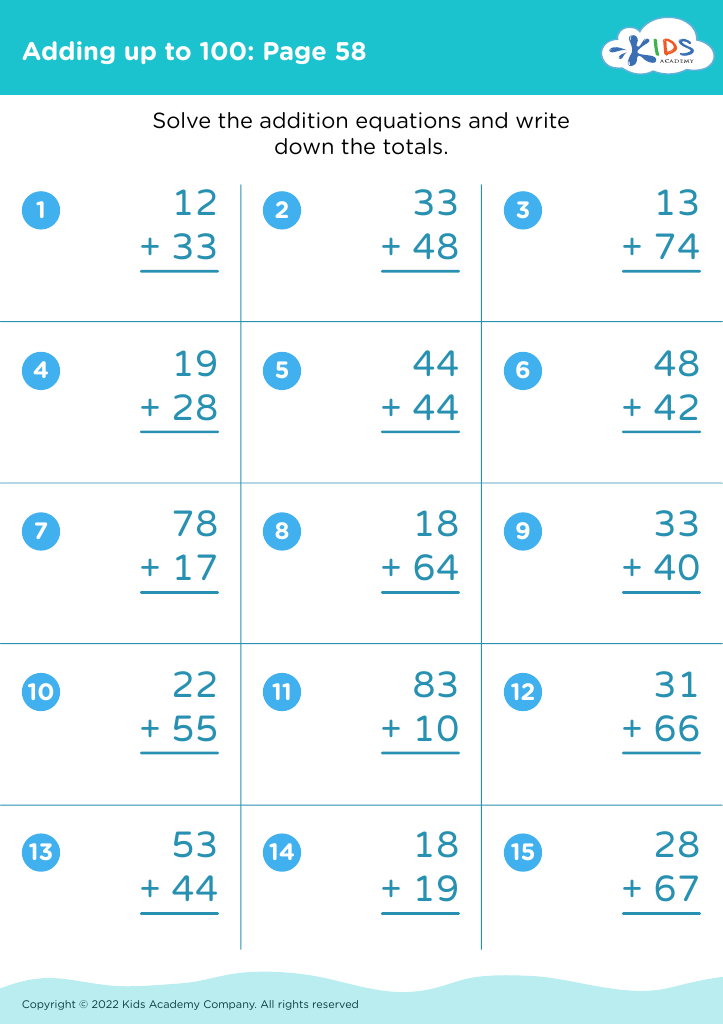
Discover our engaging "Improve Math Skills Addition Worksheets" designed specifically for children aged 4-9! These worksheets provide a fun and interactive way for young learners to enhance their addition skills through colorful illustrations and varied exercises. Each activity is tailored to build confidence and mastery in basic arithmetic concepts, ensuring a solid foundation for future math success. Parents and educators can easily access these printable resources to reinforce learning at home or in the classroom, making math enjoyable. Unleash your child’s potential and transform their understanding of addition with our thoughtfully designed worksheets today!
Favorites
With answer key
Interactive
Join Kids Academy for Free
Who is primarily going to use this learning content?








Improving math skills, particularly addition, for children aged 4-9 is crucial because this foundational ability sets the stage for future academic success. Early math skills are closely linked to overall student achievement; children who grasp basic concepts in addition tend to excel in more advanced mathematics later on.
For parents and teachers, fostering these skills can enhance a child's confidence and problem-solving abilities, providing them with a positive attitude toward learning. Furthermore, early exposure to addition helps develop critical thinking skills, as children learn to relate numbers to real-life situations, encouraging logical reasoning and analytical thought.
Additionally, strengthening addition skills can advance social development; for instance, engaging in math games can promote teamwork and communication among peers. Providing children with ample opportunities to practice and refine these skills encourages perseverance, as they learn that challenges can be overcome with effort and practice.
Lastly, collaborative engagement between parents and teachers is vital. Parents can reinforce learning at home, while teachers can customize lessons to inspire enthusiasm for mathematics. Together, they can ensure that children develop a robust mathematical foundation that not only aids in academic achievement but sets them up for lifelong learning and adaptability in various fields.








