Filters

509 filtered results

Clear all filters
Favorites
With answer key
Interactive

509 filtered results

Difficulty Level

Grade


Subject

    Check out this FREE Trial Lesson on Addition for age 4-9!

    P

    Favorites
    With answer key
    Interactive
    • 4-9
    • Number Recognition
    • Addition
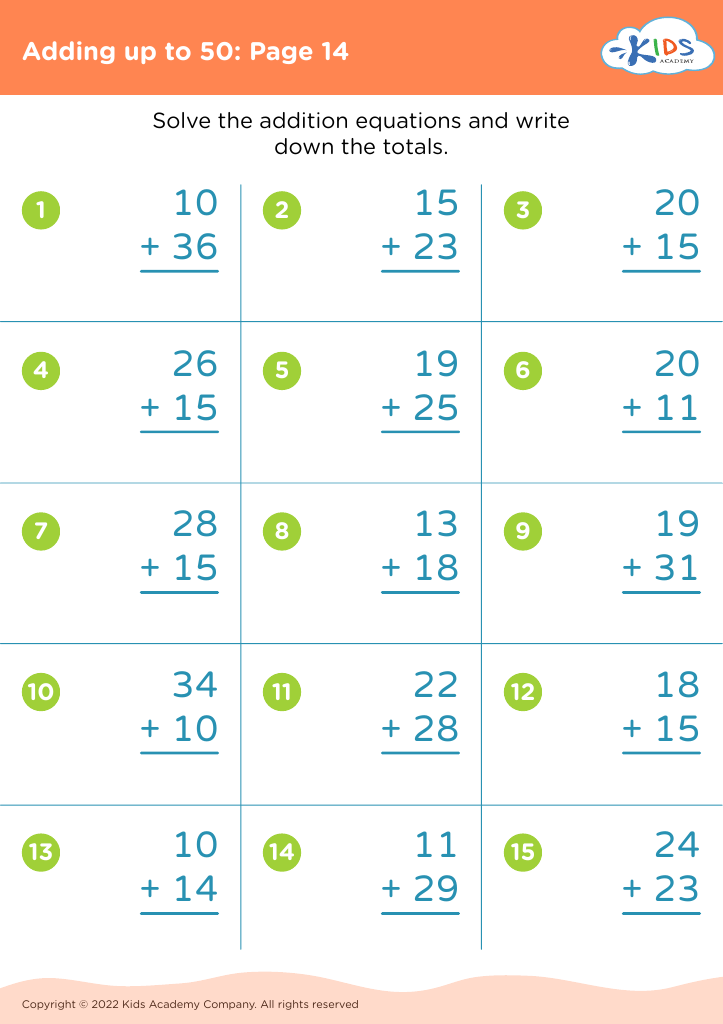
    Adding up to 50: Page 14
    Adding up to 50: Page 14

    Adding up to 50: Page 14

    Adding up to 50: Page 14
    Worksheet
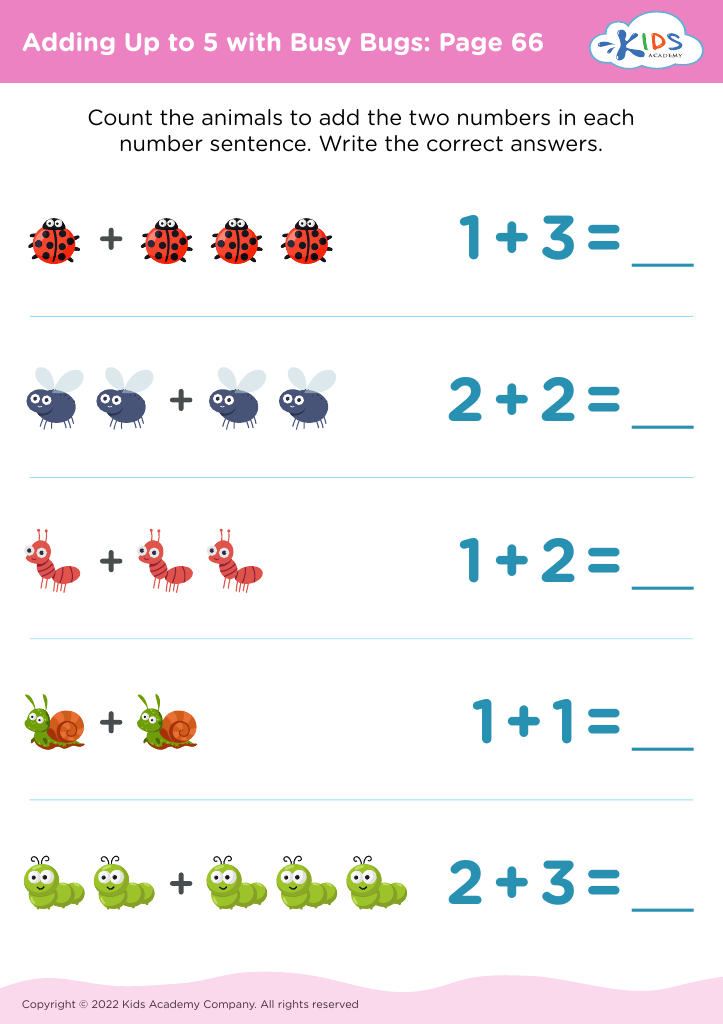
    Adding Up to 5 with Busy Bugs: Page 66
    Adding Up to 5 with Busy Bugs: Page 66
    Adding Up to 5 with Busy Bugs: Page 66
    Worksheet
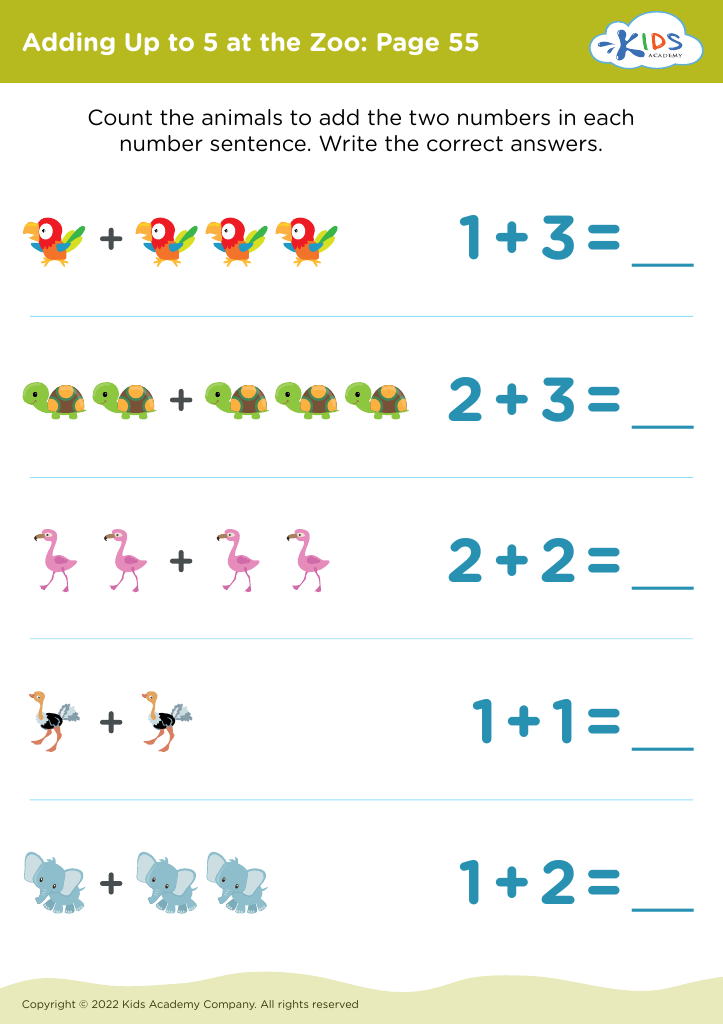
    Adding Up to 5 at the Zoo: Page 55
    Adding Up to 5 at the Zoo: Page 55
    Adding Up to 5 at the Zoo: Page 55
    Worksheet
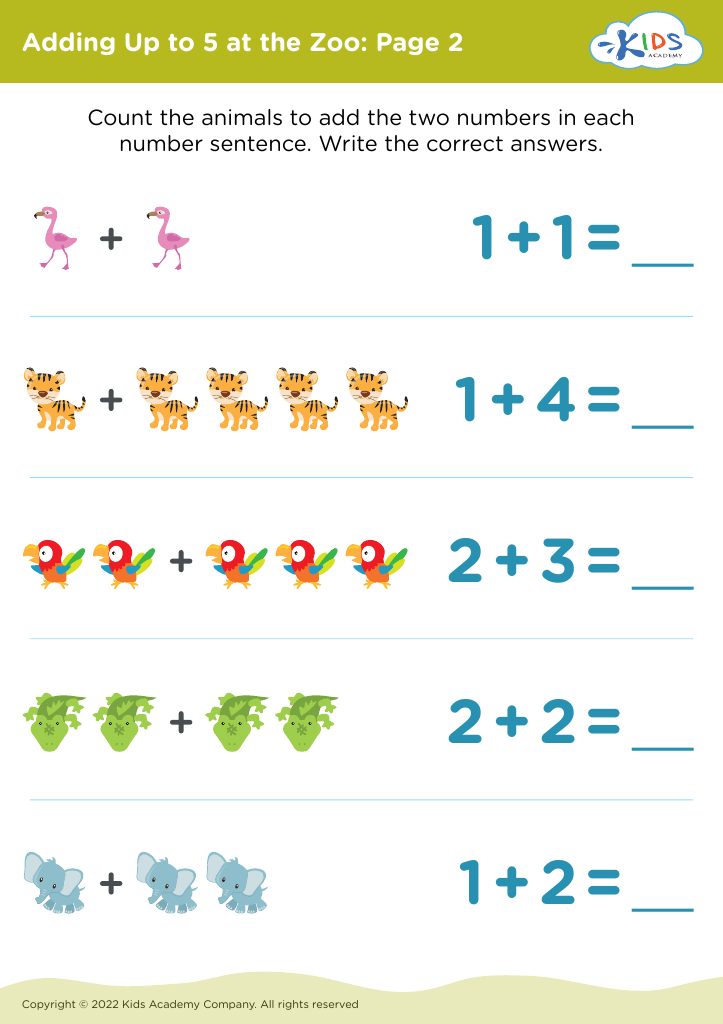
    Adding Up to 5 at the Zoo: Page 2
    Adding Up to 5 at the Zoo: Page 2

    Adding Up to 5 at the Zoo: Page 2

    Adding Up to 5 at the Zoo: Page 2
    Worksheet
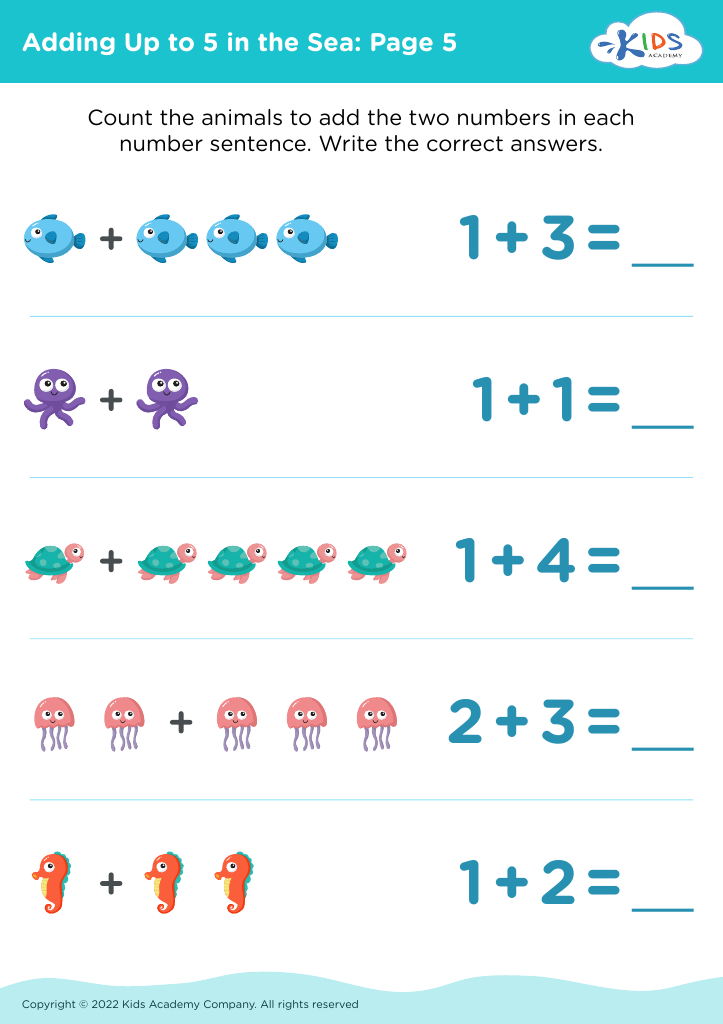
    Adding Up to 5 in the Sea: Page 5
    Adding Up to 5 in the Sea: Page 5

    Adding Up to 5 in the Sea: Page 5

    Adding Up to 5 in the Sea: Page 5
    Worksheet
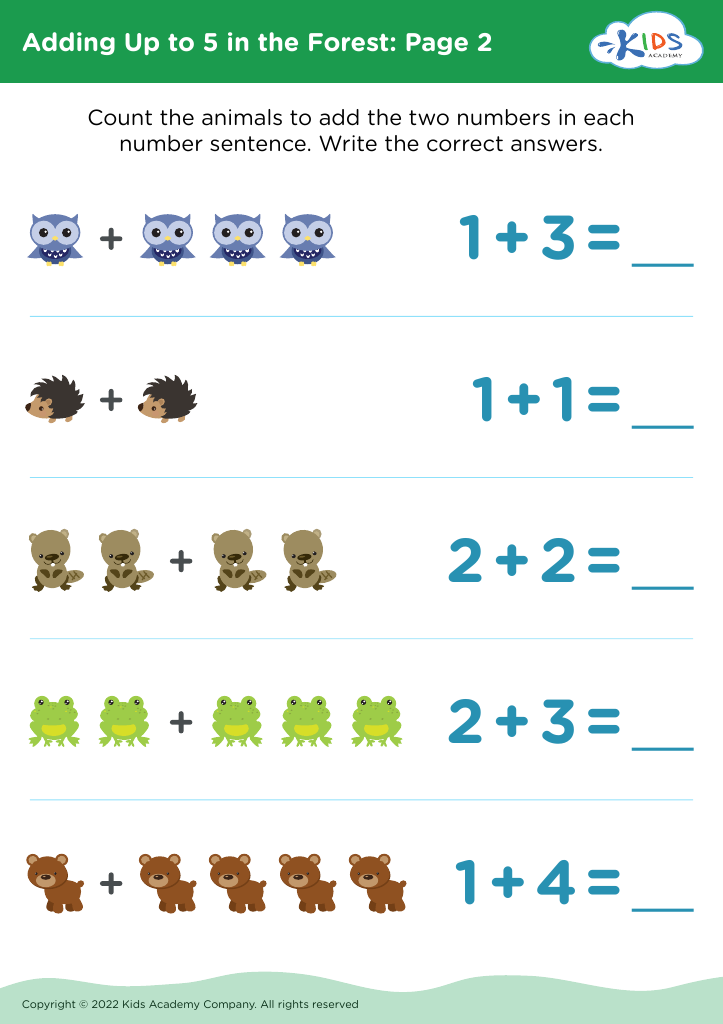
    Adding Up to 5 in the Forest: Page 2
    Adding Up to 5 in the Forest: Page 2
    Adding Up to 5 in the Forest: Page 2
    Worksheet
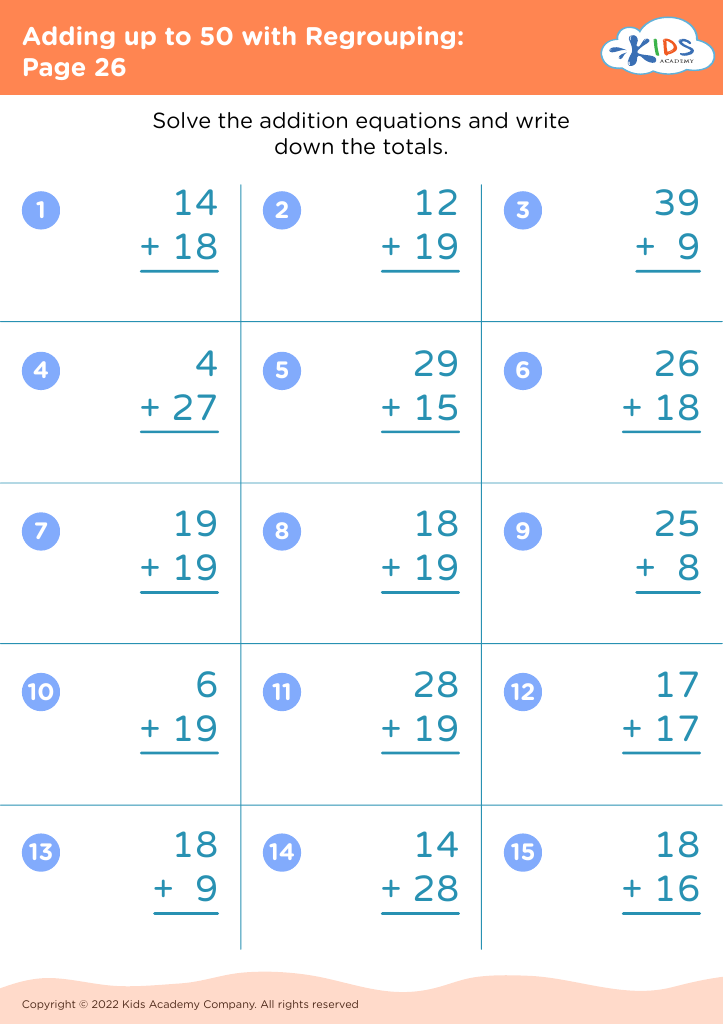
    Adding up to 50 with Regrouping: Page 26
    Adding up to 50 with Regrouping: Page 26
    Adding up to 50 with Regrouping: Page 26
    Worksheet
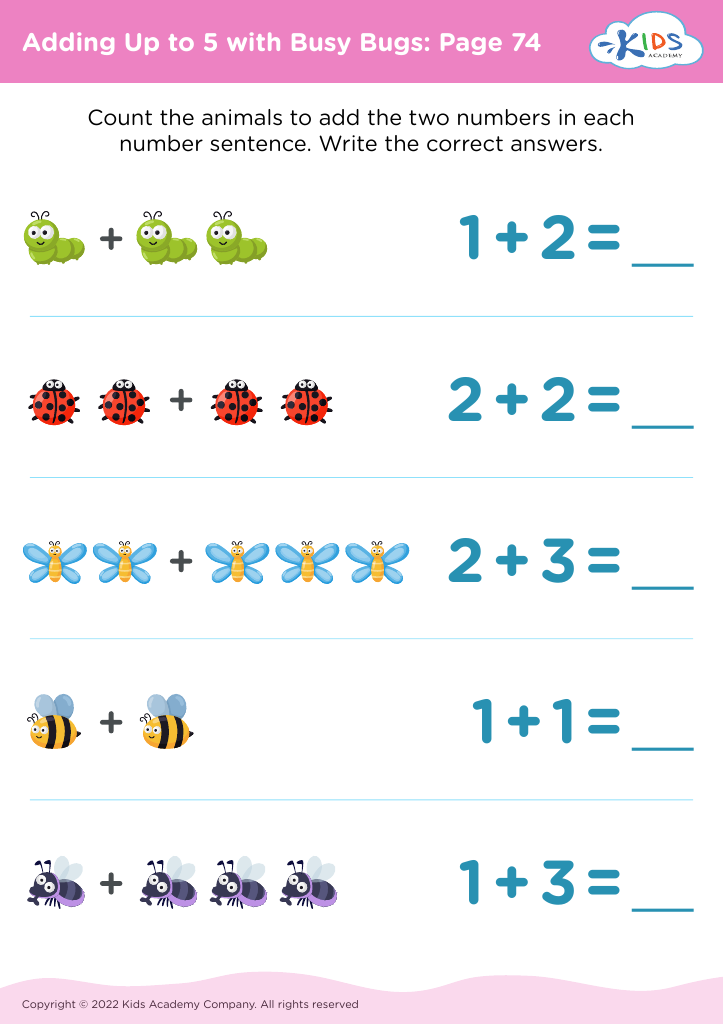
    Adding Up to 5 with Busy Bugs: Page 74
    Adding Up to 5 with Busy Bugs: Page 74
    Adding Up to 5 with Busy Bugs: Page 74
    Worksheet
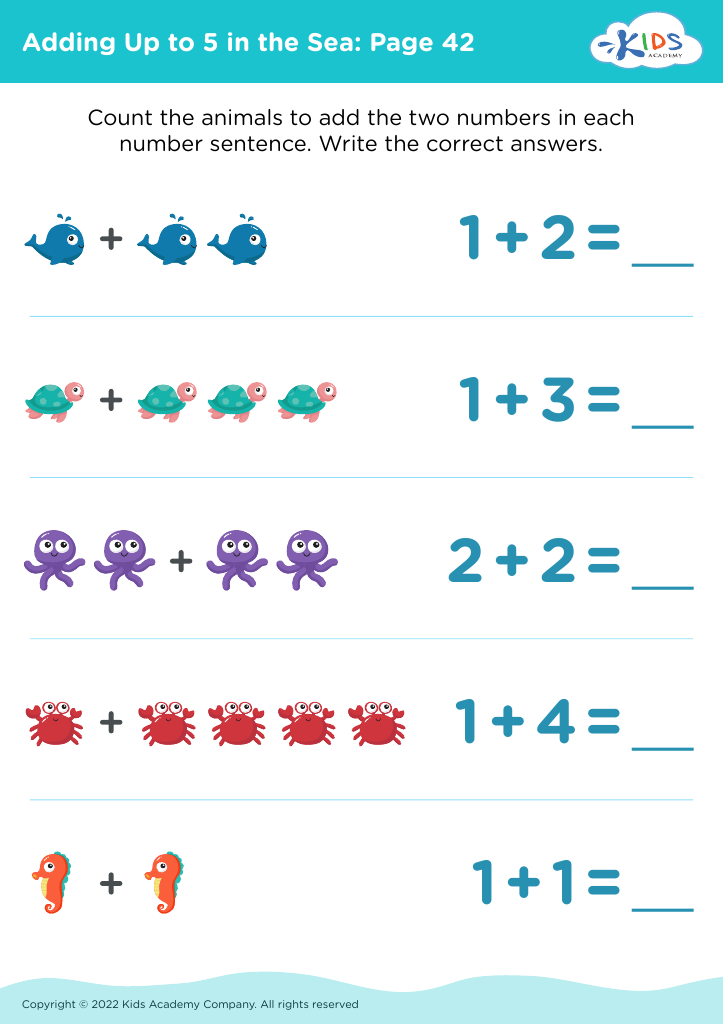
    Adding Up to 5 in the Sea: Page 42
    Adding Up to 5 in the Sea: Page 42
    Adding Up to 5 in the Sea: Page 42
    Worksheet
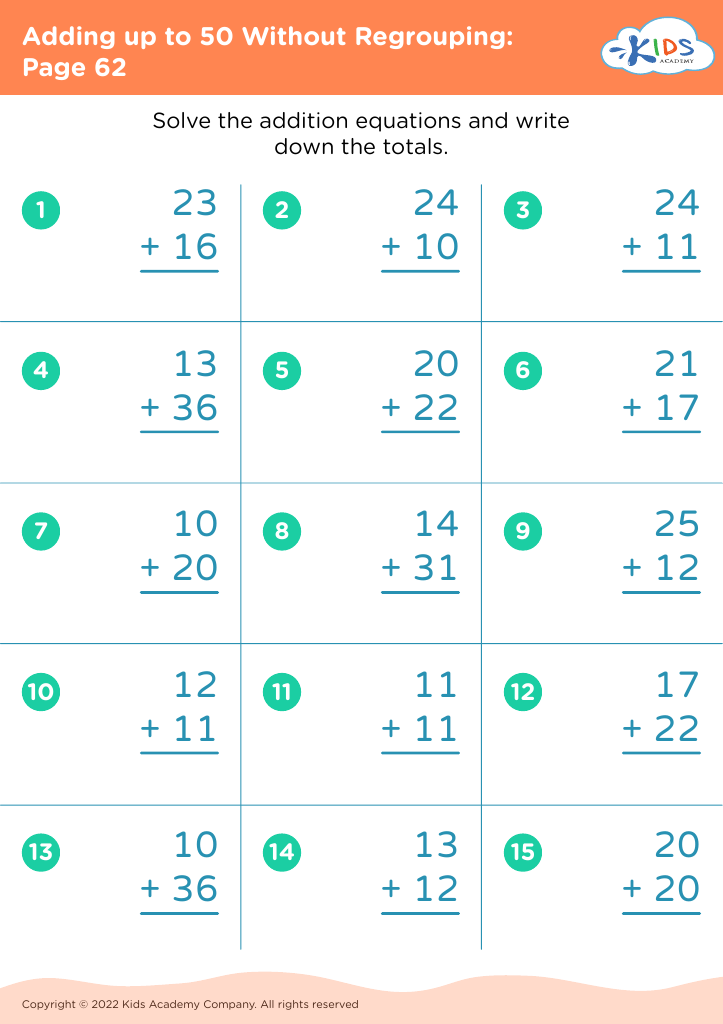
    Adding up to 50 Without Regrouping: Page 62
    Adding up to 50 Without Regrouping: Page 62
    Adding up to 50 Without Regrouping: Page 62
    Worksheet
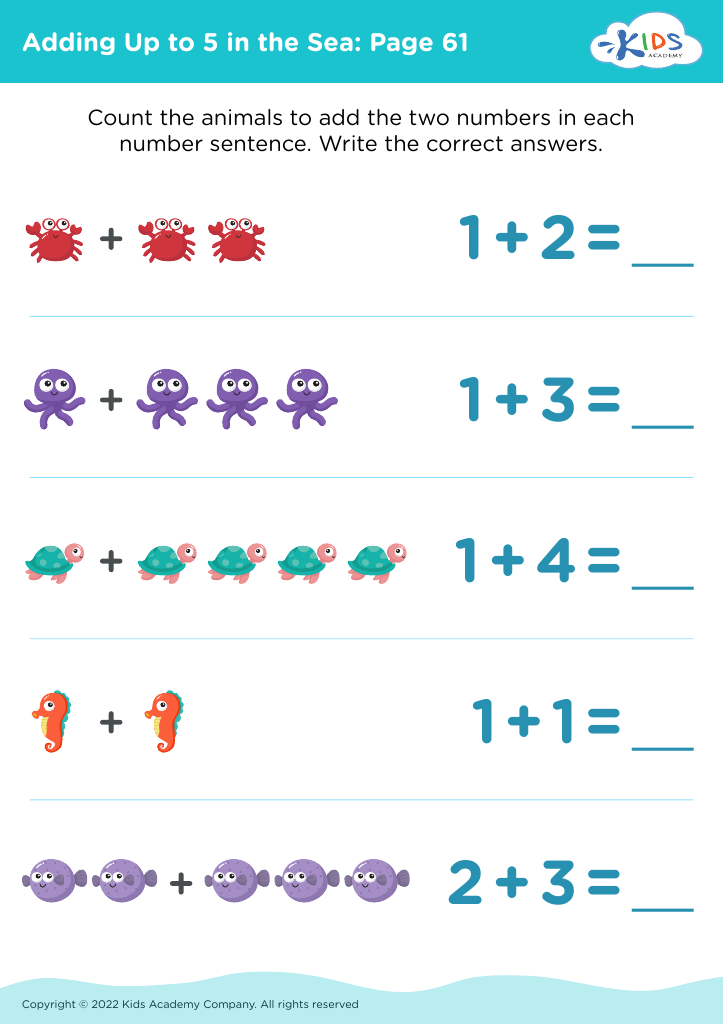
    Adding Up to 5 in the Sea: Page 61
    Adding Up to 5 in the Sea: Page 61
    Adding Up to 5 in the Sea: Page 61
    Worksheet
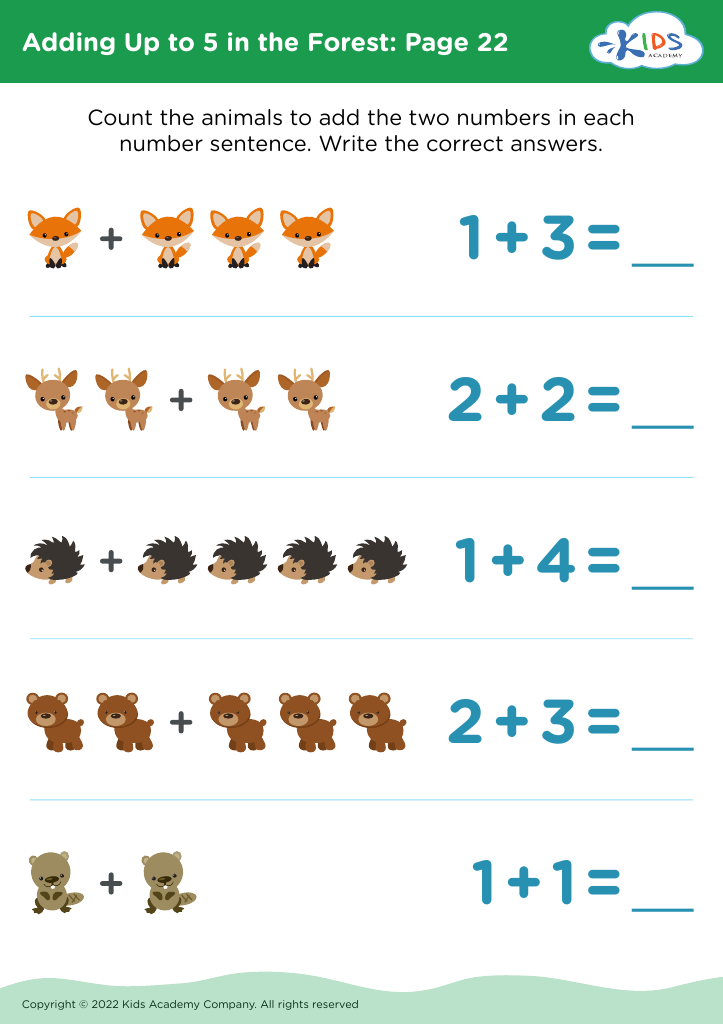
    Adding Up to 5 in the Forest: Page 22
    Adding Up to 5 in the Forest: Page 22
    Adding Up to 5 in the Forest: Page 22
    Worksheet
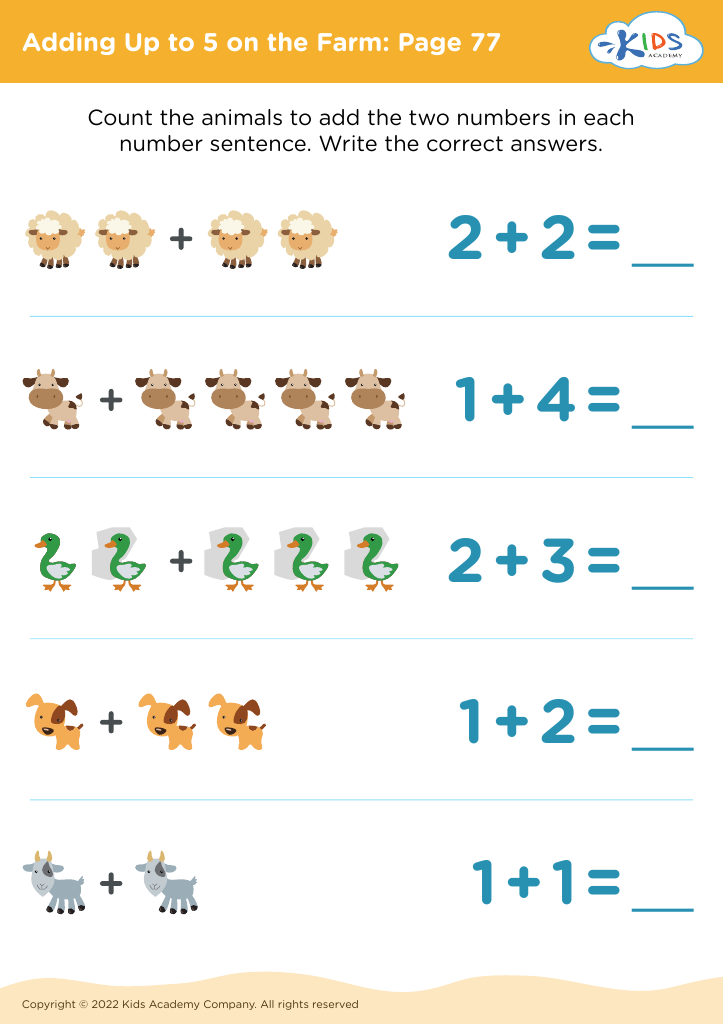
    Adding Up to 5 on the Farm: Page 77
    Adding Up to 5 on the Farm: Page 77
    Adding Up to 5 on the Farm: Page 77
    Worksheet
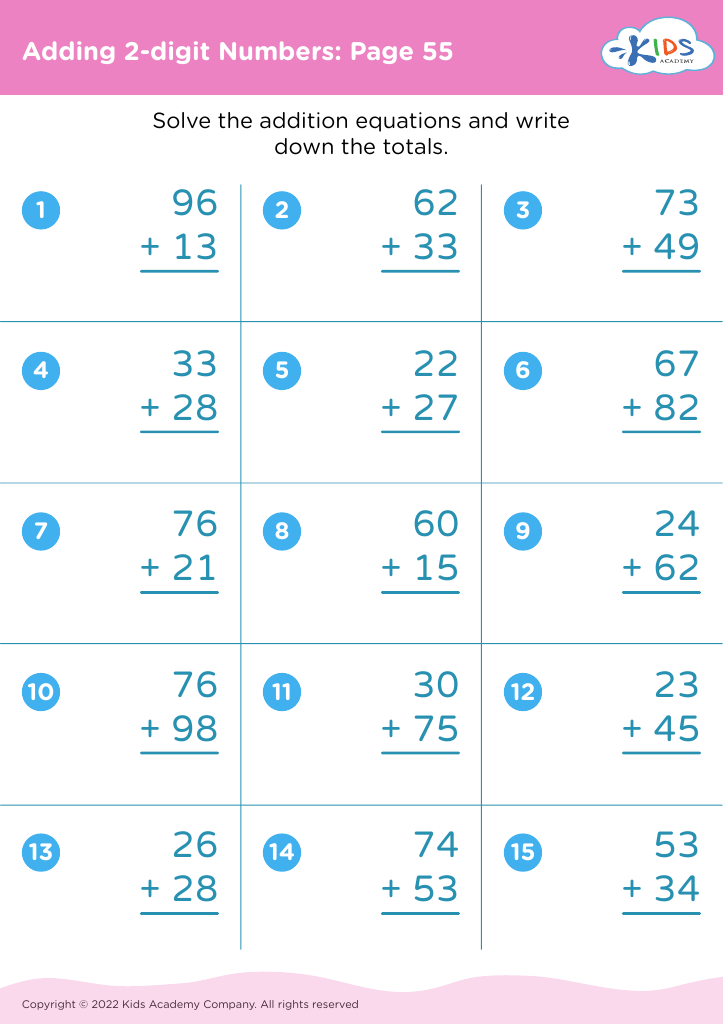
    Adding 2-digit Numbers: Page 55
    Adding 2-digit Numbers: Page 55

    Adding 2-digit Numbers: Page 55

    Adding 2-digit Numbers: Page 55
    Worksheet
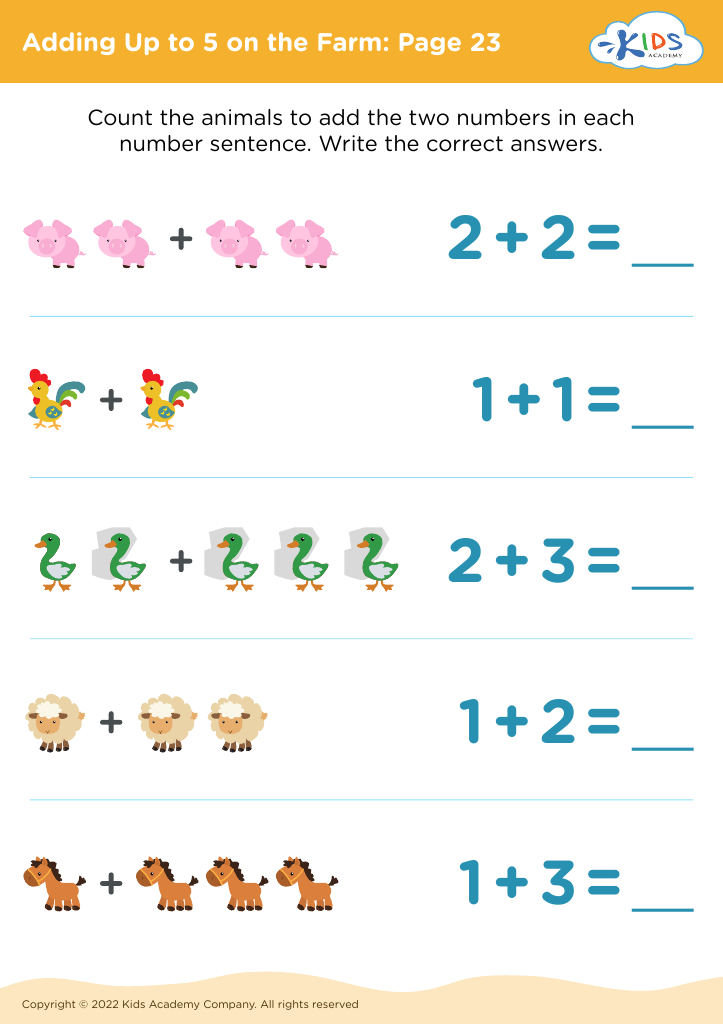
    Adding Up to 5 on the Farm: Page 23
    Adding Up to 5 on the Farm: Page 23
    Adding Up to 5 on the Farm: Page 23
    Worksheet
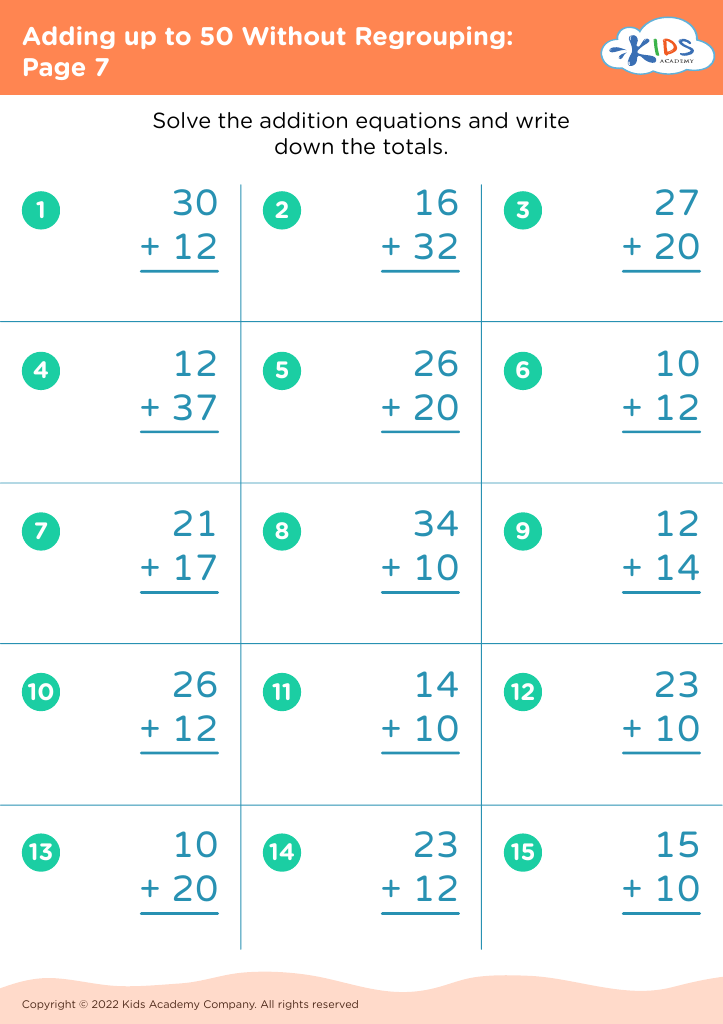
    Adding up to 50 Without Regrouping: Page 7
    Adding up to 50 Without Regrouping: Page 7
    Adding up to 50 Without Regrouping: Page 7
    Worksheet
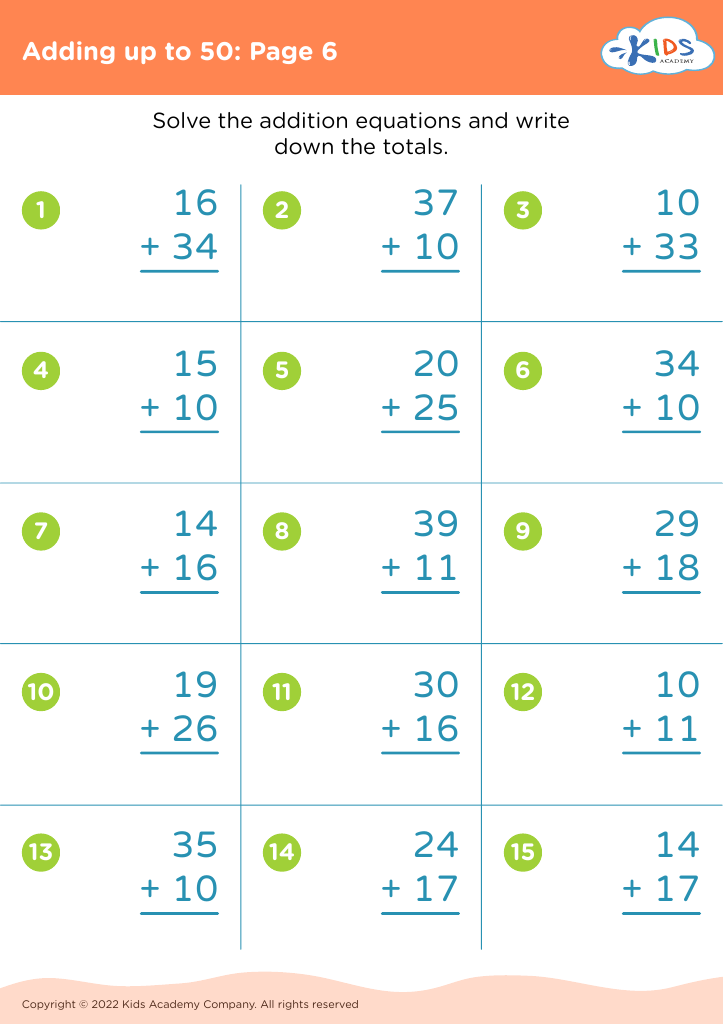
    Adding up to 50: Page 6
    Adding up to 50: Page 6

    Adding up to 50: Page 6

    Adding up to 50: Page 6
    Worksheet
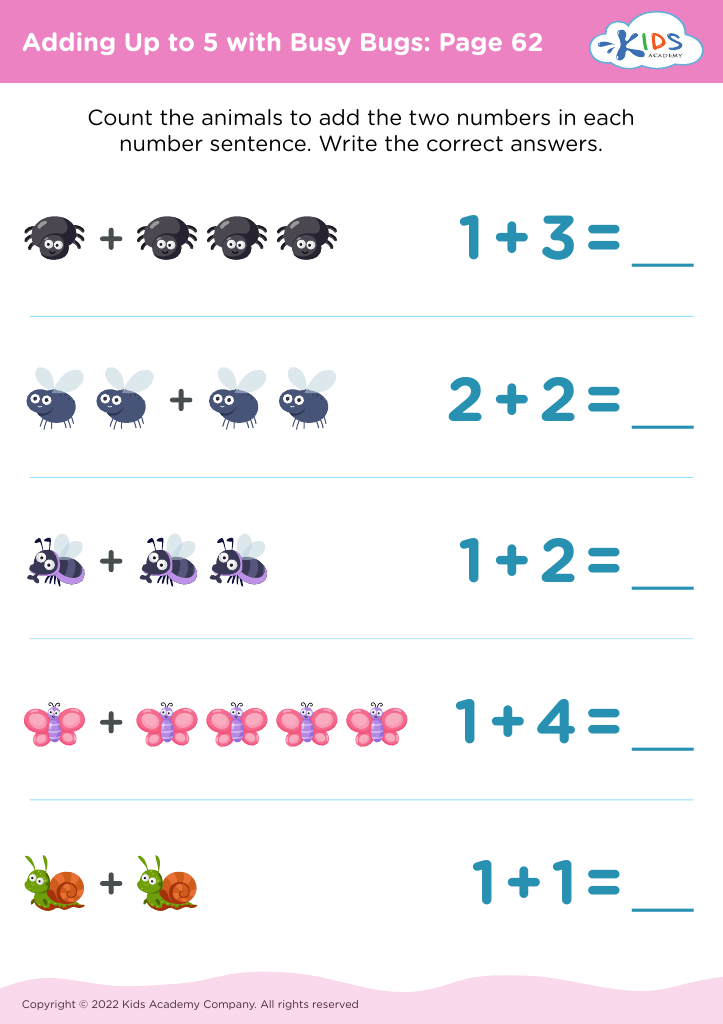
    Adding Up to 5 with Busy Bugs: Page 62
    Adding Up to 5 with Busy Bugs: Page 62
    Adding Up to 5 with Busy Bugs: Page 62
    Worksheet
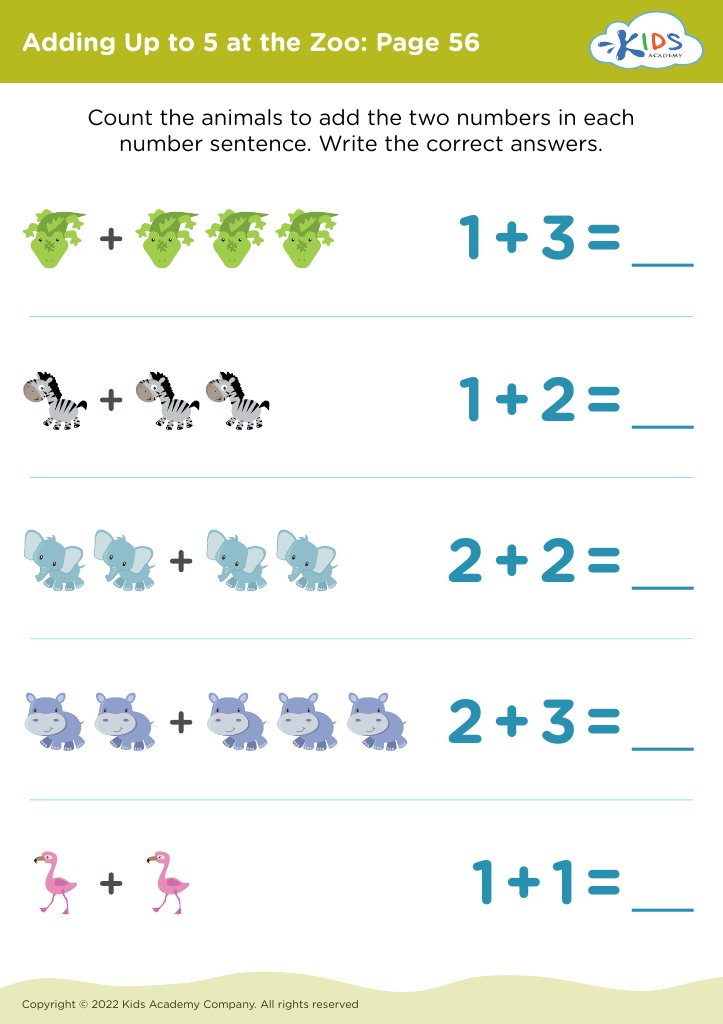
    Adding Up to 5 at the Zoo: Page 56
    Adding Up to 5 at the Zoo: Page 56
    Adding Up to 5 at the Zoo: Page 56
    Worksheet
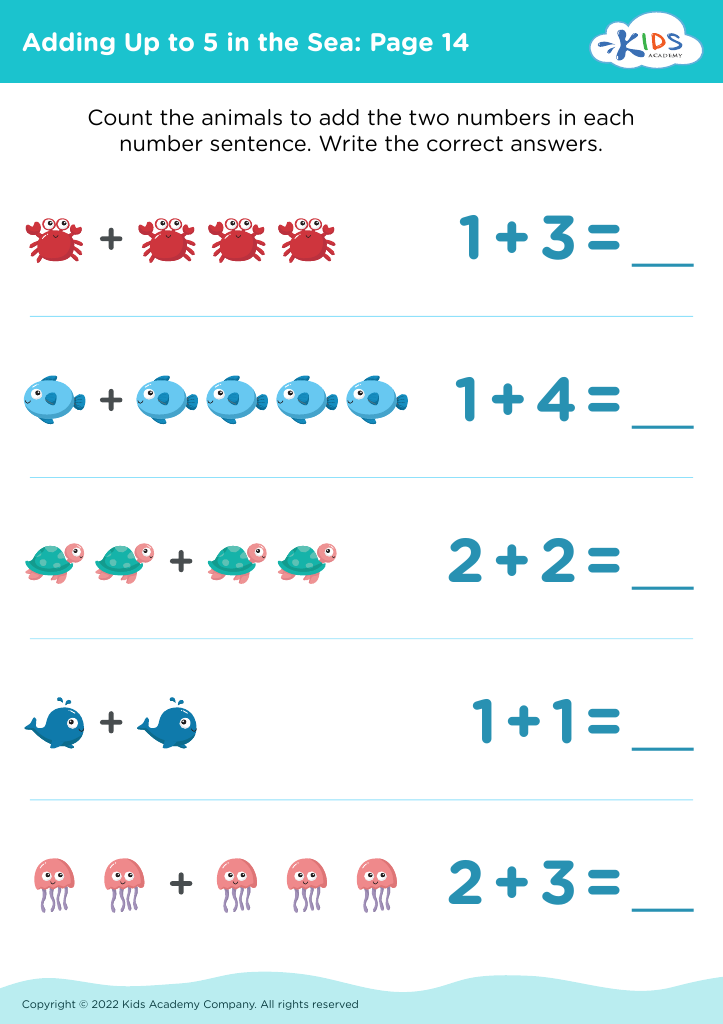
    Adding Up to 5 in the Sea: Page 14
    Adding Up to 5 in the Sea: Page 14
    Adding Up to 5 in the Sea: Page 14
    Worksheet
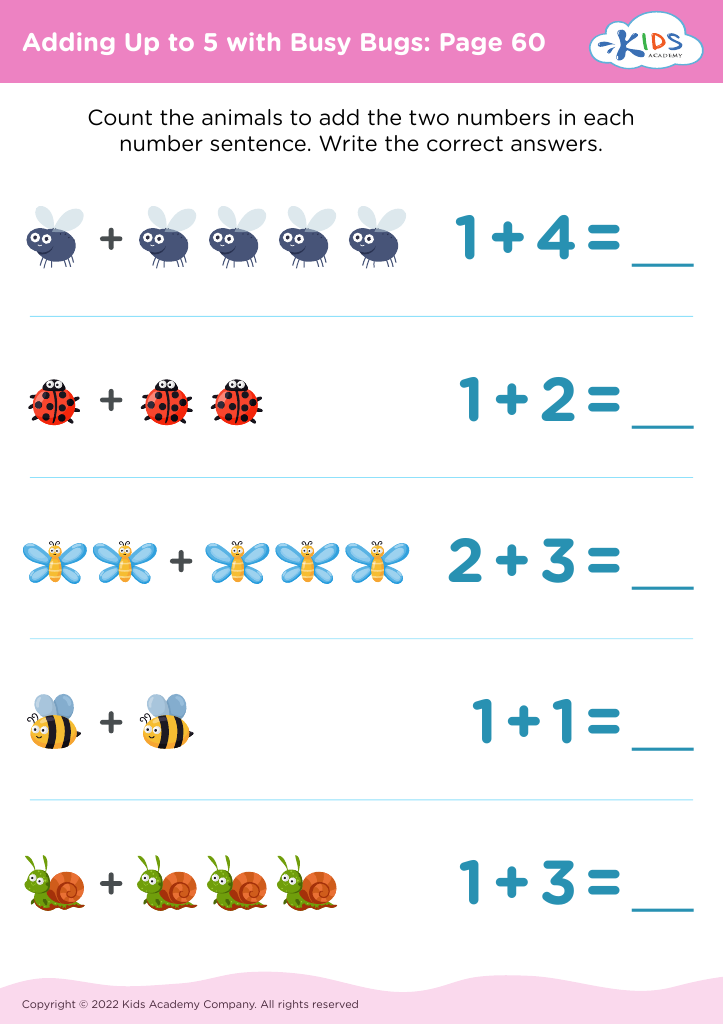
    Adding Up to 5 with Busy Bugs: Page 60
    Adding Up to 5 with Busy Bugs: Page 60
    Adding Up to 5 with Busy Bugs: Page 60
    Worksheet
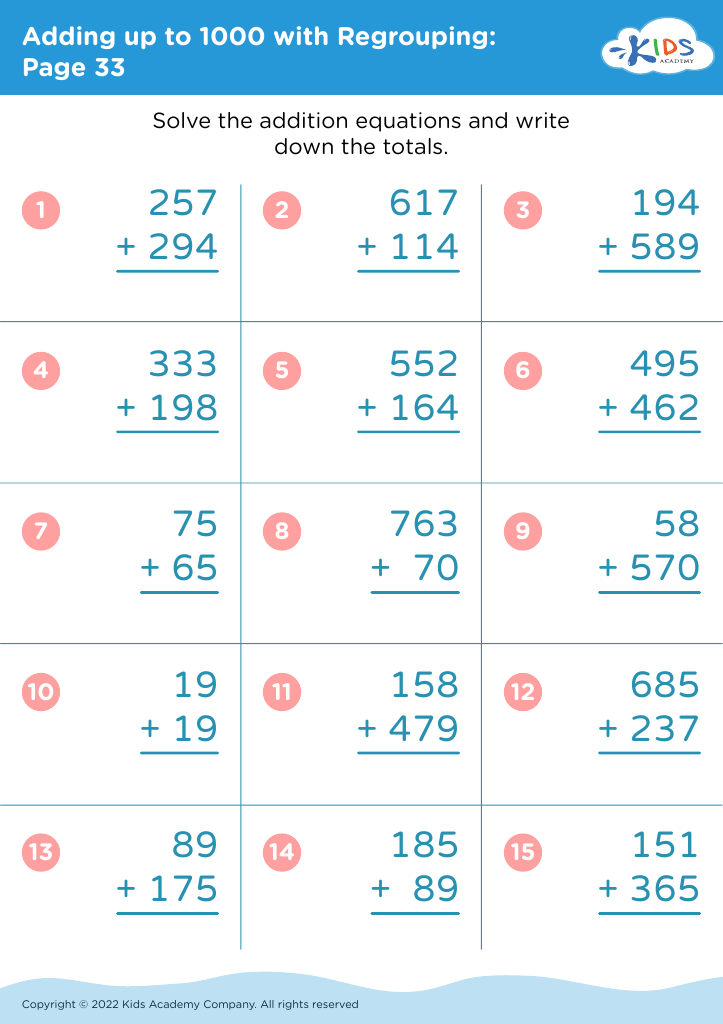
    Adding up to 1000 with Regrouping: Page 33
    Adding up to 1000 with Regrouping: Page 33
    Adding up to 1000 with Regrouping: Page 33
    Worksheet
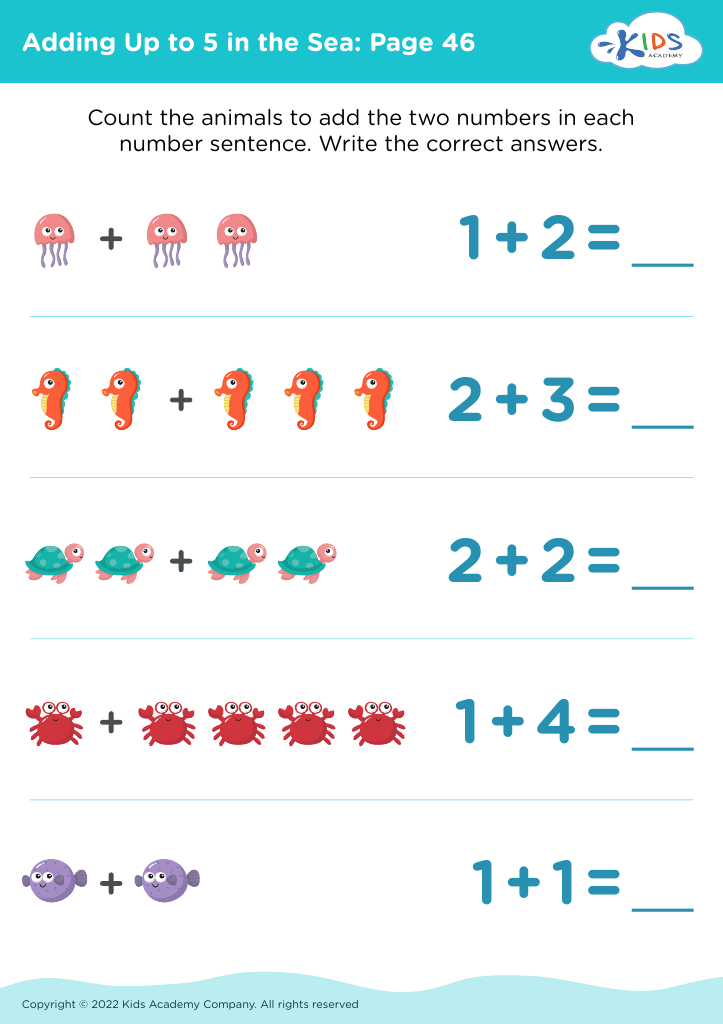
    Adding Up to 5 in the Sea: Page 46
    Adding Up to 5 in the Sea: Page 46
    Adding Up to 5 in the Sea: Page 46
    Worksheet
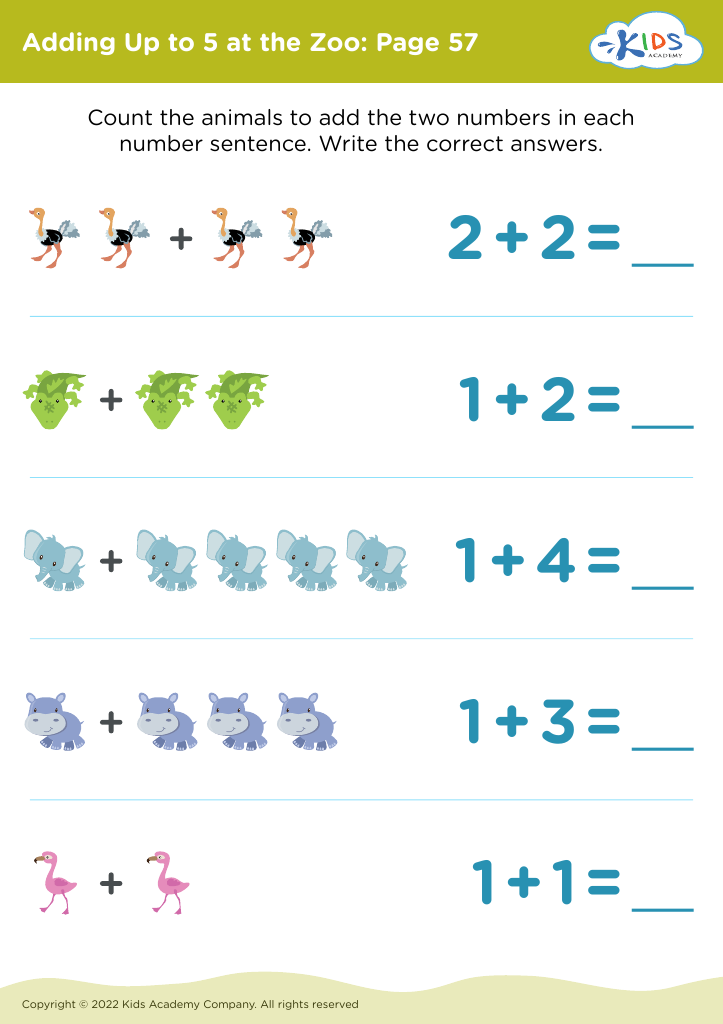
    Adding Up to 5 at the Zoo: Page 57
    Adding Up to 5 at the Zoo: Page 57
    Adding Up to 5 at the Zoo: Page 57
    Worksheet


    Number recognition and addition are foundational skills in early childhood education, particularly crucial for children aged 4-9. Here’s why parents and teachers should give them significant attention.

    Firstly, number recognition is the ability to identify and name numbers. It’s the cornerstone of mathematics, enabling children to understand and work with numbers. Without this skill, kids can struggle with basic arithmetic and more complex math problems introduced later.

    In parallel, addition helps children comprehend the basic concept of combining quantities and understanding amounts. Mastering addition at an early age improves cognitive development and numeracy skills, facilitating problem-solving and logical thinking.

    For ages 4-9, embedding these skills early on ensures smooth progression to more advanced mathematical concepts, like subtraction, multiplication, and even algebra. Children with strong foundational skills enjoy math more, as they feel more competent and less frustrated.

    Moreover, research indicates that early math skills are strong predictors of later academic success. Kids proficient in number recognition and basic addition tend to perform better not only in math but also in literacy and other areas, boosting overall educational outcomes.

    Therefore, giving attention to these skills is investing in a child's future. Such early interventions lay a robust foundation for lifelong learning and cognitive development, ensuring children not only succeed academically but also in everyday problem-solving situations.