Shape Recognition Addition Worksheets for Ages 4-9 - Page 2
32 filtered results
-
From - To
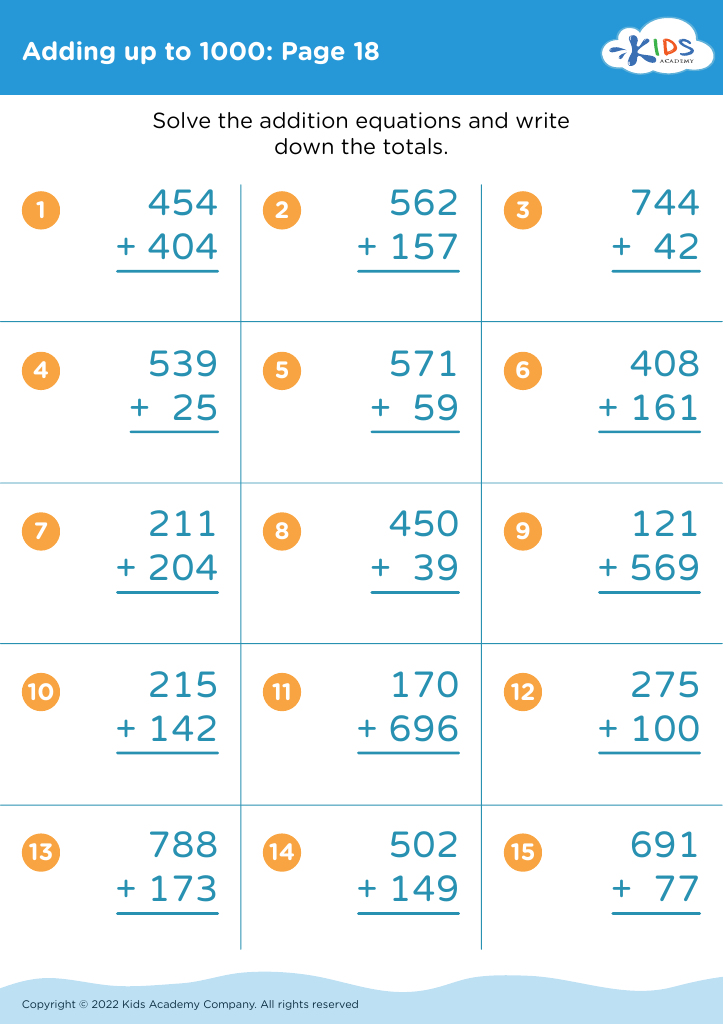
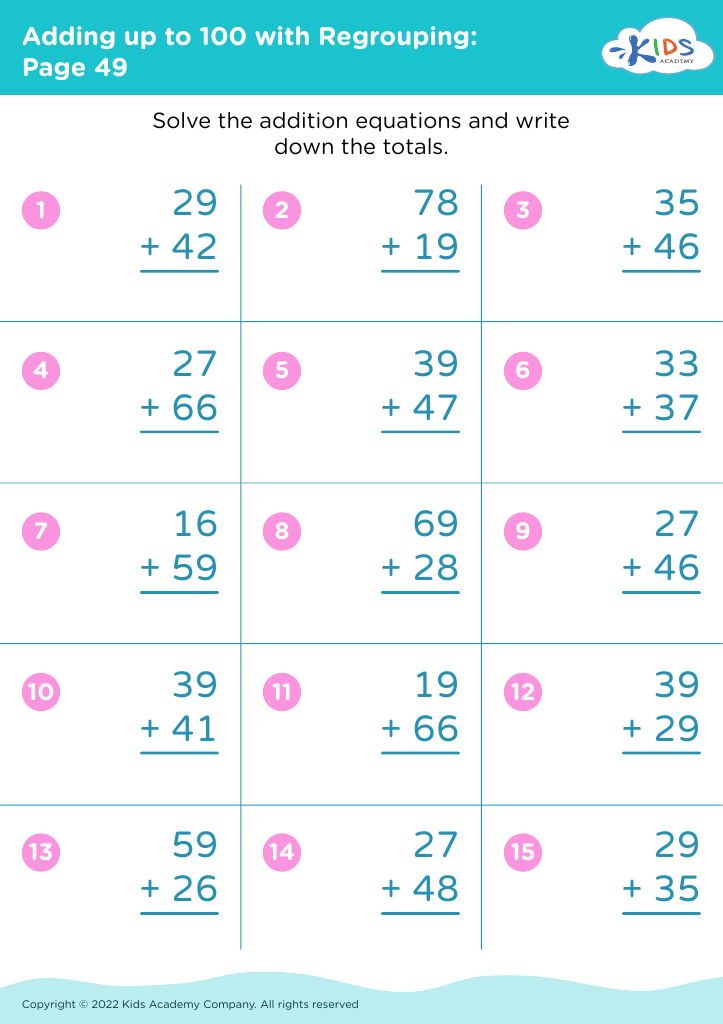
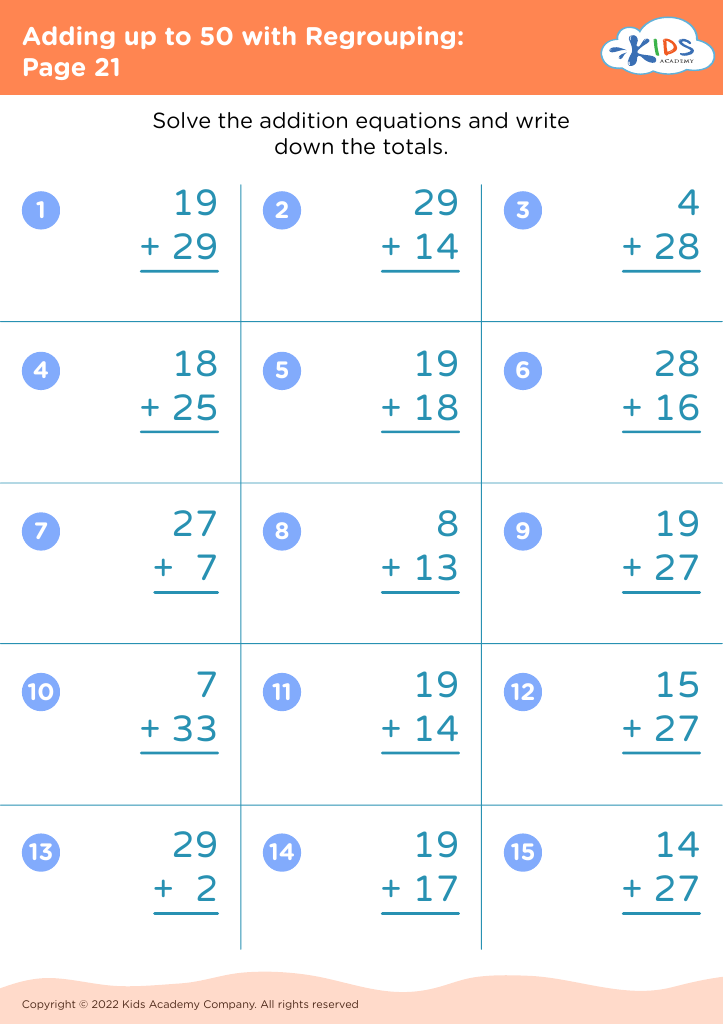
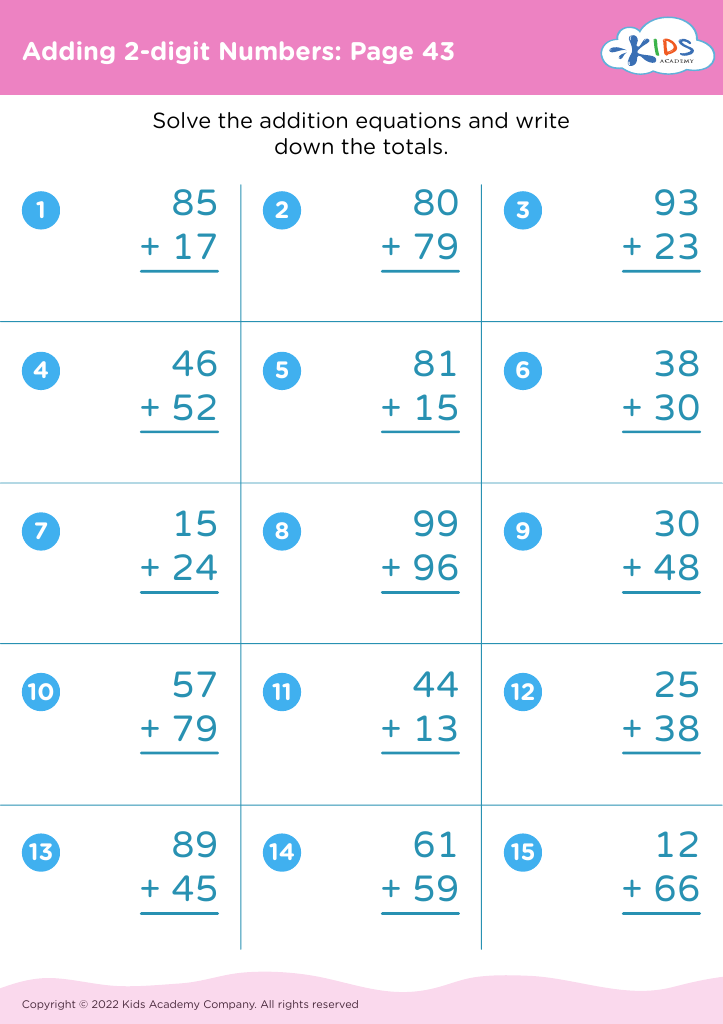
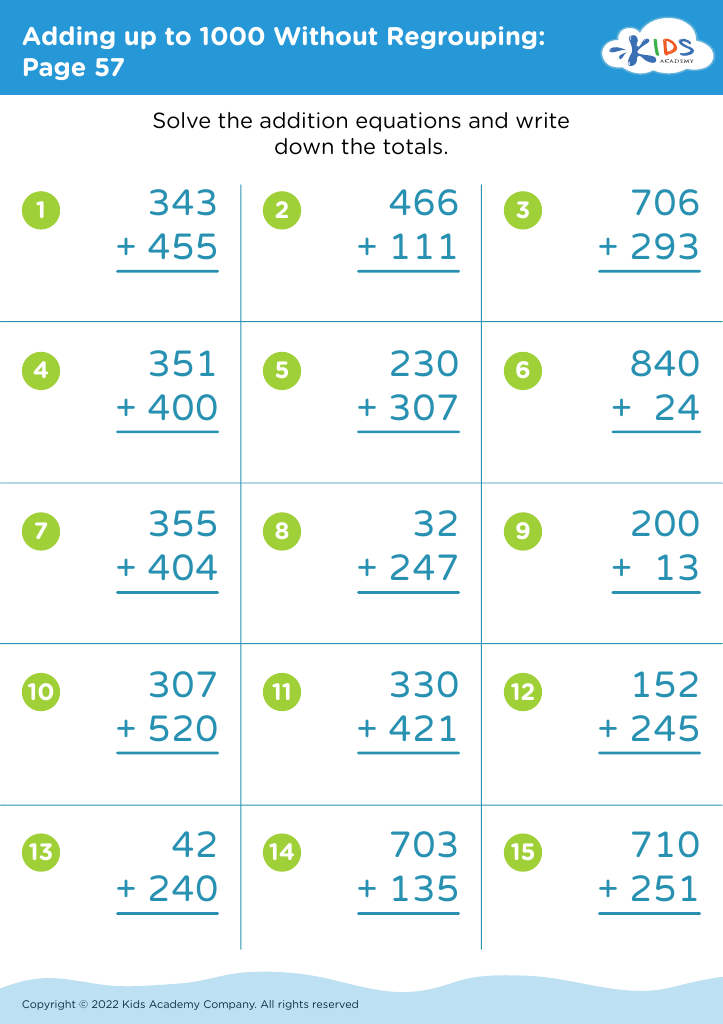
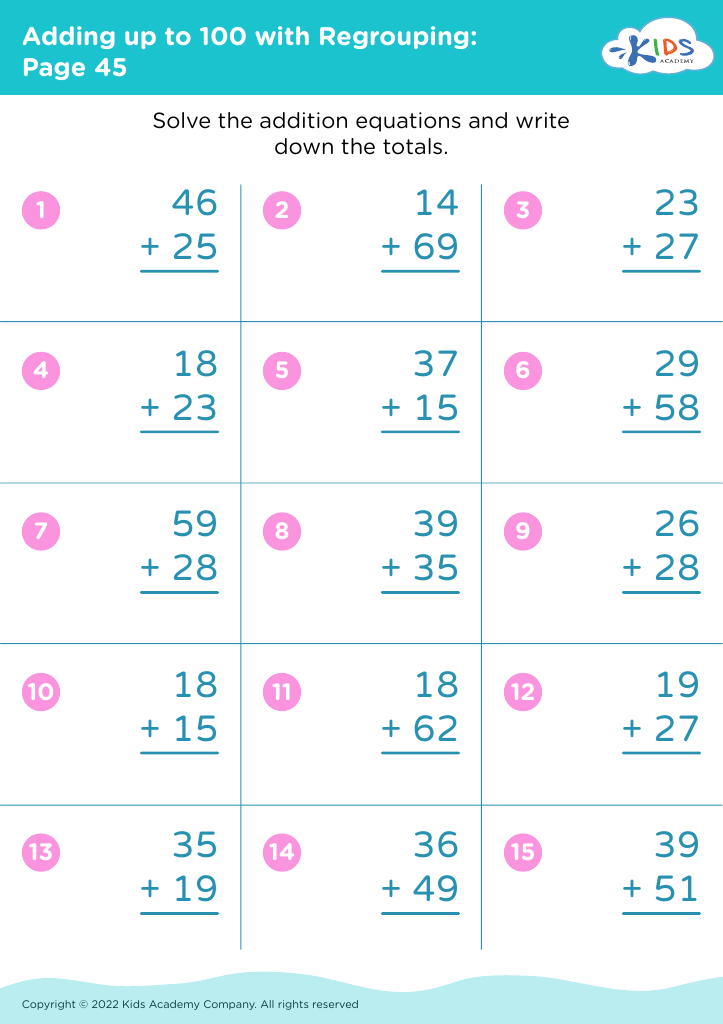
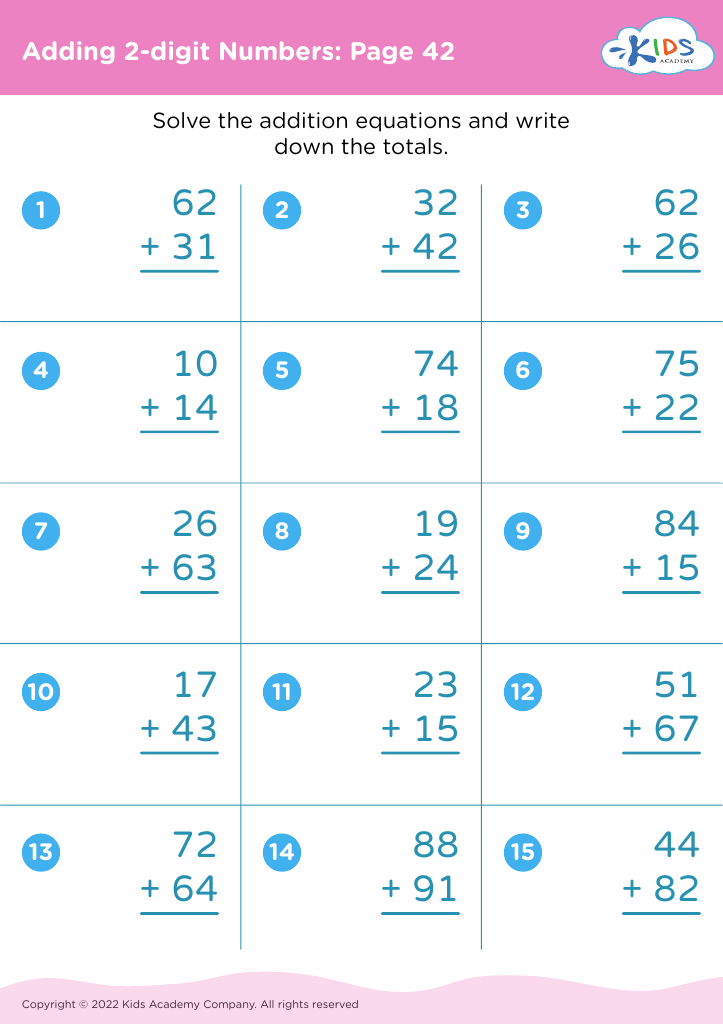
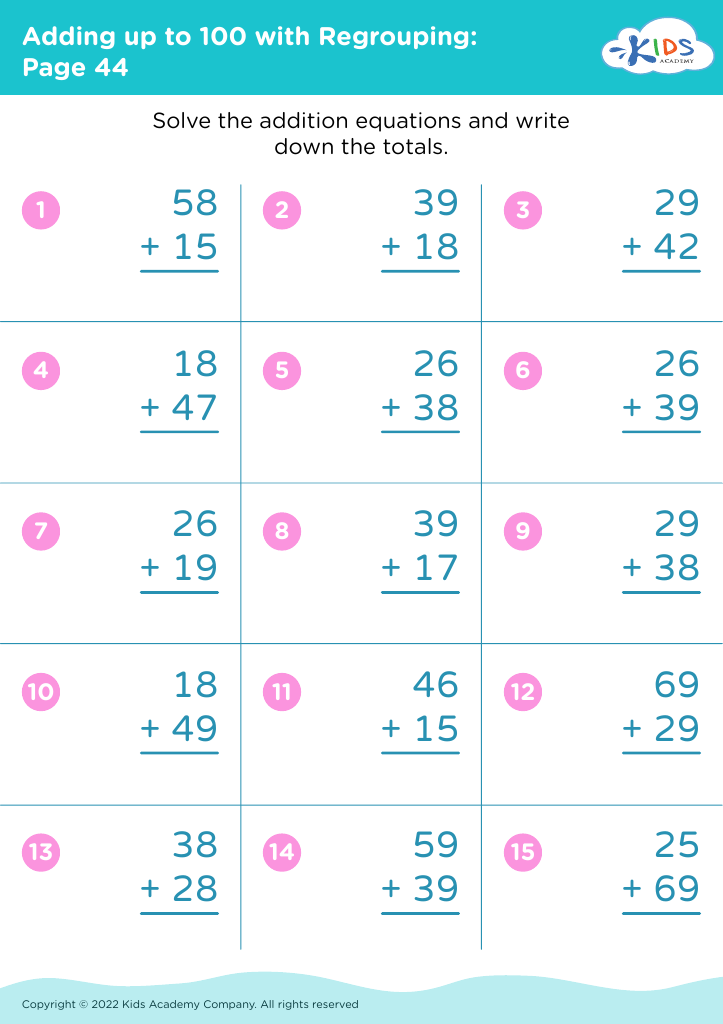




.jpg)



Shape recognition addition is a fundamental skill for children aged 4-9, intertwining visual learning with mathematical development. Understanding shapes helps children identify patterns, which is essential as they progress in mathematics. By practicing shape recognition alongside addition, children enhance their cognitive abilities and boost their problem-solving skills. This early exposure lays the groundwork for more advanced mathematical concepts, fostering confidence and a positive attitude toward learning.
Parents and teachers play a crucial role in this developmental phase. Engaging children in fun, interactive activities that combine shapes with addition stimulates their interest and motivates them to explore math in an enjoyable context. Activities such as using blocks, puzzles, or drawing shapes can make learning tactile and visual, reinforcing math skills through play.
Additionally, mastering shape recognition supports children in other subjects, such as science and art, promoting a well-rounded education. When parents and teachers prioritize this skill, they encourage critical thinking, spatial awareness, and collaboration with peers, key components of lifelong learning. Investing time in shape recognition addition not only enhances mathematical understanding but also prepares children for a successful academic journey ahead.








