
Understand multiplication Addition Worksheets for Ages 4-9
6 filtered results
Difficulty Level
Grade
Age
-
From - To
Subject
Activity
Standards
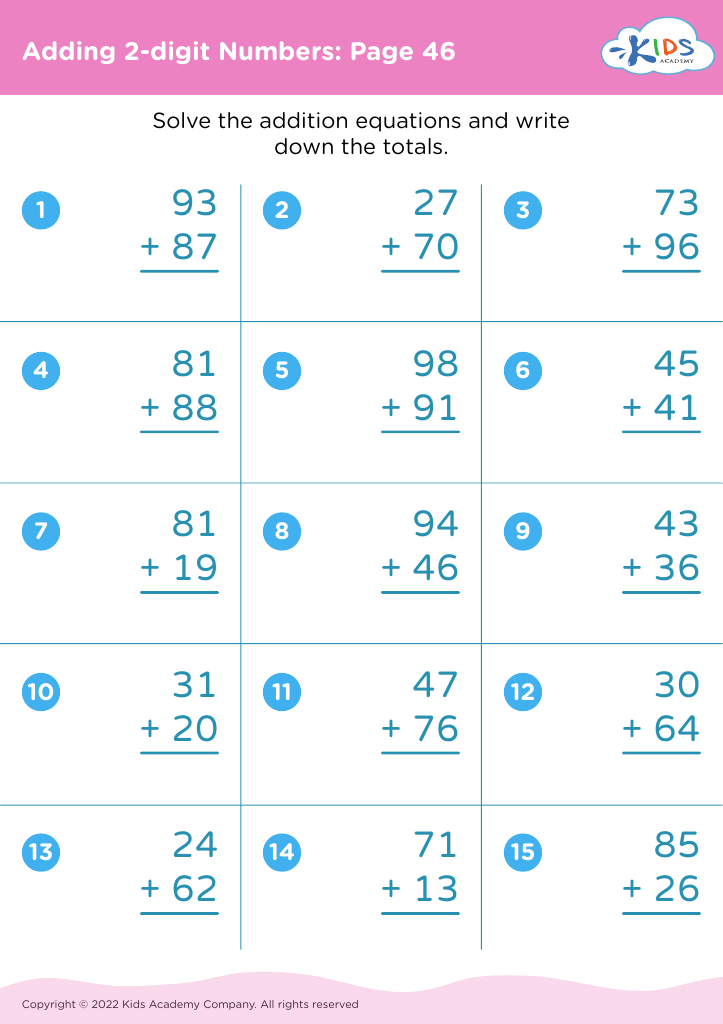
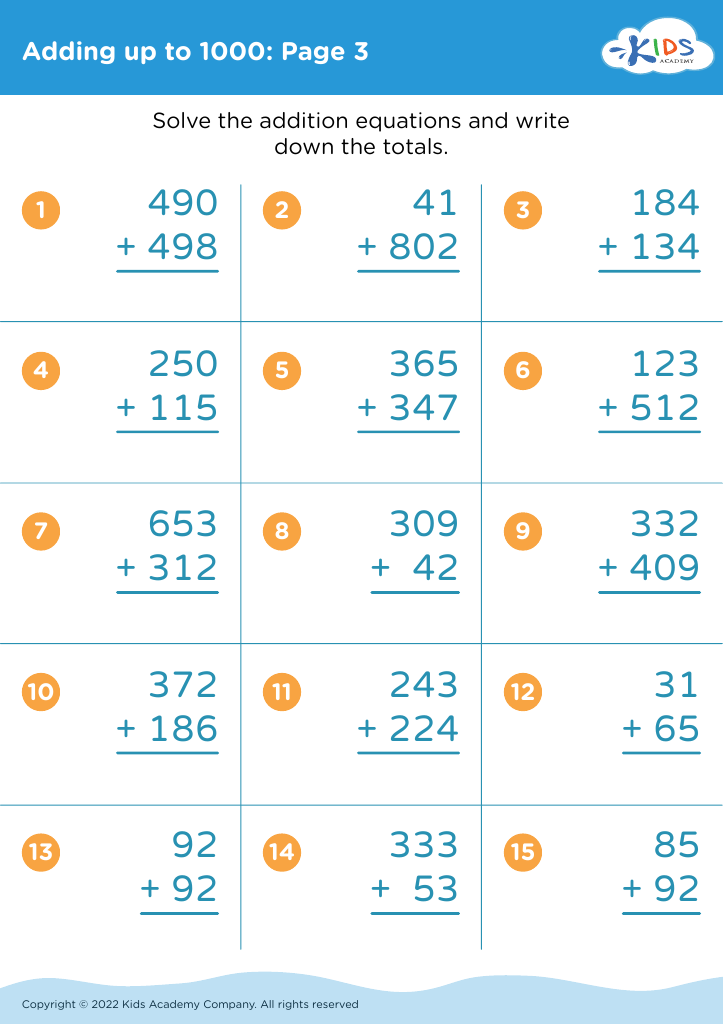
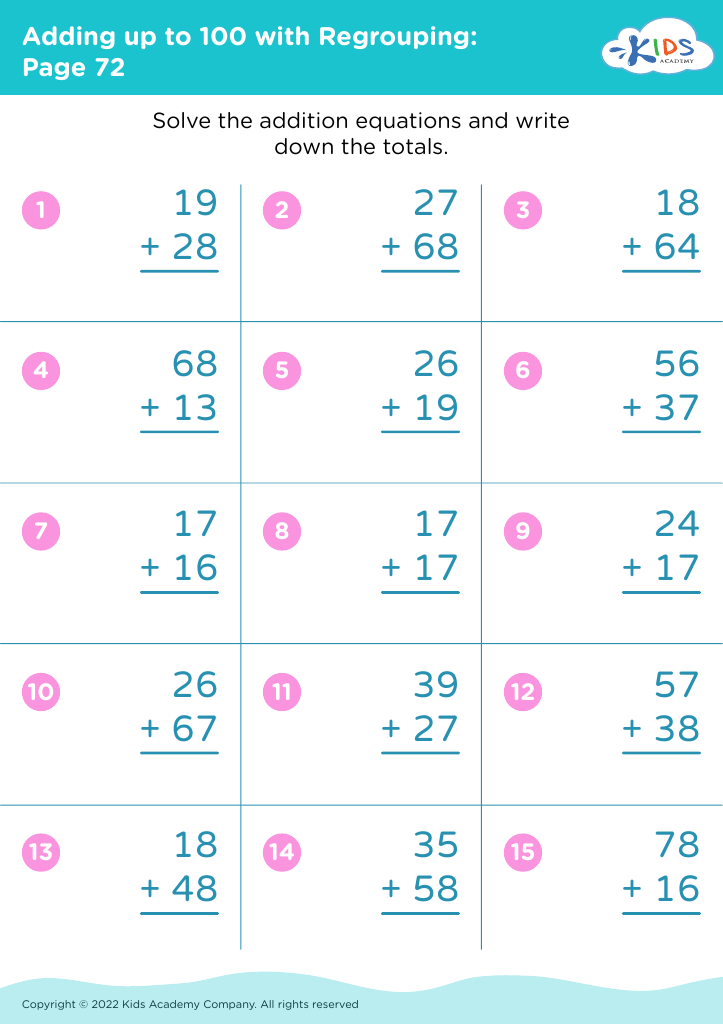
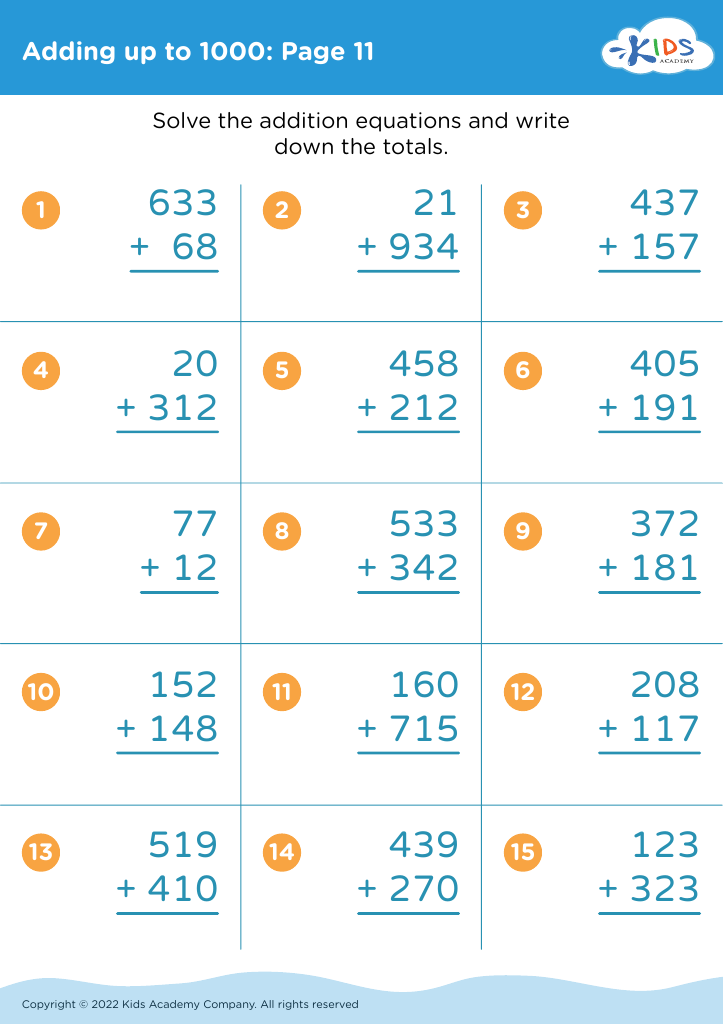
Discover the perfect resource to introduce your child to multiplication through addition! Our "Understand Multiplication Addition Worksheets for Ages 4-9" seamlessly blend fun with learning, making it simple for kids transitioning from basic addition to the concept of multiplication. These engaging worksheets provide step-by-step guidance, visually appealing exercises, and entertaining themes tailored for young learners. Each sheet is meticulously designed to strengthen foundational math skills while encouraging problem-solving and critical thinking. Prepare your child for a confident mathematical journey with these expertly crafted, age-appropriate worksheets that make learning multiplication an enjoyable and achievable goal.
Favorites
With answer key
Interactive
Join Kids Academy for Free
Who is primarily going to use this learning content?





.jpg)


Understanding basic math concepts like addition and starting on multiplication during early childhood is crucial for a child's cognitive development and future academic success.
For children ages 4-9, foundational math skills form the building blocks for more complex mathematical concepts. Learning addition helps them grasp the idea of combining quantities, which is essential not just in math but in everyday problem-solving and reasoning. It aids in the development of logical thinking and pattern recognition, which are critical cognitive skills.
Introducing simple multiplication concepts builds on their addition knowledge and lays the groundwork for arithmetic fluency. This understanding facilitates transitions to higher math subjects, such as geometry, algebra, and beyond. More importantly, it helps children develop confidence in their math abilities.
For parents and teachers, fostering these skills early also aligns with expected educational standards, ensuring the child stays on track academically. Encouraging a strong numeric foundation helps children avoid future struggles and anxiety associated with math. Additionally, engaging young minds with math enhances their curiosity, nurturing a lifelong love for learning and problem-solving.
Overall, caring about these early skills provides children with crucial tools that extend beyond the classroom, impacting their overall intellectual growth and daily life competence.








