Understanding seasons Addition Worksheets for Ages 4-9
3 filtered results
-
From - To
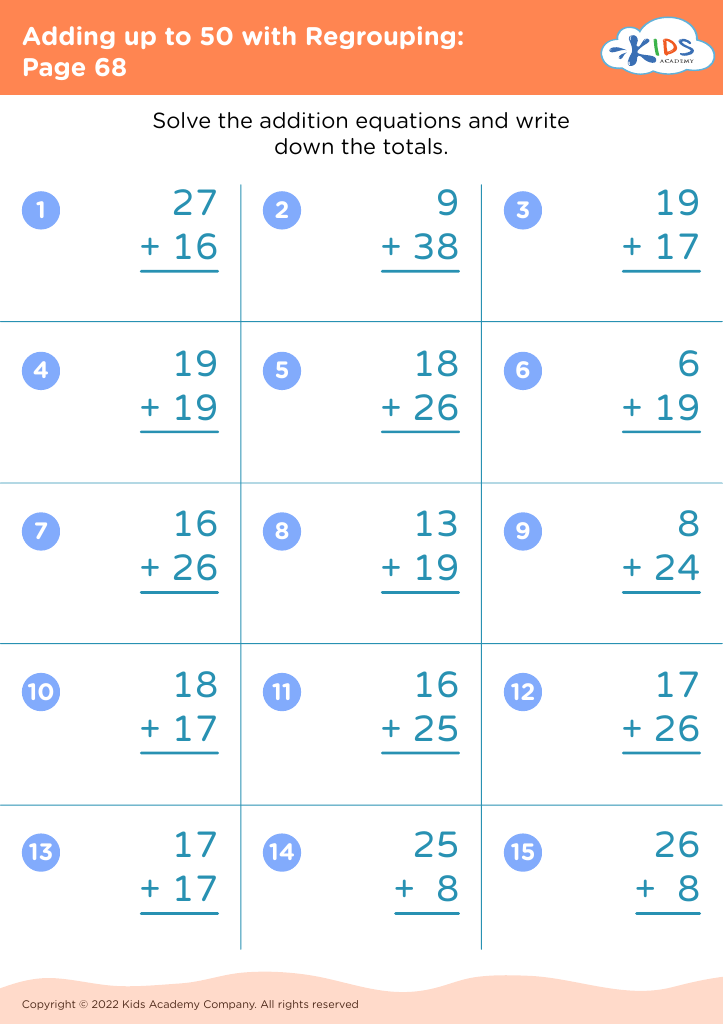
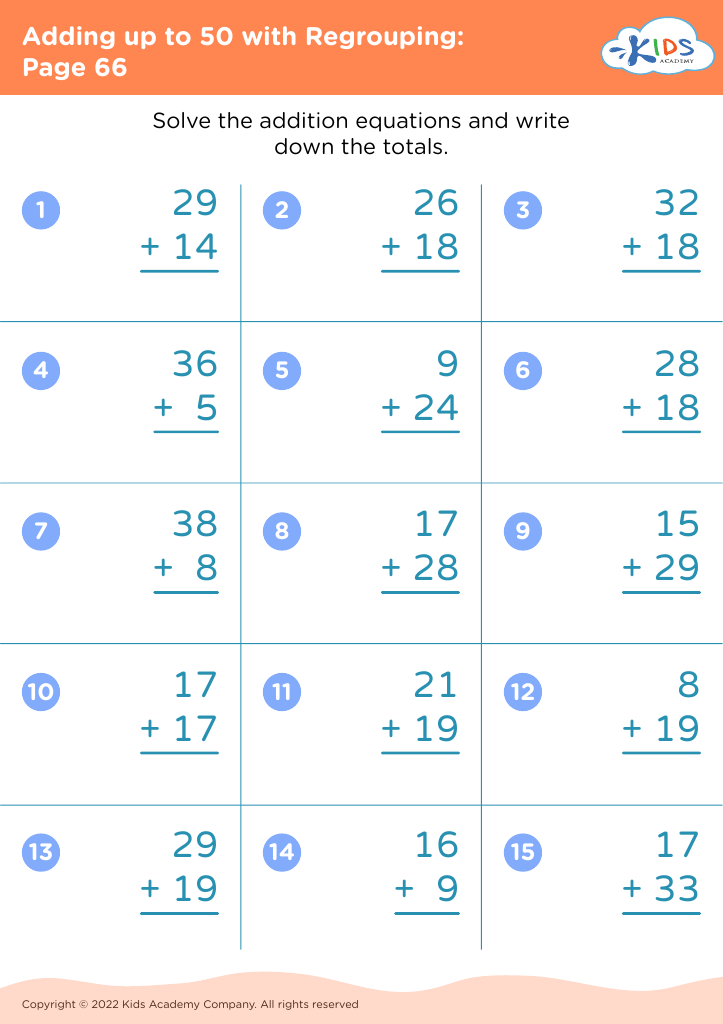
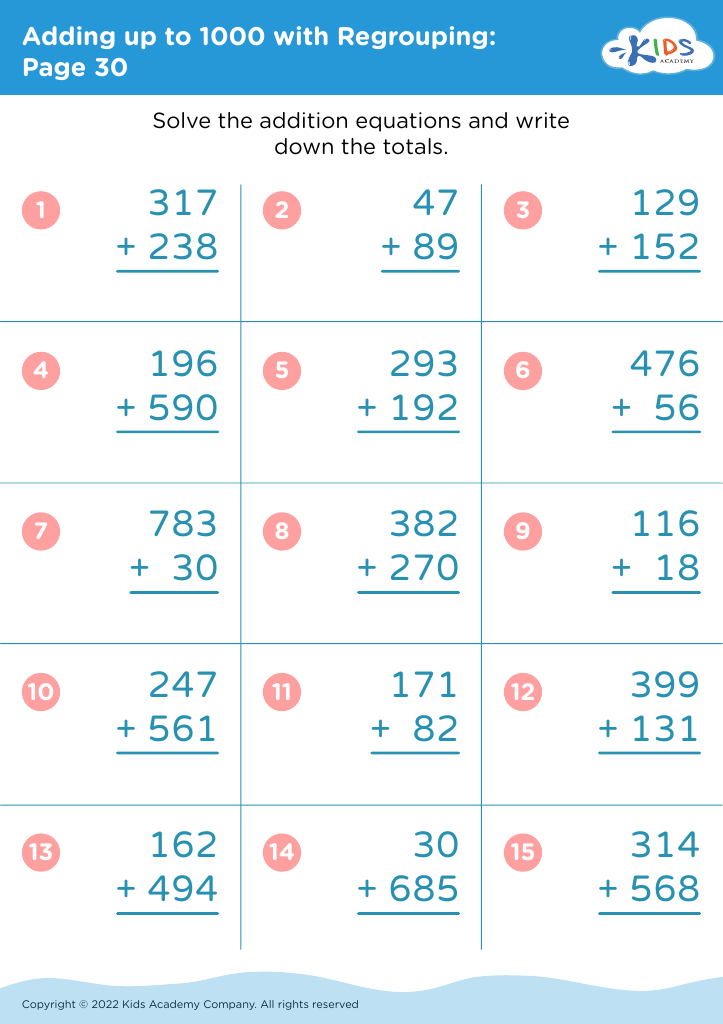
Discover our engaging "Understanding Seasons Addition Worksheets" designed for children ages 4-9! These colorful and interactive worksheets help young learners explore the concepts of addition while also embracing the enchanting seasonal changes throughout the year. Kids will identify seasonal themes, fostering both math skills and a connection to nature. Each worksheet includes fun, relatable images and exercises that keep children excited about learning. Perfect for reinforcing early math skills, these worksheets are ideal for use at home or in the classroom. Help your child gain confidence in addition while enjoying the beauty of the seasons with our thoughtfully designed materials!








Understanding seasons and their relationship to addition is crucial for young learners aged 4-9. This foundational concept engages children in both math and science while promoting holistic development. First, seasons provide a context that makes abstract math concepts more tangible. By using seasonal themes, teachers and parents can relate math problems to everyday experiences, such as counting apples in autumn or measuring rainfall in spring, enhancing comprehension and retention.
Moreover, recognizing seasonal changes helps children develop observational skills and connect mathematics to the environment. Integrating addition with seasonal activities—like counting down to a holiday or tallying the number of days remaining until summer—encourages enthusiasm toward learning. Collaborative projects or outdoor activities lead to a richer, more interactive experience.
Additionally, understanding seasons fosters critical thinking and encourages children to build patterns, make predictions, and engage in storytelling—all essential skills not just for math, but for overall cognitive growth.
Parents and teachers play a pivotal role in this journey. By introducing fun, seasonal addition activities, they inspire a love for learning, build foundational skills, and create meaningful connections that significantly benefit children's academic and personal development. Investing time in these concepts is an investment in lifelong learning.








