
Number comparison Comparing Numbers Worksheets for Ages 4-9
5 filtered results
Difficulty Level
Grade
Age
-
From - To
Subject
Activity
Standards
Explore our engaging "Number Comparison Worksheets" designed for children aged 4-9. These worksheets provide a fun and interactive way for young learners to develop essential skills in comparing numbers. With a variety of exercises, children will practice identifying greater than, less than, and equal to, reinforcing their understanding of numerical relationships. Our carefully crafted activities cater to different learning styles, helping kids build confidence in their math abilities. Perfect for home or classroom use, these worksheets make learning math enjoyable! Foster early math skills and support your child’s educational journey with our comprehensive resources for comparing numbers today.
Favorites
With answer key
Interactive
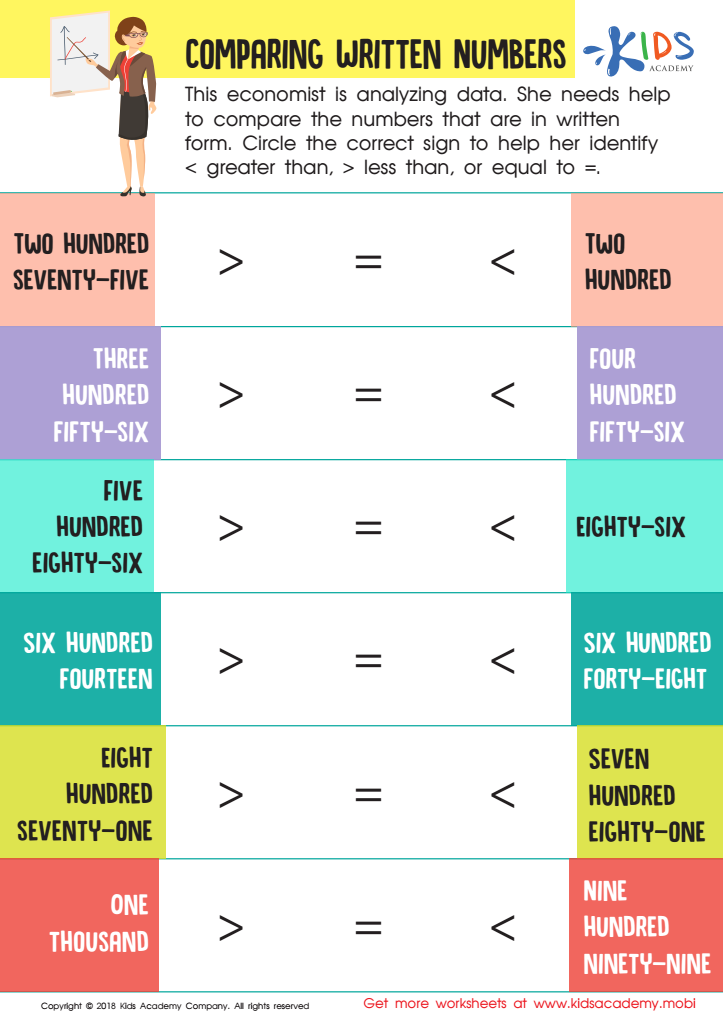
Comparing Written Numbers Worksheet
Children need to grasp that numbers come in different forms. This exciting PDF provides practice for comparing values written as words. Young economists can analyze the number pairs, then circle the sign (<, =, or >) to make comparisons true.
 Assign to My Students
Comparing Written Numbers Worksheet
Worksheet
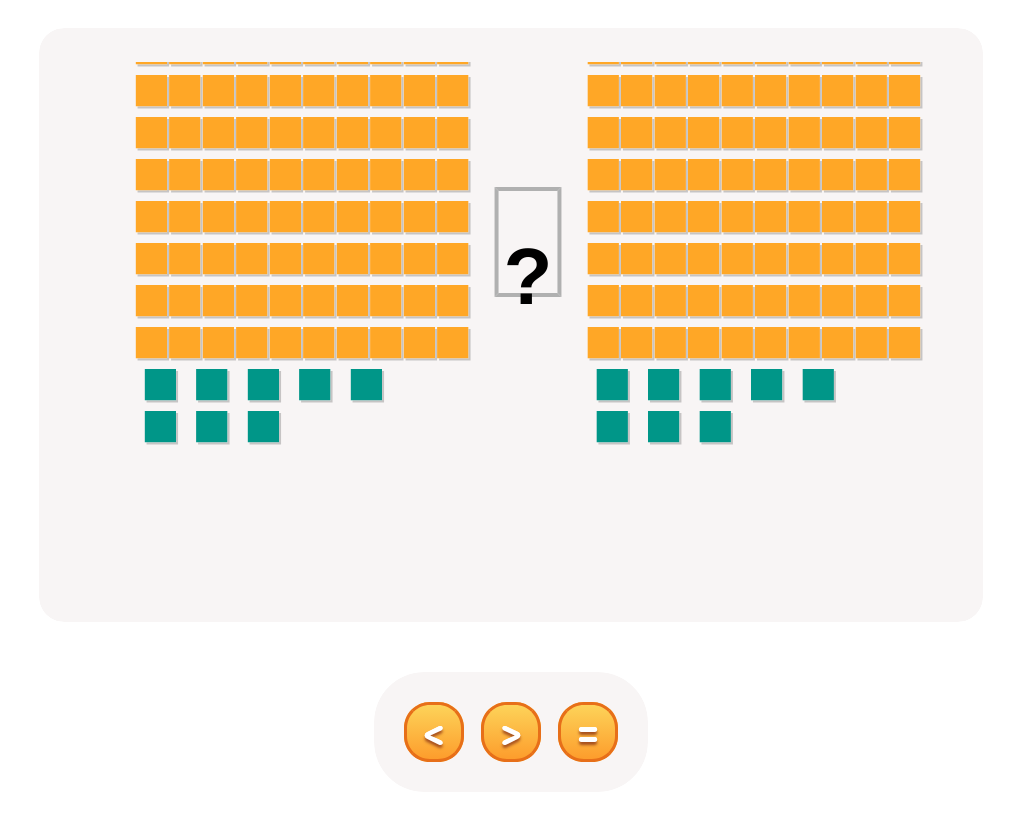

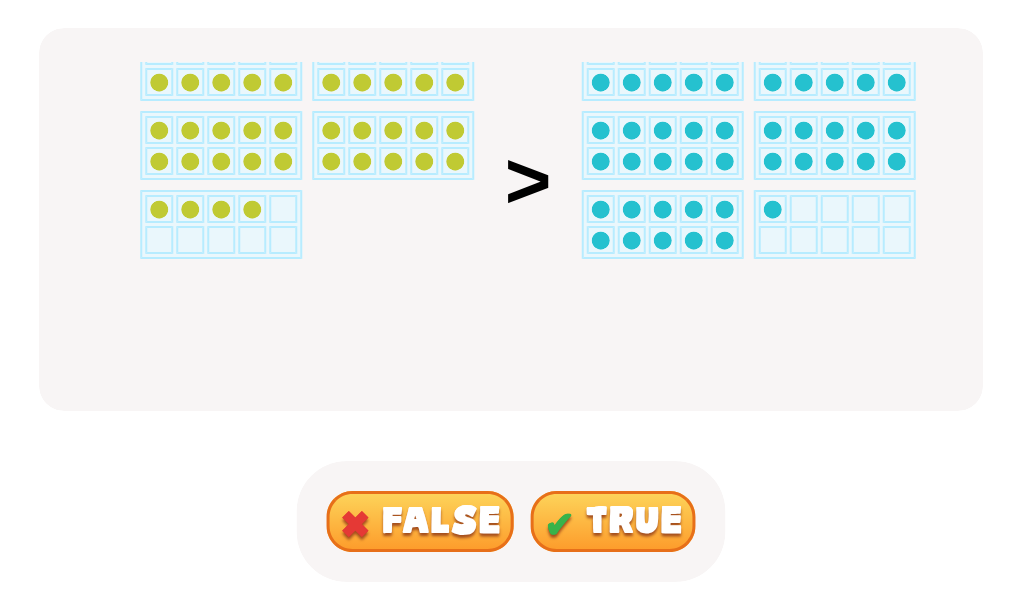
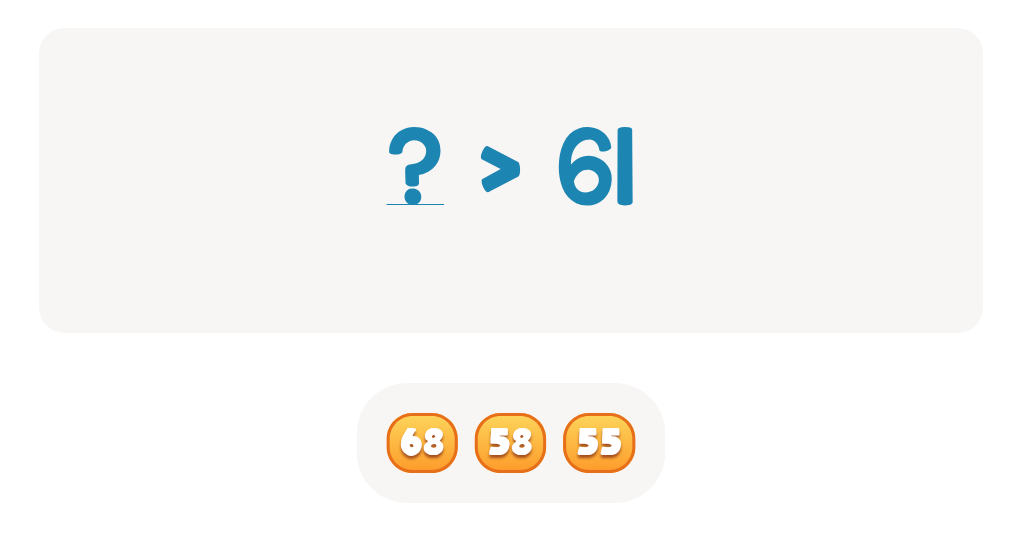
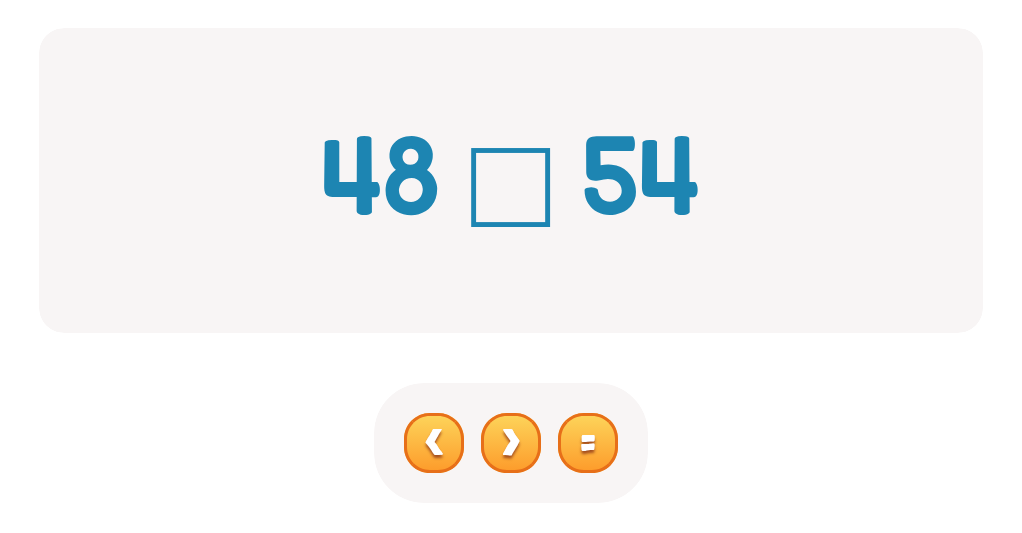
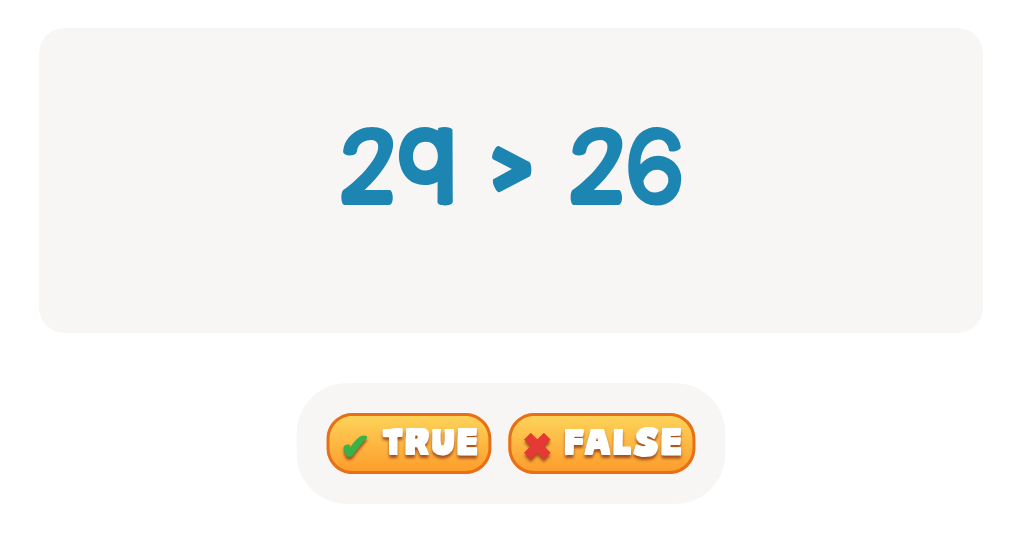
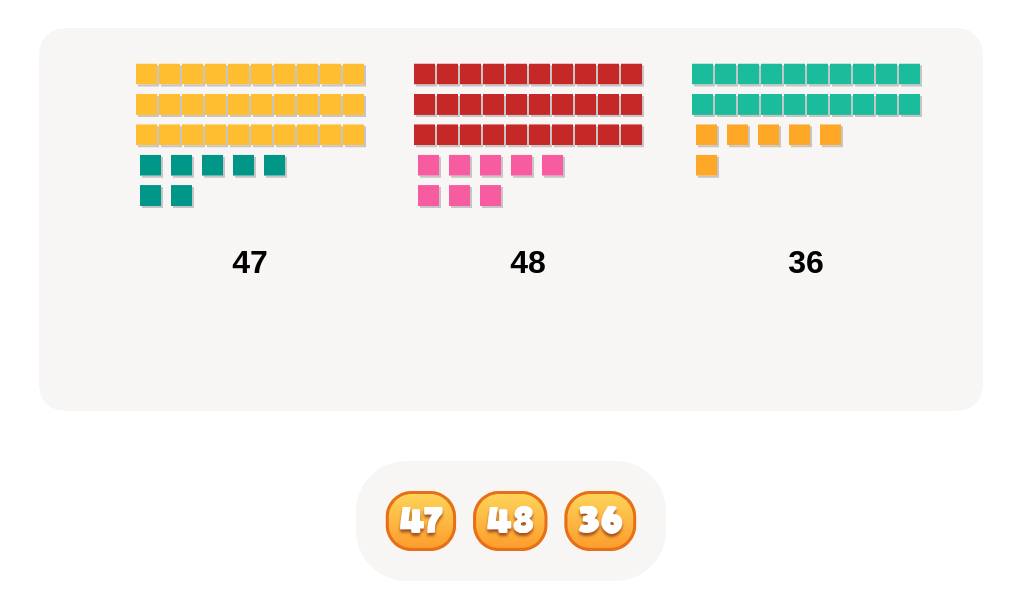
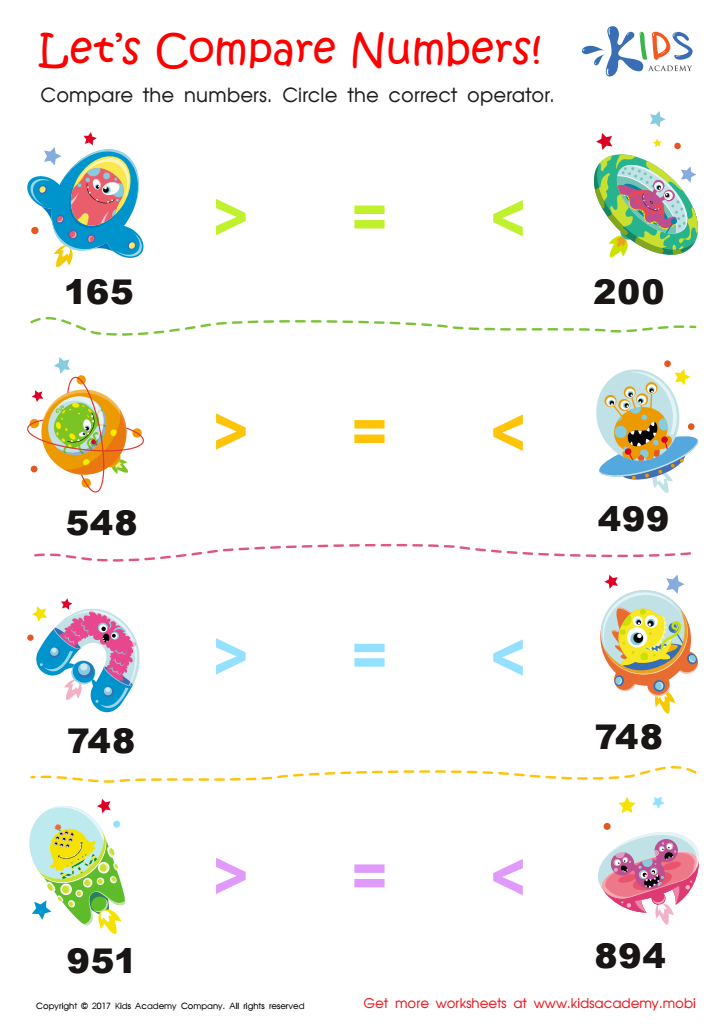
Comparing Numbers Worksheet for 2nd Grade
Alien friends are back to help your child learn to compare numbers using >, < and = symbols. This 2nd grade worksheet will challenge them with larger numbers!
Comparing Numbers Worksheet for 2nd Grade
Worksheet
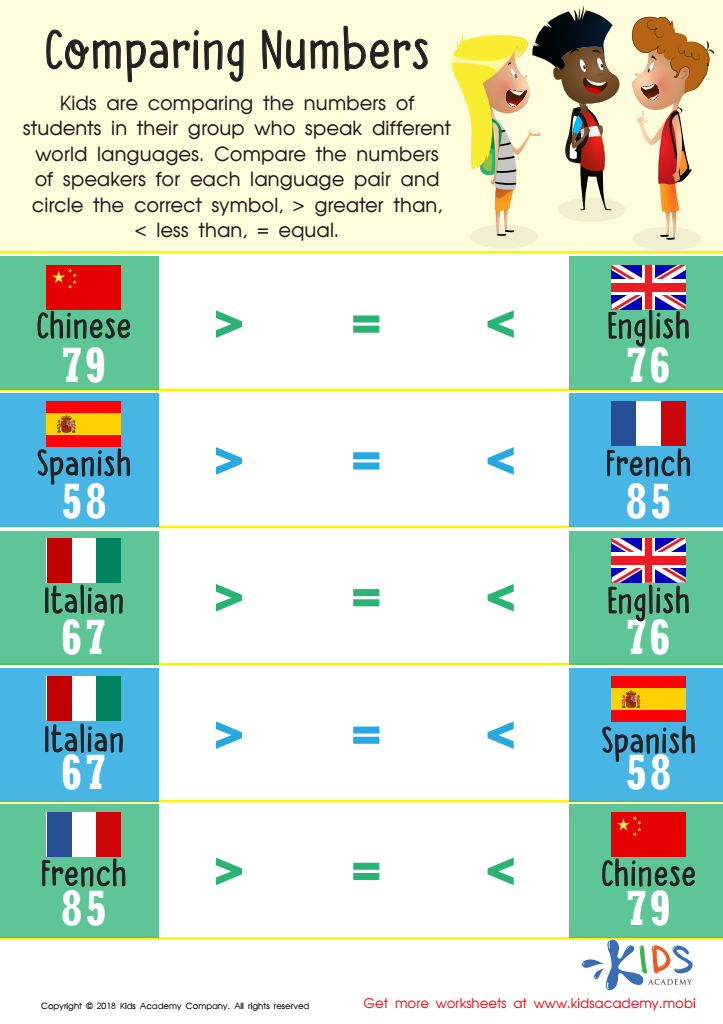
Comparing Numbers Worksheet for 1st Grade
Children can build number sense by exploring the relationship between numbers. This worksheet uses bright international flags to compare numerical groups. Kids will love the cheerful colors and flags from different countries. It encourages them to compare numbers and reinforces their number sense with tens and ones place values.
Comparing Numbers Worksheet for 1st Grade
Worksheet
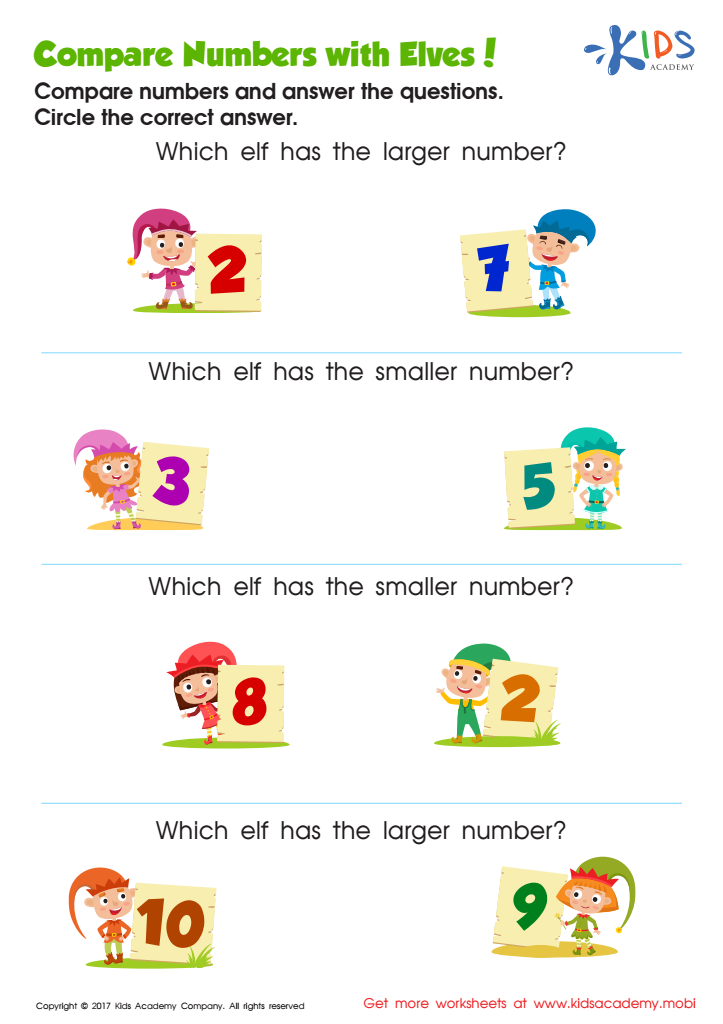
Comparing Numbers Worksheet for Kindergarten
Your child will love helping Santa's elves compare numbers with this fun worksheet for kindergarten! They must determine which number is bigger or smaller then circle the answer. It's a great activity for Christmas or any time!
Comparing Numbers Worksheet for Kindergarten
Worksheet
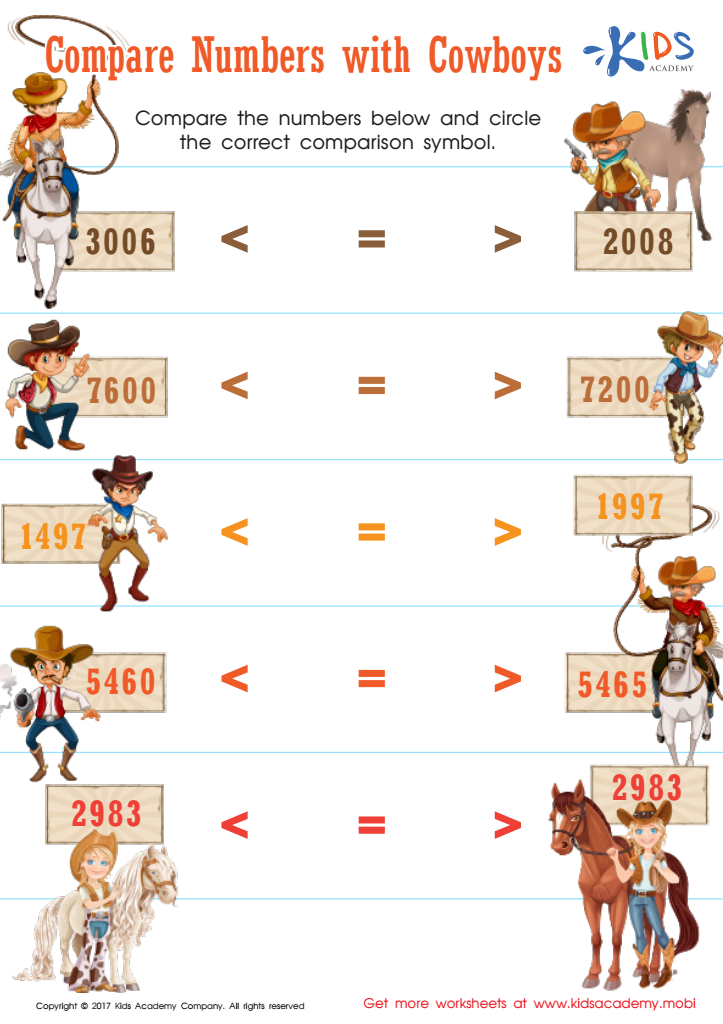
Compare Numbers Worksheet for 3rd Grade
Time to get a roundup on big numbers! Help your 3rd grader practice comparing thousands with this compare numbers worksheet. They'll use >, <, and = symbols for tricky numbers. Jump in and join the cowboys!
Compare Numbers Worksheet for 3rd Grade
Worksheet
Join Kids Academy for Free
Who is primarily going to use this learning content?







Number comparison is a fundamental skill crucial for young learners aged 4-9, and both parents and teachers play an essential role in nurturing this ability. Developing number comparison skills helps children understand the concept of quantity, which lays the groundwork for future mathematical concepts. When children learn to compare numbers, they gain the ability to recognize patterns, build reasoning skills, and enhance their critical thinking.
Understanding how to compare numbers also fosters important cognitive skills. It encourages children to categorize, analyze information, and make informed decisions based on numerical relationships. As they engage in practical tasks, like measuring or sorting objects, they naturally apply these skills in real-world scenarios, making learning relevant and engaging.
Moreover, comparing numbers affects a child's confidence in mathematics, positively impacting their overall academic performance. When children can confidently compare quantities, they are better equipped to tackle more complex mathematical operations like addition, subtraction, and even later topics such as multiplication and division.
For parents and teachers, creating an environment that supports number comparison through games, discussions, and hands-on activities is vital to their development. By investing time and resources into these early mathematical skills, parents and teachers help cultivate a love for learning and strong foundational skills, equipping children for future success in math and beyond.








